13 places, each with its window to go.
The Best Scuba Diving by Season: Where to Dive, Month by Month
The world's great dive sites all have a season. Show up in the wrong one and you get green water and cancelled boats.
The straight answer
For scuba diving, go to Raja Ampat or Palau from November to April, Tubbataha from March to June, the Galapagos or Komodo from June to November, and the Great Barrier Reef from August to November.
Dive sites are more seasonal than beaches. Monsoons churn up sediment, winter winds cancel crossings, and the big animals most divers travel for, whale sharks, mantas, hammerheads, move on schedules tied to plankton and water temperature. The same reef can be glassy and full of life in April and unreachable in August.
Some of the most famous sites are only open part of the year. Tubbataha in the Philippines can only be reached by liveaboard for about three months. Darwin and Wolf in the Galapagos are liveaboard-only, and the whale sharks are there in the cooler half of the year. Raja Ampat and Palau both have a clear calm season when most boats operate.
The list below gives each site's best window, not just when it is technically open. Liveaboard berths in peak windows sell out months ahead, often more than a year for Tubbataha and the Galapagos, so treat the when as a booking deadline too.
 01
01Raja Ampat
West Papua, Indonesia
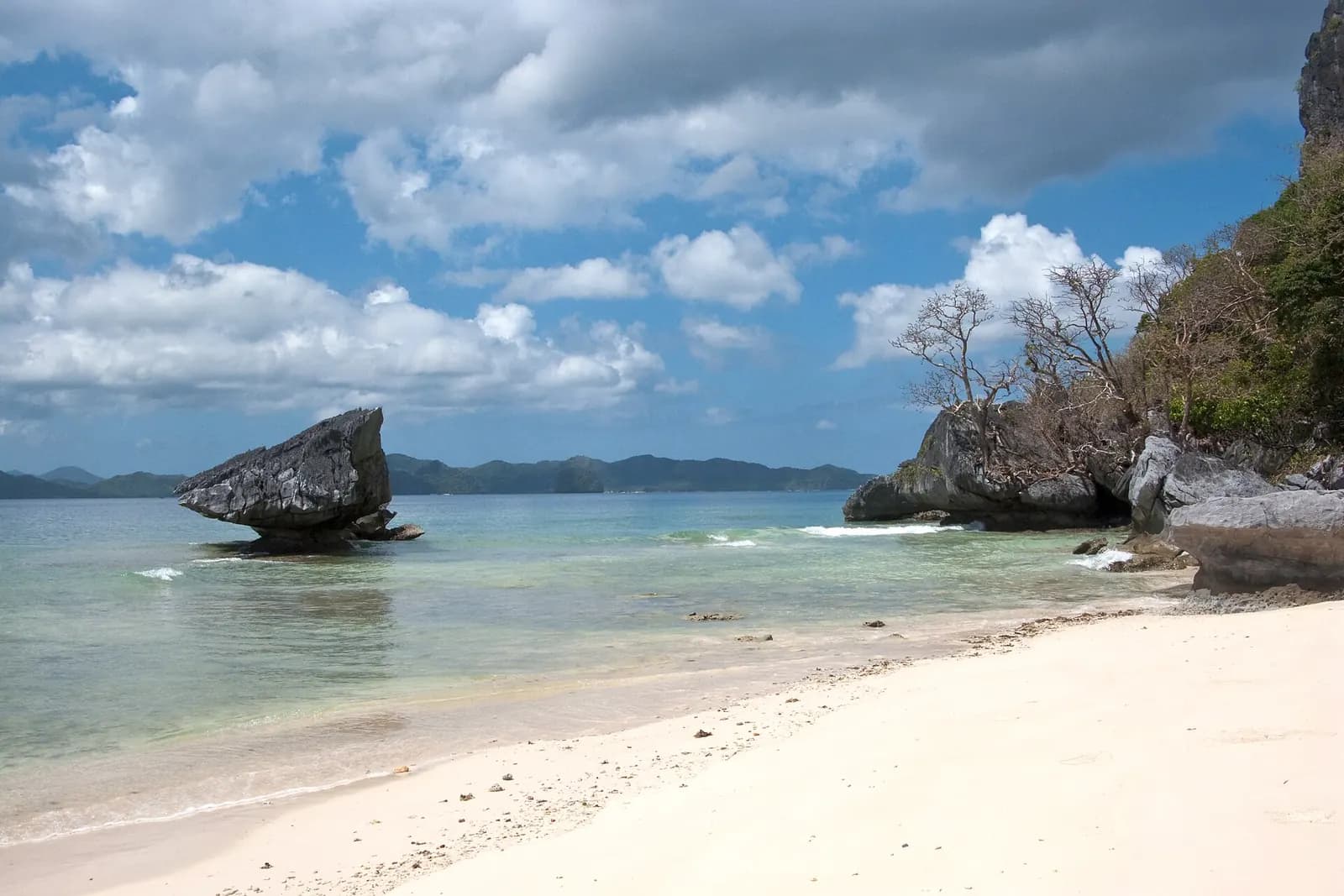
The richest coral reefs ever surveyed, with more recorded species of fish and hard coral than anywhere else on Earth, sitting at the heart of the Coral Triangle. Calmer seas from October to April are when most liveaboards run here, and manta cleaning stations in the Dampier Strait are a highlight.
Palau
Western Pacific, Republic of Palau
Blue Corner is one of the most famous wall dives anywhere: hook onto the reef in the current and watch grey reef sharks, Napoleon wrasse, and barracuda hang in front of you. The drier season brings calmer crossings and the best visibility, and German Channel adds manta cleaning stations.
03Tubbataha Reefs
Sulu Sea, Philippines
A UNESCO World Heritage marine park in the middle of the Sulu Sea, reachable only by liveaboard from Puerto Princesa during a short calm-weather season. Walls drop into deep blue with sharks, turtles, and some of the healthiest hard coral in Southeast Asia.
 04
04Sipadan
Semporna, Sabah, Malaysian Borneo
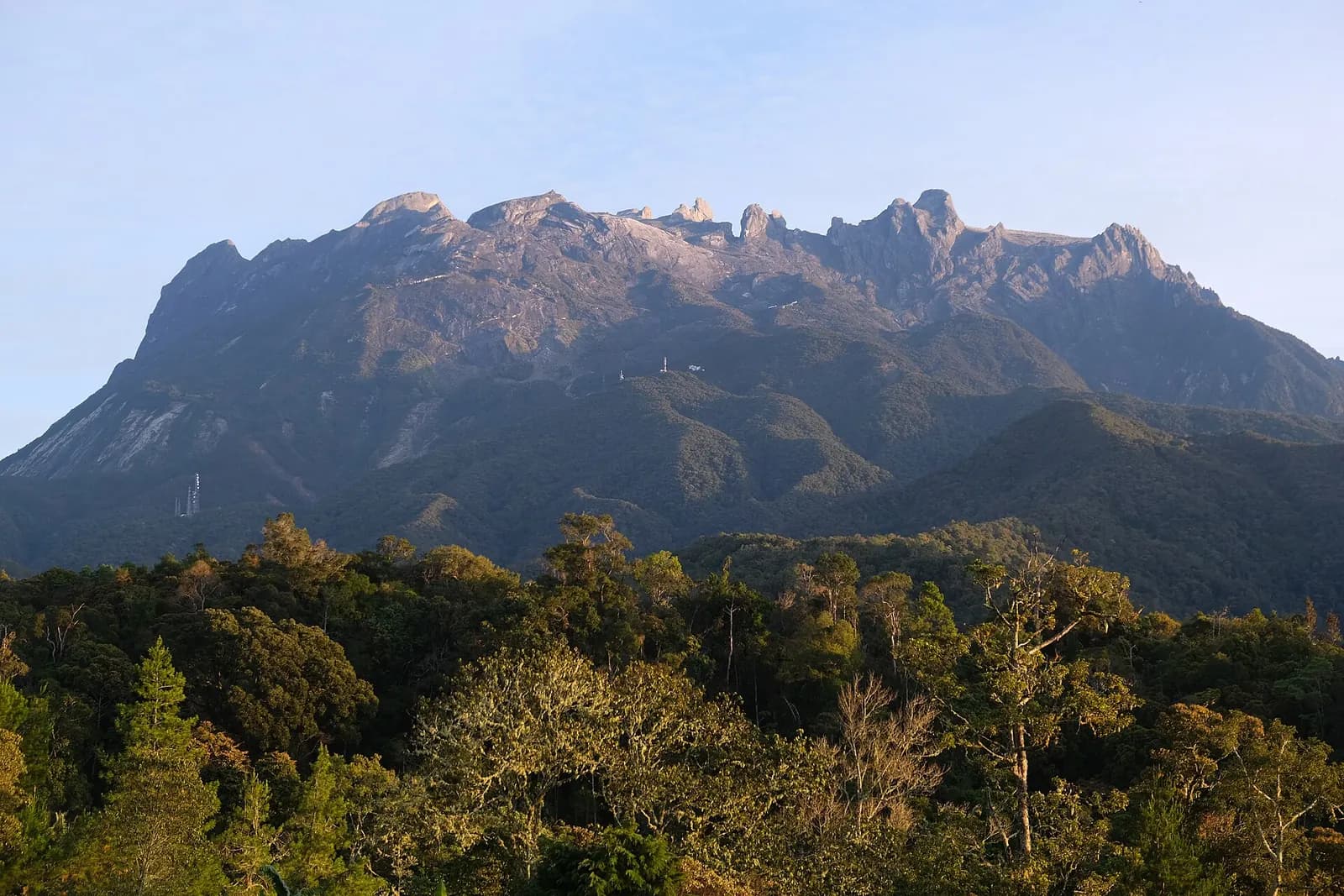
An oceanic island rising from deep water, famous for the swirling barracuda tornado at Barracuda Point and more green and hawksbill turtles than you can count. Only a limited number of daily permits are issued, so book through a Semporna or Mabul operator well ahead.
 05
05Komodo National Park
Flores, Indonesia
Strong, nutrient-rich currents feed dense fish life and big manta aggregations, and you can see Komodo dragons on the islands between dives. The dry season brings the most reliable conditions in the park's popular central and northern sites.
 06
06Maldives
Ari and North Male Atolls, Maldives
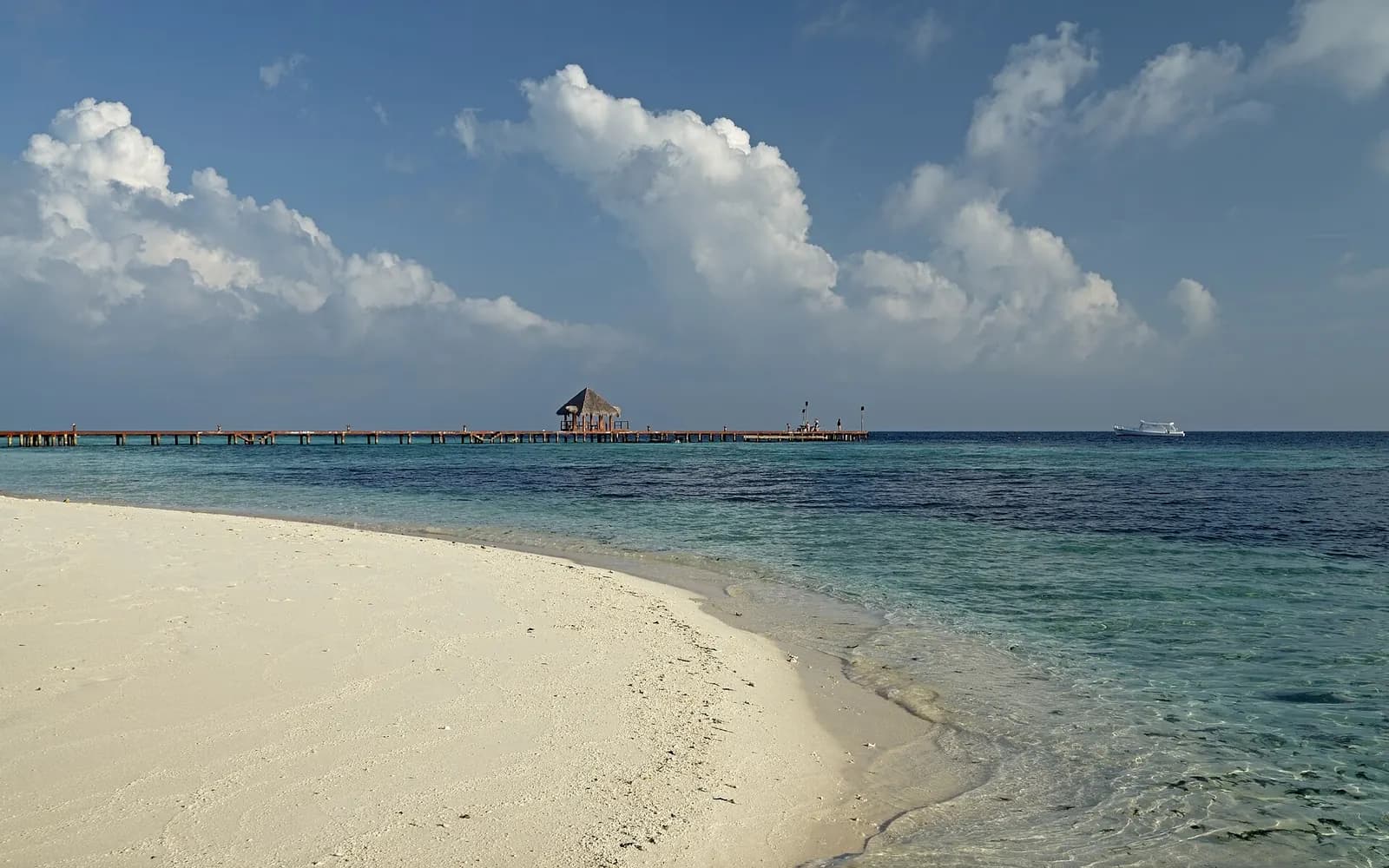
The dry northeast monsoon brings the clearest water and calmest seas, and whale sharks are seen year-round in South Ari Atoll. For mantas, Hanifaru Bay in Baa Atoll hosts huge feeding gatherings in the opposite season, roughly May to November, but it is snorkel-only.
 07
07Red Sea wrecks and reefs
Sharm el-Sheikh and Hurghada, Egypt
The SS Thistlegorm, a British supply ship sunk in 1941 with its cargo of trucks and motorbikes still aboard, is one of the world's great wreck dives, and Ras Mohammed's walls are just south. Spring and autumn bring warm water without the summer heat on the boat deck.
 08
08Galapagos: Darwin and Wolf
Galapagos Islands, Ecuador
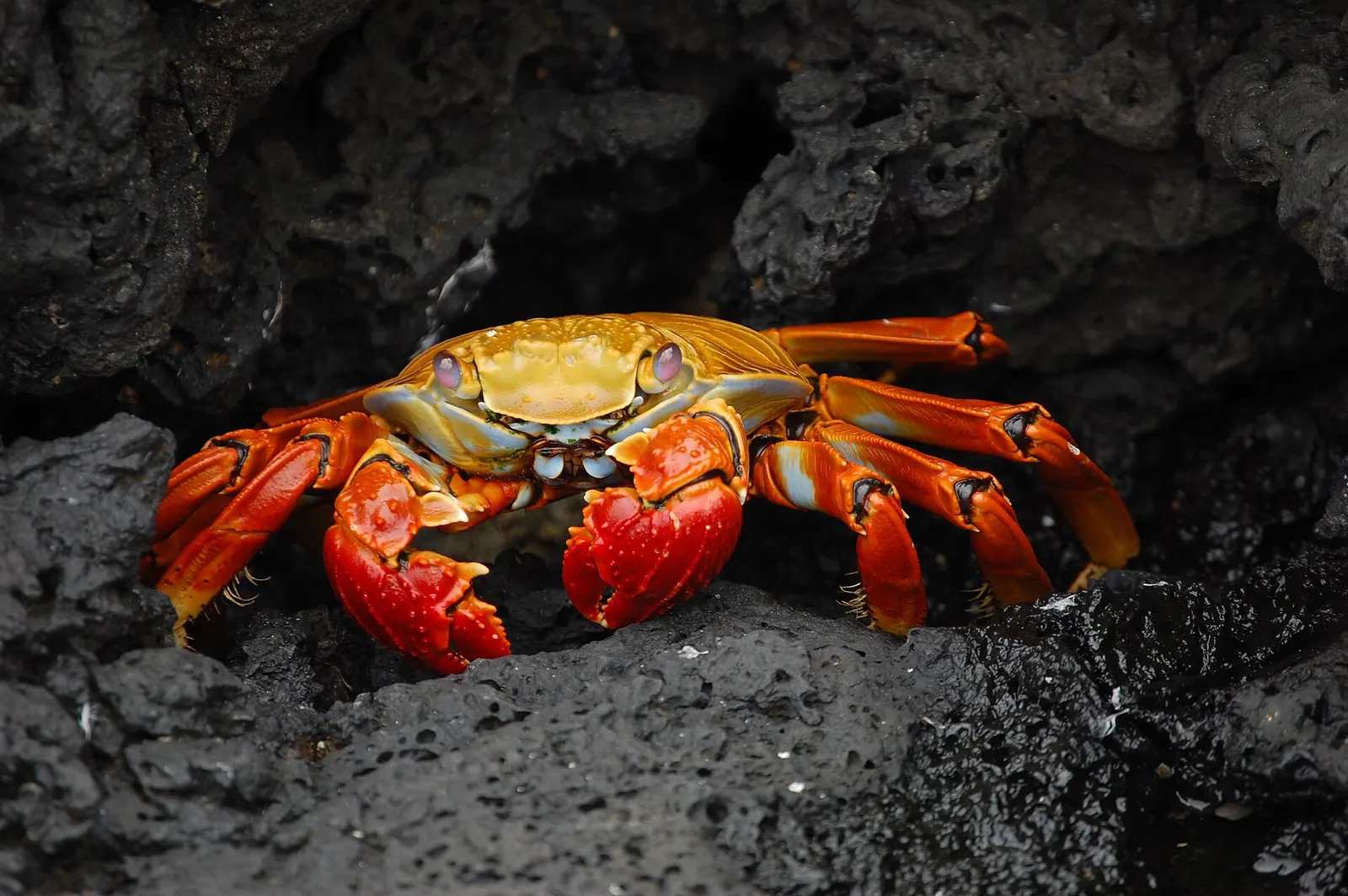
Schooling scalloped hammerheads by the hundreds and, in the cooler season, whale sharks cruising past Darwin Island, reached only by liveaboard. From June to November the water is colder, around the mid 60s to low 70s F (18 to 22C), but that is when the whale sharks come.
 09
09Cozumel
Quintana Roo, Mexico
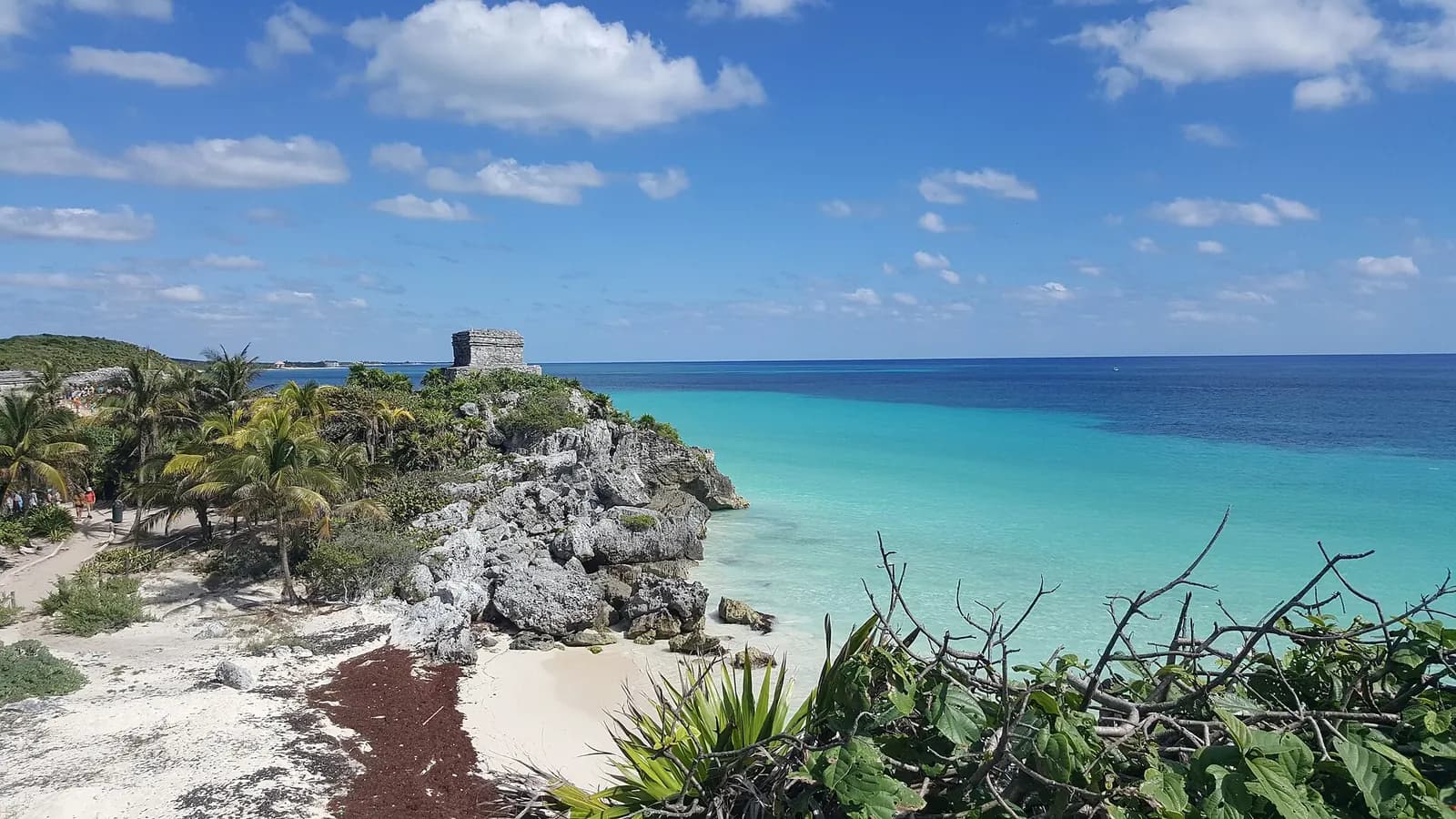
Gentle drift dives along Palancar and Columbia reefs on the Mesoamerican Reef, often with visibility near 100 feet (30 m), make Cozumel one of the easiest top-tier dive destinations to reach from North America. Late spring and summer bring the calmest water before hurricane season peaks.
 10
10Great Blue Hole and Lighthouse Reef
Belize Barrier Reef, Belize
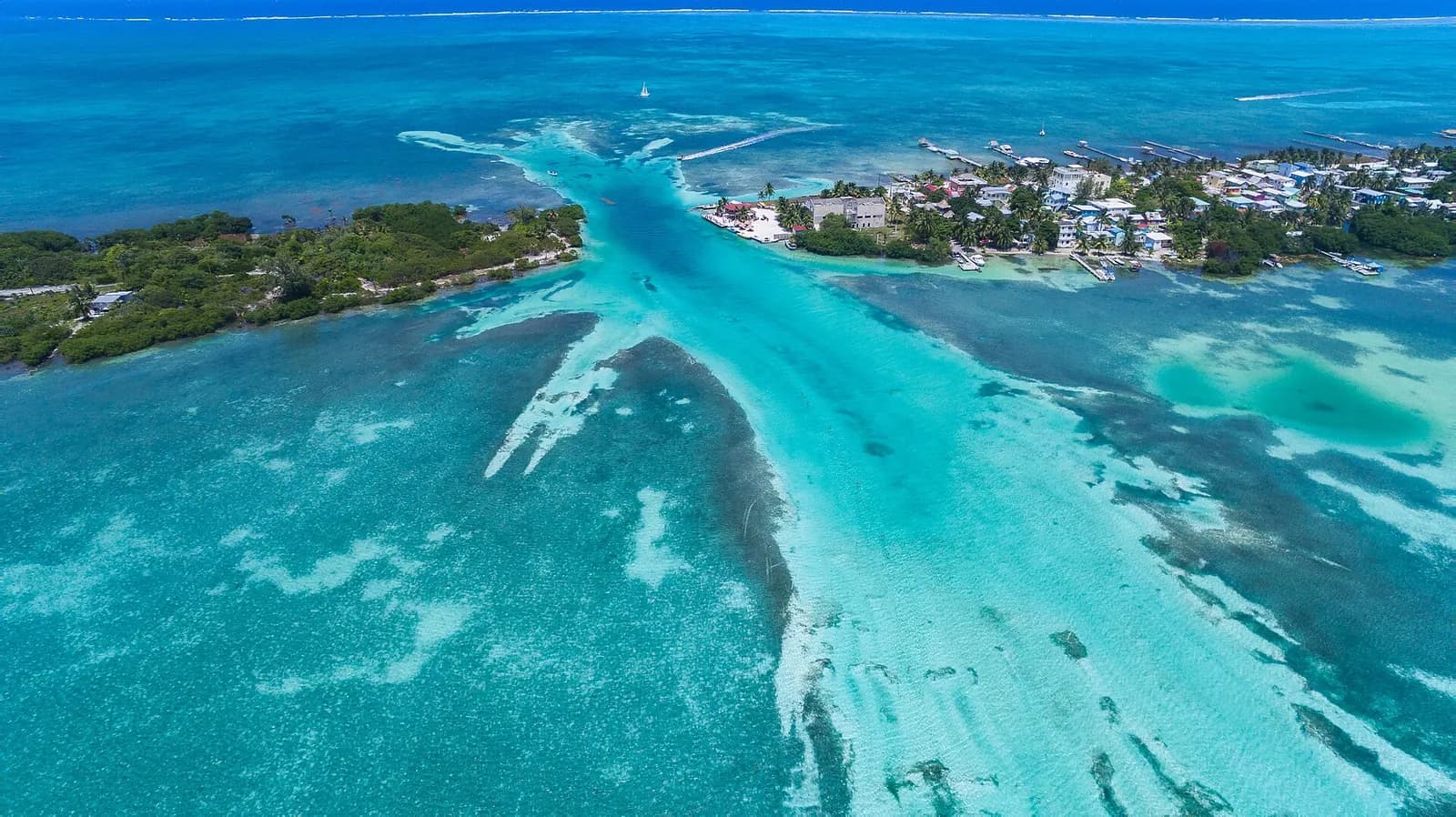
A near-perfect circle of deep blue about 1,000 feet (300 m) across, with stalactites hanging in the gloom around 130 feet (40 m) down, on an atoll that also offers some of the best wall diving in the Caribbean. Farther south, off Placencia, whale sharks gather to feed on snapper spawn at Gladden Spit around the spring full moons.
 11
11Great Barrier Reef
Cairns and Port Douglas, Queensland, Australia
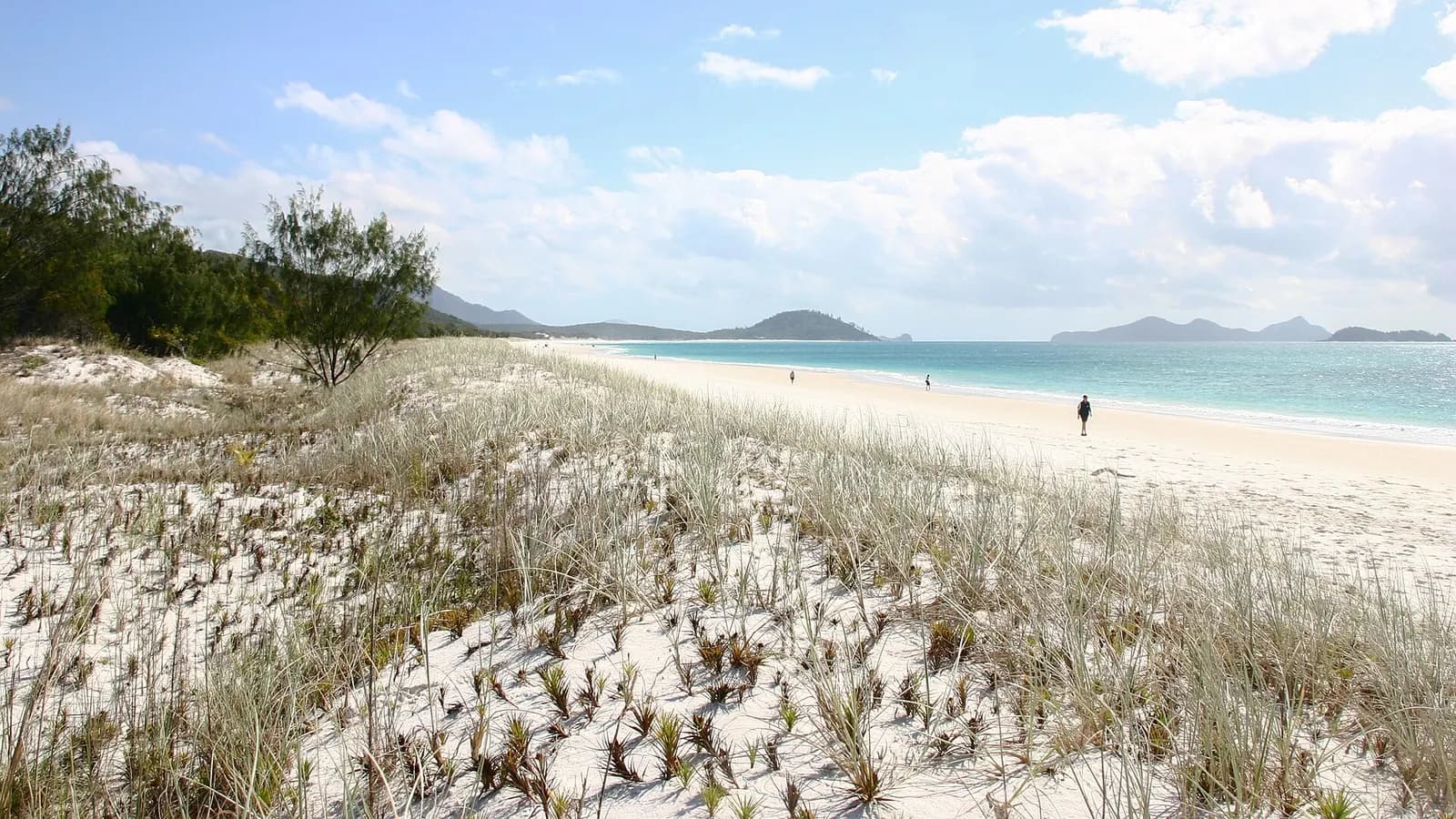
Late winter into spring brings the best visibility and calm seas before the summer stinger season, while June and July offer the chance to swim with dwarf minke whales on the Ribbon Reefs. Mass coral spawning follows the full moons of late spring.
Bonaire
Dutch Caribbean
The shore-diving capital of the world: rent a truck, follow the yellow painted stones along the road, and walk straight into Bonaire National Marine Park, protected since 1979. It sits south of the main hurricane belt, so it is the smart Caribbean pick during hurricane season.
 13
13Silfra fissure
Thingvellir National Park, Iceland
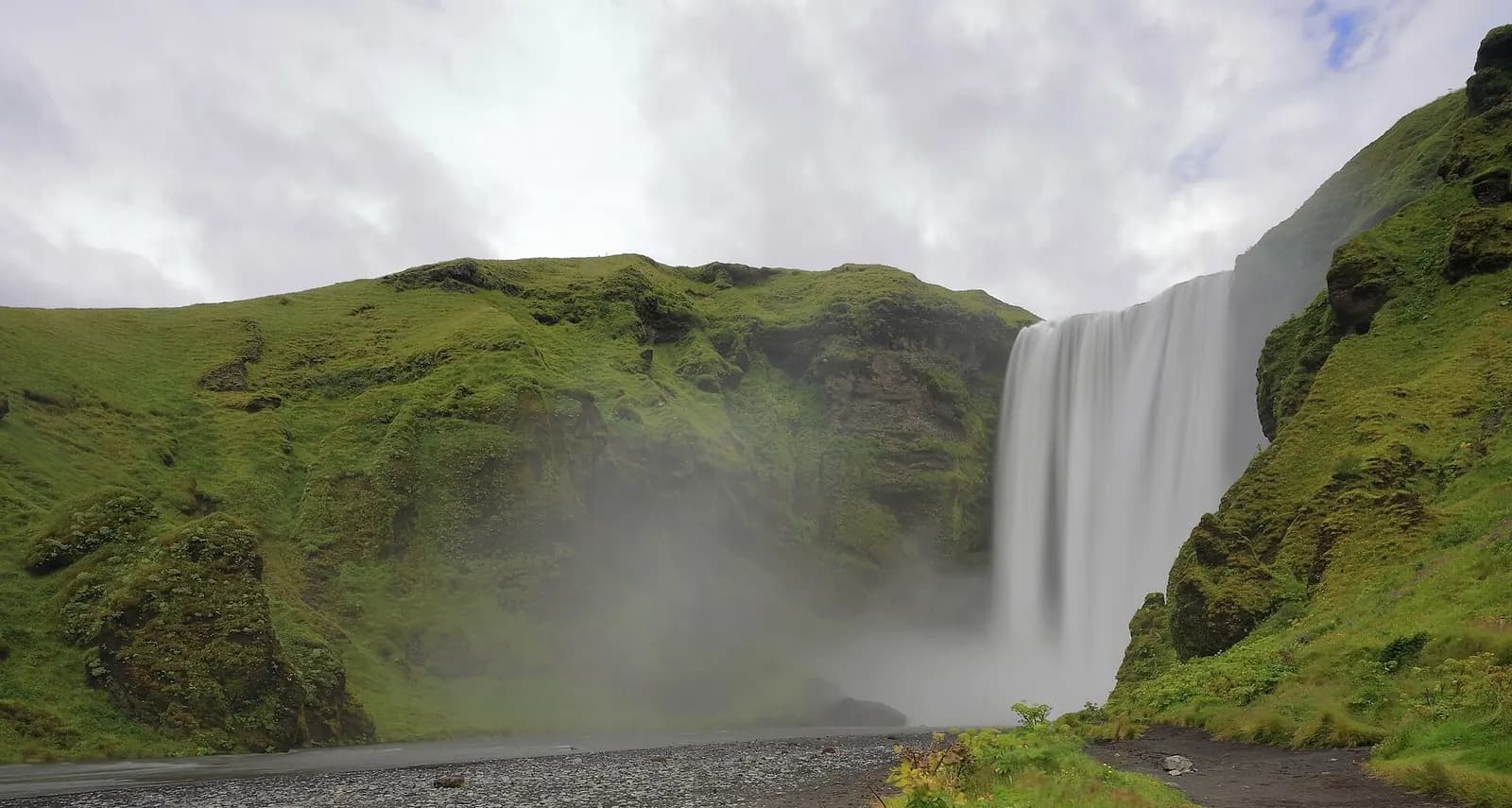
A dive or snorkel in the crack between the North American and Eurasian tectonic plates, in glacial meltwater filtered through lava rock for years, with visibility that can exceed 100 meters. The water stays near 36 to 39F (2 to 4C) all year and requires drysuit certification to dive, so summer's long days make the surface time far more pleasant.
Quick answers
What is the best month for scuba diving?
It depends on the ocean. April is excellent almost everywhere in Southeast Asia and the Caribbean, with Raja Ampat, Palau, Tubbataha, Sipadan, and Belize all in season. October is strong for the Red Sea, the Great Barrier Reef, and the Galapagos. Avoid August to October in the Caribbean unless you pick Bonaire or another island south of the hurricane belt.
When can you see whale sharks?
The Galapagos from June to November, Gladden Spit in Belize around the spring full moons, and South Ari Atoll in the Maldives year-round are three of the most reliable options on this list.
What is the best dive destination for beginners?
Cozumel, Bonaire, and the Great Barrier Reef are the easiest: warm water, strong dive-school infrastructure, and plenty of shallow sites. Tubbataha, Darwin and Wolf, and Komodo's current-swept sites are for experienced divers.
How far ahead should I book a liveaboard?
For Tubbataha and the Galapagos, many divers book a year or more ahead because the season is short and berths are limited. For Raja Ampat, Komodo, and the Red Sea, six months is usually enough outside the holidays.
More lists
Before you book.
Sort these two things first.
Sponsored links. We may earn a commission; it never changes a verdict.
- Visit Faye
Travel insurance.
FayeA missed connection, a bag that never turns up, a hospital abroad: far cheaper to cover before departure than to argue about after.
- Visit Saily
eSIM data.
SailySet up an eSIM before you fly so your phone has data the moment you land, without roaming charges.
Our top-rated travel gear
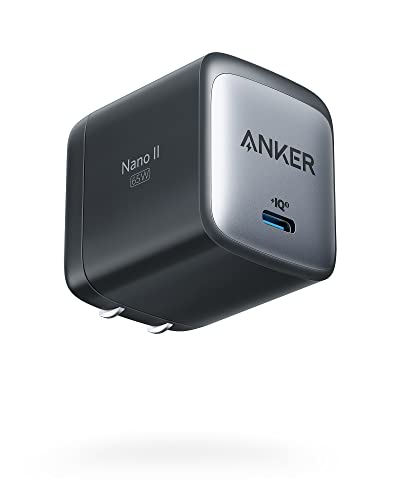
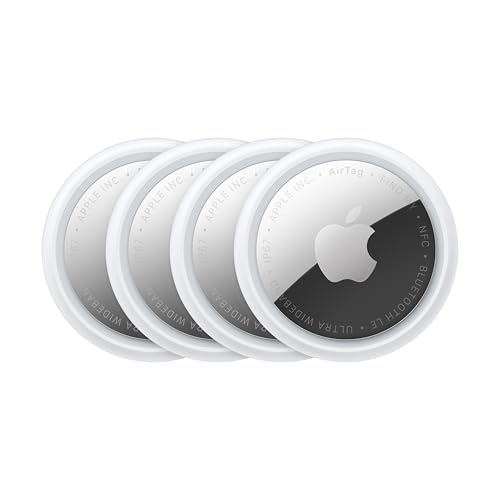
Whatever you decide, this is the gear we actually travel with: verified, priced, and ranked. Live price check on each.




As an Amazon Associate we may earn from qualifying purchases, at no cost to you.