Mexico, North America
The best time to visit Riviera Maya
Cancun, Playa del Carmen, and Tulum: paradise with a hurricane season and a seaweed problem worth planning around.
- Best months
- Nov to Mar
- Think twice
- Sep and Oct
- Quietest
- September
- Cheapest
- September
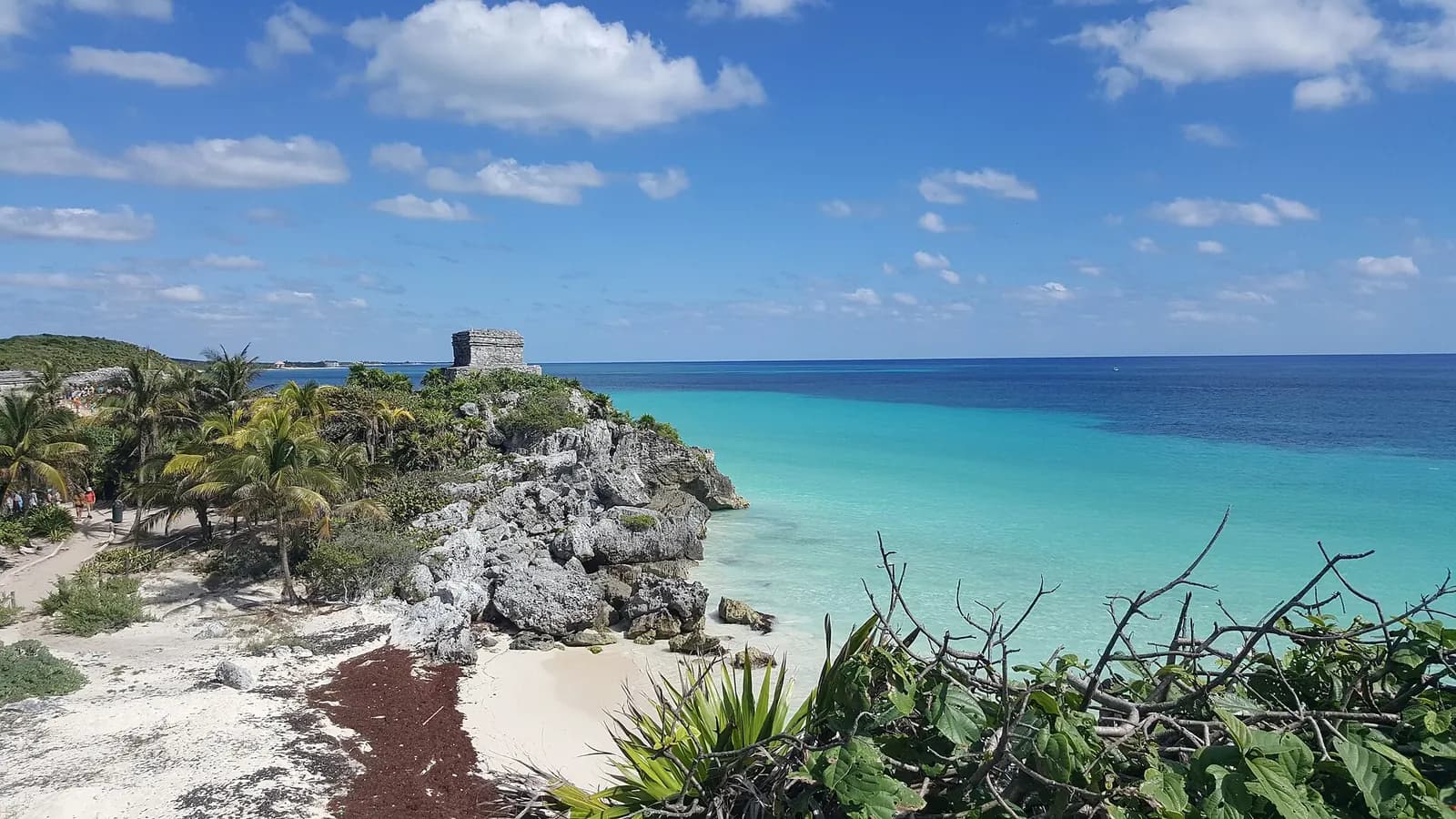
The straight answer
The best time to visit the Riviera Maya is December through April for dry, sunny beach weather, with late November and early December the value sweet spot; hurricane season runs June 1 to November 30, and sargassum seaweed can hit the beaches roughly spring through summer, varying year to year.
Go between December and April. That is the Caribbean dry season, when Cancun, Playa del Carmen, and Tulum deliver the brochure: highs in the low 80sF (28C), low humidity, gentle turquoise water, and almost no rain. The tradeoff is that everyone knows it, so Christmas through Easter is peak pricing, with the Christmas-to-New-Year and spring-break weeks the most crowded and expensive of all.
Two honest asterisks separate this coast from a generic beach forecast. First, hurricane season: it officially runs June 1 to November 30, with the statistical peak from August through October. Direct hits are infrequent and resorts are well drilled, but late-summer and fall trips deserve refundable rates and travel insurance. Second, sargassum: in recent years, drifting mats of brown seaweed have reached these beaches in warm months, typically somewhere between April and August, varying a lot by year and by beach. West-facing Cozumel, Isla Mujeres' north beach, and the cenotes are largely immune, which is why a summer trip here should never be beach-only.
The smart-money windows sit at the edges of high season: late November into early December, when the sea is calm, the seaweed risk is low, and peak pricing has not kicked in, and the stretch from mid January to mid February, after New Year's crowds leave and before spring break arrives. Summer is not a mistake, it is a discount with conditions: hotter, stormier afternoons, whale sharks offshore, and rates that make the same resort cost dramatically less.
Riviera Maya, month by month
Every month gets a verdict. Tap one for its own page: weather, crowds, prices and what is on.
- 01JanuaryBestDry and sunny, highs near 82F (28C), occasional cool-front windsAfter January 6 the holiday crush fades and the dry season shines. Brief 'norte' fronts can churn the sea for a day or two.Hotels for January →CrowdsPrice
- 02FebruaryBestDry, highs near 83F (28C)Arguably the most reliable beach month of the year: sunny, breezy, minimal rain, minimal seaweed. Book ahead; the world has noticed.Hotels for February →CrowdsPrice
- 03MarchTradeoffsWarm and dry, highs near 84F (29C)Perfect weather colliding with spring break, especially in Cancun's hotel zone. Tulum and the quieter beach towns feel it far less.CrowdsPrice
- 04AprilGoodHot and mostly dry, highs near 86F (30C)Semana Santa brings Mexico's own vacation wave around Easter; the rest of the month is a superb tail of dry season. Early sargassum can begin arriving.Hotels for April →CrowdsPrice
- 05MayTradeoffsHot and humid, highs near 88F (31C), rains beginningShoulder pricing arrives with the humidity. Sargassum season typically ramps up; check current beach conditions before booking beachfront.CrowdsPrice
- 06JuneTradeoffsHot, humid, afternoon storms, highs near 89F (32C)Hurricane season opens June 1 and whale shark season begins offshore. Good deals for travelers who plan cenote and reef days around the beach.CrowdsPrice
- 07JulyTradeoffsHot and humid, highs near 90F (32C)Summer family season pushes crowds back up. Whale shark trips peak; sargassum is often at its heaviest on exposed east-facing beaches.CrowdsPrice
- 08AugustTradeoffsSteamy, highs near 90F (32C), storm chances risingHot, cheap-ish, and unpredictable: great weeks happen, but tropical-system risk climbs and seaweed can linger. Book flexible.CrowdsPrice
- 09SeptemberThink twicePeak storm season, highs near 89F (32C), heavy humidityThe statistical heart of hurricane season and the region's quietest, cheapest weeks. Only for flexible travelers with insurance and a cenote-heavy plan.CrowdsPrice
- 10OctoberThink twiceStill stormy, highs near 87F (31C), rains easing lateHurricane risk stays real into late month. Late October begins the turn, and prices remain a bargain if you gamble and win.CrowdsPrice
- 11NovemberBestDrying and cooling nicely, highs near 84F (29C)The insider window: hurricane season winds down, the sea clears, seaweed is typically minimal, and peak pricing has not started. Late November is superb.Hotels for November →CrowdsPrice
- 12DecemberGoodDry season begins, highs near 82F (28C)First half is calm, gorgeous, and fairly priced; Christmas through New Year's is the year's most expensive stretch at full occupancy.Hotels for December →CrowdsPrice
Book Riviera Maya for December.
Sponsored links to Expedia and Vrbo. We may earn a commission; it never changes a verdict.
- Hotels for December
Hotels. Expedia
Hotels in Riviera MayaOpens a hotel search for Riviera Maya in December, dates filled in. Book early for the best months: the good rooms go first.
- Rentals on Vrbo
Vacation rentals. Vrbo
Vacation rentals in Riviera MayaWhole homes, condos and villas. Usually the better deal for families and groups, with a kitchen and room to spread out.
- Tours and tickets
Tours and tickets. Expedia
Tours and tickets in Riviera MayaTimed-entry tickets, day trips and guided tours in Riviera Maya for December. Popular slots sell out in the best months.
Why go to Riviera Maya
The Caribbean with pyramids
Nowhere else pairs resort beaches with a great ancient civilization an easy drive away: Chichen Itza, the cliff-top ruins at Tulum, and Coba's jungle temples all work as day trips.
Cenotes, the region's secret weapon
Thousands of freshwater sinkholes and caverns riddle the Yucatan limestone, offering crystal-clear swimming and snorkeling that no hurricane forecast or seaweed patch can touch.
A world-class reef system
The Mesoamerican Reef runs the length of this coast, with Cozumel's walls among the planet's most famous dives and easy snorkeling off Puerto Morelos and Akumal.
Every budget, one coast
Mega all-inclusives in Cancun, boutique hotels in Playa and Tulum, ferries to island escapes like Isla Mujeres and Holbox. The same flight serves a spring-break blowout or a quiet beach week.
Things to do, and when to do them
Chichen Itza
One of the great ancient sites of the Americas, about two hours inland. Arrive at opening or stay nearby the night before; midday brings heat and tour-bus density.
Tulum ruins
Maya walls on a cliff above turquoise water. Go first thing, then swim below or at nearby beaches before the heat peaks.
A cenote day
Mix an open cenote, a cavern, and a jungle swim: Gran Cenote, Dos Ojos, and dozens more. Mornings beat the tour groups; bring biodegradable sunscreen only.
Cozumel diving and snorkeling
The ferry from Playa del Carmen takes about 45 minutes. The island's leeward reefs offer calm, clear water even when mainland beaches have seaweed.
Isla Mujeres or Holbox
Slow-paced island antidotes to the hotel zone: golf carts, beach shacks, and on Holbox, summer whale sharks and bioluminescent nights.
Whale shark snorkeling
Roughly June through mid September, boats from Cancun, Isla Mujeres, and Holbox reach summer aggregations of the world's biggest fish. Book a licensed operator.
Xcaret and the eco-parks
Polished park versions of the region's nature and culture. Best value on full days; the evening Xcaret Mexico show is genuinely well done.
Playa del Carmen's Quinta Avenida
The coast's walkable dining-and-shopping spine. Touristy, yes, and still the easiest big-night-out on the Riviera.
Events and seasons worth planning around
Whale shark season
Roughly June through mid September
Hundreds of whale sharks gather off Isla Mujeres and Holbox. The summer counterweight to beach-season caveats, and worth building a trip around.
Sea turtle nesting season
Roughly May through October, hatchlings later in the season
Turtles nest on beaches from Akumal to Tulum. Watch only with sanctioned guides, keep lights off the sand, and give nests wide berth.
Spring equinox at Chichen Itza
Around March 20 to 21
The famous serpent-shadow effect descends El Castillo's staircase, drawing enormous crowds. The effect is visible within a few days around the equinox with far fewer people.
Carnaval de Cozumel
The days before Lent, usually February
One of Mexico's oldest carnival traditions, with parades and music taking over the island. A festive reason to time a Cozumel stay.
Hanal Pixan, the Yucatan's Day of the Dead
Late October through November 2
The Maya expression of Dia de Muertos, marked with altars and food traditions across the peninsula, strongest in Merida and inland towns.
Beat the crowds
- Aim for the twin sweet spots: late November to mid December, and mid January to mid February. Both deliver dry-season weather without peak-week pricing or spring-break energy.
- Do ruins and cenotes at opening time, always: this single habit dodges both the heat and the tour-bus schedule, which runs on a late-morning arrival wave everywhere.
- Skip Cancun's hotel zone in March: spring break concentrates almost entirely there, and Puerto Morelos, Akumal, and Tulum stay far calmer the same week.
- Base off-peak beauty on the islands: Isla Mujeres and Holbox absorb far fewer cruise and resort crowds, and Cozumel's west side is the region's calm-water insurance policy.
- Book high-season hotels and the marquee tours months ahead, then keep day plans loose: the crowds here are schedule-shaped, and flexibility is the whole advantage.
Open or closed
- This coast runs year-round: resorts, ruins, and parks do not close for a season. The real variables are hurricane season, June 1 to November 30, and the sargassum seaweed window, which in recent years has run roughly April through August with big year-to-year swings.
- Sargassum is beach-specific, not region-wide: east-facing mainland beaches catch the most, while Cozumel's west coast, Isla Mujeres' north beach, and every cenote stay clear. Check current sargassum maps before locking a summer beachfront splurge.
- A tropical storm or hurricane can close airports, ferries, and tours for days; resorts are practiced at riding storms out, but September and October bookings should always be refundable and insured.
- Archaeological sites are open daily year-round, but capacity rules and midday heat are real: opening hour is the golden hour at Chichen Itza and Tulum in every season.
- Around Semana Santa and the Christmas-to-New-Year weeks, Mexican national vacation demand fills rooms and roads: nothing closes, but prices peak and popular cenotes and beach clubs hit capacity by late morning.
With kids in tow
- This is one of the easiest international beach trips for US families: short flights, huge kid-friendly resort inventory, calm dry-season water, and swim-with-history day trips that beat a theme park.
- For homeschool families, late January and February are the win: dry-season weather, post-holiday pricing, empty-morning ruins that double as history class, and cenote geology you can literally swim in.
- Choose the beach by the kids' swimming level: Puerto Morelos, Akumal, and Isla Mujeres' north beach are gentle; surf and currents pick up on exposed stretches, so respect flag warnings everywhere.
- Summer trips with kids work if you plan around conditions: morning beach, midday pool or cenote, and a whale-shark or turtle experience that only that season offers.
Getting there
- Cancun (CUN) is the gateway, one of the busiest leisure airports in the hemisphere, with nonstops from dozens of US cities including multiple daily nonstops from Austin, plus the newer Tulum (TQO) airport now taking US flights.
- From most of Texas the flight runs about two to two and a half hours, which is why this coast functions as the state's default international beach.
- On the ground, pre-book airport transfers or use the ADO buses along the coastal highway; Playa del Carmen is about 45 to 60 minutes from Cancun's airport and Tulum roughly 90 minutes or more, traffic depending.
Packing? Packing cubes and the airport kit.
Riviera Maya for the holidays
Holiday and school-break weeks where Riviera Maya makes our ranked list.

MLK Weekend
January
The first long weekend of the year lands in the dead of winter. Go chase sun, powder, or the history the holiday is named for.
Presidents' Day Weekend
February
The peak of the ski season and the Caribbean high season in the same week. Pick your warm or your snow early, or pick the week after.

Spring Break
March, April
The week the whole country goes somewhere warm at the same time. Pick the right warm, or pick a different week.

Thanksgiving
November
The busiest travel days in America wrapped around one of the best-value weeks abroad. Fly on the right day and go somewhere that is not having a holiday.
Riviera Maya timing, quick answers
What is the best month to visit Cancun and the Riviera Maya?
February for pure dry-season reliability, with late November to early December the best value-to-weather trade of the year. December through April overall is the classic window.
When is hurricane season in the Riviera Maya?
June 1 to November 30, officially, with the statistical peak from August through October. Direct hits are infrequent, but for late-summer and fall trips book refundable rates, buy travel insurance, and watch forecasts as departure nears.
How bad is the sargassum seaweed, and when does it come?
It varies a lot by year and beach. In recent years the mats have arrived mostly between April and August, hitting east-facing mainland beaches hardest while Cozumel's west side, Isla Mujeres' north beach, and the cenotes stay clear. Check live sargassum reports for your specific beach before a warm-season trip.
When can you swim with whale sharks near Cancun?
Roughly June through mid September, with mid-summer the peak, off Isla Mujeres and Holbox. Go with a licensed operator, expect an early start and open-water conditions, and treat it as the reason summer here can beat winter.
Cancun, Playa del Carmen, or Tulum: which base is best?
Cancun for big-resort ease and the shortest transfer, Playa del Carmen for walkable town life plus ferry access to Cozumel, Tulum for the boutique-and-cenote scene at the price of longer transfers. Many good trips split nights between two of them.
Weighing alternatives
Similar trips, with their best months.
Before you book.
Sort these two things first.
Sponsored links. We may earn a commission; it never changes a verdict.
- Visit Faye
Travel insurance.
FayeA missed connection, a bag that never turns up, a hospital abroad: far cheaper to cover before departure than to argue about after.
- Visit Saily
eSIM data.
SailySet up an eSIM before you fly so your phone has data the moment you land, without roaming charges.
Our top-rated travel gear
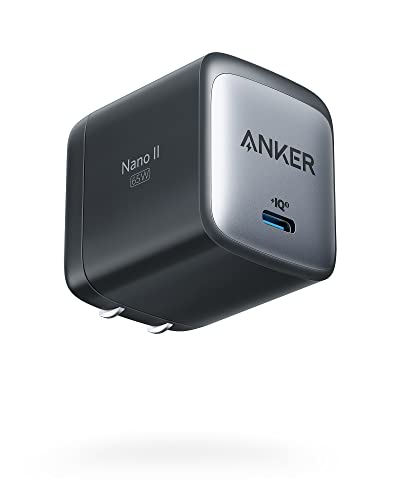
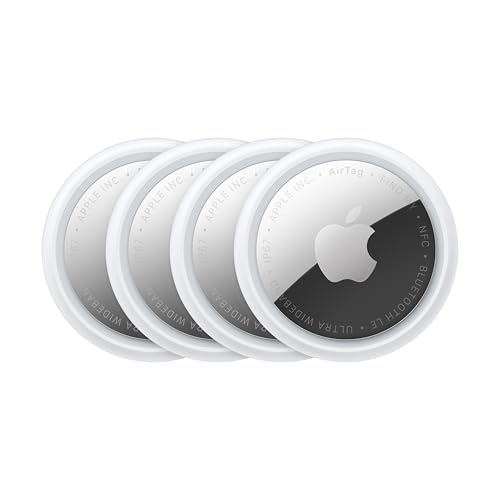
Whatever you decide, this is the gear we actually travel with: verified, priced, and ranked. Live price check on each.




As an Amazon Associate we may earn from qualifying purchases, at no cost to you.