United States, North America
The best time to visit Orlando
Theme-park capital of the world, where picking the right week matters more than picking the right park.
- Best months
- Jan to Feb, Sep and Nov
- Think twice
- Mar, Jul and Dec
- Quietest
- January
- Cheapest
- January
The straight answer
The best time to visit Orlando is late January through early February or the weeks after Labor Day in September: the parks are at their emptiest, hotel rates dip, and the Florida heat is either gone or fading.
Go when school is in session and no holiday is near. That is the entire science of Orlando. The parks themselves barely change from month to month; what changes is whether the headline coaster is a 25-minute wait or a 150-minute wait, and whether you are strolling in 72F (22C) sunshine or trudging through 94F (34C) soup between afternoon thunderstorms.
The empty windows are remarkably consistent year to year: mid-January after the marathon crowds leave through early February, the weeks right after Labor Day through late September, and pockets of early May, early November, and the first two weeks of December before Christmas break. The crush windows are just as predictable: Christmas through New Year's is the most crowded stretch of the year, followed by spring break weeks in March and April, Thanksgiving week, and the whole of summer.
The honest asterisk on the fall sweet spot is hurricane season, which runs June 1 to November 30 with its statistical peak in late summer and early fall. Direct hits on inland Orlando are uncommon and the parks are practiced at weathering storms, but September trips deserve refundable rooms and travel insurance. Book smart and the quietest weeks of the year are also some of the cheapest.
Orlando, month by month
Every month gets a verdict. Tap one for its own page: weather, crowds, prices and what is on.
- 01JanuaryBestMild and dry, highs near 71F (22C), cool eveningsAfter the first week the holiday crowds vanish. Mid to late January is one of the emptiest, most pleasant stretches of the year.Hotels for January →CrowdsPrice
- 02FebruaryBestMild, highs near 74F (23C), low humidityEarly February stays quiet; Presidents Day week brings a bump. Perfect walking weather for 12-hour park days.Hotels for February →CrowdsPrice
- 03MarchThink twiceWarm, highs near 79F (26C)Spring break season: wave after wave of school vacations from across the country. Lovely weather, brutal waits.CrowdsPrice
- 04AprilTradeoffsWarm, highs near 83F (28C)Crowds hinge on where Easter lands, and it moves year to year. The weeks after Easter week calm down nicely.CrowdsPrice
- 05MayGoodHot, highs near 88F (31C), humidity buildingEarly May is a sleeper window before summer break. By late month the heat and the graduation crowds arrive.Hotels for May →CrowdsPrice
- 06JuneTradeoffsHot and humid, highs near 91F (33C), daily afternoon stormsSummer crowds settle in and the daily 3pm thunderstorm becomes a scheduling fact. Hurricane season officially opens June 1.CrowdsPrice
- 07JulyThink twiceSweltering, highs near 92F (33C), storms most afternoonsPeak family season in peak heat. Rope drop, midday pool break, evening return is the only sane rhythm.CrowdsPrice
- 08AugustTradeoffsSweltering, highs near 92F (33C)Crowds fall off fast as Southern schools go back early in the month. The heat does not fall off at all.CrowdsPrice
- 09SeptemberBestHot easing late month, highs near 90F (32C), storm chancesThe emptiest month in the parks. The tradeoff: this is the statistical heart of hurricane season, so book refundable.Hotels for September →CrowdsPrice
- 10OctoberGoodWarming down, highs near 85F (29C)Halloween events pack weekend nights, but weekdays stay reasonable and the humidity finally starts breaking.Hotels for October →CrowdsPrice
- 11NovemberGoodPleasant, highs near 79F (26C)Early November is a genuine sweet spot. Thanksgiving week is one of the year's busiest; avoid it or embrace it.Hotels for November →CrowdsPrice
- 12DecemberThink twiceMild, highs near 73F (23C)The first two weeks are decorated, festive, and manageable. Christmas week through New Year's is the most crowded stretch of the entire year.CrowdsPrice
Book Orlando for January.
Sponsored links to Expedia and Vrbo. We may earn a commission; it never changes a verdict.
- Hotels for January
Hotels. Expedia
Hotels in OrlandoOpens a hotel search for Orlando in January, dates filled in. Book early for the best months: the good rooms go first.
- Rentals on Vrbo
Vacation rentals. Vrbo
Vacation rentals in OrlandoWhole homes, condos and villas. Usually the better deal for families and groups, with a kitchen and room to spread out.
- Tours and tickets
Tours and tickets. Expedia
Tours and tickets in OrlandoTimed-entry tickets, day trips and guided tours in Orlando for January. Popular slots sell out in the best months.
Why go to Orlando
The greatest theme-park concentration on Earth
Walt Disney World's four parks, Universal's resort with its newest park Epic Universe, SeaWorld, and two water park ecosystems, all within a 30-minute drive. Nowhere else comes close.
Engineered wonder that actually works on adults
The best modern attractions are world-class immersive design. Cynics walk into the Star Wars and Harry Potter lands and go quiet.
A trip you can tune to any budget
Value resorts, vacation-home rentals with pools, off-site hotels, and free transportation options mean the same parks can anchor a modest trip or a blowout.
Guaranteed warm-season escape
In January and February, when most of the country is gray and frozen, Orlando delivers 70s and sunshine with its smallest crowds of the year.
Things to do, and when to do them
Magic Kingdom
The signature castle park. Arrive before official opening; the first two hours deliver more rides than the next six.
EPCOT
The festival park: flowers in spring, food and wine through the fall. Adults' favorite, and the best eating on Disney property.
Hollywood Studios and Animal Kingdom
Home to the headline Star Wars and Avatar lands. Both are lighter half-day parks if you plan rides tightly.
Universal's Islands of Adventure and Universal Studios
The Wizarding World spans both parks via the Hogwarts Express, which requires a two-park ticket and is worth it.
Epic Universe
Universal's newest park, opened in 2025. Demand runs hot, so book this one further ahead than the others.
A water park day
Build one into any warm-month trip as the recovery day. Go at opening; wave pools hit capacity by late morning in summer.
A non-park day
Kennedy Space Center is about an hour east and genuinely world class. Gatorland and the springs north of town are the old-Florida antidote to the parks.
Events and seasons worth planning around
EPCOT International Flower & Garden Festival
Roughly March through early July
Topiaries, garden displays, and outdoor kitchens. Included with park admission and at its least crowded on weekdays.
EPCOT International Food & Wine Festival
Late summer through mid November
Dozens of tasting booths around World Showcase. Weekends draw a heavy local crowd; go midweek.
Halloween season in the parks
Mid August through October
Disney's ticketed Halloween party nights and Universal's separately ticketed Halloween Horror Nights, which is intense and not for young kids.
Holiday season in the parks
Mid November through early January
Decorations, ticketed holiday parties, and nightly entertainment. Beautiful through mid December, then maximum-capacity crowds arrive for Christmas week.
runDisney race weekends
Several weekends across winter, headlined by marathon weekend in early January
Tens of thousands of runners plus families fill hotels. Great if you are racing; a hotel-price trap if you are not.
Beat the crowds
- Pick the week before you pick anything else. The same budget buys triple the rides in late January or mid September versus March or late December.
- Rope drop is the single biggest lever inside any week: arriving 45 minutes before park opening beats any paid line-skip product for the first two hours.
- Ride the headliners first thing or in the final hour before close; use midday, when waits peak, for shows, meals, and the pool.
- Weekdays beat weekends at every park, and locals with annual passes swell Saturday crowds even in slow season. Tuesday and Wednesday are reliably the lightest days.
- Watch the school calendars, not the weather forecast: any week when most US schools are in session and no holiday is near will be a good week here.
Open or closed
- Orlando has no off season in the closure sense: the parks are open 365 days a year, including Christmas, which is actually their busiest day. What varies is hours, which shrink in slow season and stretch past midnight in peak weeks.
- Parks can hit capacity and pause entry on the very biggest days, most famously between Christmas and New Year's. In peak weeks, arrive early and check whether park reservations are required for your ticket type.
- Individual rides close for refurbishment on rotating schedules, most heavily in the slow winter and early-fall windows. If one attraction is the whole reason for your trip, check the official refurbishment calendar before booking.
- Hurricane season runs June 1 to November 30. The parks close for direct threats only, which is rare, and typically reopen within a day or two. September and October trips deserve refundable bookings and trip insurance.
- Water parks are the seasonal exception: they close on cool winter days and typically rotate closures for annual refurbishment in the winter months, so a specific water park may be offline entirely in January or February.
With kids in tow
- This is the homeschool family's superpower destination: late January and September are the two emptiest windows of the year precisely because conventional schools are in session. The same trip costs less and delivers two to three times the rides per day.
- Match the trip to the kids' height chart before booking: several headline coasters carry height requirements that can sideline a shorter kid, and knowing this in advance prevents the worst kind of park-day meltdown.
- Build a rest day into any trip longer than four days, and adopt the summer rhythm year-round: parks early, pool midday, return for evening. Commando-style open-to-close daily plans break most families by day three.
- Little-kid magic peaks at Magic Kingdom; thrill-seeking teens rate Universal higher. Mixed-age families should split the trip across both resorts rather than forcing one to fit all.
Getting there
- Orlando International (MCO) is one of the busiest airports in the country, with nonstops from nearly every US city, including multiple daily nonstops from Austin. Sanford (SFB) handles some budget carriers.
- You can skip the rental car if the trip is a single-resort Disney or Universal stay, since both run internal transportation; split-resort trips or any off-site lodging make a car worth having.
- The Brightline train now links Orlando's airport with South Florida, which makes a parks-plus-Miami combination trip realistic without a long drive.
Packing? Packing cubes and the airport kit.
Orlando timing, quick answers
What is the least crowded time to visit Orlando's theme parks?
Mid January through early February and the weeks after Labor Day through late September, with early May, early November, and the first two weeks of December close behind. The pattern is simple: crowds track the school calendar.
What is the worst time to visit Orlando?
Christmas through New Year's is the single most crowded stretch, with parks near or at capacity. March spring-break weeks and July combine heavy crowds with heat. If those are your only options, go with a rope-drop plan and realistic expectations.
Should I worry about hurricane season for an Orlando trip?
Be aware, not afraid. Hurricane season runs June 1 to November 30, peaking in late summer and early fall. Orlando is inland and direct disruptions are uncommon, but September is the statistical peak, so book refundable rooms and consider travel insurance for late-summer and fall trips.
How many days do you need in Orlando?
Four to five park days covers Disney's four parks at a reasonable pace, or a Disney-plus-Universal split. Add a rest day and an arrival day and a week is the comfortable standard. A tight long weekend works if you pick two parks and stay close.
Is summer a bad time for Orlando?
It is the hardest season: highs near 92F (34C), heavy humidity, near-daily afternoon thunderstorms, and big crowds in June and July. If summer is your window, use the early-morning and evening hours, plan a midday pool break, and treat August's second half as the sleeper value play once schools resume.
Weighing alternatives
Similar trips, with their best months.
Before you book.
Sort these two things first.
Sponsored links. We may earn a commission; it never changes a verdict.
- Visit Faye
Travel insurance.
FayeA missed connection, a bag that never turns up, a hospital abroad: far cheaper to cover before departure than to argue about after.
- Visit Saily
eSIM data.
SailySet up an eSIM before you fly so your phone has data the moment you land, without roaming charges.
Our top-rated travel gear
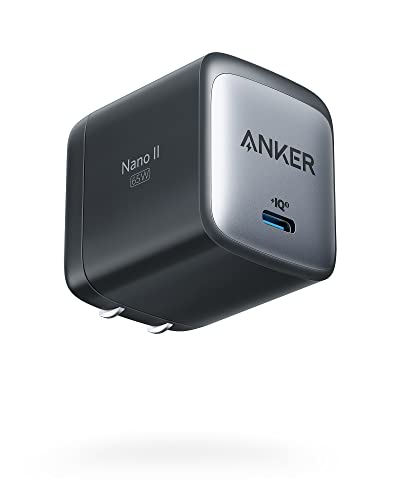
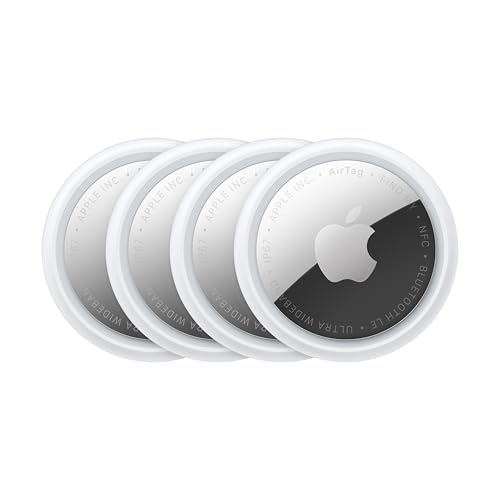
Whatever you decide, this is the gear we actually travel with: verified, priced, and ranked. Live price check on each.




As an Amazon Associate we may earn from qualifying purchases, at no cost to you.