Australia, Oceania & Pacific
The best time to visit Great Barrier Reef
Tropical Queensland runs on a wet season and a stinger season, and both point you to the same months.
- Best months
- Jun to Oct
- Think twice
- Feb
- Quietest
- February
- Cheapest
- February
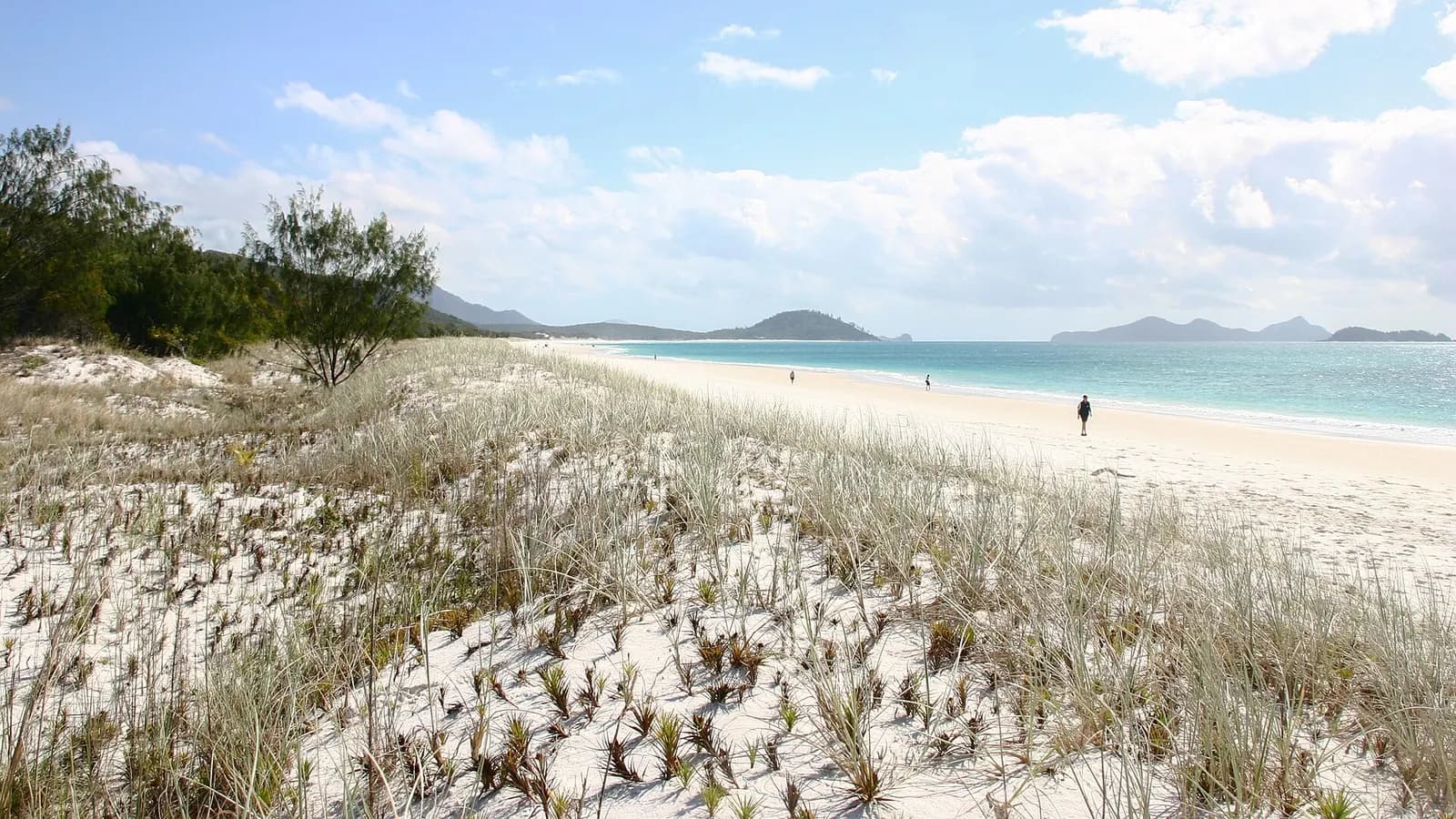
The straight answer
The best time to visit the Great Barrier Reef is June through October, the dry season, when skies are clear, humidity is low, stinger risk is lowest, and humpback whales pass through; November through May is stinger season, and December through April adds the wet season and cyclone risk.
Go June through October. This is tropical Queensland's dry season: highs near 79F (26C) in Cairns, sunny days, low humidity, calm seas more often than not, and water temperatures around 73F to 77F (23C to 25C). It is also the season of outside visitors: humpback whales migrate through the Whitsundays and southern reef roughly June to September, and dwarf minke whales appear on the Ribbon Reefs off Cairns and Port Douglas around June and July. Late August through October is the sweet spot, with warming water, fewer winter-escape crowds, and often the best visibility of the year.
Stinger season is the reef's biggest timing variable. Roughly November through May, dangerous box jellyfish and tiny Irukandji jellyfish can be present in the coastal waters of tropical Queensland, and the season can start as early as October. Reef trips operate normally year-round, and operators provide full-body stinger suits, which you should wear; beaches in this season have stinger nets. The risk is generally lower on the outer reef than near the coast, but it is not zero.
December through April is also the wet season, with heavy rain, humidity, highs near 88F (31C), and cyclone season, officially November to April. Cyclones can close reef trips and damage infrastructure when they hit. The upside of summer is the warmest water of the year, around 84F (29C), turtle nesting and hatching near Bundaberg, and coral spawning a few nights after the full moon in late spring, typically October to December depending on the reef.
Great Barrier Reef, month by month
Every month gets a verdict. Tap one for its own page: weather, crowds, prices and what is on.
- 01JanuaryTradeoffsHot, humid, wet, highs near 88F (31C)Peak wet season and stinger season, with cyclone risk. Warmest water of the year; Australian school holidays keep it busy.CrowdsPrice
- 02FebruaryThink twiceHot and very wet, highs near 88F (31C)Typically the wettest month in Cairns, with the highest cyclone risk and poorest visibility from runoff. Trips can be cancelled for weather.CrowdsPrice
- 03MarchTradeoffsHot, humid, highs near 86F (30C), heavy rainStill wet and in cyclone season, with stingers present. Rainforest waterfalls are at their fullest.CrowdsPrice
- 04AprilQuiet valueWarm, highs near 84F (29C), rains easingThe wet season winds down; Easter school holidays bring a busy stretch. Stinger suits still essential.CrowdsPrice
- 05MayGoodWarm and drying, highs near 82F (28C)Drier weather returns and stinger season tails off. Good value before the winter peak.Hotels for May →CrowdsPrice
- 06JuneBestDry and pleasant, highs near 79F (26C), water near 75F (24C)The dry season arrives, dwarf minke whales appear on the Ribbon Reefs, and humpbacks start their migration.Hotels for June →CrowdsPrice
- 07JulyBestDry and sunny, highs near 79F (26C), water near 73F (23C)Peak season, when southern Australians escape winter. Coolest water; a 3mm or 5mm wetsuit helps.Hotels for July →CrowdsPrice
- 08AugustBestDry, highs near 81F (27C), water near 73F (23C)Humpback whales in the Whitsundays and reliable weather. Windier days can mean choppier outer reef crossings.Hotels for August →CrowdsPrice
- 09SeptemberBestDry and warming, highs near 82F (28C), water near 77F (25C)Warming water, excellent visibility, and the last of the humpbacks. Arguably the single best month.Hotels for September →CrowdsPrice
- 10OctoberBestWarm, highs near 84F (29C), water near 79F (26C)Calm seas and warm water. Stinger season can begin late in the month; coral spawning may occur on some inshore reefs.Hotels for October →CrowdsPrice
- 11NovemberGoodHot, highs near 86F (30C), humidity buildingWarm water and clear conditions before the wet season, but stinger season is under way. Coral spawning is possible around the full moon.Hotels for November →CrowdsPrice
- 12DecemberTradeoffsHot and humid, highs near 88F (31C), wet season startingThe wet season and cyclone season begin, stingers are present, and the Christmas holidays drive up prices.CrowdsPrice
Book Great Barrier Reef for June.
Sponsored links to Expedia and Vrbo. We may earn a commission; it never changes a verdict.
- Hotels for June
Hotels. Expedia
Hotels in Great Barrier ReefOpens a hotel search for Great Barrier Reef in June, dates filled in. Book early for the best months: the good rooms go first.
- Rentals on Vrbo
Vacation rentals. Vrbo
Vacation rentals in Great Barrier ReefWhole homes, condos and villas. Usually the better deal for families and groups, with a kitchen and room to spread out.
- Tours and tickets
Tours and tickets. Expedia
Tours and tickets in Great Barrier ReefTimed-entry tickets, day trips and guided tours in Great Barrier Reef for June. Popular slots sell out in the best months.
Why go to Great Barrier Reef
The largest reef system on Earth
Stretching roughly 1,400 miles (2,300 km) along Queensland's coast, the Great Barrier Reef is made up of around 3,000 individual reefs and hundreds of islands. It is a UNESCO World Heritage Site and the planet's largest living structure.
Spectacular marine life
Manta rays, sea turtles, reef sharks, giant clams, and some 1,500 fish species. Seasonal visitors include humpback and dwarf minke whales.
Rainforest meets reef
North of Cairns, the Daintree Rainforest, among the oldest tropical rainforests on Earth, runs right down to the coast, putting two World Heritage areas side by side.
The Whitsundays
Seventy-four islands, sheltered sailing waters, and Whitehaven Beach's silica sand make the Whitsundays one of the world's great sailing grounds.
Things to do, and when to do them
An outer reef day trip from Cairns or Port Douglas
The outer reef has clearer water than inshore sites. Port Douglas boats reach the Agincourt Reefs; Cairns boats cover many outer reefs. Go on a calm-forecast day.
Whitehaven Beach and Hill Inlet
Pure silica sand swirling with turquoise tidal channels. Time Hill Inlet's lookout for low tide for the famous patterns.
A liveaboard to the Ribbon Reefs and Cod Hole
Multi-day dive trips reach remote reefs few day boats visit. Dwarf minke whale encounters happen here around June and July.
Heart Reef by scenic flight
The heart-shaped reef can only be seen from the air. Seaplane and helicopter flights run from Airlie Beach and Hamilton Island.
Daintree Rainforest and Cape Tribulation
Ancient rainforest meeting the reef. Best in the dry season when roads and the Daintree River ferry run smoothly.
Lady Elliot Island
A small coral cay at the southern tip of the reef, renowned for manta rays and turtles, reachable by light aircraft.
Mon Repos turtle rookery
Near Bundaberg, one of the most important loggerhead turtle nesting sites in the South Pacific. Nesting runs roughly November to January and hatching roughly January to March.
Events and seasons worth planning around
Humpback whale migration
Roughly June to September, sometimes into October
Humpbacks migrate north from Antarctica to calve in the warm waters of the Whitsundays and the southern reef.
Dwarf minke whale season
Roughly June and July
The Ribbon Reefs north of Cairns host one of the only known predictable dwarf minke whale encounters in the world, on permitted liveaboard trips.
Coral spawning
A few nights after the full moon, roughly October to December, varying by reef
Mass coral spawning releases clouds of eggs and sperm into the water. Timing depends on water temperature and moon phase, so it cannot be promised in advance.
Stinger season
Roughly November to May, sometimes starting in October
Box jellyfish and Irukandji can be present. Wear the stinger suits operators provide and swim at netted beaches on the coast.
Turtle nesting and hatching at Mon Repos
Nesting roughly November to January; hatching roughly January to March
Ranger-guided evening tours let visitors watch loggerhead turtles nest and hatchlings head to the sea. Book ahead.
Beat the crowds
- Choose September or October over July: dry-season conditions, warmer water, and fewer southern Australians on their winter escape.
- Book smaller-capacity boats or a liveaboard; the biggest pontoon trips carry hundreds of passengers to the same sites.
- Stay in Port Douglas rather than Cairns if you want a quieter base with quicker access to the Agincourt and Low Isles reefs.
- Avoid the Easter, late June to mid July, late September, and Christmas to January school holiday periods when Australian families fill resorts.
Open or closed
- Reef trips operate year-round, but cyclones and strong winds can cancel departures on short notice, especially from December to April.
- In stinger season, coastal beaches in tropical Queensland rely on stinger nets for swimming; some nets are removed in heavy weather.
- The Daintree region's roads and river crossings can be affected by flooding in the wet season.
- Reef tours include the Environmental Management Charge (the reef tax), which funds reef management; it is collected by operators.
With kids in tow
- Pontoon trips with shallow snorkel platforms, glass-bottom boats, and semi-submersibles let non-swimmers and small kids see the reef without diving.
- Low Isles and Green Island offer calm, shallow water close to Cairns and Port Douglas, ideal for younger children.
- Stinger suits come in kids' sizes and are standard on reef trips; make them non-negotiable from November to May.
- For homeschool families, the reef is a living lesson in marine biology and climate: coral bleaching, spawning, and reef conservation are all explained on many tours.
Getting there
- Cairns (CNS) is the main gateway for the northern reef, with domestic flights from Sydney, Melbourne, and Brisbane. Proserpine (PPP) and Hamilton Island (HTI) serve the Whitsundays.
- From the US, fly to Sydney, Brisbane, or Melbourne, with nonstops from Los Angeles, San Francisco, Dallas, and Houston on various carriers, then connect to Cairns or the Whitsundays.
- From Cairns, Port Douglas is about an hour's drive north. Day-trip boats to the outer reef take about 90 minutes to two hours each way.
Packing? Packing cubes and the airport kit.
Great Barrier Reef timing, quick answers
What is the best month to visit the Great Barrier Reef?
September. Dry weather, warming water, excellent visibility, lower stinger risk, and the last of the humpback whales. June to August and October are also excellent.
When is stinger season on the Great Barrier Reef?
Roughly November to May, sometimes starting in October. Box jellyfish and Irukandji can be present in coastal tropical Queensland waters. Reef trips run year-round; wear the stinger suit your operator provides.
When is cyclone season in Queensland?
Officially November to April, with the highest risk from about January to March. Cyclones do not hit every year, but when they do, reef trips and flights can be cancelled.
What is the cheapest time to visit the Great Barrier Reef?
February and March, in the wet season, often have the lowest prices, but come with rain, humidity, stingers, and cyclone risk. May and late October are better-value compromises.
What is the water temperature on the Great Barrier Reef?
Around 73F (23C) in July, the coolest month, and around 84F (29C) in January and February, the warmest. A wetsuit is comfortable in winter.
When can you see whales on the Great Barrier Reef?
Humpback whales pass through roughly June to September, especially in the Whitsundays. Dwarf minke whales are seen on the Ribbon Reefs north of Cairns around June and July.
Weighing alternatives
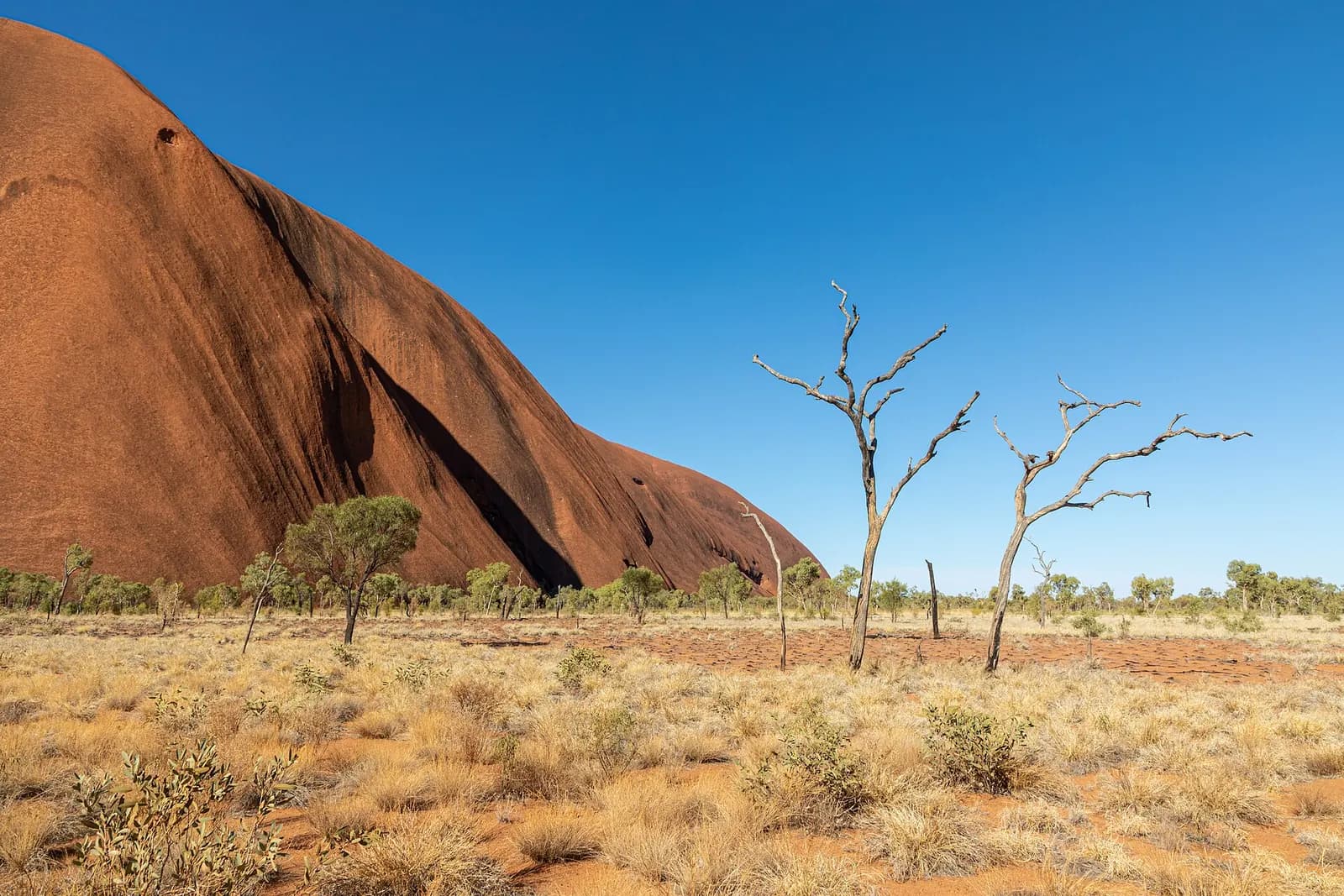
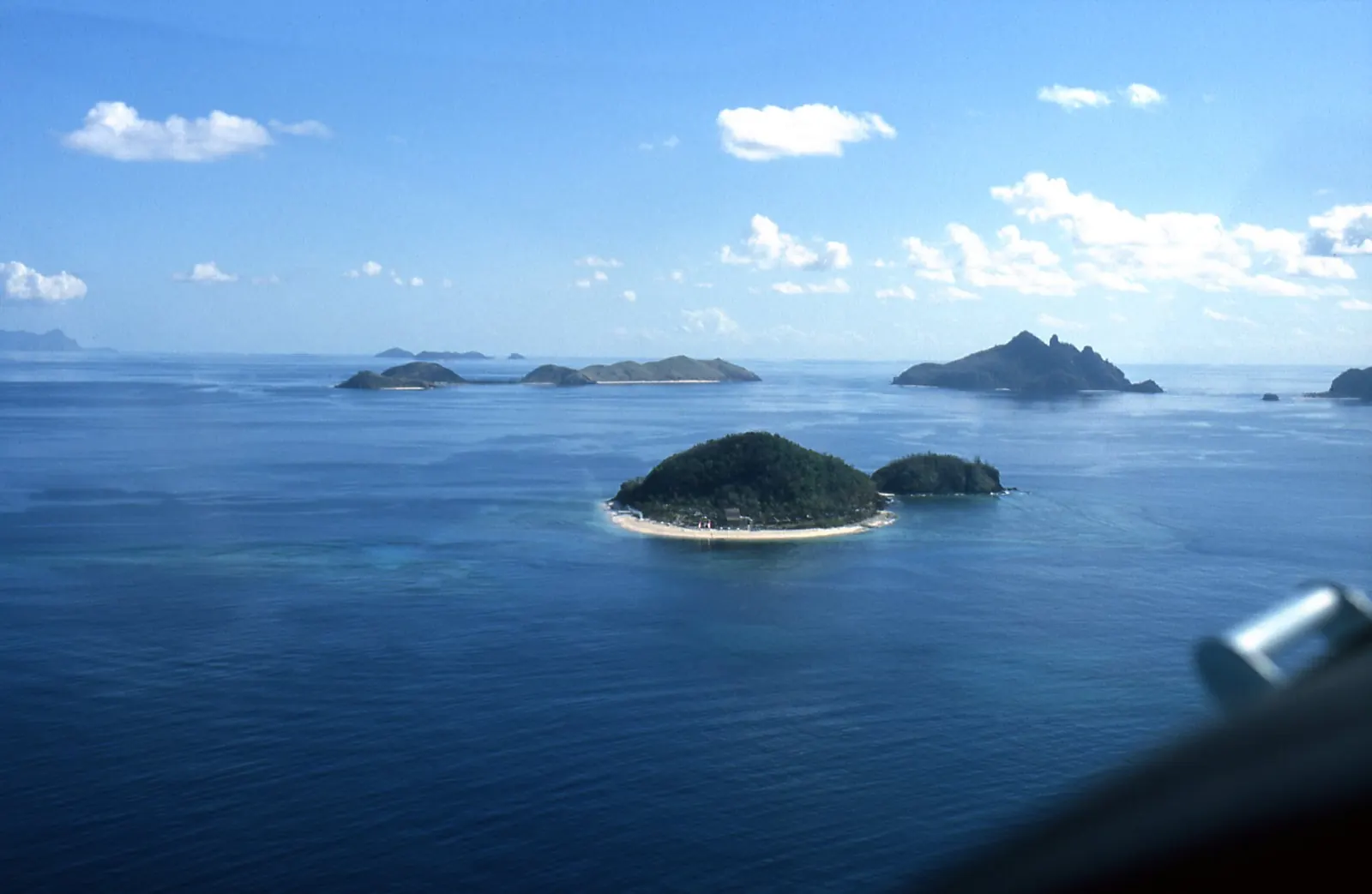
Similar trips, with their best months.


Before you book.
Sort these two things first.
Sponsored links. We may earn a commission; it never changes a verdict.
- Visit Faye
Travel insurance.
FayeA missed connection, a bag that never turns up, a hospital abroad: far cheaper to cover before departure than to argue about after.
- Visit Saily
eSIM data.
SailySet up an eSIM before you fly so your phone has data the moment you land, without roaming charges.
Our top-rated travel gear
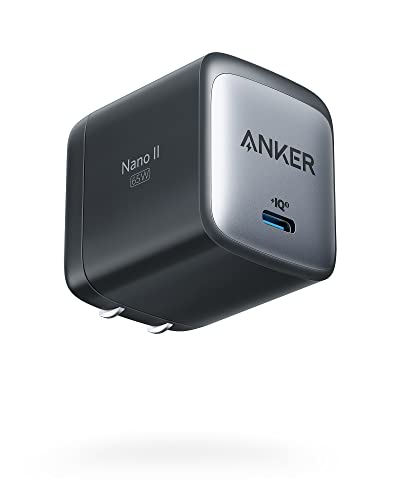
Whatever you decide, this is the gear we actually travel with: verified, priced, and ranked. Live price check on each.



As an Amazon Associate we may earn from qualifying purchases, at no cost to you.