14 places, each with its window to go.
Whale Watching by Month: Where the Whales Are, All Year
Whales keep a tighter schedule than airlines. Here is where to meet them, month by month.
The straight answer
For whales, go to Maui or the Baja lagoons from January to March, Juneau or Iceland from June to August, and Hervey Bay, Tonga, or Hermanus from August to October: somewhere, whales are gathering every month of the year.
Great whales migrate on calendars that have barely shifted in centuries. Humpbacks spend the northern winter breeding in warm, shallow water off Hawaii and the Dominican Republic, then head to cold feeding grounds in Alaska and Iceland for summer. Southern Hemisphere humpbacks and right whales run the same loop in reverse, which is why August to October is prime time in Australia, Tonga, and South Africa.
That means there is no bad month for whale watching, only wrong places for the month. Book Maui in July and you will see empty water. Book Hermanus in July and you are early, but the southern right whales are already arriving in Walker Bay. The list below is ordered roughly through the calendar so you can find the right sea for your dates.
One rule applies everywhere: choose operators that follow local approach guidelines and keep boat numbers down. The best encounters happen when the boat stops and the whale decides to come closer, not the other way around.
01Humpback season on Maui
Maui, Hawaii
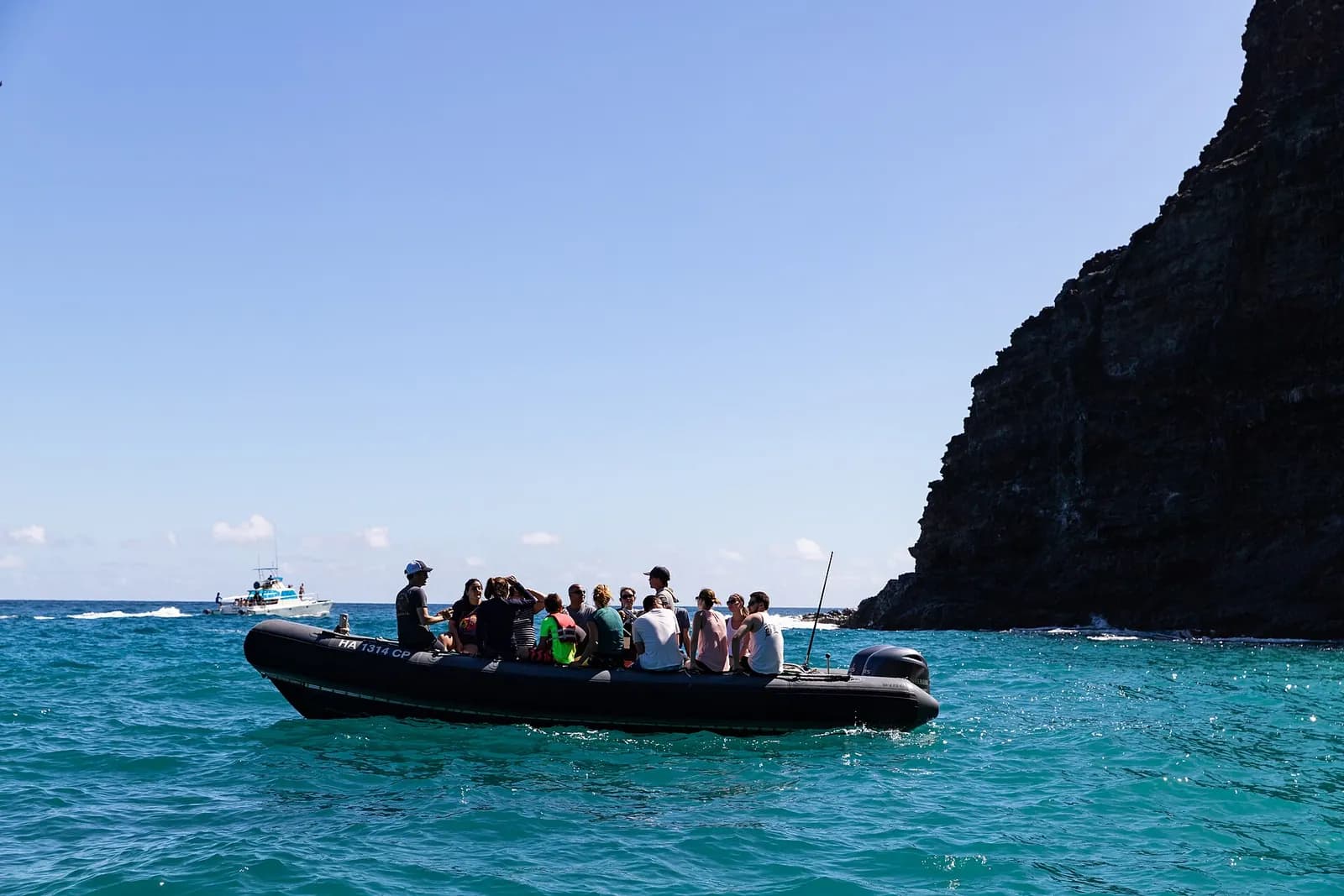
Thousands of North Pacific humpbacks winter in the shallow channel between Maui, Lanai, and Molokai, protected as the Hawaiian Islands Humpback Whale National Marine Sanctuary. Breaching and singing males are common enough that you often see spouts from the shore at Kihei or Kaanapali without a boat.
Gray whale lagoons of Baja
Laguna San Ignacio and Magdalena Bay, Baja California Sur, Mexico
Eastern Pacific gray whales swim down from the Arctic to calve in a handful of Baja lagoons, and at San Ignacio some mothers push their calves right up to the small pangas to be touched. It is the only whale encounter on this list where the whale routinely makes contact with you.
Samana Bay and the Silver Bank
Samana Peninsula, Dominican Republic
North Atlantic humpbacks gather to breed in Samana Bay and on the offshore Silver Bank, a protected marine mammal sanctuary. Day boats leave from Samana town, and permitted liveaboards on the Silver Bank offer supervised in-water encounters, one of the few places in the Atlantic that allows it.
 04
04Blue whales off Mirissa
Southern coast, Sri Lanka
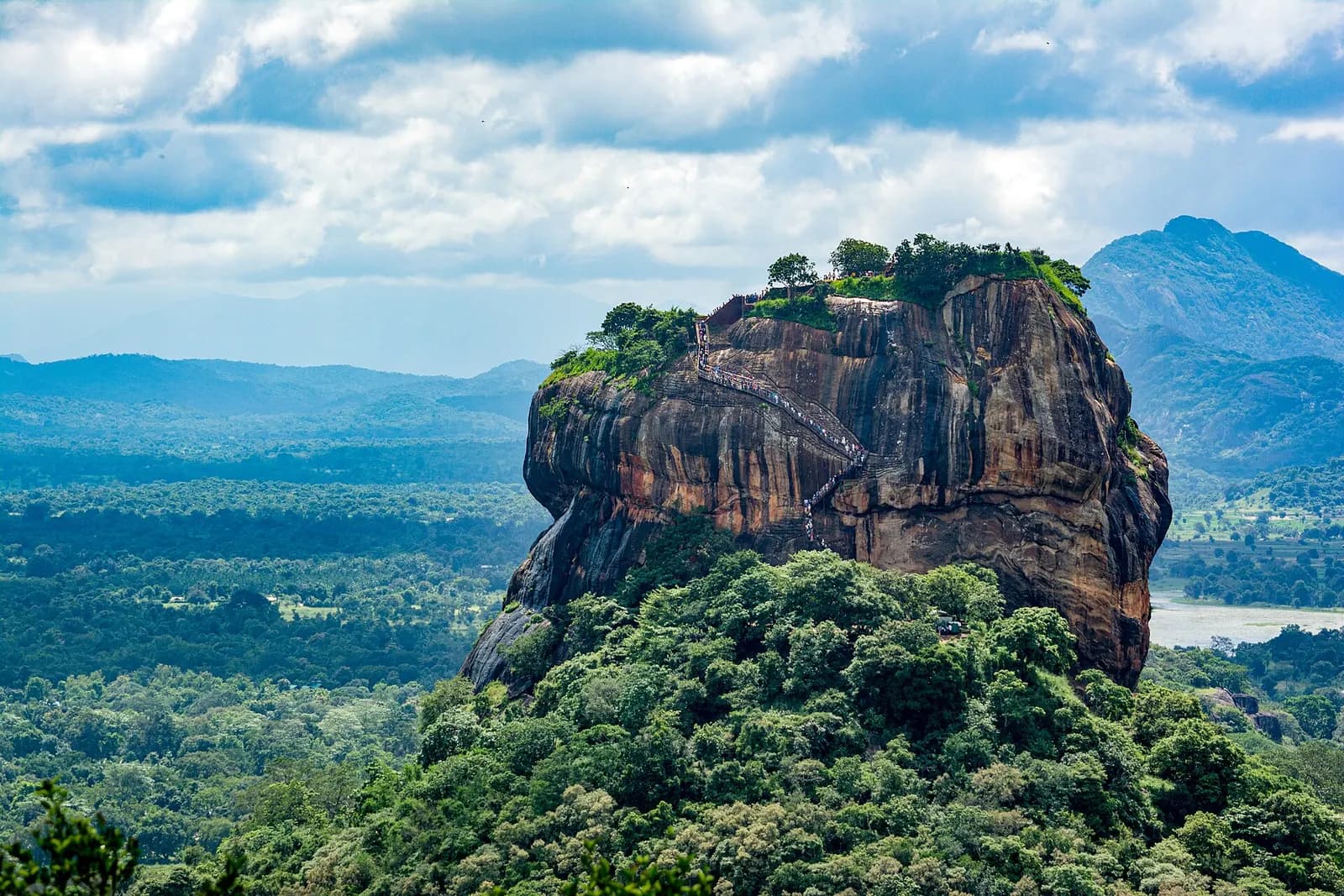
The continental shelf drops away close to Sri Lanka's southern tip, so blue whales, the largest animals that have ever lived, feed within a short boat ride of Mirissa harbor. Boat crowding has been a real problem here, so pick an operator that limits approach distance and group size.
 05
05Sperm whales and spring migrants in the Azores
Pico and Faial, Azores, Portugal
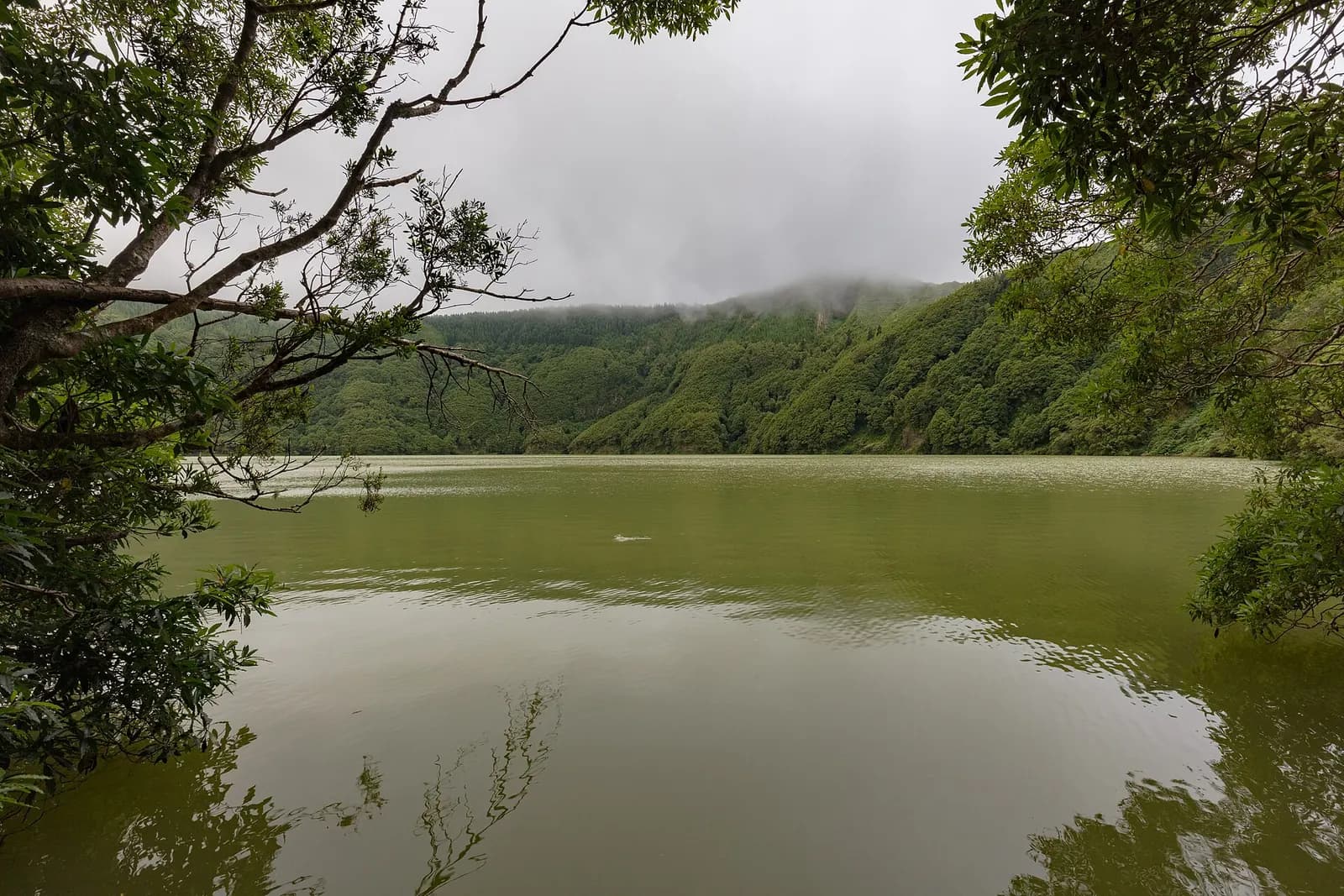
Sperm whales live around the Azores all year, and the old whaling lookouts, the vigias on the cliffs, now radio whale positions to tour boats instead of harpoon crews. In spring, blue, fin, and sei whales pass through on migration, which is why April and May are the jackpot months.
Monterey Bay
Monterey, California
The Monterey Submarine Canyon, about as deep as the Grand Canyon, brings deep-water feeding within a few miles of the harbor. Humpbacks feed here from spring through fall, blue whales often show in late summer, and gray whales pass on migration in winter, so there is something in the bay in almost any month.
 07
07Bubble-net feeding near Juneau
Juneau, Southeast Alaska
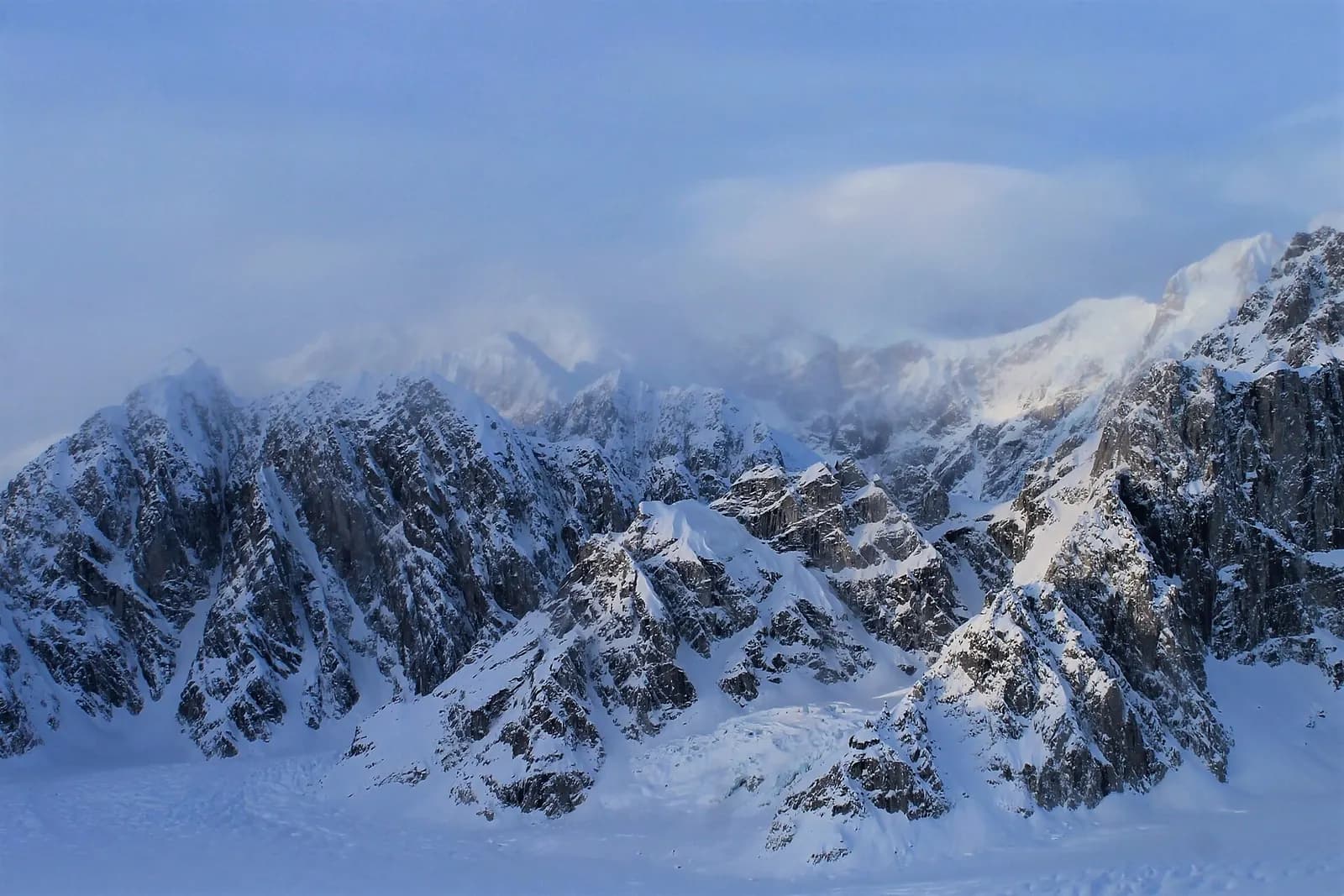
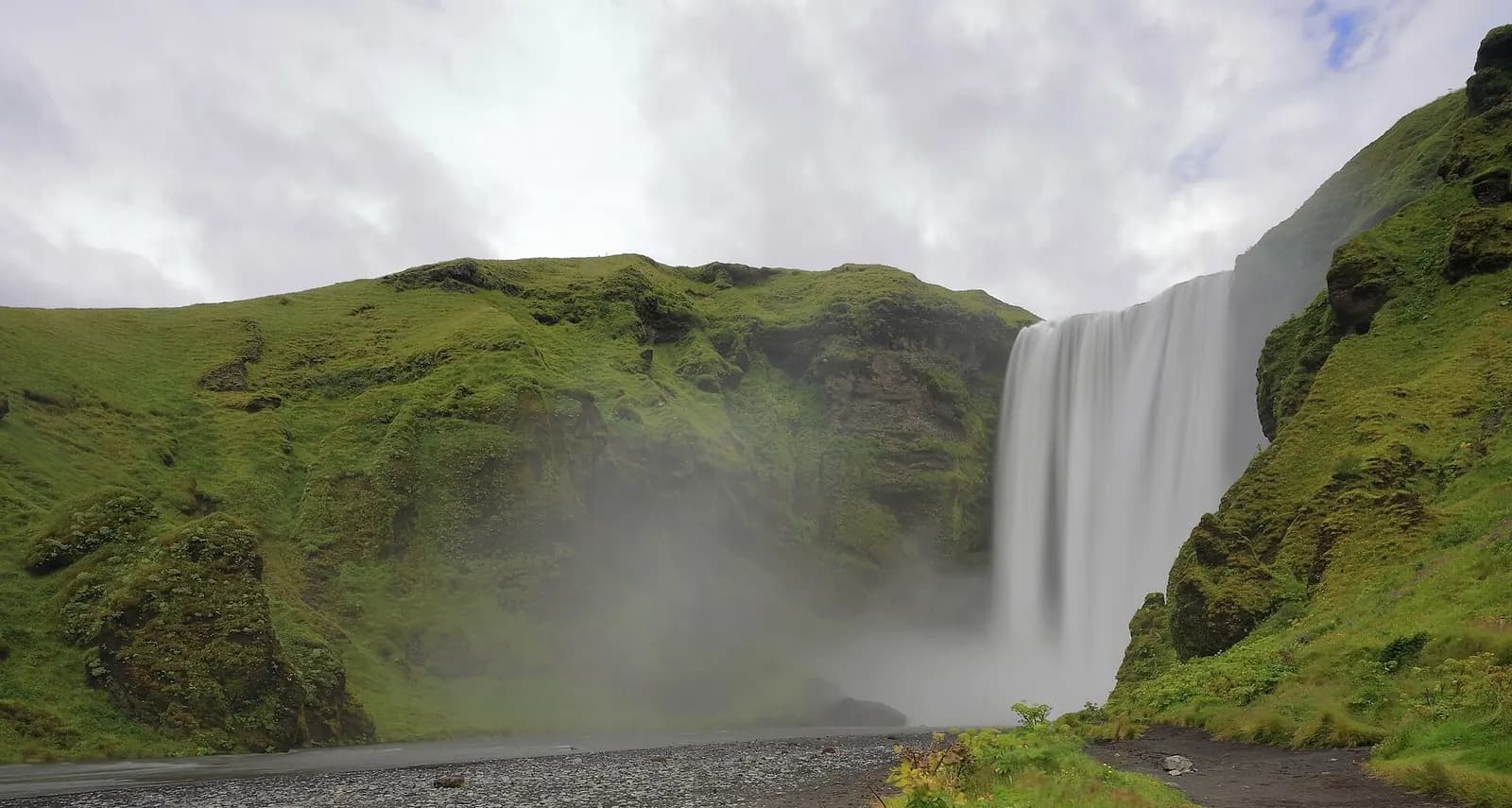
Humpbacks that wintered in Hawaii spend summer gorging in the Inside Passage, and around Juneau some groups hunt cooperatively by blowing rings of bubbles to trap herring before surging up through the middle. Half-day tours from Auke Bay have very high sighting rates in season.
 08
08Husavik
Skjalfandi Bay, North Iceland
This small fishing town on Iceland's north coast built its identity around whale watching, with humpbacks and minkes feeding in the bay through summer and occasional blue whales in early summer. Under the midnight sun of June you can take a late sailing in full daylight.
 09
09Tadoussac
Saguenay fjord mouth, Quebec, Canada
Where the Saguenay fjord meets the St. Lawrence, cold upwelling feeds minke, fin, humpback, and sometimes blue whales, while endangered St. Lawrence belugas live in the estuary year-round. You can watch from shore at Pointe-de-l'Islet or take a zodiac out of the village.
Hervey Bay
Fraser Coast, Queensland, Australia
East Australian humpbacks heading south rest with their calves in the calm, shallow water sheltered by K'gari (Fraser Island), and they often spend long stretches circling boats instead of passing through. Hervey Bay was named the world's first Whale Heritage Site in 2019.
Swimming with humpbacks in Vava'u
Vava'u, Tonga
Tonga is one of very few countries where licensed operators can put swimmers in the water with humpback mothers and calves, under strict group-size rules. The sheltered Vava'u island group has calm, clear water and whales close in during the southern winter.
 12
12Southern right whales at Hermanus
Walker Bay, Western Cape, South Africa
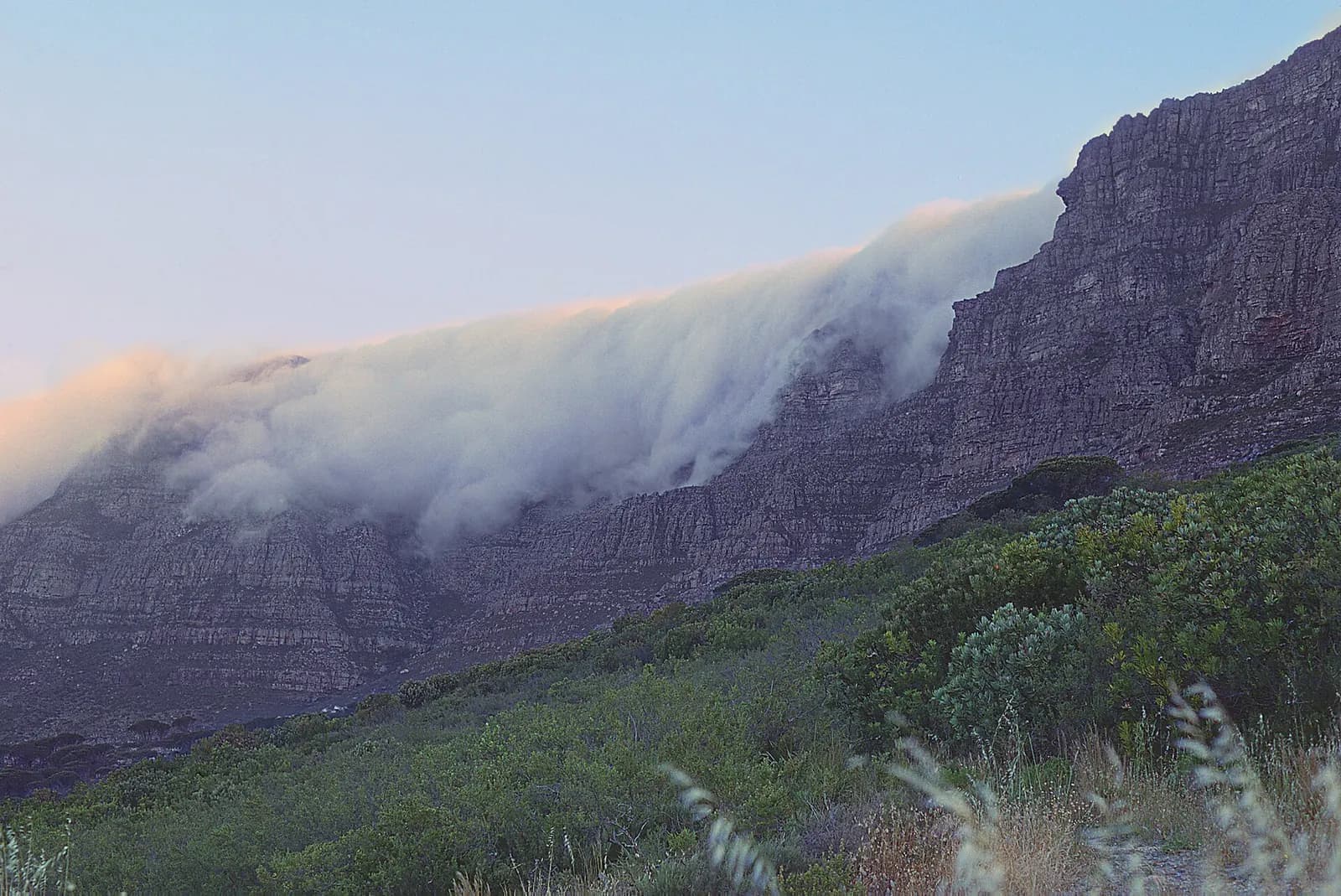
Southern right whales come into Walker Bay to calve and court, often just meters from the cliff path that runs through town, so this is some of the best land-based whale watching anywhere. The town celebrates with the Hermanus Whale Festival around late September.
Orcas in the Arctic winter
Fjords north of Tromso, Norway
Orcas and humpbacks follow the herring into the fjords of northern Norway in early winter, in recent years mostly around Skjervoy and Kvaenangen north of Tromso. You watch them in the blue twilight of the polar night, and the same trip doubles as an aurora hunt.
 14
14Kaikoura
Kaikoura, South Island, New Zealand
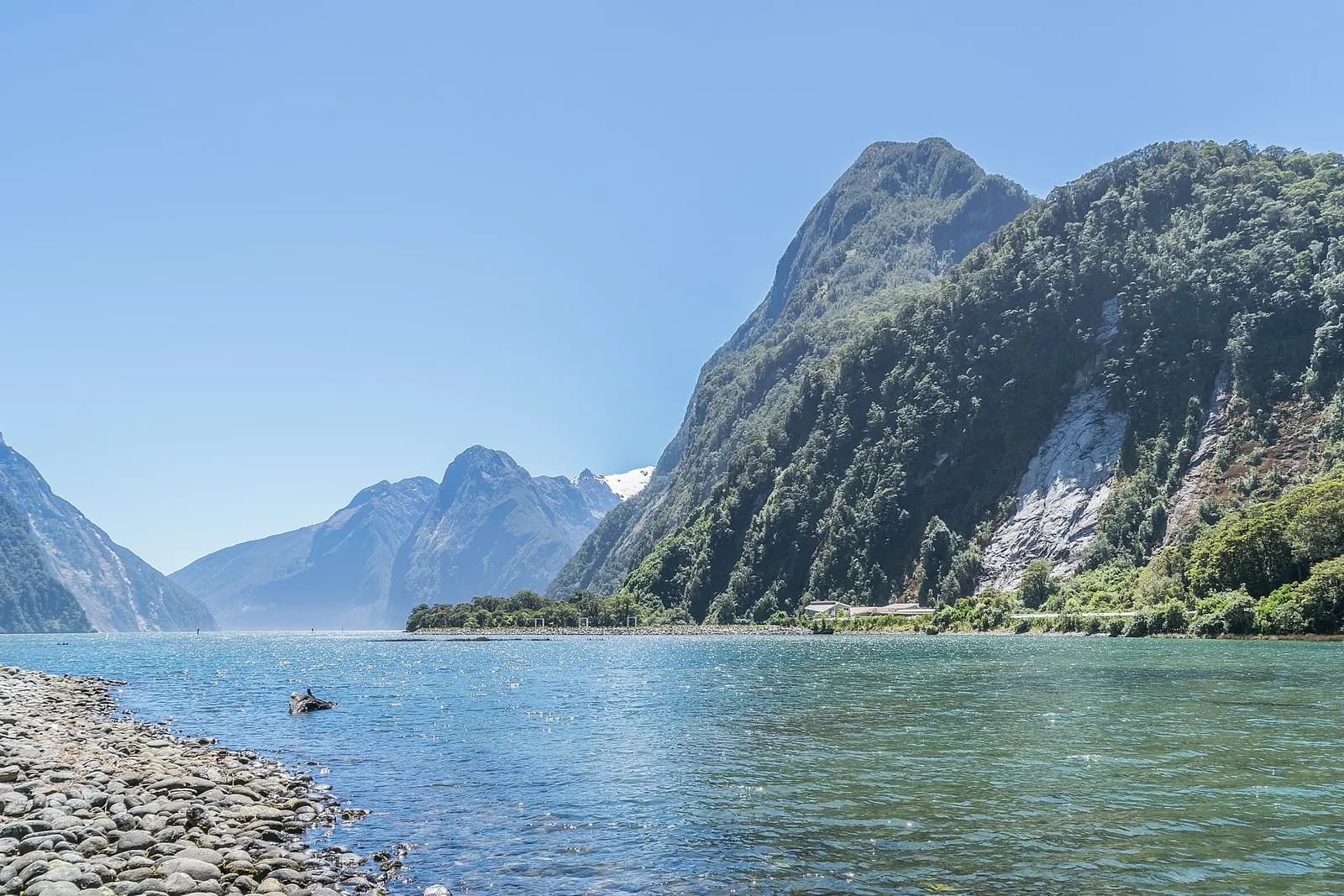
A deep undersea canyon comes within a few kilometers of shore here, and sperm whales feed in it year-round, which makes Kaikoura one of the most reliable sperm whale sites on Earth. Humpbacks add to the count on their winter migration, and dusky dolphins run in big pods most of the year.
Quick answers
What is the best month for whale watching?
There is no single best month because the Northern and Southern Hemispheres run opposite calendars. February is outstanding in Maui, Baja, and the Dominican Republic; July is peak in Alaska and Iceland; September is peak in Hervey Bay, Tonga, and Hermanus. Pick your dates, then pick the ocean.
Where can I see blue whales?
The most reliable spots are southern Sri Lanka from December to April, the Azores in April and May, and Monterey Bay and the wider California coast in late summer. Sightings are never guaranteed, but those three windows give you the best odds.
Where can you swim with whales legally?
Tonga is the best-known option, with licensed operators and strict limits during the July to October season. The Silver Bank off the Dominican Republic allows supervised in-water encounters from permitted liveaboards in winter. In most other places, including Hawaii, approaching whales in the water is prohibited.
Can I see whales without getting on a boat?
Yes. Hermanus in South Africa, Tadoussac in Quebec, and the west and south shores of Maui all offer strong land-based viewing in season. Bring binoculars and look for spouts on calm mornings when the wind is low.
More lists
Before you book.
Sort these two things first.
Sponsored links. We may earn a commission; it never changes a verdict.
- Visit Faye
Travel insurance.
FayeA missed connection, a bag that never turns up, a hospital abroad: far cheaper to cover before departure than to argue about after.
- Visit Saily
eSIM data.
SailySet up an eSIM before you fly so your phone has data the moment you land, without roaming charges.
Our top-rated travel gear
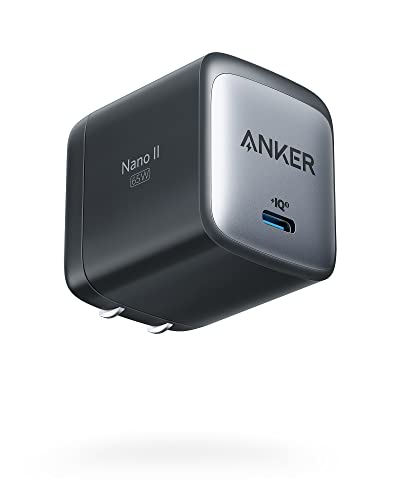
Whatever you decide, this is the gear we actually travel with: verified, priced, and ranked. Live price check on each.





As an Amazon Associate we may earn from qualifying purchases, at no cost to you.