13 places, each with its window to go.
Safari Timing Guide: When to Go, Park by Park
Dry season concentrates the animals. The exceptions are where the best safaris get planned.
The straight answer
The best time for an African safari is the dry season, June to October, in Kenya, Tanzania, Botswana, Zambia, Zimbabwe, Namibia, and South Africa, with January to March the exception for the Serengeti calving season and Botswana's green Kalahari.
The basic rule of African safari timing is simple: go in the dry season. From about June to October across most of East and Southern Africa, the bush thins out, water shrinks to a few rivers and waterholes, and animals have to come to them. Game viewing is easier, roads are passable, and malaria risk drops.
But the rule has important exceptions. The Serengeti's calving season peaks in the green months of January to March, when hundreds of thousands of wildebeest are born and predators gather. Botswana's Okavango Delta floods in the middle of the dry season, because the water arrives months after falling as rain in the Angolan highlands. And the Kalahari comes alive in the rains.
Price follows the same calendar. July to October is peak season, with the highest camp rates and the need to book early. The green season, roughly November to May depending on the park, brings lower rates, newborn animals, dramatic skies, and fewer vehicles at every sighting, in exchange for some rain and thicker bush.
01Serengeti calving season
Ndutu and the southern Serengeti, Tanzania
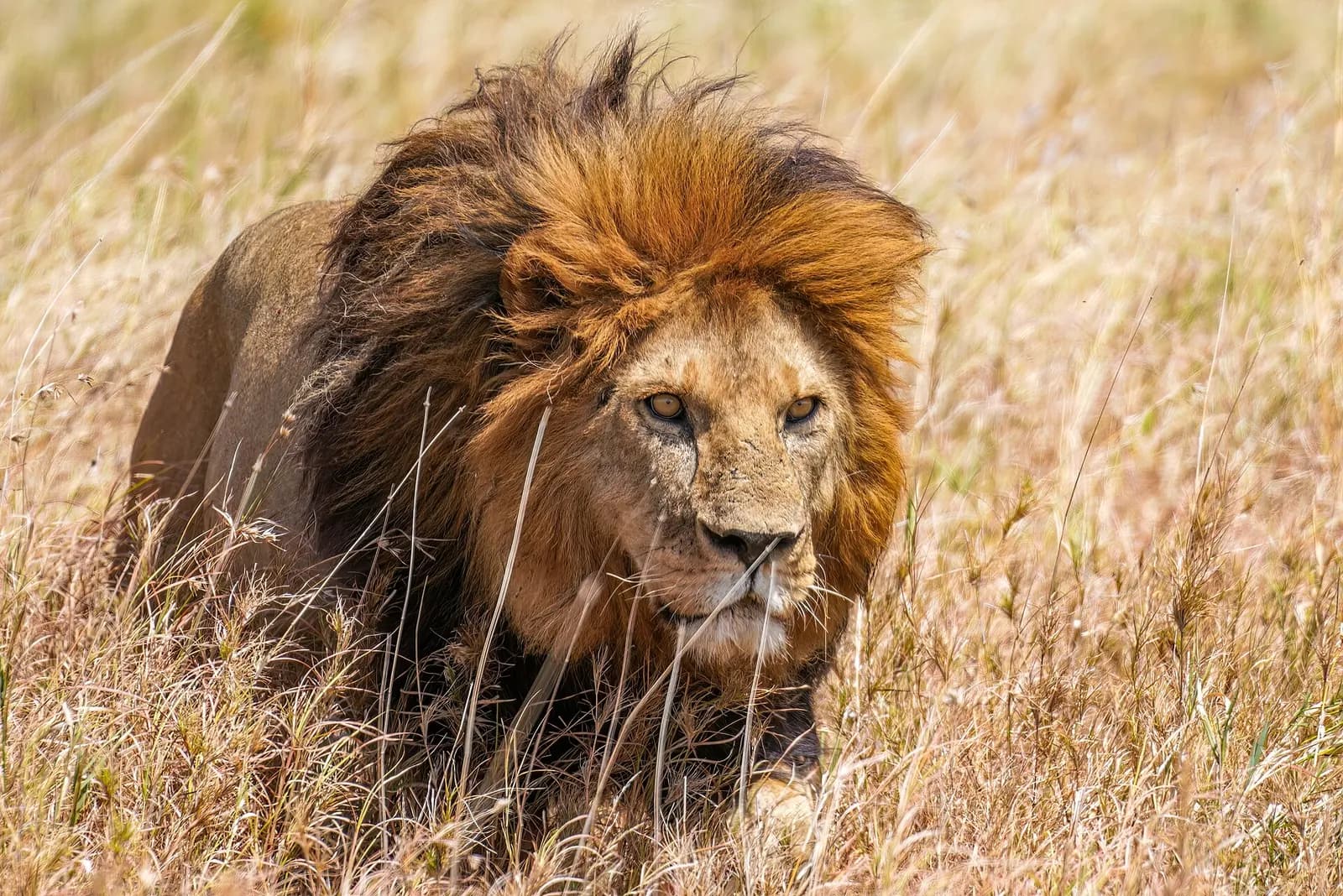
The wildebeest herds settle on the short-grass plains of the southern Serengeti and Ngorongoro Conservation Area to give birth, with calving usually peaking in February. Lions, cheetahs, and hyenas follow the herds, which makes this the best predator action of the year.
02Mara River crossings
Maasai Mara, Kenya, and the northern Serengeti, Tanzania
The famous river crossings, where the herds pour down the banks of the Mara River past waiting crocodiles, happen as the migration moves between Tanzania and Kenya. Exact timing shifts with the rains, so aim for the core of the window and allow several days.
03Amboseli
Southern Kenya
Big-tusked elephant herds walking across open plains with Kilimanjaro rising behind them, the classic African postcard. The mountain is clearest early in the morning, and the two dry seasons give the best visibility and game viewing.
 04
04Ruaha National Park
Central Tanzania
One of Tanzania's largest parks and far less visited than the northern circuit, with big lion prides, wild dogs, and huge elephant herds concentrating along the Great Ruaha River as the land dries. Late dry season is when the predator action peaks.
Gorilla trekking in Bwindi
Bwindi Impenetrable National Park, Uganda
Around half the world's remaining mountain gorillas live in Bwindi, with the rest in the nearby Virunga volcanoes, and a permit gets you one hour with a habituated family. The drier months make the steep, muddy trails much more manageable; permits sell out early in both dry seasons.
 06
06Volcanoes National Park
Musanze, Rwanda
Gorilla trekking on the bamboo-covered slopes of the Virunga volcanoes, about two to three hours by road from Kigali, and the base for Dian Fossey's research. Permits are among the most expensive wildlife experiences anywhere, and the same dry-season logic applies as in Bwindi.
 07
07Okavango Delta
Northern Botswana
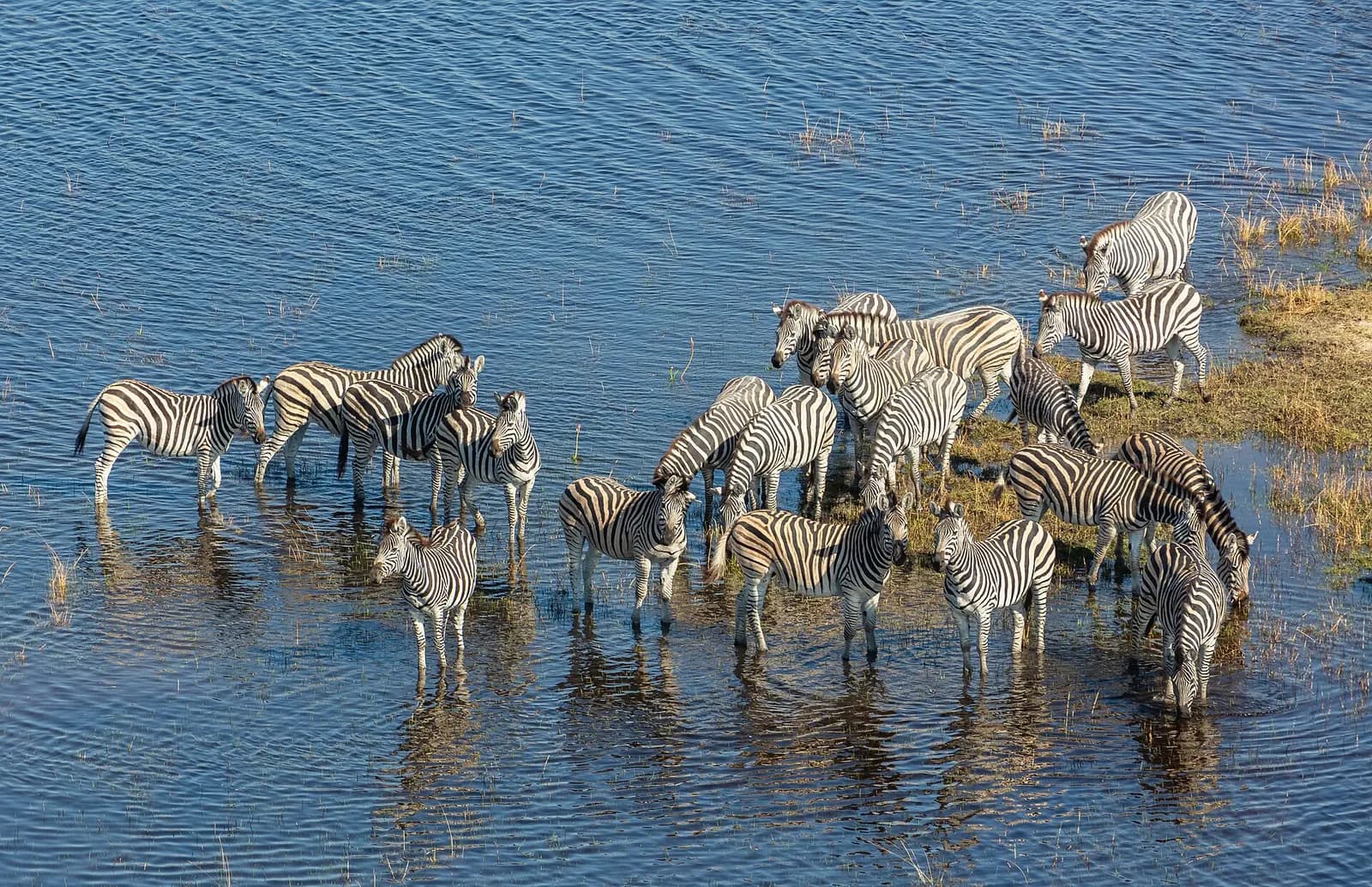
Rain that falls in Angola months earlier arrives as a flood that peaks in the middle of the dry season, so the delta is fullest exactly when the surrounding land is driest and animals crowd onto the islands. Explore by mokoro canoe, on foot, and by vehicle from remote fly-in camps.
 08
08Chobe riverfront
Kasane, Botswana
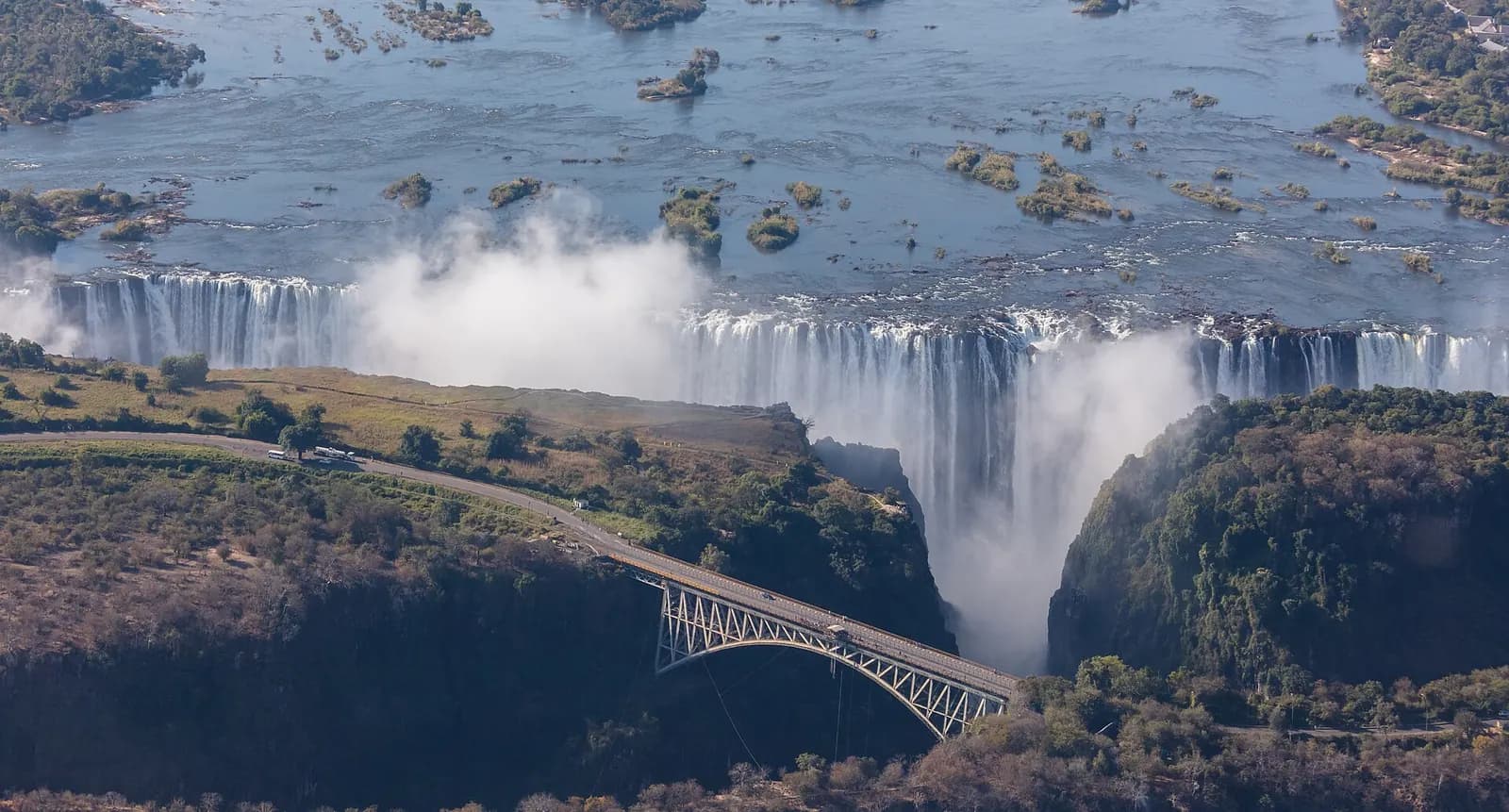
One of the largest elephant concentrations in Africa gathers along the Chobe River in the late dry season, and a sunset boat safari puts you at water level as herds swim across. It is about an hour and a half from Victoria Falls, which makes an easy combination.
Central Kalahari green season
Central Kalahari Game Reserve, Botswana
The exception to the dry-season rule: summer rains turn the ancient riverbeds of Deception Valley green, and springbok, gemsbok, and wildebeest gather on the pans, followed by black-maned Kalahari lions and cheetahs. It is remote, uncrowded, and at its best when the rest of Botswana is in low season.
 10
10Hwange National Park
Western Zimbabwe
Zimbabwe's largest park, where elephants in the tens of thousands depend on pumped waterholes by the end of the dry season, and a single waterhole can hold hundreds at once. Late dry season gives the most intense viewing, and Victoria Falls is a short flight or drive away.
South Luangwa
Eastern Zambia
The birthplace of the walking safari, where you can track lions and leopards on foot with an armed scout, and one of Africa's best places to see leopards. Many camps close in the rainy season, and the late dry season, as the Luangwa River shrinks, is peak.
 12
12Kruger National Park
Northeastern South Africa
The best self-drive safari in Africa: good roads, well-run rest camps, and all of the Big Five. South Africa's dry winter thins the bush, keeps temperatures comfortable, and lowers malaria risk; the private reserves bordering Kruger add guided drives and off-road tracking.
 13
13Etosha National Park
Northern Namibia
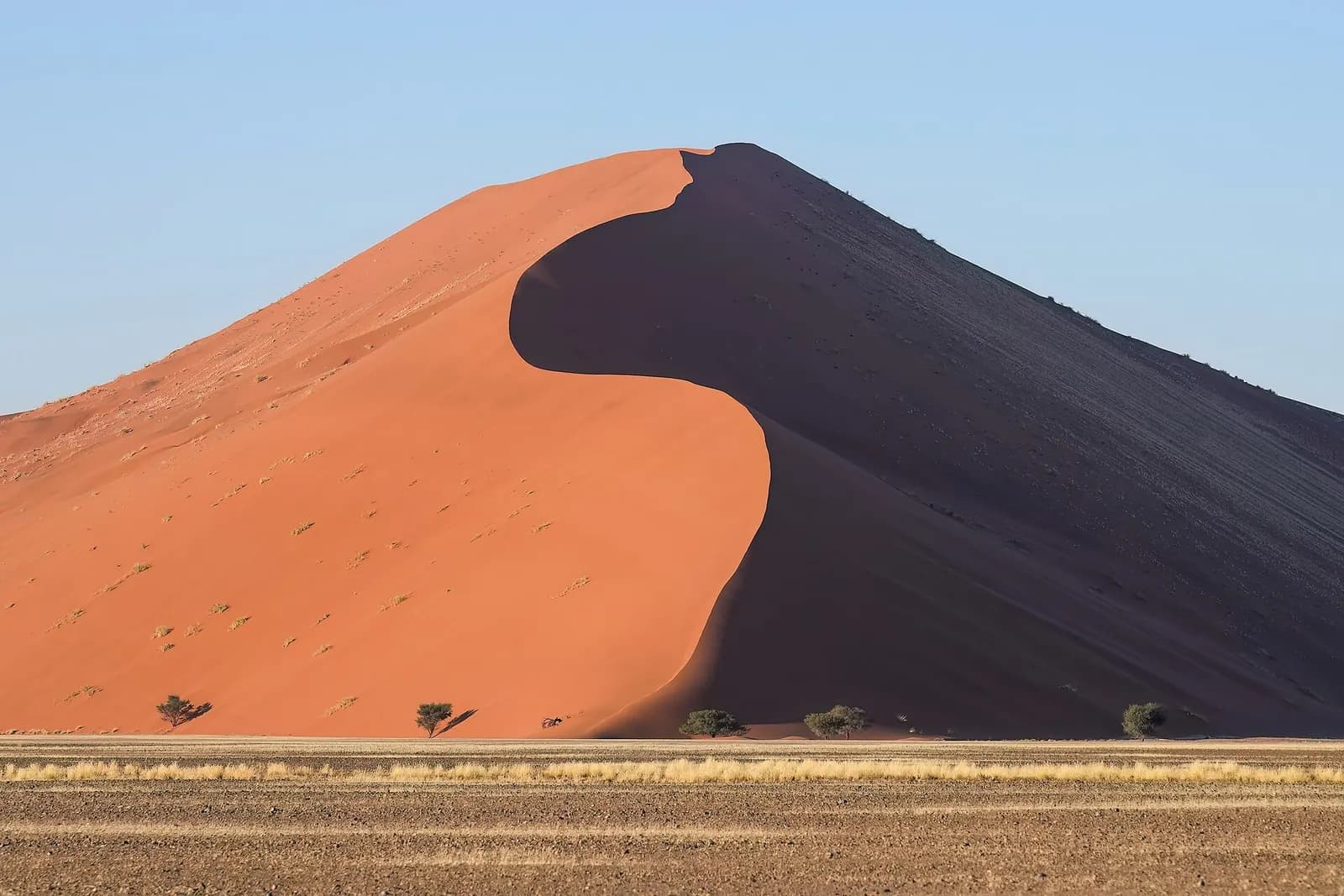
A vast salt pan ringed by waterholes, where the dry season brings a steady parade of elephants, rhinos, lions, and giraffes to drink. The floodlit waterhole at Okaukuejo camp makes for some of the best after-dark wildlife watching on the continent, and you can self-drive the whole park.
Quick answers
What is the best month for an African safari?
August and September are the best months for most of Africa's classic parks: dry, cool mornings, thin bush, and animals concentrated around water. In East Africa those months also overlap with the Mara River crossings. February is the standout alternative for the Serengeti calving.
What is the cheapest time for a safari?
The green season, roughly November to May depending on the region, brings the lowest camp rates, often much lower than peak season. April and May, the long rains in East Africa, are the cheapest but also the wettest. Botswana's shoulder months, like November and early December, are a good compromise.
When is the Great Migration?
The migration is a year-round loop, not a single event. Calving happens in the southern Serengeti from about January to March, the herds move north through the western Serengeti around May and June, and the Mara River crossings usually happen between July and October.
Is a safari good for kids?
Yes, but choose carefully. South Africa's Kruger and the malaria-free reserves of the Eastern Cape are the easiest with young children, and many camps elsewhere set minimum ages of 6 to 12 for game drives and walking safaris. Gorilla trekking requires a minimum age of 15.
More lists
Before you book.
Sort these two things first.
Sponsored links. We may earn a commission; it never changes a verdict.
- Visit Faye
Travel insurance.
FayeA missed connection, a bag that never turns up, a hospital abroad: far cheaper to cover before departure than to argue about after.
- Visit Saily
eSIM data.
SailySet up an eSIM before you fly so your phone has data the moment you land, without roaming charges.
Our top-rated travel gear
Whatever you decide, this is the gear we actually travel with: verified, priced, and ranked. Live price check on each.




As an Amazon Associate we may earn from qualifying purchases, at no cost to you.