Botswana, Africa
The best time to visit Okavango Delta
A desert flood that arrives in the dry season, and the reason Botswana's calendar runs backward.
- Best months
- Jun to Oct
- Think twice
- No month is a write-off
- Quietest
- January
- Cheapest
- February
The straight answer
The best time to visit the Okavango Delta is June through October, when the annual flood peaks in the middle of the dry season (roughly June to August), mokoro channels are full, and wildlife packs onto the islands and floodplains.
Go June through October. The Okavango is one of the few places on Earth where the high water arrives in the dry season: the rains fall months earlier in the Angolan highlands, and the floodwater takes roughly four months to seep south and spread across the Delta. It generally reaches its peak somewhere around June to August, exactly when the rest of northern Botswana is bone dry. The result is the Delta's signature trick: animals from the surrounding Kalahari converge on the water, and you can glide through papyrus channels by mokoro while elephants cross in front of you.
July through September is the classic peak: cool, clear days, the flood at or near its height, and the best general game viewing, including some of Africa's finest wild dog and lion sightings. October is the connoisseur's month: the flood recedes, the heat climbs toward 100F (38C), and wildlife is at its most concentrated. It is also exhausting in the afternoon.
November through March is the green season. Summer rains turn the Delta lush, antelope drop their young around November and December, migrant birds arrive, and camp rates fall sharply. The trade: heat and humidity, afternoon storms, lower water in the seasonal channels (so fewer mokoro options at some camps), and game that disperses into the fresh grass. A few camps close for part of this window.
Okavango Delta, month by month
Every month gets a verdict. Tap one for its own page: weather, crowds, prices and what is on.
- 01JanuaryTradeoffsHot and humid, highs near 90F (32C), afternoon thunderstormsGreen season: lush, empty, and cheap, with excellent birding and baby animals. Water levels in seasonal channels are low; game is dispersed.CrowdsPrice
- 02FebruaryTradeoffsHot, highs near 88F (31C), the rainiest stretchThe deepest discounts of the year; a handful of camps close for maintenance. Storms, bugs, and dramatic skies.CrowdsPrice
- 03MarchTradeoffsWarm, highs near 88F (31C), rains taperingRains ease and the flood pulse starts arriving in the northern Panhandle. Still green-season pricing.CrowdsPrice
- 04AprilQuiet valueWarm and drying, highs near 86F (30C), cooler nightsRains largely finished and floodwater moving south into the Delta. A good value month as camps shift into high season.CrowdsPrice
- 05MayGoodPleasant, highs near 81F (27C), nights near 50F (10C)Floodwaters spreading and rising, grass still fairly long. Shoulder pricing with nearly peak-season conditions.Hotels for May →CrowdsPrice
- 06JuneBestDry and mild, highs near 77F (25C), cold nights near 43F (6C)The flood peak arrives across much of the Delta. Mokoro season in full swing; game viewing strong and improving.Hotels for June →CrowdsPrice
- 07JulyBestDry and cool, highs near 77F (25C), frosty mornings possiblePeak flood, peak season. Water everywhere, wildlife concentrated, and the most sought-after camp dates of the year.Hotels for July →CrowdsPrice
- 08AugustBestDry and warming, highs near 84F (29C)Excellent all-round: high water in the Delta, prime predator viewing, and comfortable days. Book a year out.Hotels for August →CrowdsPrice
- 09SeptemberBestHot and dry, highs near 91F (33C)Flood starting to recede, wildlife concentrated, and superb predator action. Many regulars' favorite month.Hotels for September →CrowdsPrice
- 10OctoberGoodVery hot, highs near 97F (36C), sometimes over 100F (38C)Game viewing at its most concentrated, but midday heat is punishing. Shoulder rates at some camps.Hotels for October →CrowdsPrice
- 11NovemberQuiet valueHot, highs near 93F (34C), first rains arrivingThe first storms break the heat. Impala and tsessebe calving begins; green-season rates start at many camps.CrowdsPrice
- 12DecemberTradeoffsHot and humid, highs near 90F (32C), regular stormsLush, full of newborns and migrant birds, and good value outside the Christmas week.CrowdsPrice
Book Okavango Delta for June.
Sponsored links to Expedia and Vrbo. We may earn a commission; it never changes a verdict.
- Hotels for June
Hotels. Expedia
Hotels in Okavango DeltaOpens a hotel search for Okavango Delta in June, dates filled in. Book early for the best months: the good rooms go first.
- Rentals on Vrbo
Vacation rentals. Vrbo
Vacation rentals in Okavango DeltaWhole homes, condos and villas. Usually the better deal for families and groups, with a kitchen and room to spread out.
- Tours and tickets
Tours and tickets. Expedia
Tours and tickets in Okavango DeltaTimed-entry tickets, day trips and guided tours in Okavango Delta for June. Popular slots sell out in the best months.
Why go to Okavango Delta
A delta in a desert
The Okavango is one of the world's largest inland deltas, a UNESCO World Heritage Site where a river fans out into the Kalahari and never reaches the sea. Nothing else in Africa looks or works quite like it.
Safari by water
Gliding through papyrus and water lilies in a mokoro, the traditional dugout canoe now usually made of fiberglass, is the Delta's defining experience, and one you cannot do in most safari parks.
Low-volume, high-quality wildlife
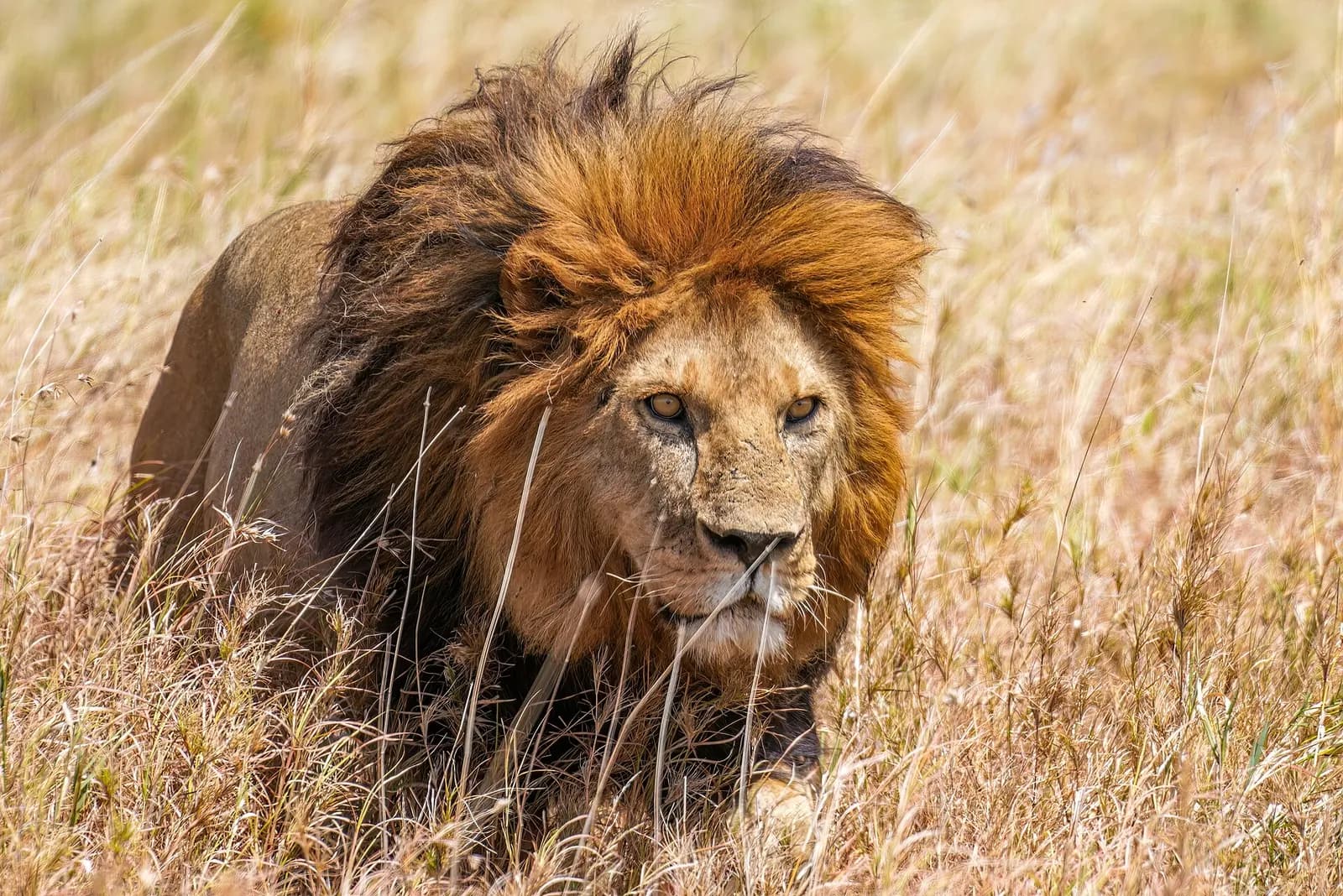
Botswana's model of small, remote camps in private concessions means few vehicles at sightings, night drives and walks in many areas, and some of Africa's best wild dog, lion, and leopard viewing.
Easy pairing with Chobe and Victoria Falls
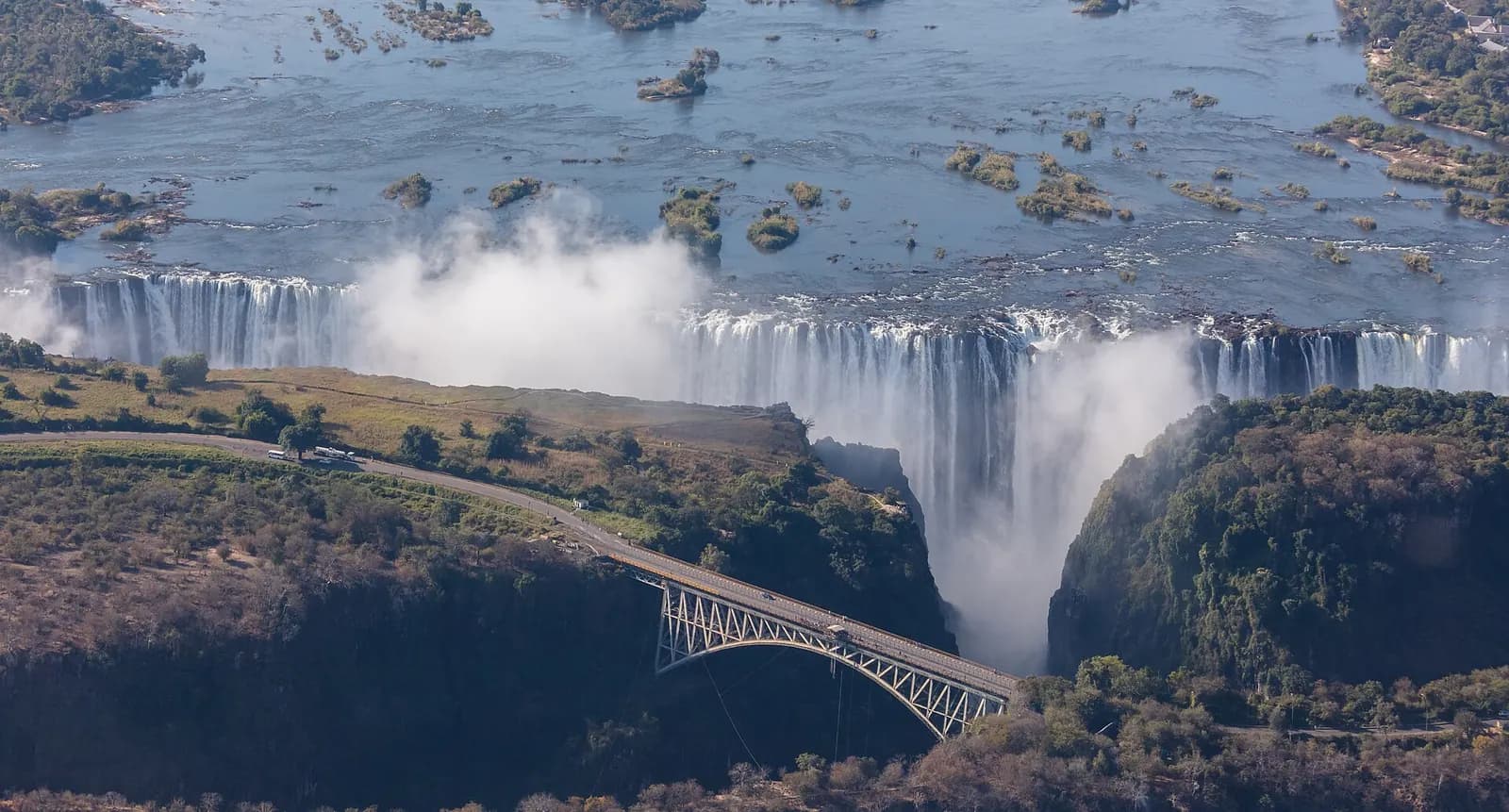
The Delta combines naturally with Chobe's elephant herds and Victoria Falls, a short flight or road transfer away through Kasane.
Things to do, and when to do them
A mokoro excursion
Poled by a local guide through the shallow channels. Best when water is high, roughly May to September; in low water, only camps on permanent channels can offer it.
Moremi Game Reserve
The protected eastern core of the Delta, reachable by road from Maun, and the most accessible way to combine water and land game drives on a self-drive or mobile safari.
A scenic flight over the Delta
Seeing the channels, islands, and elephant paths from a light aircraft or helicopter is the only way to grasp the scale. Short flights run from Maun.
A private concession camp
The fly-in camps in private concessions offer night drives, walking safaris, and far fewer vehicles than the reserve. The priciest option, and the one that shows the Delta at its best.
Chobe National Park
Famous for enormous dry-season elephant herds along the Chobe River, best from a boat at sunset. Usually combined with the Delta via Kasane.
The Makgadikgadi Pans
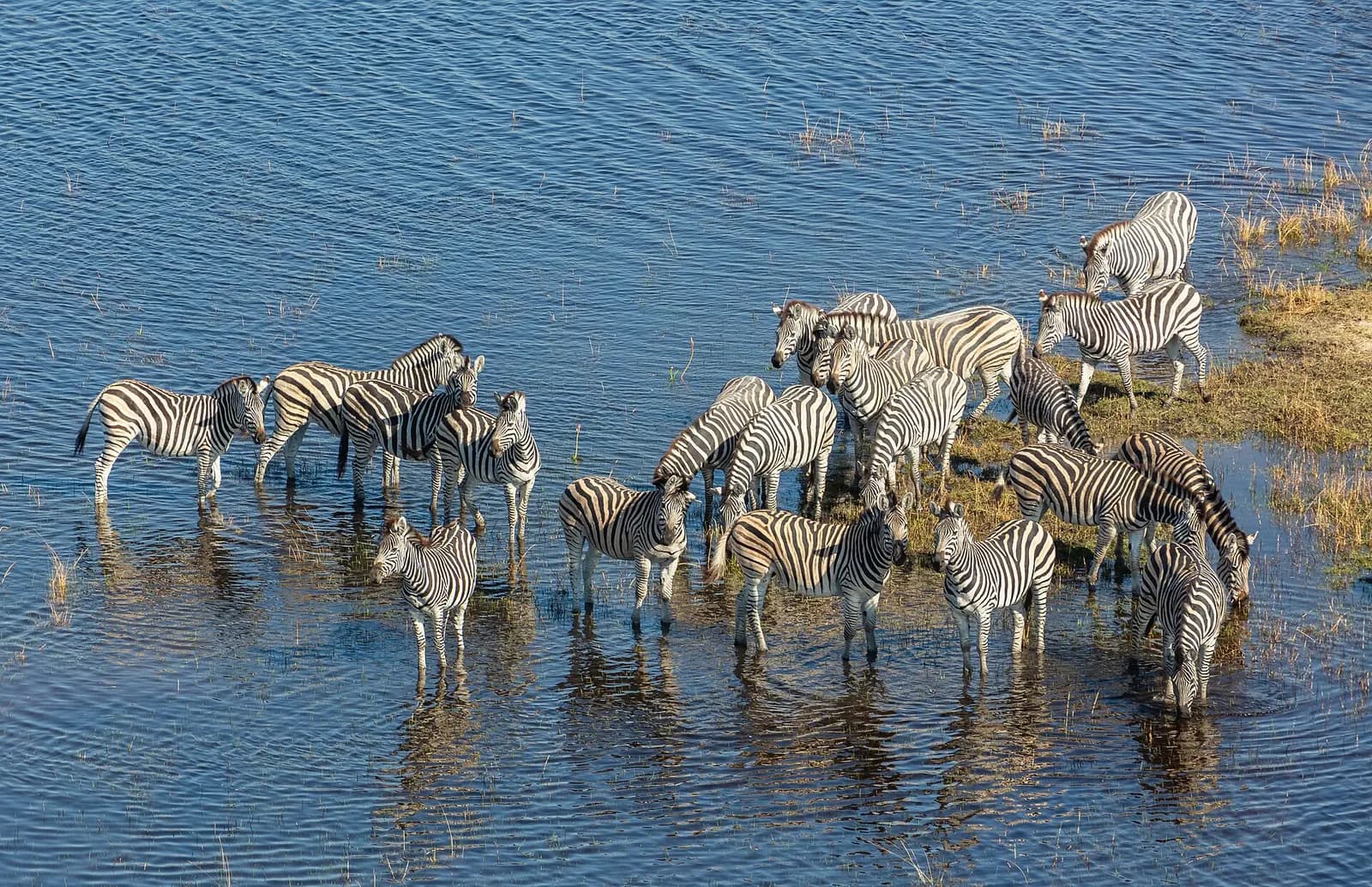
Vast salt pans south of the Delta. In the green season, zebra migrate onto the Makgadikgadi and Nxai Pan grasslands; in the dry season, meerkat and quad-bike trips on the pans.
Events and seasons worth planning around
The annual flood peak
Roughly June to August, varying with the previous summer's rains in Angola
The flood that began as rain in the Angolan highlands peaks in the Delta months later. The size varies year to year: a big flood means more water activities, a small one means drier camps.
Dry-season wildlife concentration
Roughly August through October
As the surrounding Kalahari dries out, wildlife crowds onto the floodplains and islands. The later in the season, the better the viewing and the hotter the days.
Green season calving and birding
Roughly November through March
Antelope calving around November and December, predators on the hunt, and migrant birds in full breeding color. The lowest rates of the year.
Zebra migration to the Makgadikgadi and Nxai Pan
Roughly December through March, following the rains
Thousands of zebra move onto the pans' fresh grass after the rains. A strong green-season add-on south of the Delta.
Beat the crowds
- Botswana limits camp sizes and vehicle numbers, so crowds show up as sold-out camps, not busy sightings. Book July through September camps 9 to 18 months ahead.
- Consider May, early June, or late October: most of the peak-season experience at shoulder rates, with only a small trade in water levels or heat.
- Choose a private concession over the public Moremi reserve if you want sightings without other vehicles; concession rules cap traffic and allow off-road tracking.
- In green season, pick camps on permanent water so mokoro and boat activities still run when seasonal channels are dry.
Open or closed
- A few camps close for part of the green season, usually somewhere in January through March, for maintenance. Most stay open with lower rates.
- Water-based activities depend on flood levels, which vary every year. In a low-flood year, some camps cannot offer mokoro trips even in winter; ask each camp what it expects.
- Most Delta camps are reached only by light aircraft from Maun or Kasane, with strict soft-bag luggage limits, often around 44 pounds (20 kg) including hand luggage.
- Moremi's self-drive roads flood in high water; some routes and bridges become impassable, so route plans change with the season.
With kids in tow
- Many Delta camps set a minimum age for children, often 6 to 12, and some do not allow children on mokoro or walking activities. A few camps are specifically family-oriented; filter for those first.
- Private vehicles or family-exclusive guides are worth paying for with young kids, so you can take breaks without cutting short other guests' game drives.
- The Delta is a malaria area, with the highest risk in the rainy months. Talk to a travel clinic about prophylaxis for everyone, and pack long sleeves for evenings.
- For homeschool families, the flood pulse is a superb lesson in hydrology and ecosystems: rain in Angola in January becomes an oasis in Botswana in July.
Getting there
- Maun (MUB) is the gateway to the Delta, with connections from Johannesburg and Cape Town. Kasane (BBK) serves Chobe and links to Victoria Falls.
- From the US, connect through Johannesburg; nonstops to Johannesburg run from Atlanta and New York area airports. From Texas, route via Atlanta, New York, or a European or Middle Eastern hub.
- From Maun, most camps are reached by scheduled light-aircraft transfers; Moremi and the eastern edge can also be reached by 4x4.
Packing? Packing cubes and the airport kit.
Okavango Delta timing, quick answers
What is the best month to visit the Okavango Delta?
August or September. The flood is high or just past its peak, the weather is dry and pleasant, and wildlife is concentrated around the water. July is equally good but the most booked month of the year.
When does the Okavango Delta flood?
The floodwater starts as summer rain in the Angolan highlands around January to March, arrives in the northern Delta around March or April, and peaks across the Delta roughly June to August. That means the Delta is at its fullest during Botswana's dry winter.
What is the cheapest time to visit the Okavango Delta?
The green season, roughly December through March, with February usually the cheapest. Many camps cut rates significantly. Expect heat, storms, and more dispersed wildlife.
Is the Okavango Delta worth visiting in the rainy season?
Yes, for the right traveler. Birding is exceptional, calving brings predator action, the landscape is at its greenest, and rates are low. If a first safari with maximum sightings is the goal, go in the dry season instead.
How hot does the Okavango Delta get?
October is the hottest month, with afternoon highs often near 97F (36C) and sometimes over 100F (38C). June and July nights can drop close to freezing, so pack warm layers for early morning drives.
Can I combine the Okavango Delta with Victoria Falls?
Easily. Fly from Maun to Kasane, spend time in Chobe, and cross by road to Victoria Falls, about an hour and a half away. It is one of Africa's classic safari circuits.
Weighing alternatives
Similar trips, with their best months.
Before you book.
Sort these two things first.
Sponsored links. We may earn a commission; it never changes a verdict.
- Visit Faye
Travel insurance.
FayeA missed connection, a bag that never turns up, a hospital abroad: far cheaper to cover before departure than to argue about after.
- Visit Saily
eSIM data.
SailySet up an eSIM before you fly so your phone has data the moment you land, without roaming charges.
Our top-rated travel gear
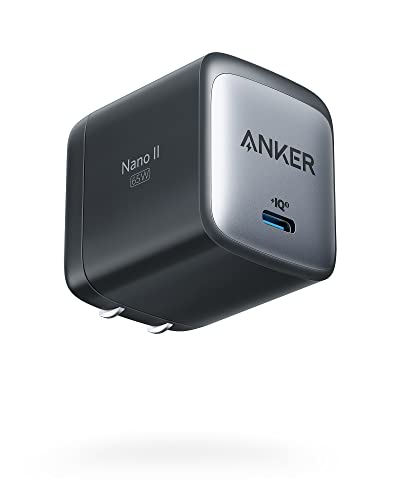
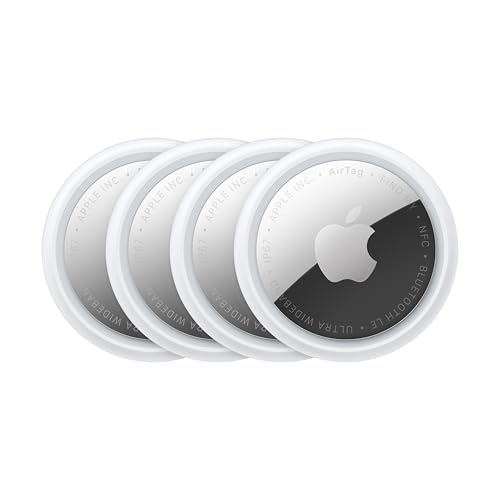
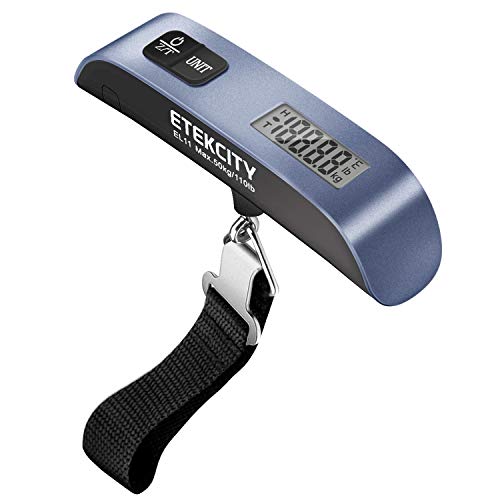
Whatever you decide, this is the gear we actually travel with: verified, priced, and ranked. Live price check on each.



As an Amazon Associate we may earn from qualifying purchases, at no cost to you.