Kenya & Tanzania, Africa
The best time to visit East Africa Safari
The Great Migration never stops moving; the trick is knowing where the herds are in your month.
- Best months
- Feb and Jun to Oct
- Think twice
- Apr and May
- Quietest
- April
- Cheapest
- April
The straight answer
The best time for an East Africa safari is June through October, the dry season, with roughly July through October prime for Great Migration river crossings in the Serengeti and Masai Mara; January through February is the southern Serengeti calving season, and April through May's long rains close many camps.
Go in the dry season, June through October, if you want the classic safari: thin grass, wildlife concentrated at rivers and waterholes, and the Great Migration staged for its most famous act, the Mara River crossings, which generally play out from around July into October between the northern Serengeti and Kenya's Masai Mara. This is peak season for good reason, and the famous camps in the crossing zones book out a year or more ahead.
But the migration is a year-round circuit, not a single event. Roughly December through March, the herds mass on the short-grass plains of the southern Serengeti and Ndutu, and in a concentrated window usually around late January into February, hundreds of thousands of wildebeest calves are born in a matter of weeks, with big-cat action to match. April and May bring the long rains: many mobile and seasonal camps close, black-cotton roads turn to glue, and the parks go green, empty, and cheap, a real trade for photographers and bargain-hunters who can tolerate storms.
Timing an East Africa safari is therefore really three questions: which spectacle you want (crossings, calving, or simply great general game viewing), which side of the border fits your route (the Serengeti and Ngorongoro in Tanzania, the Masai Mara and Amboseli in Kenya), and whether your dates dodge the long rains. This guide walks the whole year, month by month, herd position by herd position.
East Africa Safari, month by month
Every month gets a verdict. Tap one for its own page: weather, crowds, prices and what is on.
- 01JanuaryGoodWarm and mostly dry, highs near 82F (28C), green from the short rainsHerds gather on the southern Serengeti short-grass plains and calving begins. Excellent predator action around Ndutu.Hotels for January →CrowdsPrice
- 02FebruaryBestWarm, highs near 84F (29C), scattered stormsPeak calving on the southern plains: the migration's other great spectacle, with newborns and hunting cats in the same frame.Hotels for February →CrowdsPrice
- 03MarchTradeoffsHot and building to rain, highs near 84F (29C)Still strong early month around Ndutu; the long rains begin building late March and the season winds down.CrowdsPrice
- 04AprilThink twiceLong rains, highs near 79F (26C), heavy downpoursThe wettest month: many seasonal camps close, roads bog, skies dump. Deep discounts at the lodges that stay open.CrowdsPrice
- 05MayThink twiceRains continuing, highs near 77F (25C)Long rains taper late month. Herds begin pushing north and west through the central and western Serengeti; still a closures-and-mud season.CrowdsPrice
- 06JuneBestDry season opens, highs near 77F (25C), cool nightsGrass drops, skies clear, and the herds move through the western corridor, where Grumeti River crossings can begin. Prime season starts.Hotels for June →CrowdsPrice
- 07JulyBestDry and mild, highs near 75F (24C), cold morningsThe migration reaches the northern Serengeti and the first Mara River crossings typically begin. Book the crossing-zone camps far ahead.Hotels for July →CrowdsPrice
- 08AugustBestDry, highs near 75F (24C)Peak crossing season, with big herds split between the northern Serengeti and the Masai Mara. The year's biggest crowds at the famous river points.Hotels for August →CrowdsPrice
- 09SeptemberBestDry, highs near 79F (26C)Crossings continue and general game viewing is superb everywhere as water concentrates wildlife. A marginally calmer version of August.Hotels for September →CrowdsPrice
- 10OctoberBestDry and warming, highs near 82F (28C)Late-season crossings and excellent viewing with thinning crowds. Herds begin drifting south as the short rains approach.Hotels for October →CrowdsPrice
- 11NovemberTradeoffsShort rains, highs near 82F (28C), afternoon showersBrief, usually manageable rains green the plains as herds move south. Good value; most camps stay open through the short rains.CrowdsPrice
- 12DecemberGoodWarm, highs near 82F (28C), showers easingHerds settle back onto the southern plains and holiday travelers arrive. The Christmas and New Year window prices like the July peak.Hotels for December →CrowdsPrice
Book East Africa Safari for June.
Sponsored links to Expedia and Vrbo. We may earn a commission; it never changes a verdict.
- Hotels for June
Hotels. Expedia
Hotels in East Africa SafariOpens a hotel search for East Africa Safari in June, dates filled in. Book early for the best months: the good rooms go first.
- Rentals on Vrbo
Vacation rentals. Vrbo
Vacation rentals in East Africa SafariWhole homes, condos and villas. Usually the better deal for families and groups, with a kitchen and room to spread out.
- Tours and tickets
Tours and tickets. Expedia
Tours and tickets in East Africa SafariTimed-entry tickets, day trips and guided tours in East Africa Safari for June. Popular slots sell out in the best months.
Why go to East Africa Safari
The Great Migration
More than a million wildebeest plus hundreds of thousands of zebra and gazelle move in a continuous annual circuit between the Serengeti and the Masai Mara. The river crossings and the calving season are two of the most dramatic wildlife spectacles on Earth.
The densest big-game viewing anywhere
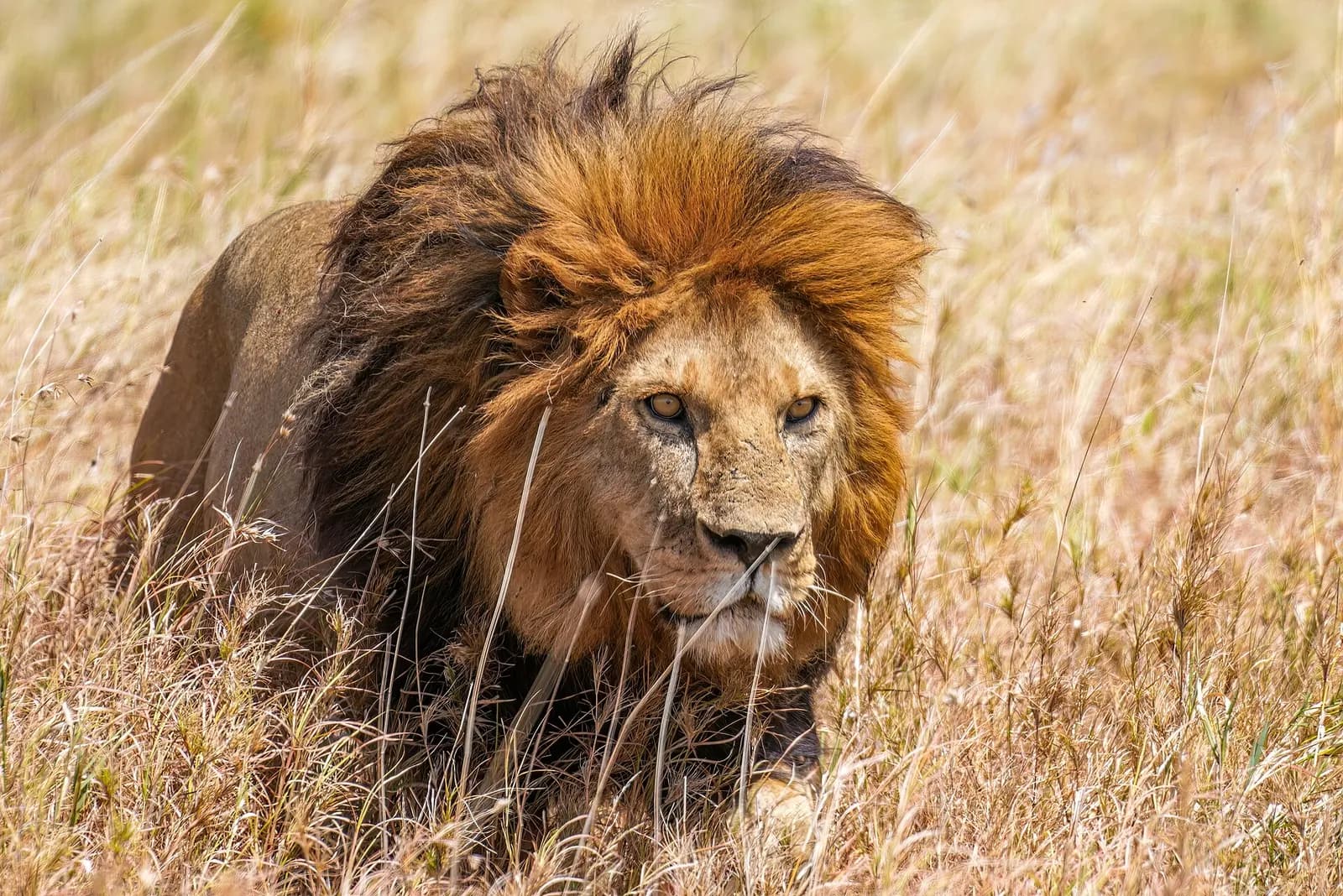
Lion, leopard, cheetah, elephant, and, in the Mara and Ngorongoro, rhino: East Africa's parks deliver the full cast at a density and visibility no other region matches, often in a single day.
Ngorongoro Crater and the Rift Valley
A collapsed volcanic caldera holding an entire ecosystem on its floor, flamingo lakes along the Rift, and Amboseli's elephants under Kilimanjaro: the settings are as spectacular as the wildlife.
Beyond the game drive
Maasai community visits, hot-air balloons at dawn over the plains, walking safaris in the conservancies, and an easy beach finish in Zanzibar or on the Kenyan coast round the trip into a full expedition.
Things to do, and when to do them
A Mara River crossing
Roughly July into October from the northern Serengeti or the Masai Mara. Crossings are unpredictable: base yourself in the crossing zones for several nights and let a good guide play the waiting game.
Calving season at Ndutu
Usually late January into February on the southern short-grass plains: thousands of calves born daily at the peak, and the year's most intense predator viewing.
Ngorongoro Crater
A single-day descent onto the crater floor delivers the Big Five setting of a lifetime, including some of East Africa's best black rhino chances. Enter at gate opening; midday gets busy year-round.
The Masai Mara's conservancies
Private conservancies bordering the reserve limit vehicle numbers and allow night drives and walks. Fewer crowds at sightings than the national reserve, at a premium worth paying.
A dawn balloon flight over the plains
Floating over the herds at first light, with a champagne bush breakfast on landing, is the classic safari splurge in both the Serengeti and the Mara.
Amboseli's elephants under Kilimanjaro
Big-tusked elephant herds crossing dusty flats with Africa's highest mountain behind: the continent's most iconic photo setup, best in dry-season mornings before the cloud builds.
A walking safari or Maasai village visit
On foot, with an armed ranger or Maasai guide, the bush becomes tracks, dung, and birdsong instead of a viewing platform. Conservancies and some camps offer both experiences.
A Zanzibar beach finish
The standard decompression after dusty game drives: Stone Town's history and the island's white-sand east coast, a short flight from the Tanzanian parks.
Events and seasons worth planning around
Great Migration river-crossing season
Roughly July into October, varying with the rains
The herds cross and recross the Mara River between the northern Serengeti and the Masai Mara. Exact timing shifts each year with the grass and the rain; nobody can promise a crossing on a given day.
Calving season on the southern Serengeti plains
Usually late January into February
A concentrated burst of hundreds of thousands of wildebeest births around Ndutu and the short-grass plains, with predators in close attendance.
The long rains
Roughly April into May
The heavier of the two rainy seasons: many seasonal camps close, roads deteriorate, and rates at open lodges drop steeply. The green-season photography trade.
The short rains
Roughly November into early December
Briefer afternoon rains that green the plains and pull the herds south. Most camps stay open and value is strong between the storms.
Beat the crowds
- Book crossing-season camps in the northern Serengeti and the Mara 9 to 15 months out; the best-positioned camps in July through September sell out first and the leftovers mean long drives to the river.
- Choose private conservancies over the busiest reserve sectors in Kenya: vehicle limits at sightings mean three trucks at a leopard instead of twenty, and the wildlife does not read boundary signs.
- Consider February over August: calving season delivers migration drama and big-cat action with meaningfully fewer vehicles than crossing season.
- Do Ngorongoro at gate opening and the famous river viewpoints early or late: middays draw the density everywhere, in every season.
- Shoulder months, June and late October into November, keep most of the dry-season quality while shedding a real share of the peak-season traffic and pricing.
Open or closed
- The long rains, April into May, are the real closure season: many mobile and seasonal tented camps in the Serengeti and Mara ecosystems shut entirely, and some lodges use the lull for maintenance. Permanent lodges stay open at deep discounts, with mud and storms as the trade.
- The migration is somewhere every month: southern plains roughly December to March, west and center roughly April to June, north and the Mara roughly July to October, moving south again in November. Book the region that matches your month, not the camp with the best brochure.
- The parks themselves never close: the Serengeti, Masai Mara, Ngorongoro, and Amboseli operate year-round, so a low-season trip is about camp availability and road conditions, not locked gates.
- Balloon flights and small bush flights are weather-dependent year-round and cancel most often in the rains; keep flexible margins around any flight-dependent connection in April, May, and November.
- The Christmas through New Year window operates like a second peak: full camps and peak pricing despite sitting inside the short-rains green season, so book that window like it is August.
With kids in tow
- Safari is spectacular with kids who can handle early mornings and long drives, and many lodges welcome families with private vehicles, shorter drive options, and junior-ranger style programs; note that some camps set minimum ages, often around 6 to 8, and walking safaris usually carry higher limits.
- The dry season, June through October, is the easiest family window: milder temperatures, less mud, lower malaria pressure than the rains, and wildlife reliably concentrated so drives pay off fast.
- Plan malaria precautions and vaccinations with a travel clinic well ahead, pack for cold dawns (game-drive mornings run surprisingly chilly) and hot middays, and budget rest days: two drives a day for a week wears kids out.
- For homeschool families: there is no richer field course than the migration, predator-prey dynamics, Rift Valley geology, and Maasai culture in one trip; have kids keep a sightings journal and the trip grades itself.
Getting there
- The gateways are Nairobi (NBO) for Kenya and Kilimanjaro (JRO) or Arusha for northern Tanzania. Kenya Airways flies nonstop from New York to Nairobi; otherwise one-stop routings run via Amsterdam, Paris, Doha, Dubai, Istanbul, or Addis Ababa.
- Inside the region, light aircraft do the work: scheduled bush flights hop from Nairobi's Wilson Airport or Arusha to dirt strips in the Mara and Serengeti, with strict soft-bag luggage limits, typically around 33 pounds (15 kilograms).
- Most itineraries pick a side of the border per trip: the Kenya circuit (Mara, Amboseli, Laikipia) or the northern Tanzania circuit (Serengeti, Ngorongoro, Tarangire), with combined two-country routings possible via the borderland crossings or a short international hop.
Packing? Packing cubes and the airport kit.
East Africa Safari for the holidays
Holiday and school-break weeks where East Africa Safari makes our ranked list.
Summer Vacation
June, July, August
Ten weeks, one country on vacation, and half the world too hot or too rainy. Go north, go high, or go south of the equator.
Fourth of July
July
The biggest fireworks night of the year and the busiest summer travel week. Go to the celebration, or go somewhere cool enough to enjoy it.

Labor Day Weekend
August, September
Summer's last long weekend, and the first week of the best travel season of the year. Just keep an eye on the tropics.
Honeymoon Seasons
May, June, September, October
The right honeymoon depends less on where you want to go than on when your wedding is. Match the place to the week.
East Africa Safari timing, quick answers
What is the best month for an East Africa safari?
For the classic dry-season experience and river-crossing potential, August or September. For the calving spectacle with fewer vehicles, February. June and October bracket the peak with most of its quality and less of its pricing.
When are the Great Migration river crossings?
Generally from around July into October at the Mara River, between the northern Serengeti and Kenya's Masai Mara. The exact rhythm shifts every year with the rains, and crossings happen on the herds' schedule, not yours: build several nights in the crossing zones and let your guide work.
Should I choose Kenya or Tanzania?
For crossing season, both sides deliver: the Masai Mara offers the compact, conservancy-rich Kenyan version, the northern Serengeti the vaster Tanzanian one. For calving season, the southern Serengeti is Tanzania-only. First-timers with one week usually pick one country's circuit rather than splitting.
What happens in April and May?
The long rains: heavy storms, closed seasonal camps, and boggy roads, but also green landscapes, baby animals, empty parks, and the year's lowest rates at the lodges that stay open. It is a photographer's and bargain-hunter's season, not a first-timer's.
How far ahead should I book a safari?
For July through October in the crossing zones, 9 to 15 months for the best camps. For February at Ndutu, 6 to 12 months. Shoulder and green seasons can often be arranged a few months out, and last-minute green-season deals are a genuine thing.
Weighing alternatives
Similar trips, with their best months.
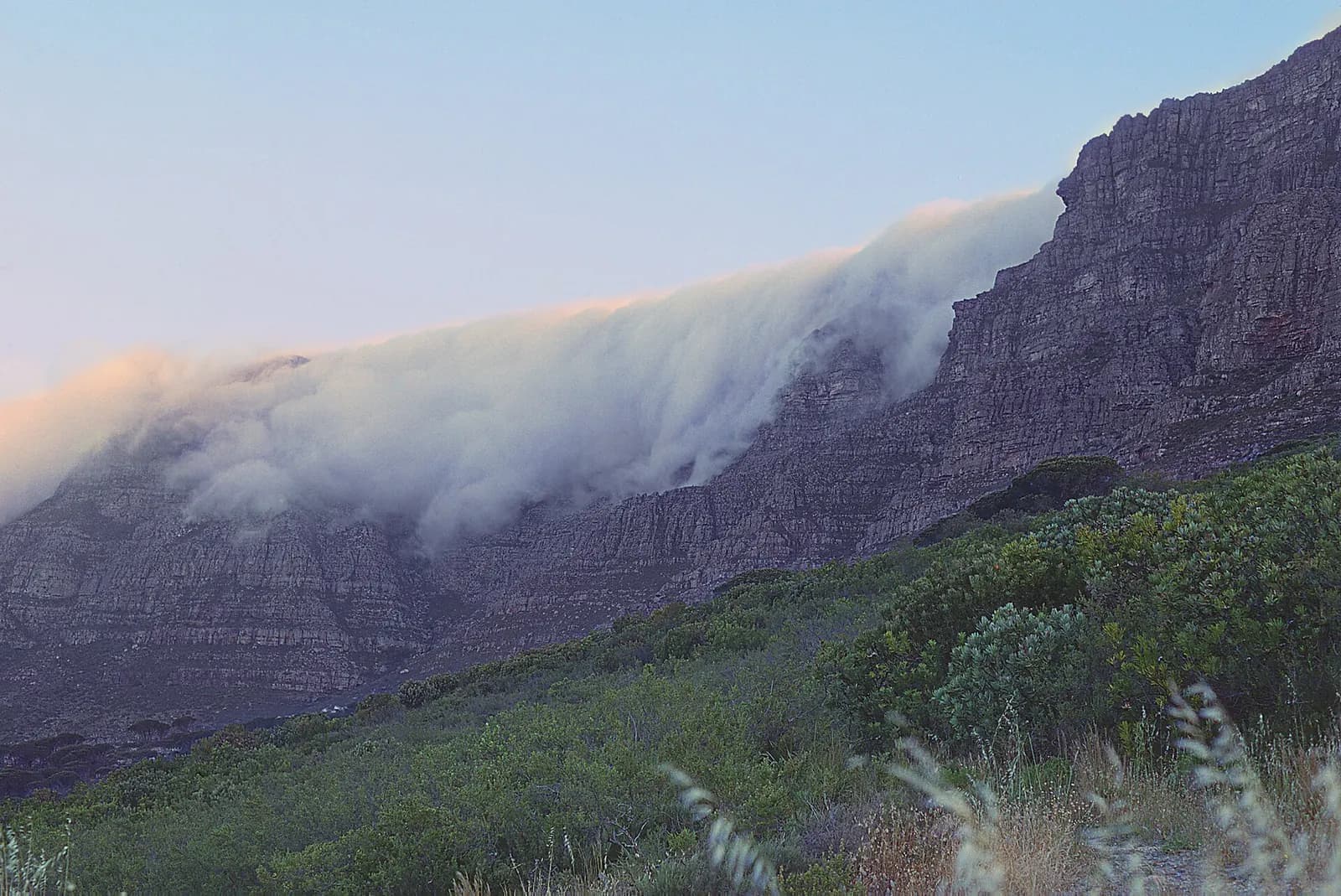
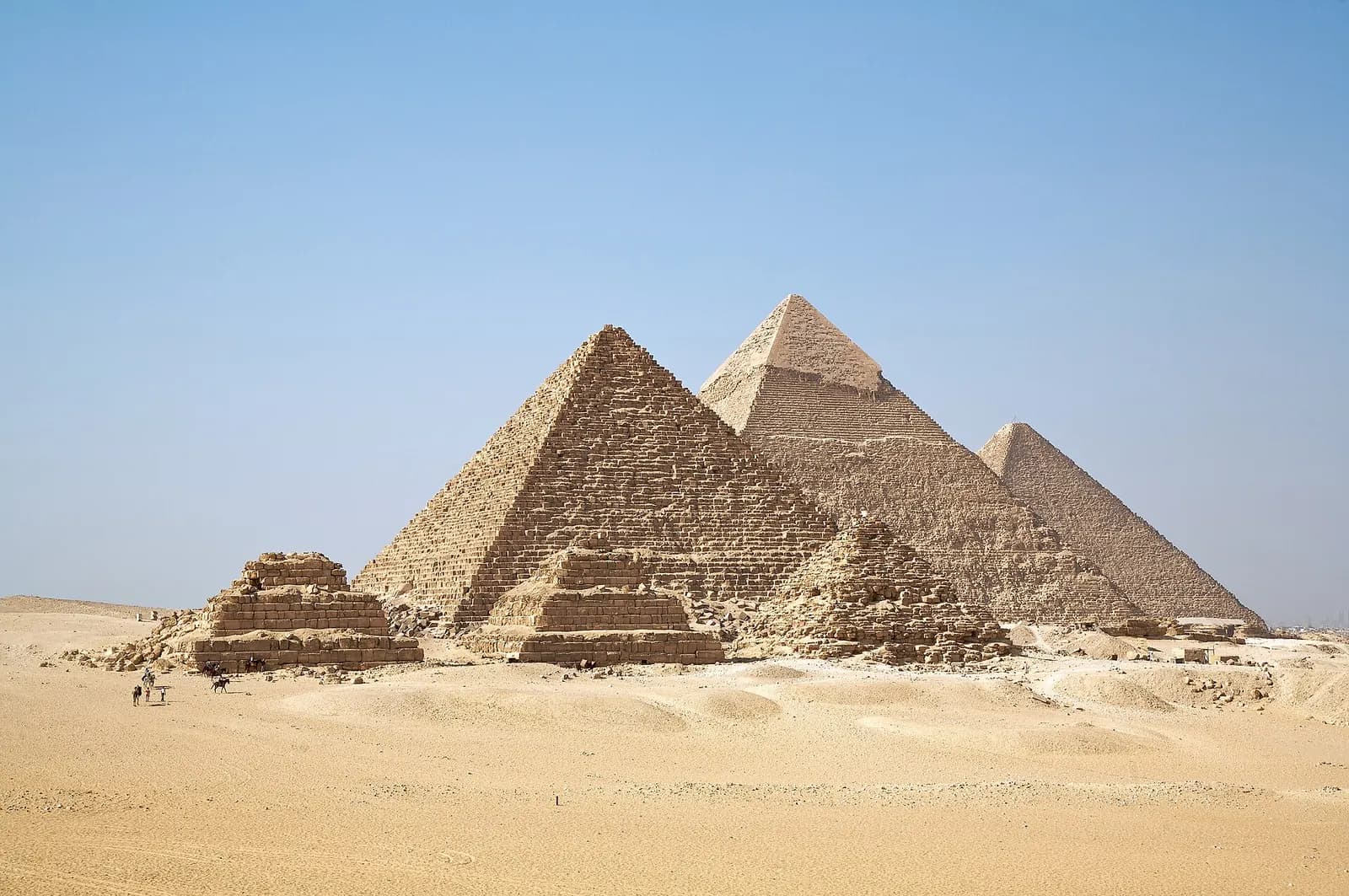
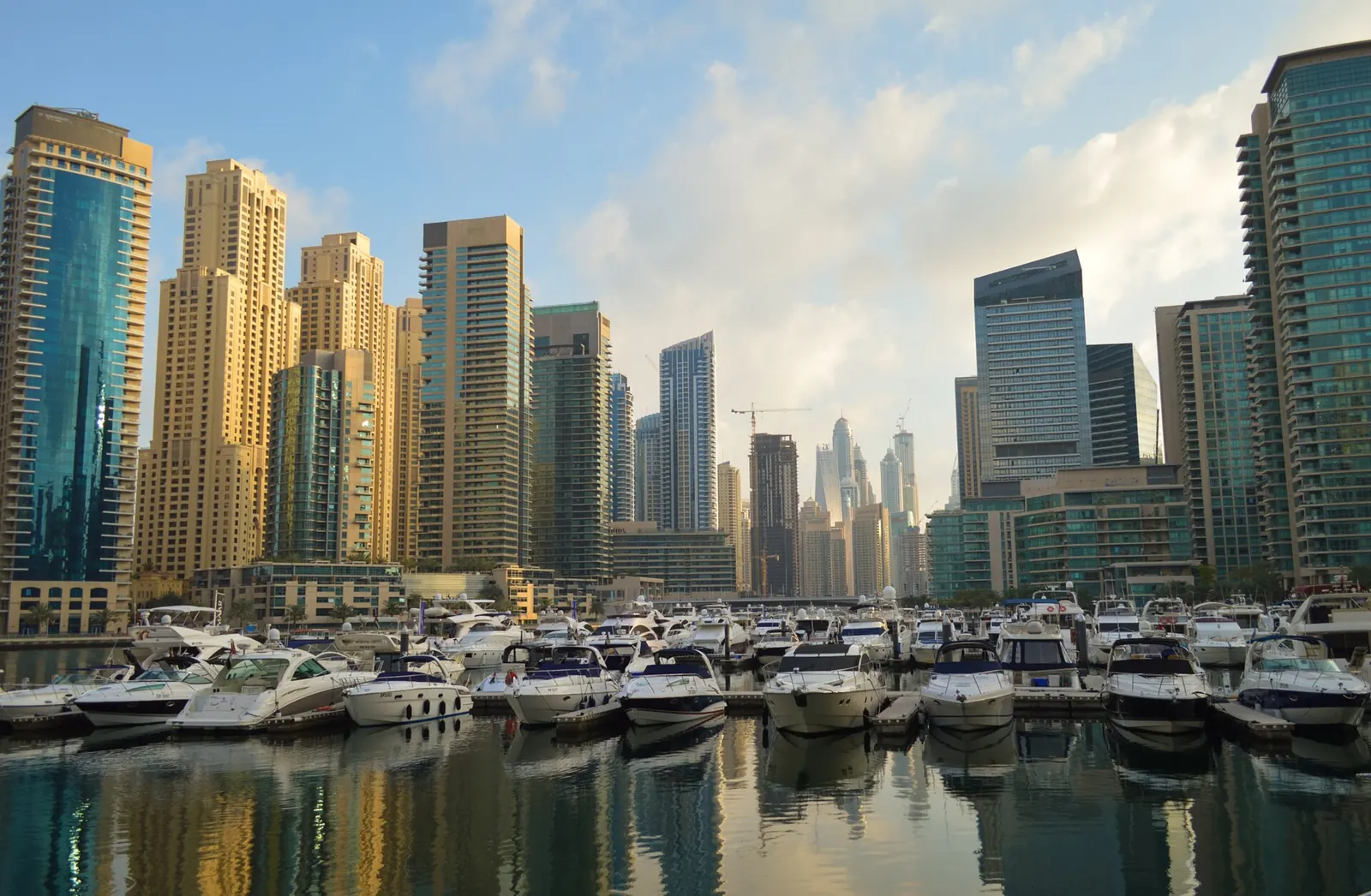
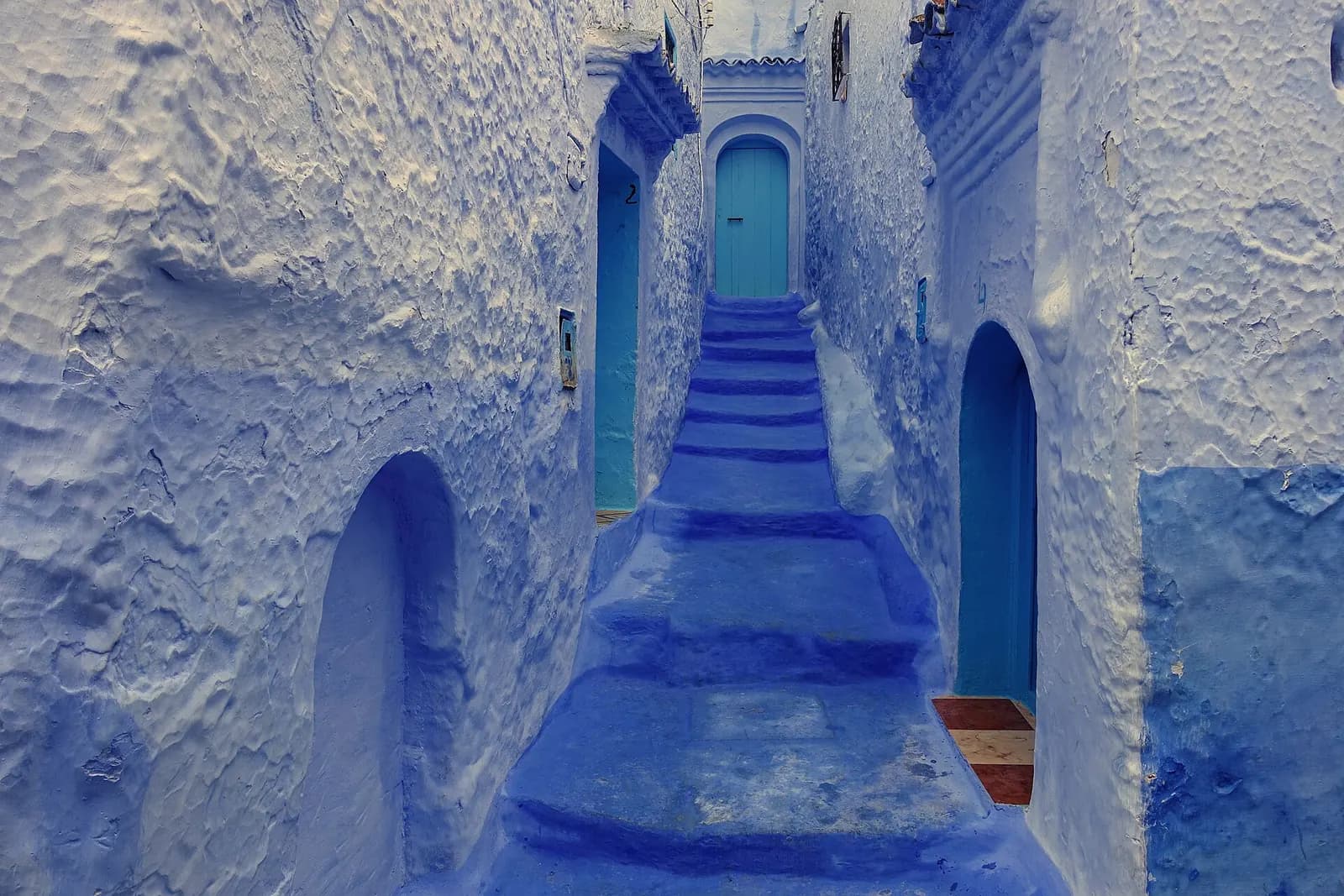
Before you book.
Sort these two things first.
Sponsored links. We may earn a commission; it never changes a verdict.
- Visit Faye
Travel insurance.
FayeA missed connection, a bag that never turns up, a hospital abroad: far cheaper to cover before departure than to argue about after.
- Visit Saily
eSIM data.
SailySet up an eSIM before you fly so your phone has data the moment you land, without roaming charges.
Our top-rated travel gear
Whatever you decide, this is the gear we actually travel with: verified, priced, and ranked. Live price check on each.






As an Amazon Associate we may earn from qualifying purchases, at no cost to you.