Kenya & Tanzania, Africa
East Africa Safari in March
Still strong early month around Ndutu; the long rains begin building late March and the season winds down.
The straight answer
March is a month of real tradeoffs in East Africa Safari. Still strong early month around Ndutu; the long rains begin building late March and the season winds down.
- Weather
- Hot and building to rain, highs near 84F (29C)
- Crowds
- 2 of 5
- Prices
- 3 of 5
What March is like in East Africa Safari
March is hot and building toward rain, with highs near 84F (29C). Early in the month, the herds are still around Ndutu and viewing is strong. By late March, the long rains start to build and the season winds down. Crowds and prices drop from February.
It suits travelers who can go early in the month and want calving-season leftovers at lower cost. It is weaker for anyone who wants dry roads or reliable sunshine, and some camps start to close near month end. If you have flexibility, February is more reliable, or wait for June.
Make the most of March
What is especially good about East Africa Safari this month.
Late calving scenes
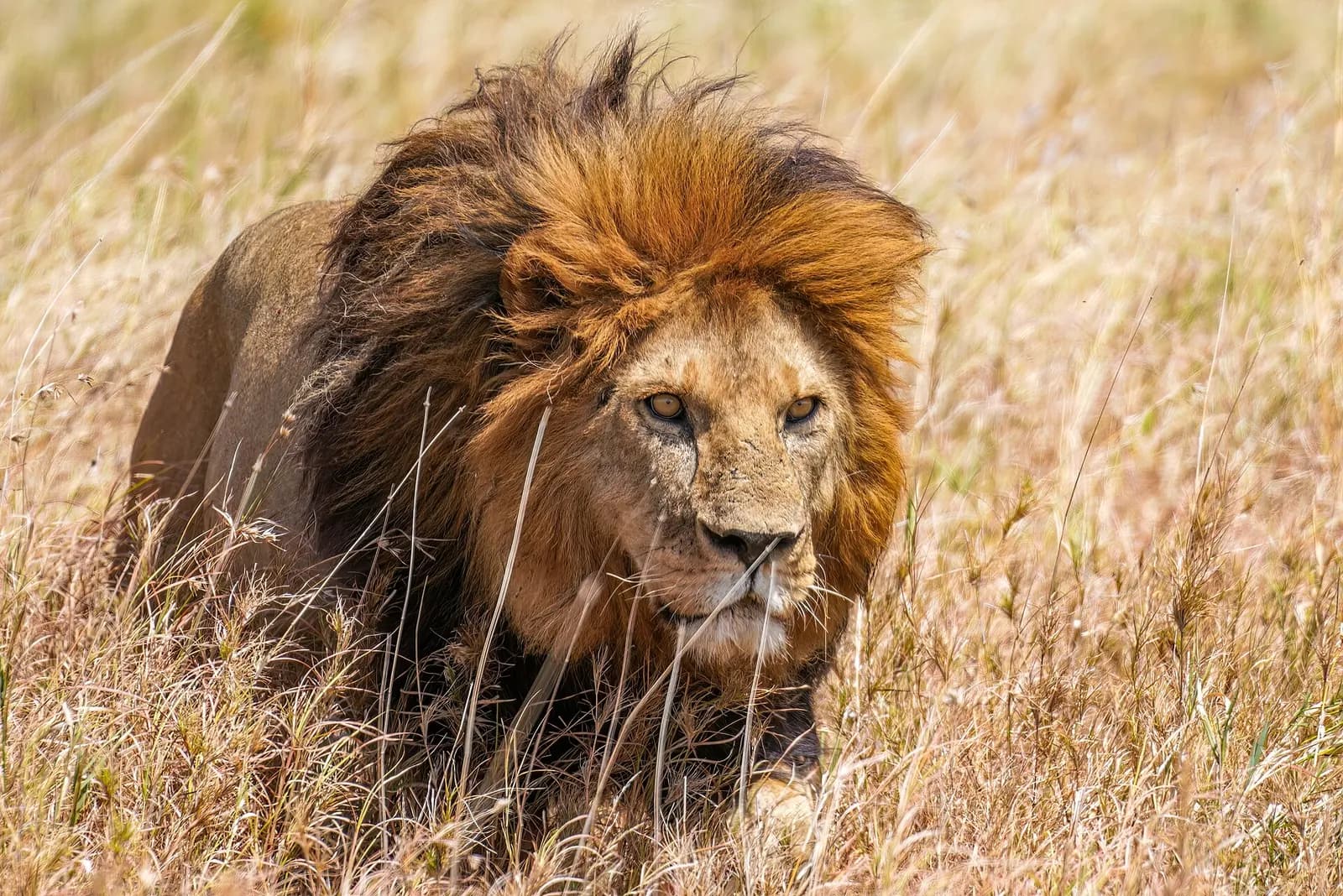
Early March still has young calves and predators on the southern plains.
Lower prices
Rates begin dropping as the rains approach, so early March can be good value.
Dramatic skies
Building storms bring dark clouds and great light for photos, usually in the afternoons.
What to pack for March
- A packable rain jacket
- Quick-dry clothes
- Insect repellent
- A dry bag for camera gear
Our timing tip
Aim for the first half of March, before the long rains settle in and seasonal camps close.
Book East Africa Safari for March.
Sponsored links to Expedia and Vrbo. We may earn a commission; it never changes a verdict.
- Hotels for March
Hotels. Expedia
Hotels in East Africa SafariOpens a hotel search for East Africa Safari in March, dates filled in. Book early for the best months: the good rooms go first.
- Rentals on Vrbo
Vacation rentals. Vrbo
Vacation rentals in East Africa SafariWhole homes, condos and villas. Usually the better deal for families and groups, with a kitchen and room to spread out.
- Tours and tickets
Tours and tickets. Expedia
Tours and tickets in East Africa SafariTimed-entry tickets, day trips and guided tours in East Africa Safari for March. Popular slots sell out in the best months.
Things to do in East Africa Safari
A Mara River crossing
Roughly July into October from the northern Serengeti or the Masai Mara. Crossings are unpredictable: base yourself in the crossing zones for several nights and let a good guide play the waiting game.
Calving season at Ndutu
Usually late January into February on the southern short-grass plains: thousands of calves born daily at the peak, and the year's most intense predator viewing.
Ngorongoro Crater
A single-day descent onto the crater floor delivers the Big Five setting of a lifetime, including some of East Africa's best black rhino chances. Enter at gate opening; midday gets busy year-round.
The Masai Mara's conservancies
Private conservancies bordering the reserve limit vehicle numbers and allow night drives and walks. Fewer crowds at sightings than the national reserve, at a premium worth paying.
A dawn balloon flight over the plains
Floating over the herds at first light, with a champagne bush breakfast on landing, is the classic safari splurge in both the Serengeti and the Mara.
Amboseli's elephants under Kilimanjaro
Big-tusked elephant herds crossing dusty flats with Africa's highest mountain behind: the continent's most iconic photo setup, best in dry-season mornings before the cloud builds.
Beat the crowds
- Book crossing-season camps in the northern Serengeti and the Mara 9 to 15 months out; the best-positioned camps in July through September sell out first and the leftovers mean long drives to the river.
- Choose private conservancies over the busiest reserve sectors in Kenya: vehicle limits at sightings mean three trucks at a leopard instead of twenty, and the wildlife does not read boundary signs.
- Consider February over August: calving season delivers migration drama and big-cat action with meaningfully fewer vehicles than crossing season.
- Do Ngorongoro at gate opening and the famous river viewpoints early or late: middays draw the density everywhere, in every season.
Know before you go
- The long rains, April into May, are the real closure season: many mobile and seasonal tented camps in the Serengeti and Mara ecosystems shut entirely, and some lodges use the lull for maintenance. Permanent lodges stay open at deep discounts, with mud and storms as the trade.
- The migration is somewhere every month: southern plains roughly December to March, west and center roughly April to June, north and the Mara roughly July to October, moving south again in November. Book the region that matches your month, not the camp with the best brochure.
- The parks themselves never close: the Serengeti, Masai Mara, Ngorongoro, and Amboseli operate year-round, so a low-season trip is about camp availability and road conditions, not locked gates.
- Balloon flights and small bush flights are weather-dependent year-round and cancel most often in the rains; keep flexible margins around any flight-dependent connection in April, May, and November.
East Africa Safari in March, quick answers
Is March a good time to visit East Africa Safari?
March is a month of real tradeoffs in East Africa Safari. Still strong early month around Ndutu; the long rains begin building late March and the season winds down.
What is the weather like in East Africa Safari in March?
Hot and building to rain, highs near 84F (29C).
Is East Africa Safari crowded in March?
March is one of the quieter months in East Africa Safari; most sights can be done without long waits.
Keep planning East Africa Safari.
The months either side, and the best one if this is not it.
- 01East Africa Safari in FebruaryThe month before: Warm, highs near 84F (29C), scattered stormsBest
- 02East Africa Safari in AprilThe month after: Long rains, highs near 79F (26C), heavy downpoursThink twice
- 03East Africa Safari in JuneThe next best month: Dry season opens, highs near 77F (25C), cool nightsBest
Also at their best in March


Before you book.
Sort these two things first.
Sponsored links. We may earn a commission; it never changes a verdict.
- Visit Faye
Travel insurance.
FayeA missed connection, a bag that never turns up, a hospital abroad: far cheaper to cover before departure than to argue about after.
- Visit Saily
eSIM data.
SailySet up an eSIM before you fly so your phone has data the moment you land, without roaming charges.
Our top-rated travel gear
Whatever you decide, this is the gear we actually travel with: verified, priced, and ranked. Live price check on each.






As an Amazon Associate we may earn from qualifying purchases, at no cost to you.