Africa
The best time to visit Morocco
Marrakech, Fes, and the Sahara run on three different thermostats; spring and fall are when they agree.
- Best months
- Mar to May and Sep to Nov
- Think twice
- Jul and Aug
- Quietest
- January
- Cheapest
- January
The straight answer
The best time to visit Morocco is March through May or September through November, when Marrakech and Fes sit in the 70s and 80s F (20s C) and the Sahara is neither furnace nor icebox; summer in the interior cities regularly tops 100F (38C).
Go in spring, March through May, or in fall, September through November. Morocco's classic circuit, Marrakech, Fes, the Atlas passes, and a night among the Erg Chebbi dunes, works best when the interior sits in the 70s and 80s F (low to high 20s C) and the desert swings between warm days and cool, comfortable nights. Spring adds green valleys and blooming roadsides; fall adds golden light and warm-not-hot dune evenings. These are the windows the whole itinerary was built for.
Summer redraws the map. From late June through August, Marrakech and Fes regularly push past 100F (38C), and the Sahara becomes an early-morning-and-after-sunset proposition. The escape valves are real, though: Essaouira and the Atlantic coast stay breezy in the 70s F (mid 20s C), and the High Atlas valleys run much cooler than the plains, which is exactly where Moroccans themselves go. Winter flips the challenge: Marrakech days are mild and lovely, but nights get cold, unheated riads get colder, Fes turns damp, desert camp nights can approach freezing, and snow closes in on the Atlas passes.
One more layer sits over the calendar: Ramadan, whose dates shift about 11 days earlier each year. The country stays fully open to visitors and riads and tourist restaurants serve through the day, but many local cafes close until sunset and the daytime energy of the medinas dials down before the evenings light up. Here is the full month-by-month picture.
Morocco, month by month
Every month gets a verdict. Tap one for its own page: weather, crowds, prices and what is on.
- 01JanuaryQuiet valueMild days, cold nights, Marrakech highs near 65F (18C)Sunny afternoons and near-freezing desert nights. Pack warm layers; many riads have more charm than heating.CrowdsPrice
- 02FebruaryGoodSpringlike days, Marrakech highs near 68F (20C)Almond blossom in the valleys and comfortable touring. Atlas snow is part of the scenery, and occasionally part of the road plan.Hotels for February →CrowdsPrice
- 03MarchBestWarm, Marrakech highs near 73F (23C)The season proper begins: green countryside, ideal city weather, and the desert at its most welcoming.Hotels for March →CrowdsPrice
- 04AprilBestIdeal, Marrakech highs near 79F (26C)Peak spring: roses and wildflowers, perfect Atlas trekking, warm dunes. Book riads and camps ahead.Hotels for April →CrowdsPrice
- 05MayBestWarm to hot, Marrakech highs near 85F (29C)Still excellent, with the interior warming late month. The coast and mountains are in top form.Hotels for May →CrowdsPrice
- 06JuneTradeoffsHot inland, Marrakech highs near 93F (34C)The heat arrives in Marrakech and the desert. Early month is workable; the coast stays lovely all month.CrowdsPrice
- 07JulyThink twiceVery hot inland, Marrakech highs near 99F (37C), hotter in spikesInterior cities and the Sahara are brutal by midday. Essaouira and the Atlas valleys become the sensible Morocco.CrowdsPrice
- 08AugustThink twiceVery hot inland, Marrakech highs near 99F (37C)Same heat, plus European vacation crowds on the coast. If this is your window, build the trip around Essaouira and the mountains.CrowdsPrice
- 09SeptemberBestHot easing to warm, Marrakech highs near 91F (33C)The heat bends through the month and the desert reopens for comfortable overnights. Late September is prime.Hotels for September →CrowdsPrice
- 10OctoberBestIdeal, Marrakech highs near 82F (28C)Arguably the single best month: golden light, warm days, cool nights, and every region working at once.Hotels for October →CrowdsPrice
- 11NovemberBestMild, Marrakech highs near 73F (23C)Still excellent with thinning crowds. Desert nights turn cold late month; pack accordingly.Hotels for November →CrowdsPrice
- 12DecemberQuiet valueMild days, cold nights, Marrakech highs near 66F (19C)Sunny days and chilly evenings, with a holiday-week price spike in Marrakech. Desert camps need serious bedding now.CrowdsPrice
Book Morocco for March.
Sponsored links to Expedia and Vrbo. We may earn a commission; it never changes a verdict.
- Hotels for March
Hotels. Expedia
Hotels in MoroccoOpens a hotel search for Morocco in March, dates filled in. Book early for the best months: the good rooms go first.
- Rentals on Vrbo
Vacation rentals. Vrbo
Vacation rentals in MoroccoWhole homes, condos and villas. Usually the better deal for families and groups, with a kitchen and room to spread out.
- Tours and tickets
Tours and tickets. Expedia
Tours and tickets in MoroccoTimed-entry tickets, day trips and guided tours in Morocco for March. Popular slots sell out in the best months.
Why go to Morocco
The medinas
Fes el-Bali and the Marrakech medina are living medieval cities: thousands of alleys, souks organized by craft, donkey traffic, and the best kind of productive disorientation. No museum recreates this; it never stopped happening.
A night in the Sahara
Camel-trekking into the Erg Chebbi or Erg Chigaga dunes for a night under the stars is the trip's emotional summit, and it is astonishingly accessible: real desert, two days from Marrakech.
The Atlas Mountains
Berber villages, walnut-grove valleys, and North Africa's highest peak, Toubkal, sit ninety minutes from Marrakech. The Tizi n'Tichka pass to the desert is one of the world's great drives.
Craft, food, and riads
Tagines and Friday couscous, mint tea ceremony, zellige tilework, and the riad, a courtyard house turned guesthouse, make everyday logistics into the actual attractions.
Things to do, and when to do them
Jemaa el-Fnaa and the Marrakech souks
The famous square ramps from juice stalls by day to food-stall theatre at night. Enter the souks with time to get lost; haggling is expected and good-natured.
Fes el-Bali medina
The world's largest car-free urban area. Hire a licensed guide for the first pass, then wander; the Chouara tannery terraces and medersa courtyards are the headliners.
A Sahara camp at Erg Chebbi or Erg Chigaga
Merzouga's Erg Chebbi is the accessible classic; Erg Chigaga beyond Zagora is wilder and farther. Sunset camel ride, drum fire, dawn over the dunes: do the overnight, not the day trip.
The Tizi n'Tichka pass and Ait Benhaddou
The High Atlas crossing en route to the desert, with the fortified mud-brick ksar of Ait Benhaddou, a longtime film location, on the far side. Best light in late afternoon.
Essaouira
The Atlantic counterweight: a fortified white-and-blue port town with a working fish harbor, steady breezes, and a laid-back arts scene. Two nights reset any itinerary.
Majorelle Garden and Marrakech's museums
The cobalt-blue garden restored by Yves Saint Laurent, with the YSL museum next door. Book the first timed slot; midday queues are real in season.
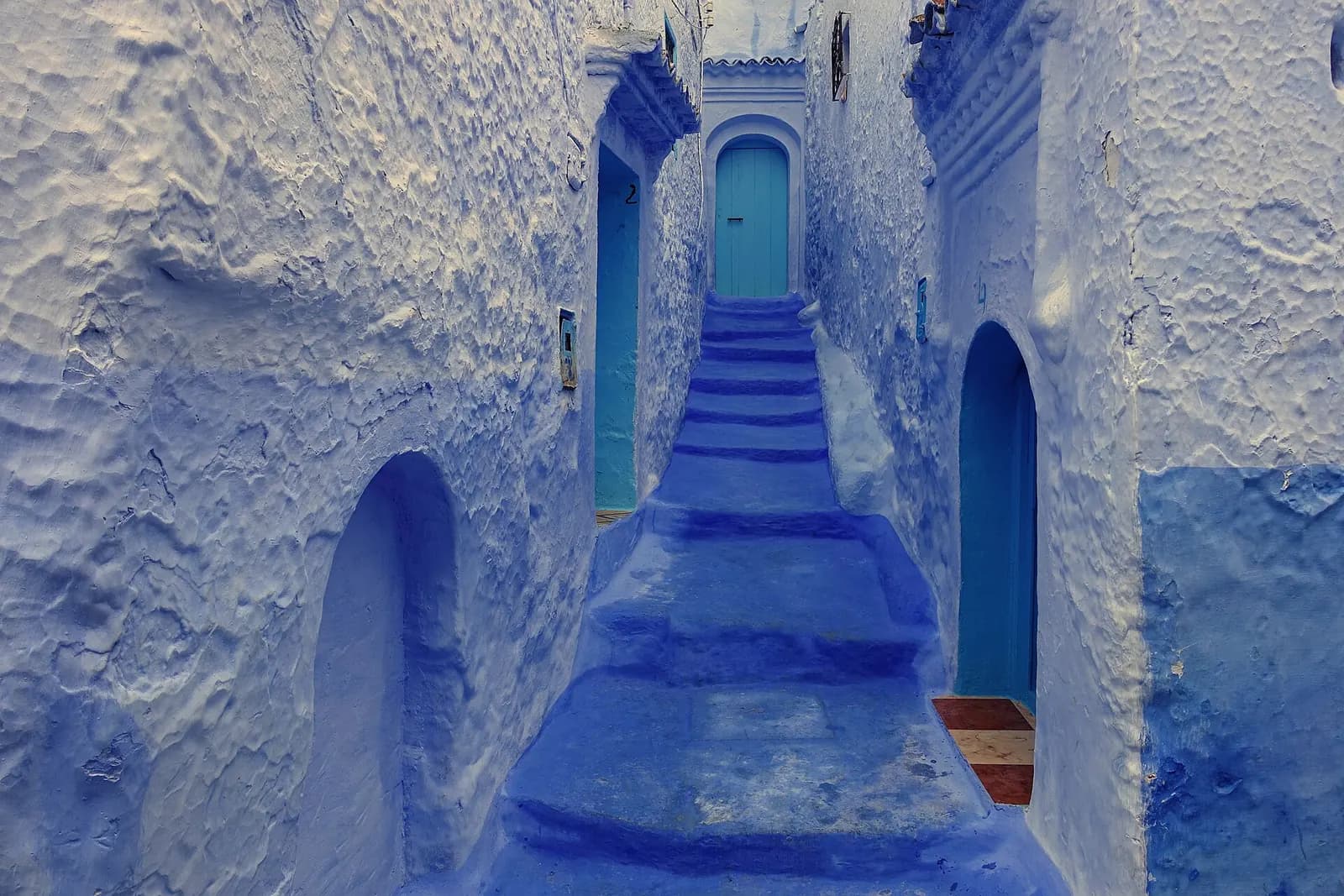
Chefchaouen
The blue-washed mountain town of the Rif, most easily paired with Fes or Tangier. Photogenic to the point of cliche, and still worth it, especially at dawn.
A hammam and a cooking class
The public or spa hammam scrub and a tagine-from-the-market class are the two participatory classics; both convert a half day into a core memory.
Events and seasons worth planning around
Ramadan in Morocco
Dates shift about 11 days earlier each year; check the current window
The country stays open to visitors: riads, tourist restaurants, and sights operate, while many local cafes close until sunset and daytime medina energy dips. Evenings after iftar are festive and late. Alcohol availability shrinks for the month.
Fes Festival of World Sacred Music
Usually late spring; dates vary year to year
A renowned festival of sacred and traditional music from around the world, staged in Fes's historic venues. The city books out around it.
Rose Festival, Kalaat M'Gouna
Usually around the rose harvest in spring
The Valley of Roses celebrates its damask rose harvest with processions and markets, en route between the Atlas and the desert.
Marrakech International Film Festival
Usually late in the year
A major film festival that brings red-carpet energy, and full hotels, to Marrakech.
Beat the crowds
- Work the medinas at the edges of the day: souks are calmest in the early morning, and Jemaa el-Fnaa's food-stall spectacle is the evening reward. Midday is for riad courtyards and long lunches.
- Book Majorelle Garden's first slot of the morning and any high-profile restaurants a week or more ahead in spring and fall; both queue hard in season.
- Sleep inside the medinas rather than day-tripping into them: riad guests get the quiet hours before the tour groups arrive and after they leave.
- Choose Erg Chigaga over Erg Chebbi if you want dunes with almost nobody on them; the extra drive past Zagora filters the crowds out.
- Travel in late November or early March: near-prime weather at the quiet edges of the season, with better riad availability and softer prices.
Open or closed
- Morocco has no seasonal shutdown: medinas, souks, and sights run year-round, and the real seasonal variable is heat, not access. The desert circuit operates in every month, but July and August overnights are only for the heat-hardened, and December through February camp nights need serious bedding.
- During Ramadan, tourist infrastructure stays open (riads, tourist restaurants, guides, camps), while many local cafes and eateries close until sunset, some sites shorten hours, and alcohol becomes scarce outside hotels. Evenings turn festive. Dates shift about 11 days earlier each year.
- Non-Muslims cannot enter mosques in Morocco with few exceptions, most notably the Hassan II Mosque in Casablanca by guided tour; plan around exteriors, medersas, and museums instead.
- On Fridays, the holy day, many souk stalls and local businesses close for midday prayers and family couscous, and parts of the medinas go quiet until late afternoon; sights generally remain open.
- Winter weather closes things mountain by mountain: snow can shut the High Atlas passes for hours or days, and Toubkal trekking becomes a winter-skills climb roughly November through April; the Tizi n'Tichka road is plowed but check conditions before a desert run.
With kids in tow
- Morocco is a strong family adventure: camels, dunes, mazes to navigate, kittens in every souk, and a culture that openly delights in children. Vendors and hosts will fuss over your kids in the best way.
- The desert overnight is the family highlight, best October through April: sandboarding, drum circles, and a night sky most kids have never seen. Choose a camp with real beds and bathrooms rather than the most rustic option.
- Medinas with small children take strategy: motorbikes share the Marrakech lanes (Fes is calmer and fully pedestrian), so keep kids inboard, use a carrier over a stroller, and treat getting lost as the activity itself.
- For homeschool families: souk crafts, Islamic geometric art, Berber culture, desert ecology, and market math make a rich unit study, and spring or fall weekdays keep the sites and kasbahs uncrowded.
Getting there
- Casablanca (CMN) is the intercontinental gateway, with Royal Air Maroc nonstops from New York, Washington, DC, and Miami, and connections onward to Marrakech and Fes; Marrakech (RAK) and Fes (FEZ) are heavily served from European hubs.
- A common pattern from the US is one stop in Europe (Paris, Madrid, and Lisbon are frequent) direct into Marrakech or Fes, skipping Casablanca entirely.
- On the ground, the classic loop links Marrakech, the Tizi n'Tichka pass, the desert, and Fes by hired driver or small-group tour over three to four days; trains connect Casablanca, Rabat, Fes, and Marrakech, including Africa's first high-speed line along the coast.
Packing? Packing cubes and the airport kit.
Morocco for the holidays
Holiday and school-break weeks where Morocco makes our ranked list.
Fall Break
October
The best-weather week of the school year, if you pick the right place. Leaf peepers, desert hikers, and the smart European shoulder season.
Thanksgiving
November
The busiest travel days in America wrapped around one of the best-value weeks abroad. Fly on the right day and go somewhere that is not having a holiday.
Morocco timing, quick answers
What is the best month to visit Morocco?
October, with April as its spring twin: warm days in Marrakech and Fes, comfortable Sahara nights, and every region of the country working at once. March, May, September, and November are close behind.
How hot does Marrakech get in summer?
July and August highs sit around 99F (37C) and spike higher, with the Sahara worse at midday. Summer trips work by relocating: the Atlantic coast at Essaouira stays in the 70s F (mid 20s C) and the High Atlas valleys run far cooler than the plains.
When is the best time for a Sahara desert trip?
October, November, and March through April: warm days, comfortable nights, and clear skies. Winter overnights are doable with cold-rated bedding as nights approach freezing; July and August overnights are punishing and best avoided.
Can you visit Morocco during Ramadan?
Yes. Riads, tourist restaurants, guides, and sights all operate, and evenings after iftar are wonderfully festive. Expect many local cafes closed until sunset, quieter daytime medinas, scarcer alcohol, and shifted hours. The dates move about 11 days earlier each year.
How many days do you need in Morocco?
Seven days covers Marrakech, the Atlas crossing, and a desert overnight. Ten days adds Fes properly, arriving via the desert route. Two weeks lets you add Essaouira or Chefchaouen without ever rushing a medina, which is the whole point of a medina.
Weighing alternatives
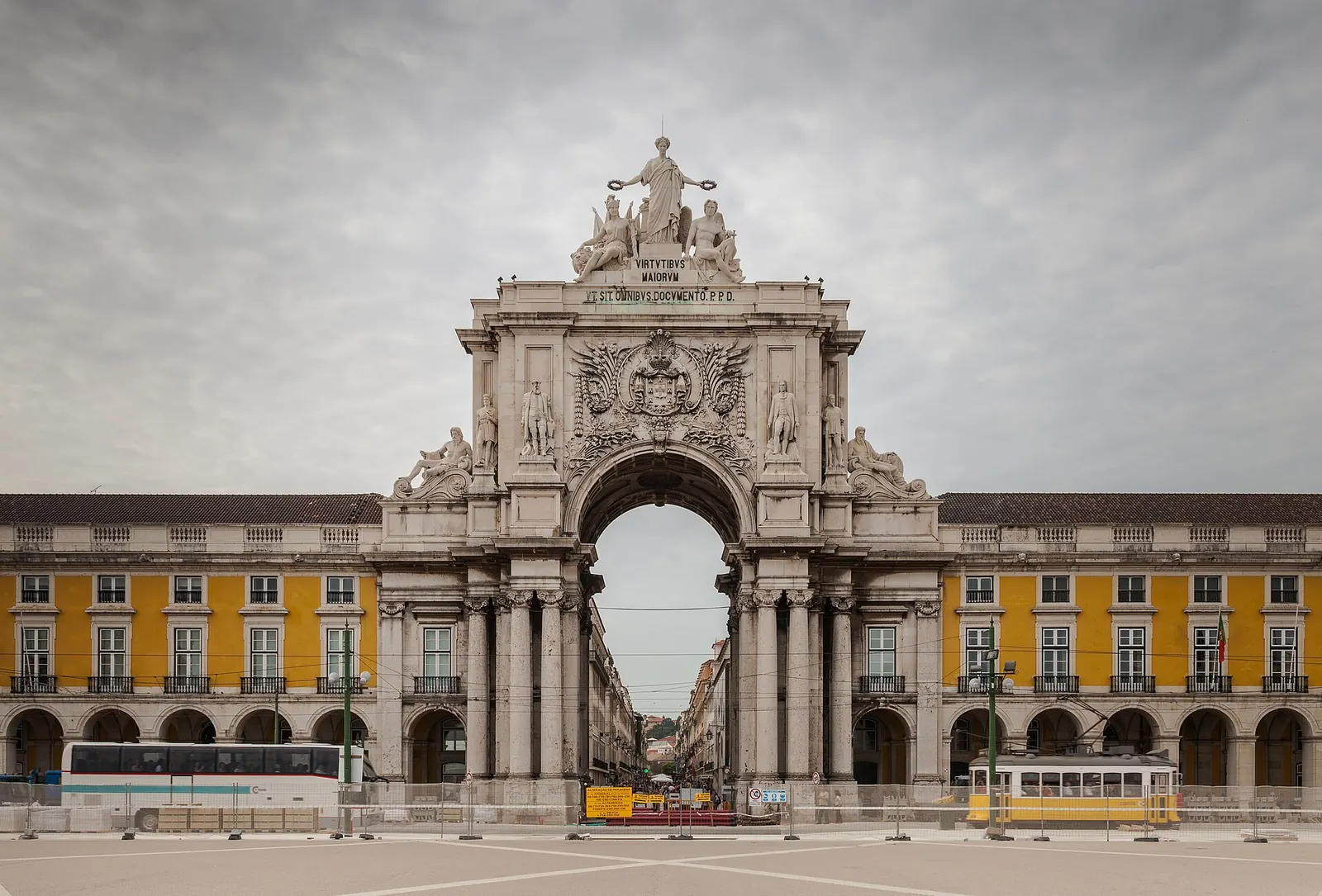
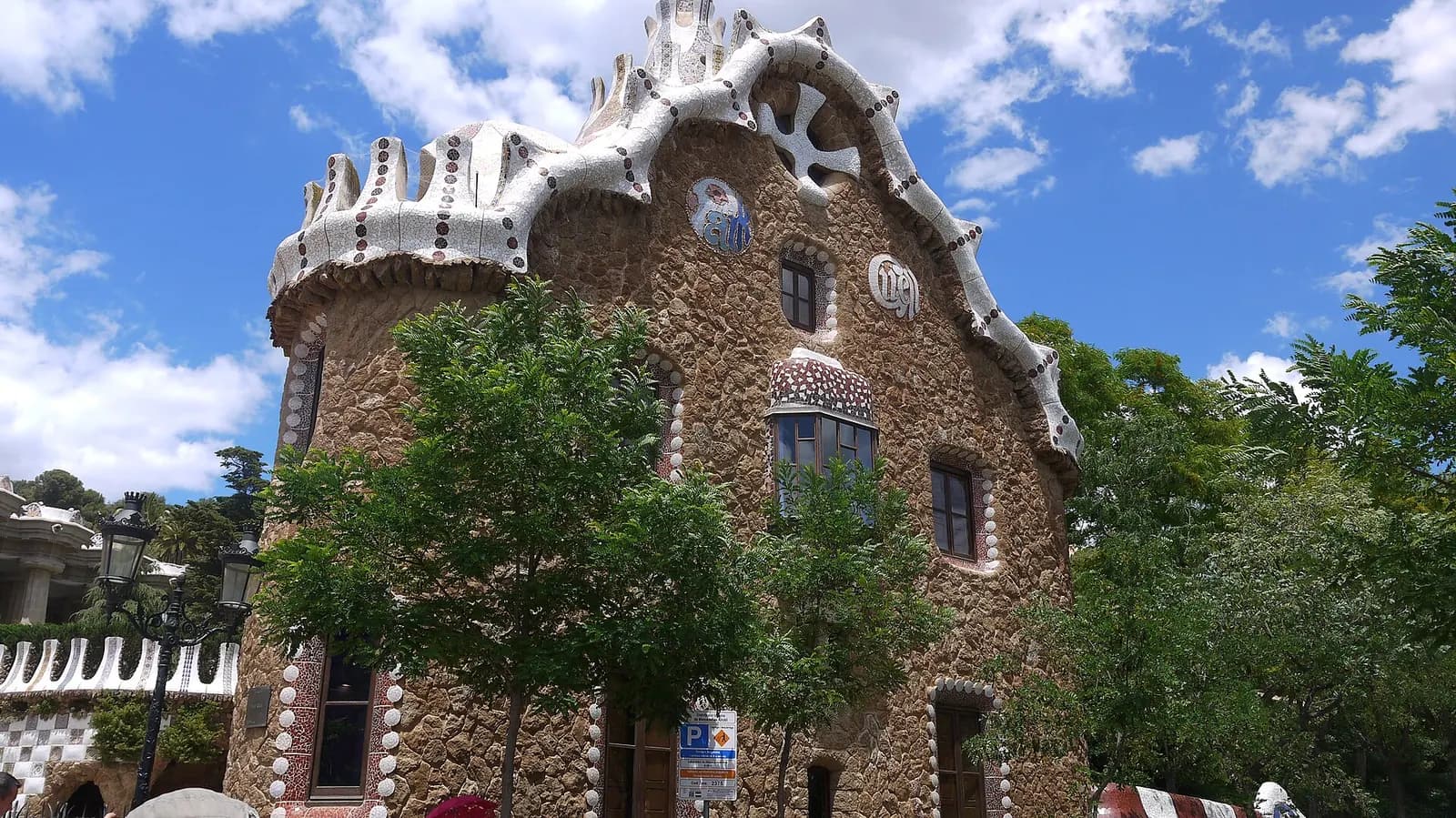
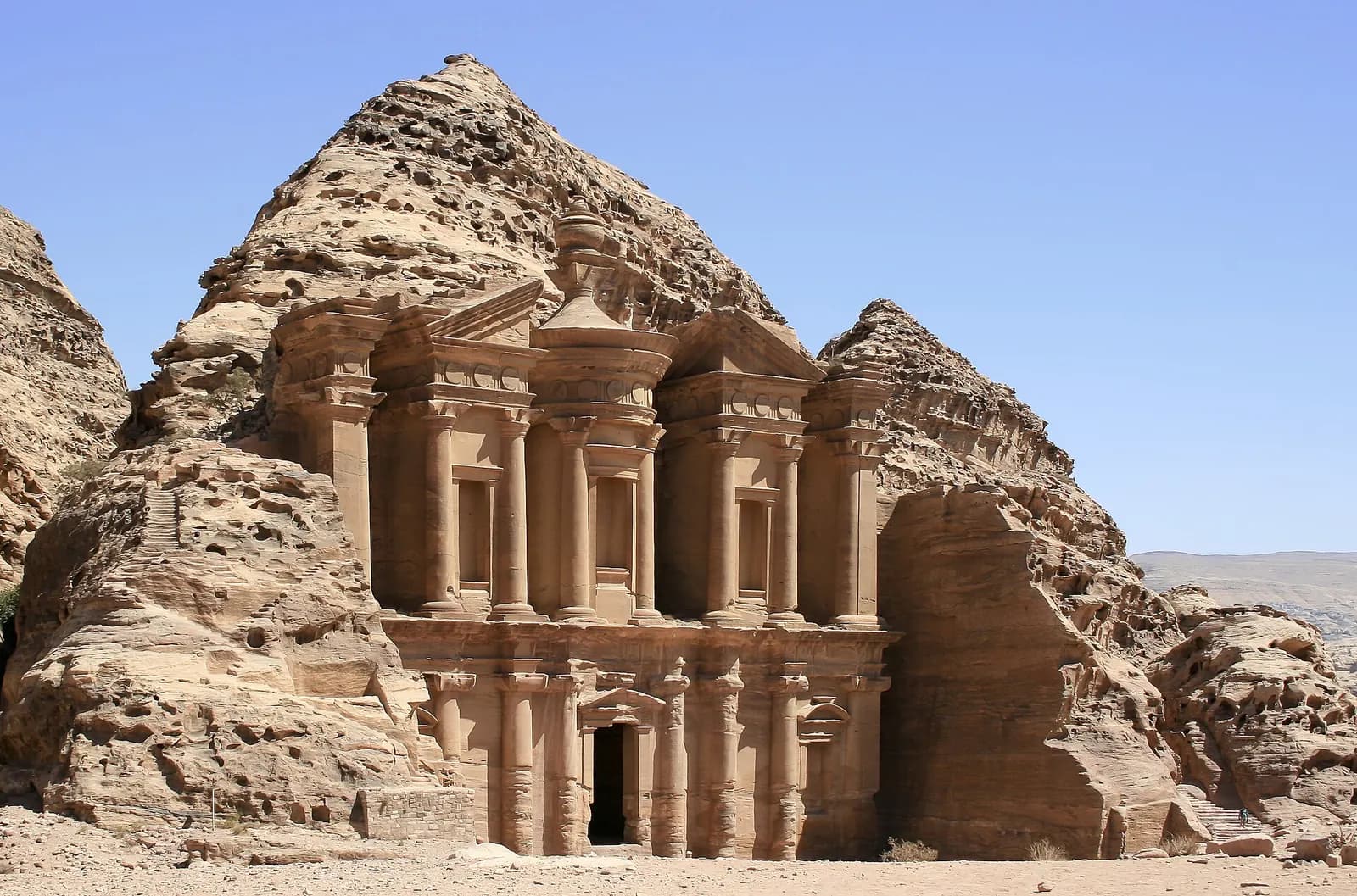
Similar trips, with their best months.
Before you book.
Sort these two things first.
Sponsored links. We may earn a commission; it never changes a verdict.
- Visit Faye
Travel insurance.
FayeA missed connection, a bag that never turns up, a hospital abroad: far cheaper to cover before departure than to argue about after.
- Visit Saily
eSIM data.
SailySet up an eSIM before you fly so your phone has data the moment you land, without roaming charges.
Our top-rated travel gear
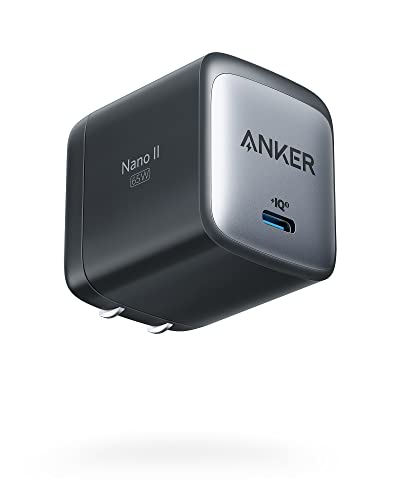
Whatever you decide, this is the gear we actually travel with: verified, priced, and ranked. Live price check on each.



As an Amazon Associate we may earn from qualifying purchases, at no cost to you.