Middle East
The best time to visit Jordan
Petra and Wadi Rum are desert country: spring and fall are glorious, summer is a furnace, and winter is colder than you think.
- Best months
- Mar to May and Sep to Nov
- Think twice
- Jul and Aug
- Quietest
- January
- Cheapest
- January
The straight answer
The best time to visit Jordan is March through May or September through November: mild desert days for Petra and Wadi Rum, warm Dead Sea floats, and none of summer's punishing heat or winter's cold desert nights.
Go in spring, March through May, or in fall, September through November. Jordan is high desert more than Hollywood desert: Amman and Petra sit at elevation, and the country's headline experiences, hiking Petra's canyons and sleeping under the stars in Wadi Rum, are exactly the things you want to do in 65F to 85F (18C to 29C) sunshine. Spring adds wildflowers and green hillsides in the north; fall adds warm Dead Sea and Red Sea water and stone glowing gold in the low light.
Summer is workable but hard. From June through August, Petra's exposed trails push past 95F (35C) with almost no shade, and Wadi Rum's sand radiates serious heat by midday, though the dry air and cool desert nights make mornings and evenings genuinely pleasant. Winter is the surprise: December through February brings cold rain and wind to Amman and Petra's 3,500-foot elevation, near-freezing desert nights in Rum, and even occasional snow that can briefly close roads and Petra itself.
The good news is that Jordan compresses beautifully. Petra, Wadi Rum, the Dead Sea, and Amman's Roman ruins all sit within a few hours' drive of each other, so timing one window well times the whole country. Here is the year, month by month, including what winter rains do to Petra's siq and why the shoulder seasons are worth every extra dollar.
Jordan, month by month
Every month gets a verdict. Tap one for its own page: weather, crowds, prices and what is on.
- 01JanuaryQuiet valueCold for a desert, Petra highs near 50F (10C), Aqaba near 70F (21C)The quietest month. Crisp, clear days between rain spells; desert camp nights near freezing. Occasional snow can briefly close Petra.CrowdsPrice
- 02FebruaryQuiet valueCool, Petra highs near 54F (12C), rain possibleStill low season and cold up high. Aqaba and the Dead Sea stay mild, making a south-heavy itinerary the winter play.CrowdsPrice
- 03MarchBestSpringlike, Petra highs near 63F (17C)The season opens: wildflowers in the north, comfortable hiking weather, and Wadi Rum nights warming past parka territory.Hotels for March →CrowdsPrice
- 04AprilBestIdeal, Petra highs near 72F (22C)Peak month: perfect trail weather and the country at its greenest. Book Petra-area hotels and Rum camps well ahead.Hotels for April →CrowdsPrice
- 05MayBestWarm, Petra highs near 80F (27C)Still excellent, with heat building late month. Early starts on the long Petra trails pay off.Hotels for May →CrowdsPrice
- 06JuneTradeoffsHot and dry, Petra highs near 88F (31C)Shade-free trails get tough by midday, but mornings are fine and crowds thin. The dry heat is more forgiving than it sounds.CrowdsPrice
- 07JulyThink twiceVery hot, Petra highs near 91F (33C), hotter in Rum and at the Dead SeaPeak heat. Sunrise starts and long midday breaks are mandatory; the Dead Sea area pushes past 100F (38C).CrowdsPrice
- 08AugustThink twiceVery hot, Petra highs near 91F (33C)Same as July. If this is your window, structure everything around dawn and dusk and sleep in air conditioning, not a tent.CrowdsPrice
- 09SeptemberBestHot easing to warm, Petra highs near 86F (30C)The heat bends and the season restarts. Late September onward is prime; the Red Sea is bathwater.Hotels for September →CrowdsPrice
- 10OctoberBestIdeal, Petra highs near 77F (25C)Arguably the single best month: golden light on the sandstone, warm days, cool star-filled nights in Rum.Hotels for October →CrowdsPrice
- 11NovemberBestMild, Petra highs near 65F (18C)Still excellent with thinning crowds. First rains can arrive; pack a warm layer for desert nights.Hotels for November →CrowdsPrice
- 12DecemberQuiet valueCool, Petra highs near 54F (12C), rain spellsQuiet and atmospheric, with real cold at night. Heavy rain occasionally closes Petra's siq for flash-flood safety.CrowdsPrice
Book Jordan for March.
Sponsored links to Expedia and Vrbo. We may earn a commission; it never changes a verdict.
- Hotels for March
Hotels. Expedia
Hotels in JordanOpens a hotel search for Jordan in March, dates filled in. Book early for the best months: the good rooms go first.
- Rentals on Vrbo
Vacation rentals. Vrbo
Vacation rentals in JordanWhole homes, condos and villas. Usually the better deal for families and groups, with a kitchen and room to spread out.
- Tours and tickets
Tours and tickets. Expedia
Tours and tickets in JordanTimed-entry tickets, day trips and guided tours in Jordan for March. Popular slots sell out in the best months.
Why go to Jordan
Petra
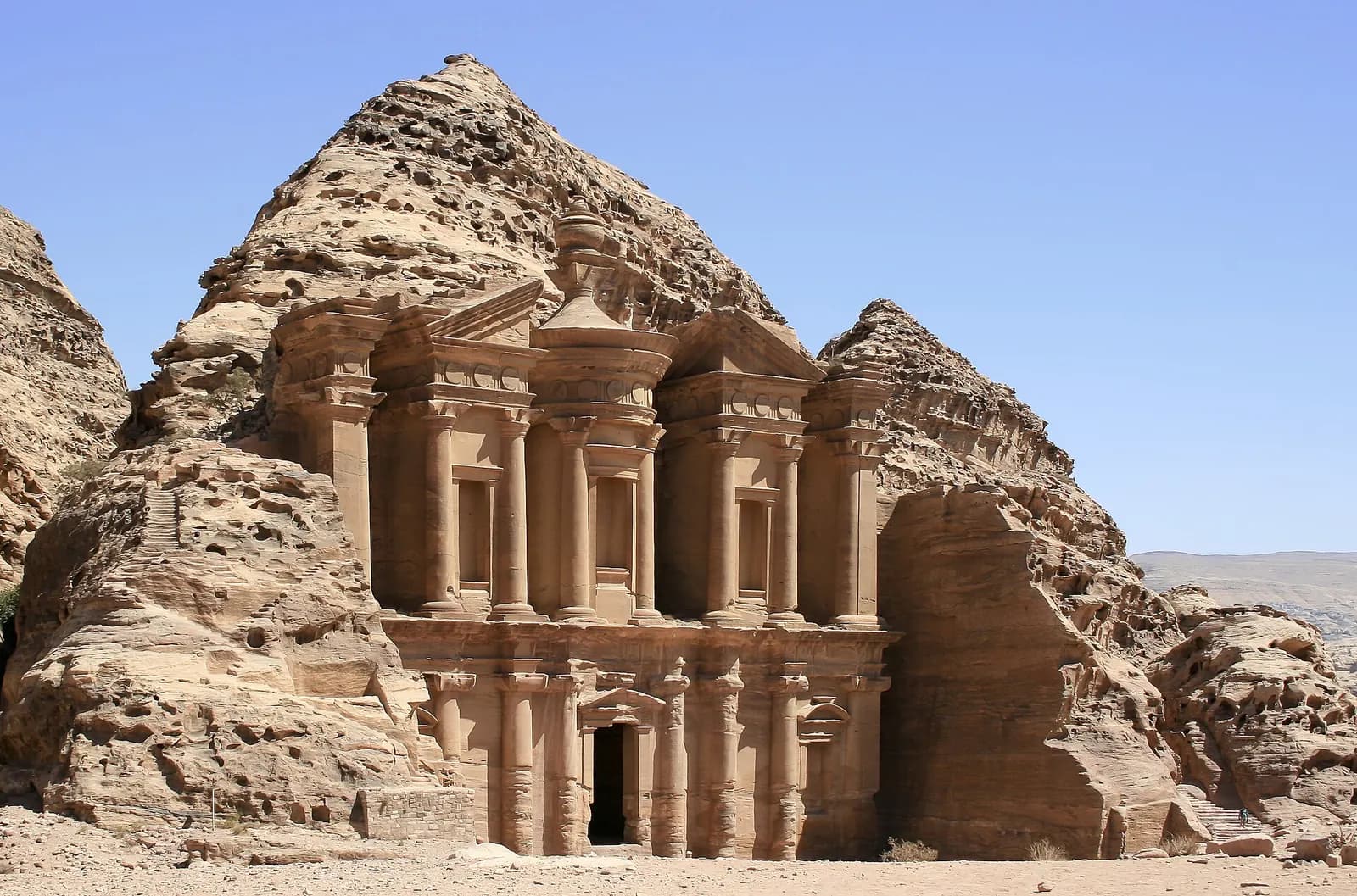
A city carved into rose-colored sandstone canyons more than 2,000 years ago, revealed at the end of a mile-long slot canyon. It is on every list because it earns it, and the site is far bigger than the famous Treasury facade.
Wadi Rum
A protected desert of sandstone mountains, red dunes, and Bedouin-run camps where you eat food cooked under the sand and sleep under some of the darkest skies you will ever see.
The Dead Sea
The lowest point on Earth's surface, where the water is so dense you float like a cork. A one-night stop that feels like another planet, best in spring and fall when the shore is not an oven.
Density and ease
Roman Jerash, Crusader castles, Amman's citadel, Petra, Rum, and two seas fit inside a country you can drive end to end in about five hours, with a well-worn tourist trail and famously welcoming hosts.
Things to do, and when to do them
Petra, over two days
One day barely covers the siq, Treasury, and city center. A two-day ticket costs little more and buys you the Monastery climb and the high places without racing. Start at opening, 6am, to walk the siq nearly alone.
The Monastery trail at Petra
About 800 rock-cut steps up from the city center to Petra's biggest facade. Go mid afternoon when the sun swings onto the facade and the day-trip crowds have drained.
Wadi Rum by 4x4, then a night in camp
A sunset jeep tour into the protected area, dinner in a Bedouin camp, and a night under the stars. Staying over is the whole point; day trips miss the silence.
Floating in the Dead Sea
Use a resort or managed beach for showers, you will want them, and keep the water out of your eyes. Mornings are calmest; mud on, float, rinse, repeat.
Jerash
One of the best-preserved Roman provincial cities anywhere, an hour north of Amman: colonnaded streets, theatres, and a hippodrome, usually gloriously uncrowded.
Amman's citadel and downtown
The citadel's Temple of Hercules overlooks a Roman theatre and the downtown souk. Finish with knafeh, the local dessert obsession, at a downtown sweets house.
Little Petra and the back trail
A miniature carved canyon north of Petra, free to enter, and the trailhead for the back-door hike into Petra via the Monastery, a guide-recommended classic.
Aqaba and the Red Sea
Jordan's short Red Sea coast has warm water and coral reefs for snorkeling and diving, and serves as the warm-weather escape valve in winter itineraries.
Events and seasons worth planning around
Petra by Night
Several evenings a week, year-round, weather permitting
The siq and Treasury plaza lit by candles, with Bedouin music. Touristy and worth it once; check the current schedule locally as nights can change.
Jerash Festival of Culture and Arts
Usually in summer
Music and performance staged among the Roman ruins of Jerash, one of the region's longest-running cultural festivals.
Ramadan in Jordan
Dates shift about 11 days earlier each year; check the current window
Petra, Rum, and hotels operate normally and tourist restaurants stay open, but many local eateries close until sunset, some site hours shorten, and evenings turn festive. The Eid holidays that follow bring busy domestic travel.
Beat the crowds
- Enter Petra at 6am. The tour-bus wave from Amman and the cruise ports arrives mid morning; walking the siq at dawn, and reaching the Treasury with a handful of people, is a different experience from the same walk at 11am.
- Sleep in Wadi Musa two nights and buy the two-day Petra ticket: day-trippers see the front of the site, you get the Monastery, the high places, and the quiet hours at both ends of the day.
- Do the Monastery climb after 3pm, when the light hits the facade and the midday crowd has gone; do the Treasury and siq at dawn. Opposite ends of the day, opposite ends of the site.
- Book Wadi Rum camps directly and stay two nights if you can: sunset and sunrise in the protected area happen after the day-trip jeeps leave.
- Go in late November or early March: shoulder edges with near-prime weather and a fraction of April and October's tour groups.
Open or closed
- Petra is open every day of the year, but heavy winter rain can close the siq on short notice for flash-flood safety, and rare snow occasionally shuts the site entirely for a day or two. Between November and March, keep one flexible day in the plan.
- Wadi Rum camps run year-round, but winter nights drop near freezing and the cheaper camps are canvas-and-blanket affairs: from December through February, book a camp with heating or serious bedding, or expect a cold night.
- During Ramadan, the headline sites and tourist services all operate, though some hours compress and many local restaurants outside tourist zones close until sunset. Alcohol service is reduced. Dates shift about 11 days earlier each year.
- Petra by Night runs only on certain evenings each week and cancels in bad weather; if it is on your list, arrange your Wadi Musa nights around the current schedule rather than assuming any given evening.
- The Dead Sea and Aqaba never close for season, and their mild winters are the standard cold-month escape within a Jordan itinerary; summer at the Dead Sea, by contrast, is the country's most brutal heat.
With kids in tow
- Jordan is a superb family adventure for kids old enough to walk real distances: Petra is effectively a full-day hike with a wonder around every corner, and horse carts and (regulated) animal rides exist but are best treated cautiously.
- Wadi Rum is the family highlight in most trip reports: jeep rides, dune scrambling, camel-spotting, and a night in a Bedouin camp beat any theme park for most kids.
- The Dead Sea with kids needs care: the water stings every cut and is dangerous to swallow, so short floats at a managed beach with immediate shower access work best.
- For homeschool families: Nabataean engineering at Petra, Roman urban planning at Jerash, desert geology in Rum, and the lowest point on Earth make Jordan a one-week field course, and spring or fall weekdays keep the sites calm.
Getting there
- Amman's Queen Alia International (AMM) is the main gateway: Royal Jordanian flies nonstop from the New York area, and one-stop routings run through European hubs like London, Paris, and Frankfurt or Gulf hubs like Doha and Dubai.
- Petra is about a three-hour drive south of Amman, with Wadi Rum another hour beyond and Aqaba (AQJ) usable as a southern entry or exit, especially on itineraries pairing Jordan with Red Sea time.
- Most visitors either hire a driver, join a small-group tour, or self-drive: roads on the main tourist axis are good, and the Desert Highway and scenic King's Highway are the two north-south options.
Packing? Packing cubes and the airport kit.
Jordan for the holidays
Holiday and school-break weeks where Jordan makes our ranked list.

Fall Break
October
The best-weather week of the school year, if you pick the right place. Leaf peepers, desert hikers, and the smart European shoulder season.

Thanksgiving
November
The busiest travel days in America wrapped around one of the best-value weeks abroad. Fly on the right day and go somewhere that is not having a holiday.
Jordan timing, quick answers
What is the best month to visit Petra?
April or October: highs near 72F to 77F (22C to 25C), clear skies, and the sandstone at its most photogenic. March, May, September, and November are close behind. Whatever the month, enter at 6am.
How many days do you need in Jordan?
Five to seven days covers the classic loop: Amman and Jerash, two days at Petra, a night in Wadi Rum, and a Dead Sea float. With eight to ten you can add Aqaba's reefs and the King's Highway castles without rushing.
Is Jordan too hot in summer?
July and August are genuinely punishing at Petra and the Dead Sea, with shade-free trails and highs from the 90s F (mid 30s C) upward. It can be done with sunrise starts, long midday breaks, and air-conditioned nights, but spring and fall are dramatically better for the same money.
Is winter a bad time for Jordan?
It is the quietest and cheapest window, and clear winter days at an empty Petra are wonderful. The risks are real though: cold rain and wind at elevation, near-freezing desert nights, occasional siq closures for flash floods, and rare snow days. Pack warm and keep a flexible day.
Is Jordan safe to visit?
Jordan has long been one of the region's most stable and tourism-practiced countries, with a heavily traveled main circuit and a strong hospitality culture. Use normal travel sense, and check your government's current advisories before booking, as regional situations evolve.
Weighing alternatives
Similar trips, with their best months.
Before you book.
Sort these two things first.
Sponsored links. We may earn a commission; it never changes a verdict.
- Visit Faye
Travel insurance.
FayeA missed connection, a bag that never turns up, a hospital abroad: far cheaper to cover before departure than to argue about after.
- Visit Saily
eSIM data.
SailySet up an eSIM before you fly so your phone has data the moment you land, without roaming charges.
Our top-rated travel gear
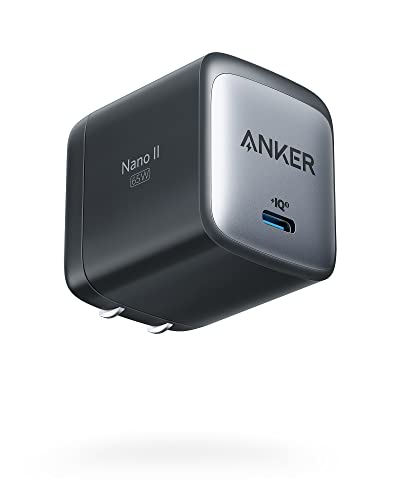
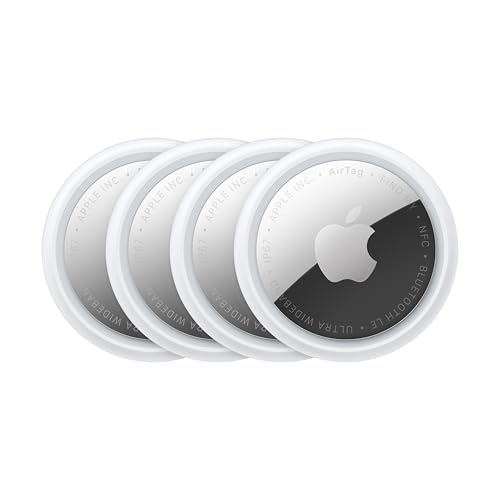
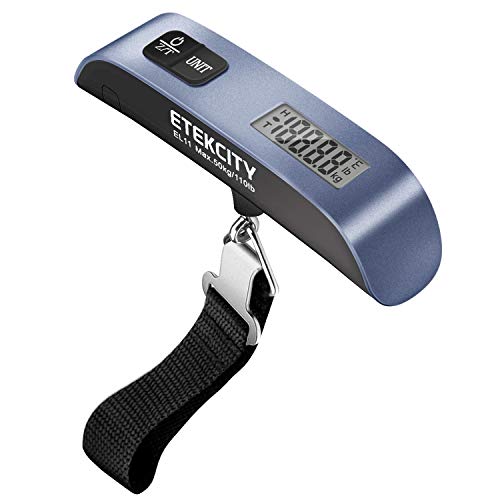
Whatever you decide, this is the gear we actually travel with: verified, priced, and ranked. Live price check on each.



As an Amazon Associate we may earn from qualifying purchases, at no cost to you.