United Arab Emirates, Middle East
The best time to visit Dubai
In winter it is one of the world's great warm escapes; in summer it becomes an indoor city.
- Best months
- Nov to Mar
- Think twice
- Jun to Aug
- Quietest
- May
- Cheapest
- June
The straight answer
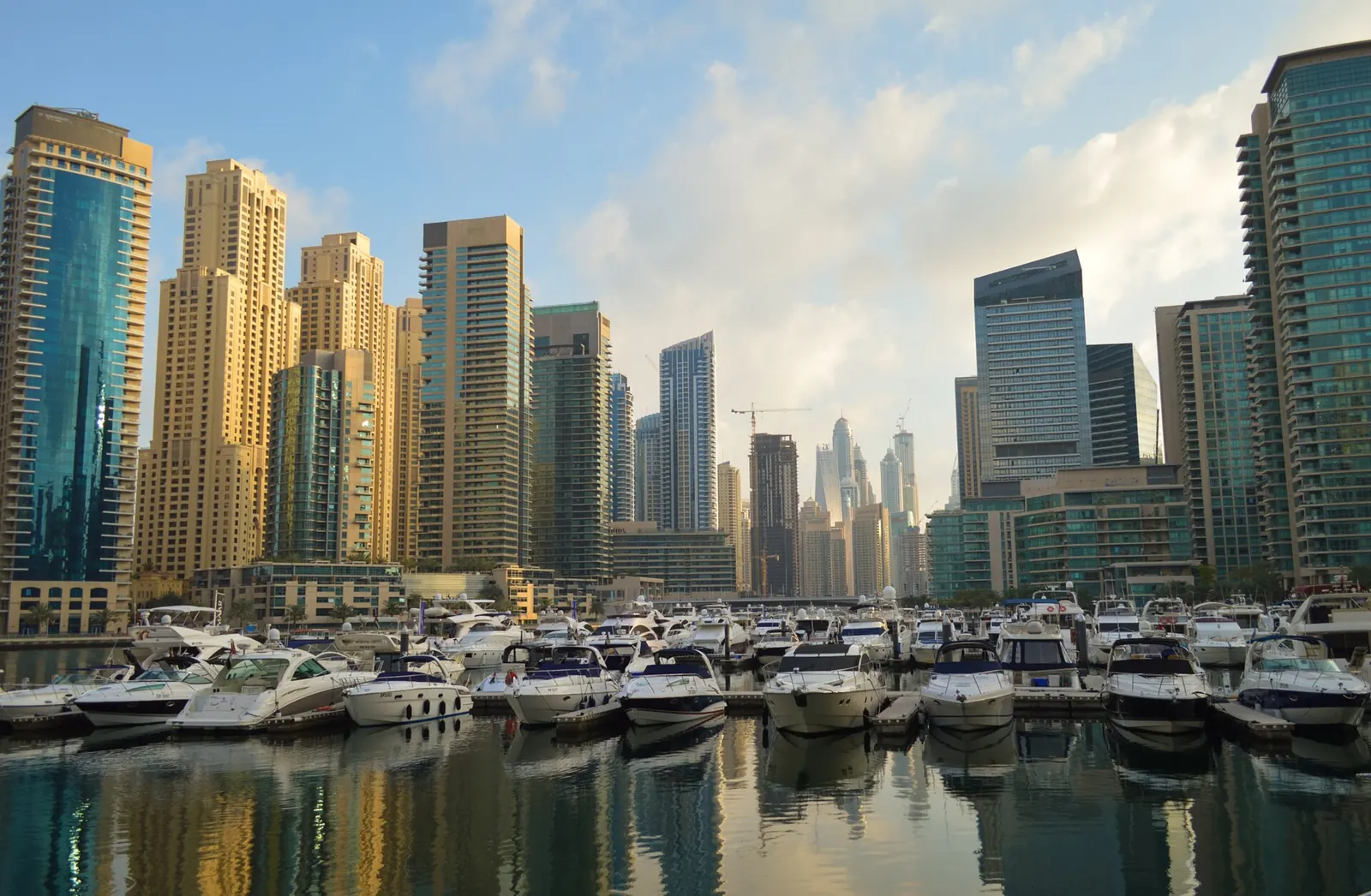
The best time to visit Dubai is November through March, when highs sit in the 75F to 85F (24C to 29C) range and outdoor life is glorious; June through September is extreme heat best treated as an indoor, deal-hunting season.
Go between November and March. Dubai winter is the entire pitch: highs around 75F to 85F (24C to 29C), near-zero rain, warm seas, beach clubs and desert camps at full strength, and outdoor dining weather that most of the Northern Hemisphere is dreaming about at that exact moment. December through February is the absolute prime, and the world knows it, so prices and crowds peak right alongside the weather.
Summer is the honest flip side. From June through September, highs run 105F (41C) and beyond with brutal humidity on the coast, and being outdoors between mid morning and sunset stops being fun in any meaningful sense. But Dubai is built for this: the malls, aquariums, indoor ski slope, museums, and hotels are aggressively air conditioned, and hotel prices drop by enormous margins. A summer Dubai trip is a real strategy, it is just an indoor one.
Two more timing layers matter. Ramadan changes the city's rhythm, though far less than it used to: most restaurants now serve through the day and the evenings turn festive, and the dates shift about 11 days earlier each year. And the shoulder months, October and April into May, are hotter than the brochure but still workable, with early mornings, pools, and evenings doing the heavy lifting. Here is the month-by-month reality.
Dubai, month by month
Every month gets a verdict. Tap one for its own page: weather, crowds, prices and what is on.
- 01JanuaryBestIdeal, highs near 75F (24C), cool eveningsPeak-perfect weather and the Dubai Shopping Festival in full swing. The coolest month; desert nights can actually feel chilly.Hotels for January →CrowdsPrice
- 02FebruaryBestWarm and sunny, highs near 78F (26C)Prime beach-and-desert weather continues. One of the best all-round months of the year.Hotels for February →CrowdsPrice
- 03MarchBestWarm, highs near 83F (28C)Still excellent, with the sea warming nicely. Late month starts the slow climb toward real heat.Hotels for March →CrowdsPrice
- 04AprilGoodHot, highs near 91F (33C)The last comfortable-outdoors month. Mornings and evenings are lovely; midday already asks for a pool.Hotels for April →CrowdsPrice
- 05MayTradeoffsVery hot, highs near 100F (38C)Summer arrives. Beach mornings before 10am, indoor afternoons, and prices already softening. Doable with the summer playbook.CrowdsPrice
- 06JuneThink twiceExtreme, highs near 105F (41C), humid on the coastOutdoor sightseeing effectively ends. Everything indoor runs at full blast and hotel deals get serious.CrowdsPrice
- 07JulyThink twiceExtreme, highs near 107F (42C), heavy humidityThe hottest stretch of the year. An indoor city with spectacular hotel pricing; treat outside as a dash between air conditioning.CrowdsPrice
- 08AugustThink twiceExtreme, highs near 106F (41C), humidSame as July. Dubai Summer Surprises keeps the malls busy with sales and family programming.CrowdsPrice
- 09SeptemberTradeoffsStill very hot, highs near 101F (38C)The heat only begins to bend late month. Early-morning beaches and evening life return by degrees.CrowdsPrice
- 10OctoberGoodHot easing to pleasant, highs near 95F (35C)The city steps back outside: beach clubs, brunches, and desert trips resume in comfort by late month.Hotels for October →CrowdsPrice
- 11NovemberBestSuperb, highs near 87F (31C)High season opens. Warm sea, alfresco everything, and big-event energy citywide.Hotels for November →CrowdsPrice
- 12DecemberBestIdeal, highs near 79F (26C)Peak of the peak: perfect weather, holiday spectacle, and New Year's Eve fireworks at the Burj Khalifa. Book far ahead and expect top rates.Hotels for December →CrowdsPrice
Book Dubai for November.
Sponsored links to Expedia and Vrbo. We may earn a commission; it never changes a verdict.
- Hotels for November
Hotels. Expedia
Hotels in DubaiOpens a hotel search for Dubai in November, dates filled in. Book early for the best months: the good rooms go first.
- Rentals on Vrbo
Vacation rentals. Vrbo
Vacation rentals in DubaiWhole homes, condos and villas. Usually the better deal for families and groups, with a kitchen and room to spread out.
- Tours and tickets
Tours and tickets. Expedia
Tours and tickets in DubaiTimed-entry tickets, day trips and guided tours in Dubai for November. Popular slots sell out in the best months.
Why go to Dubai
Guaranteed winter sun
From November to March, Dubai delivers warm, dry, essentially rain-free weather with near-total reliability, an eight-ish hour flight from Europe and one stop from most of the US.
Spectacle as a civic art form
The world's tallest building, a fountain show the size of a city block, artificial islands you can see from space, and an indoor ski slope in the desert. Dubai commits to the bit.
The desert next door
Twenty minutes past the last tower, the dunes begin: sunset safaris, camel rides, falconry, and overnight camps under real silence and real stars.
A genuinely global food city
More than 200 nationalities live here, and the food runs from old-Dubai Indian and Iranian canteens to some of the highest-profile fine dining anywhere.
Things to do, and when to do them
Burj Khalifa observation decks
Book a sunset slot weeks ahead in high season, or take a morning slot for haze-free views at lower prices. The fountain show below runs in the evenings.
A desert safari or overnight camp
The single most memorable thing most visitors do. Conservation-reserve operators offer a calmer, wildlife-forward alternative to dune-bashing convoys. Winter evenings in the desert get genuinely cool; bring a layer.
Old Dubai: the creek, souks, and Al Fahidi
Cross the creek by abra water taxi for pocket change, then wander the gold and spice souks and the restored Al Fahidi lanes. Best in the cooler months and evenings.
Dubai Mall and the fountain show
Less a mall than an indoor district, with the aquarium tunnel inside. The fountains fire in short evening shows; the bridge and lakeside terraces fill early.
The beaches and Kite Beach
Public beaches are excellent and free, with the Burj Al Arab as a backdrop at Kite Beach and Sunset Beach. Swimmable sea from roughly October through May.
Museum of the Future and Dubai Frame
The city's two boldest photo-architecture pieces, both with timed-entry tickets worth booking a few days ahead in season.
Palm Jumeirah and The View
The observation deck on the Palm makes sense of the island shape, and the beach clubs along the trunk and crescent are winter Dubai at its most Dubai.
A dhow or marina evening cruise
Old-style wooden dhows ply the creek and the marina at night. Tourist-dinner-cruise energy, but the skyline from the water earns it.
Events and seasons worth planning around
Dubai Shopping Festival
Late December through most of January
A citywide retail festival with concerts, fireworks, and drone shows layered on top of peak season. The city at maximum wattage.
New Year's Eve at the Burj Khalifa
December 31
One of the world's marquee fireworks and light shows. Viewing areas fill many hours ahead and hotels price the night accordingly.
Ramadan in Dubai
Dates shift about 11 days earlier each year; check the current window
The city stays fully open and most restaurants now serve through the day, but the rhythm softens until sunset, then flips festive: iftar tents, night markets, and late hours. Dress and public behavior lean more conservative for the month.
Dubai Summer Surprises
Roughly July into August
The summer counterpart to the shopping festival: mall-based sales, shows, and family programming built for the indoor season.
Beat the crowds
- Book the Burj Khalifa, brunches, and marquee restaurants one to three weeks ahead in high season; sunset observation slots and December weekends sell out first.
- Do outdoor Dubai at the edges of the day even in winter: souks and the creek in the morning, desert at sunset, fountains and skyline at night. Midday is for pools and museums year-round.
- January after the first week is the quiet trick inside high season: holiday crowds leave, the weather is the year's coolest, and the shopping festival keeps the city lively.
- Visit the big malls on weekday mornings; evenings and weekends (Friday and Saturday here) are when the whole city shows up.
- For the desert, pick a conservation-reserve safari over the mass-market convoys: smaller groups, better wildlife, same sunset.
Open or closed
- Summer is not a closure season, it is a relocation season: from June through September the city moves indoors, where malls, museums, aquariums, and the ski slope run at full strength while beach clubs scale back daytime service and some outdoor attractions shorten hours or pause. Hotel prices drop sharply, which is the entire summer opportunity.
- During Ramadan, Dubai remains fully functional for visitors: attractions operate, most restaurants serve through the day, and evenings run late and festive. Live music pauses in many venues, alcohol service can be reduced, and the Eid holiday at the month's end brings packed hotels and regional crowds. Dates shift about 11 days earlier each year.
- The weekend is Saturday and Sunday, with Friday midday prayers still shaping Friday hours at some businesses; big attractions run seven days.
- Beach conditions are seasonal even though the sand never closes: the sea is warmest from roughly May through November and coolest in January and February, and lifeguarded beaches fly flag warnings on rough days.
- Outdoor attraction calendars invert around the heat: winter-only outdoor parks and gardens typically run from roughly October or November through April or May, then close for summer. If a garden or outdoor park is the reason you are coming, check its season dates first.
With kids in tow
- Dubai is one of the easiest long-haul family destinations anywhere: safe, stroller-friendly, English-speaking in practice, and engineered with kids in mind, from the aquarium and waterparks to the dinosaur skeleton in a mall.
- In winter, alternate outdoor days (beach, desert camp, abra rides on the creek) with headline indoor days; in the hotter months, flip the ratio hard toward pools, waterparks in the morning, and indoor attractions.
- The old-city side is the sneaky family win: crossing the creek by abra, bargaining in the spice souk, and the Al Fahidi museums cost almost nothing and out-memory the malls.
- For homeschool families: January through March weekdays mean short lines at every attraction, and the city itself is a study unit, desert ecology, trade routes, engineering superlatives, and a 200-nationality society in one place.
Getting there
- Dubai International (DXB) is one of the busiest international airports on Earth, with Emirates nonstops from New York, Washington, Boston, Chicago, Dallas, Houston, Miami, Orlando, Los Angeles, San Francisco, and Seattle; United also flies nonstop from Newark.
- Nonstop flight time runs about 12 to 16 hours from the US depending on the coast; Dubai's hub position also makes it a natural stopover on the way to the Maldives, East Africa, or Asia.
- DXB sits practically in the city: the metro red line and cheap taxis reach most hotel districts in 15 to 35 minutes. Some flights use Al Maktoum (DWC), a much longer transfer south of the city.
Packing? Packing cubes and the airport kit.
Dubai for the holidays
Holiday and school-break weeks where Dubai makes our ranked list.
Christmas Week
December
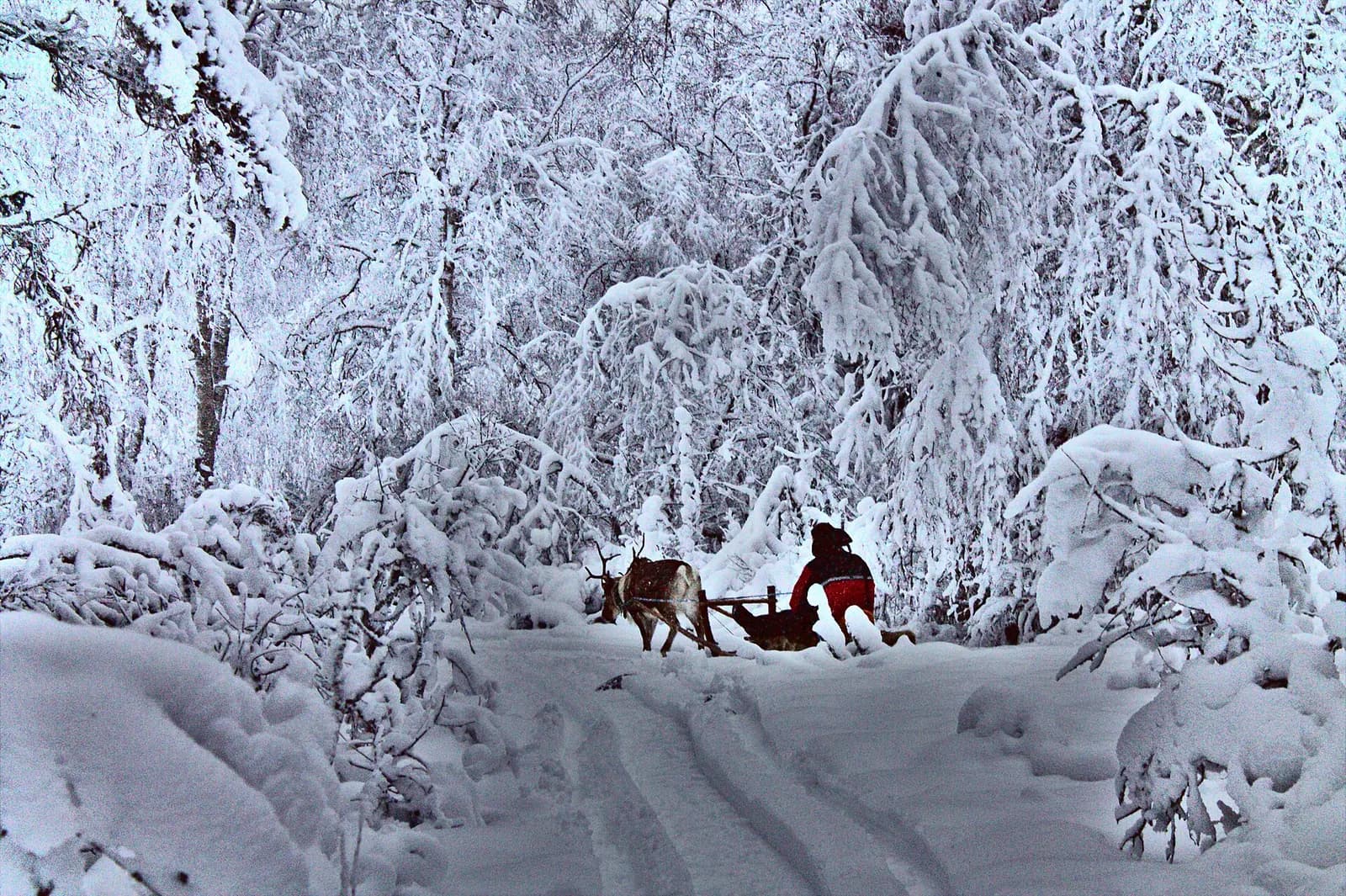
The most expensive, most crowded week of the travel year. Go somewhere Christmas is the whole point, or somewhere Christmas is not a thing at all.
New Year's Eve
December, January
One night, a dozen very different ways to spend it. Choose between the giant public show, the tradition you cannot get anywhere else, or a quiet midnight somewhere warm.
Dubai timing, quick answers
What is the best month to visit Dubai?
December through February for the absolute best weather, with January the sweet spot once the holiday crowds leave. November and March deliver nearly identical conditions with slightly less pressure on prices.
How hot does Dubai get in summer?
Highs around 105F to 110F (41C to 43C) from June through September, with coastal humidity that makes it feel hotter. Outdoor sightseeing effectively stops between mid morning and sunset, and the city shifts to its air-conditioned indoor layer, where everything remains open.
Is Dubai cheap in summer?
Comparatively, yes. Hotel rates from June through September drop dramatically from winter peaks, including at five-star properties, and summer sales run citywide. You trade outdoor comfort for luxury value.
Can you visit Dubai during Ramadan?
Yes. Attractions stay open and most restaurants now serve during the day, a big change from years past. Expect a quieter daytime rhythm, more conservative dress norms, reduced live entertainment, and lively festive evenings. The dates shift about 11 days earlier each year, so check the current window.
How many days do you need in Dubai?
Four to five days covers the headliners: the Burj Khalifa, a desert evening, old Dubai and the souks, a beach day, and a mall-and-fountains night. It also works well as a two-to-three-day stopover en route to Asia, Africa, or the Maldives.
Weighing alternatives
Similar trips, with their best months.
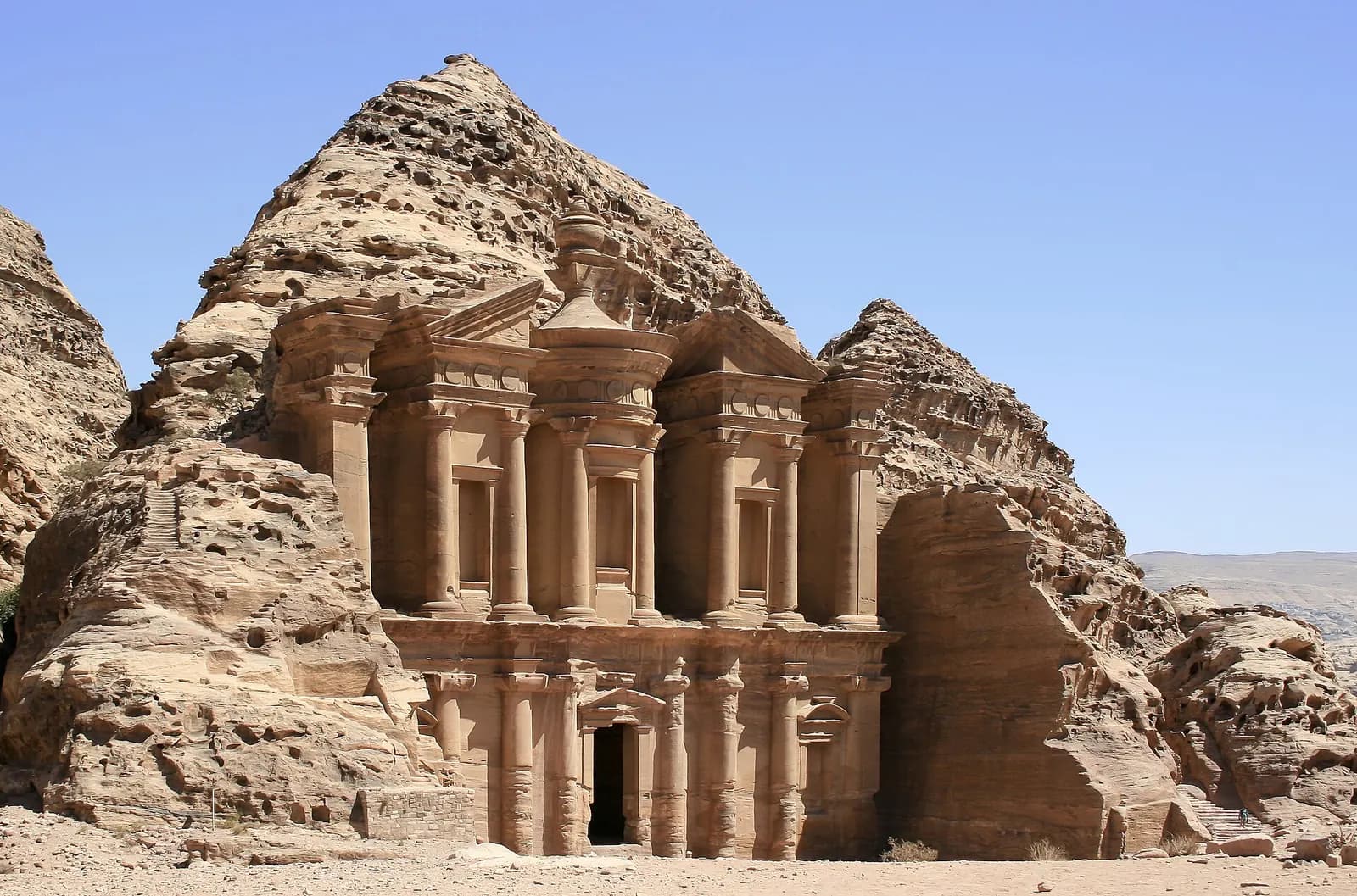
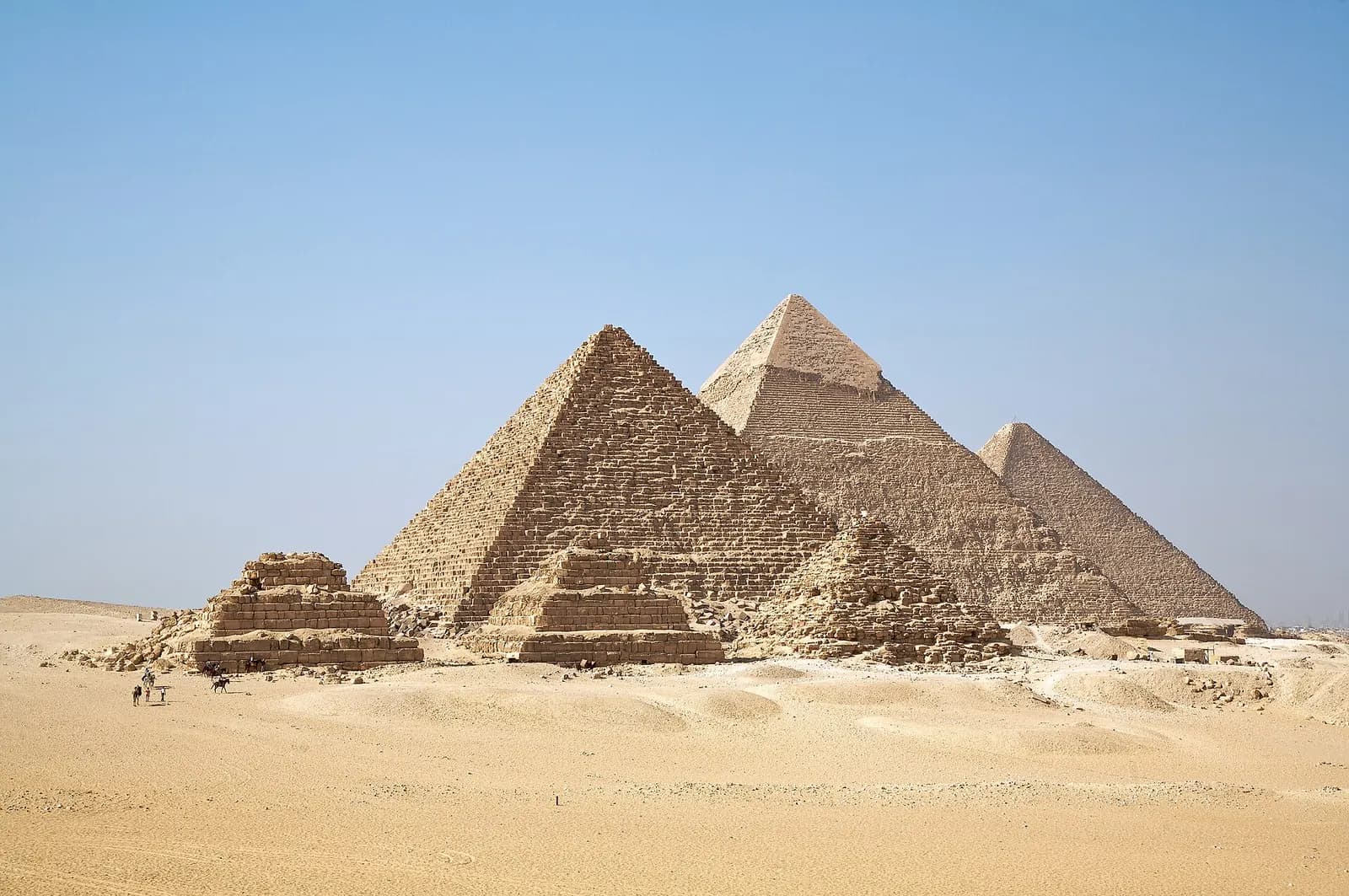
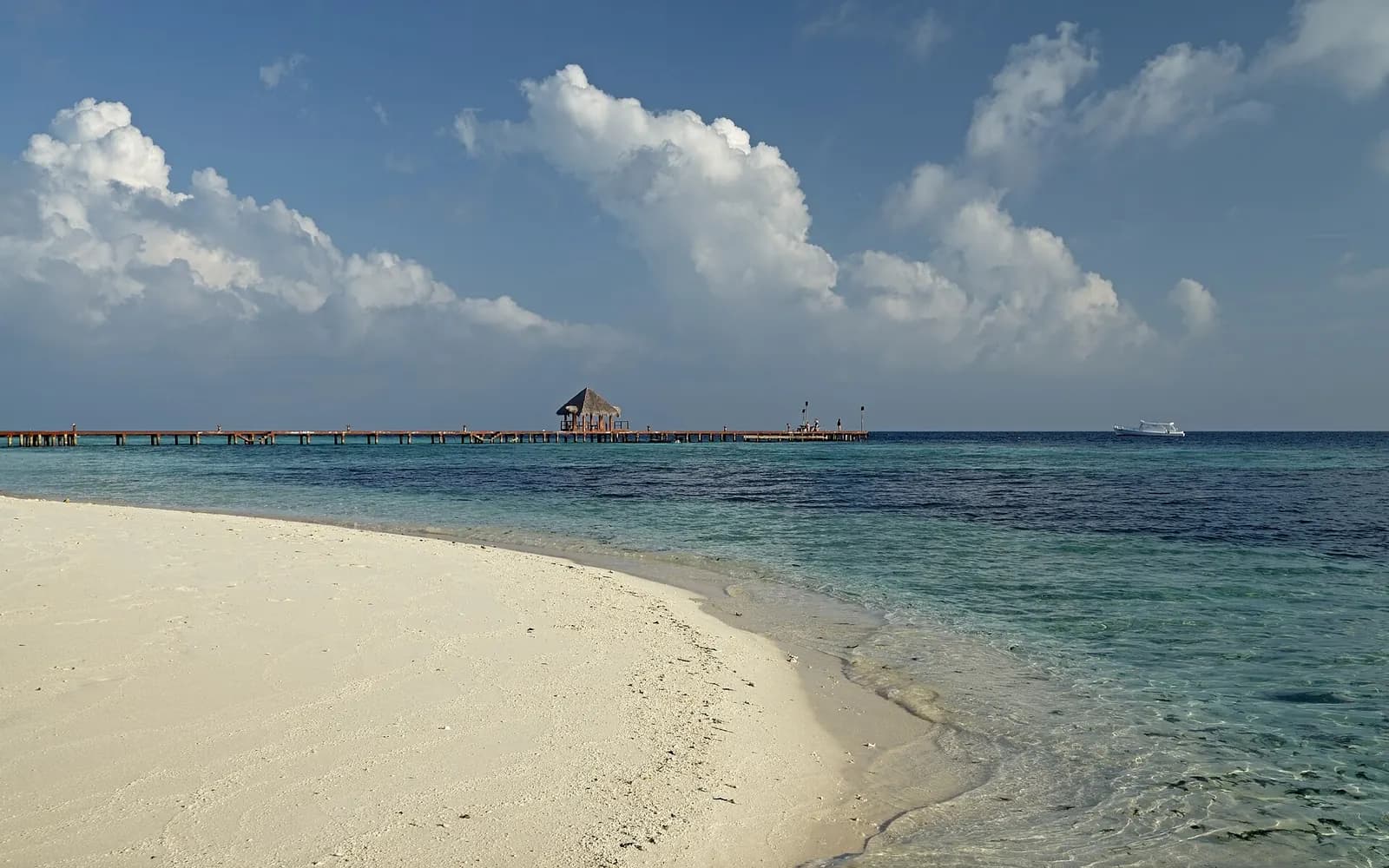
Before you book.
Sort these two things first.
Sponsored links. We may earn a commission; it never changes a verdict.
- Visit Faye
Travel insurance.
FayeA missed connection, a bag that never turns up, a hospital abroad: far cheaper to cover before departure than to argue about after.
- Visit Saily
eSIM data.
SailySet up an eSIM before you fly so your phone has data the moment you land, without roaming charges.
Our top-rated travel gear
Whatever you decide, this is the gear we actually travel with: verified, priced, and ranked. Live price check on each.

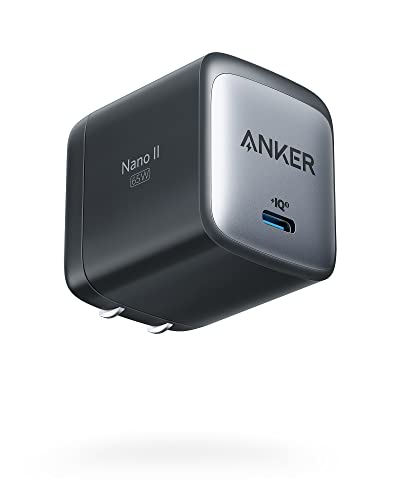



As an Amazon Associate we may earn from qualifying purchases, at no cost to you.