South Africa, Africa
The best time to visit Cape Town
Southern Hemisphere seasons, a wind with its own nickname, and a mountain that closes when it blows.
- Best months
- Feb to Mar and Oct to Nov
- Think twice
- No month is a write-off
- Quietest
- June
- Cheapest
- June
The straight answer
The best time to visit Cape Town is February through March or October through November: warm, dry, less windy than midsummer, and clear of the December and January holiday crush; June through August is the green, whale-rich, rainy low season.
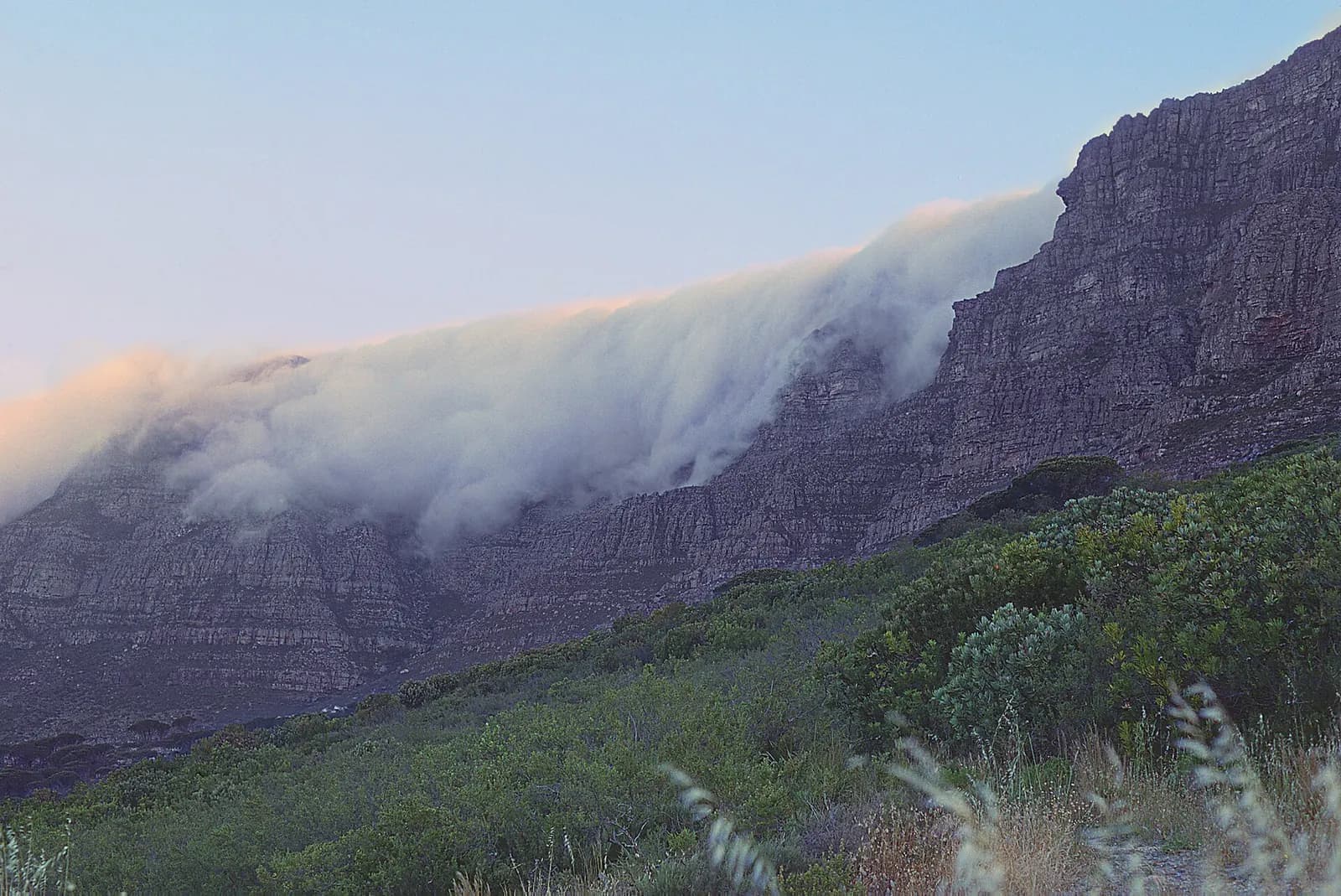
Go in February and March, or in October and November. Cape Town's seasons run opposite to the Northern Hemisphere, and its summer peak, December and January, comes with two complications the postcards skip: South African school holidays that pack every beach and restaurant, and the Cape Doctor, the howling southeaster wind that can strip a beach day and shut down the Table Mountain cableway. Late summer, February into March, keeps the warmth, calms the wind, and hands the city back; spring, October and November, delivers the same trade from the other side.
Winter, June through August, is the misunderstood season. Yes, it rains, in fronts that roll through and then clear to crystalline days, and highs settle around 63F (17C). But this is whale season along the nearby coast, green season in the winelands, low season for prices, and the best months for the famous clear light after a front. If your trip is more food, wine, and whales than beach, winter is a legitimately good deal.
Cape Town also rewards flexibility more than almost any city: the mountain is clear when it is clear, the wind blows when it blows, and locals sequence their days around the forecast rather than an itinerary. This guide gives you the month-by-month reality, what the wind actually closes, and how to time the mountain, the penguins, and the winelands like someone who lives there.
Cape Town, month by month
Every month gets a verdict. Tap one for its own page: weather, crowds, prices and what is on.
- 01JanuaryTradeoffsHot and dry, highs near 79F (26C), southeaster winds frequentPeak summer, peak crowds, and the Cape Doctor at full strength. Beautiful, busy, and windier than the photos suggest.CrowdsPrice
- 02FebruaryBestWarm and dry, highs near 80F (27C), wind easingThe locals' favorite: school holidays over, sea at its warmest, long golden evenings. Late summer at its best.Hotels for February →CrowdsPrice
- 03MarchBestWarm, highs near 77F (25C), settledStill summery with softening crowds, harvest season in the winelands, and calmer days on the mountain.Hotels for March →CrowdsPrice
- 04AprilGoodMild, highs near 73F (23C), first fronts possibleAutumn colors in the vineyards and gentle weather. A lovely, underrated month before the rains.Hotels for April →CrowdsPrice
- 05MayQuiet valueCooling, highs near 68F (20C), rain arrivingThe shoulder into winter: soft light, quiet sights, good hotel deals. Pack a rain layer and enjoy the calm.CrowdsPrice
- 06JuneQuiet valueCool and wet in spells, highs near 64F (18C)Winter proper: rain fronts, then sparkling clear days. Whales begin arriving along the coast; prices hit their floor.CrowdsPrice
- 07JulyQuiet valueCool, highs near 63F (17C), rain frontsGreen season value. The cableway typically pauses for its annual maintenance around late July; whales build along the Overberg coast.CrowdsPrice
- 08AugustQuiet valueCool, highs near 64F (18C), rain easing late monthWhale season strengthening and the first wildflowers erupting up the West Coast. The winter bet starts paying off.CrowdsPrice
- 09SeptemberGoodSpringlike, highs near 66F (19C)Peak wildflowers on the West Coast, peak whales at Hermanus, and the city waking up. A superb nature-forward month.Hotels for September →CrowdsPrice
- 10OctoberBestWarming, highs near 70F (21C), changeable early monthSpring in full stride: whales still present, gardens glorious, crowds not yet arrived. A prime window.Hotels for October →CrowdsPrice
- 11NovemberBestWarm and drying, highs near 75F (24C)Early summer without the holiday crush. Long evenings, open beaches, and the season's best all-round balance.Hotels for November →CrowdsPrice
- 12DecemberTradeoffsHot and dry, highs near 78F (26C), southeaster blowingThe holiday crush: South African school break plus international peak. Book months ahead and expect wind-shuffled plans.CrowdsPrice
Book Cape Town for February.
Sponsored links to Expedia and Vrbo. We may earn a commission; it never changes a verdict.
- Hotels for February
Hotels. Expedia
Hotels in Cape TownOpens a hotel search for Cape Town in February, dates filled in. Book early for the best months: the good rooms go first.
- Rentals on Vrbo
Vacation rentals. Vrbo
Vacation rentals in Cape TownWhole homes, condos and villas. Usually the better deal for families and groups, with a kitchen and room to spread out.
- Tours and tickets
Tours and tickets. Expedia
Tours and tickets in Cape TownTimed-entry tickets, day trips and guided tours in Cape Town for February. Popular slots sell out in the best months.
Why go to Cape Town
Table Mountain and two oceans of scenery
A flat-topped mountain rising straight from the city, beaches from Clifton to Boulders, and the Cape Peninsula's cliff-edge drives: Cape Town packs more physical drama than any city on Earth not named Rio.
The winelands next door
Stellenbosch, Franschhoek, and Constantia put centuries-old wine estates, and some of the world's best-value fine dining, within 30 to 60 minutes of the city.
Wildlife without a safari
African penguins at Boulders Beach, seals off Hout Bay, baboons on the peninsula, and, from roughly June to November, southern right whales along the nearby coast. No game drive required.
Culture, history, and food
Robben Island's history, the Bo-Kaap's color and Cape Malay cooking, township tours run by residents, and a restaurant scene that repeatedly lands on world lists at Cape prices.
Things to do, and when to do them
Table Mountain
Ride the cableway up or hike Platteklip Gorge. Go the first clear, still morning of your trip, not the day your plan says: wind closes the cableway and cloud erases the view without notice.
The Cape Peninsula loop
Chapman's Peak Drive, the Cape of Good Hope, and Cape Point in one spectacular day's circuit. Start early to reach the point before the buses.
Boulders Beach penguins
A resident African penguin colony on sheltered granite coves near Simon's Town. Boardwalk viewing year-round; mornings are calmer, in both crowds and penguins.
Robben Island
The former prison island where Nelson Mandela spent 18 years, reached by ferry from the V&A Waterfront, with former political prisoners among the guides. Book ahead; ferries cancel in rough seas.
Kirstenbosch Botanical Garden
One of the world's great botanical gardens, set against the mountain's eastern slopes. From roughly November to April, Sunday sunset concerts on the lawns are a Cape Town institution.
The winelands: Stellenbosch and Franschhoek
Historic estates, tastings, and long lunches under oaks. The Franschhoek wine tram solves the driving problem; harvest runs roughly February to April.
Whale watching at Hermanus
From roughly June to November, southern right whales calve along the Overberg coast, often visible from the cliff path itself. September is the classic peak; Hermanus is about 90 minutes from town.
Bo-Kaap and a Cape Malay meal
The candy-colored former Malay Quarter, best explored with a resident guide and a cooking class or curry lunch. Go in the morning light.
Events and seasons worth planning around
Kirstenbosch Summer Sunset Concerts
Roughly November through April, on Sundays
Open-air concerts on the garden lawns with the mountain behind the stage. Bring a picnic; big-name shows sell out early.
Cape Town Cycle Tour
Usually a Sunday in March
One of the world's largest timed cycling events laps the peninsula, closing roads for the day and filling the city with riders.
Cape Town International Jazz Festival
Usually late March or early April
The 'Africa's grandest gathering' jazz weekend, drawing international lineups and full hotels downtown.
Whale season along the Overberg coast
Roughly June through November, peaking around September
Southern right whales calve in the sheltered bays near Hermanus; Hermanus hosts a whale festival in the spring peak.
West Coast wildflower season
Roughly August into September, rain-dependent
Semi-desert plains north of the city erupt into carpets of bloom, best on sunny middays; displays vary with the winter rains.
Beat the crowds
- Sequence by weather, not by itinerary: do Table Mountain the first clear, windless morning, keep the peninsula loop and winelands as flexible swaps, and never save the mountain for the last day.
- Book the cableway online and ride before 9am, or hike up Platteklip and ride down: the midday queue in season can run past an hour at each end.
- Reach Cape Point and Boulders before 10am; both absorb the tour-bus wave from late morning, and penguins are livelier early anyway.
- Skip the December 15 to January 5 window if you have any choice: it is the national summer holiday, and the whole region operates at capacity with prices to match.
- For Robben Island, book the first ferry days ahead: morning seas are calmer, cancellations rarer, and the day's crowds land behind you.
Open or closed
- The Table Mountain cableway closes for wind, frequently in the December and January southeaster season, and typically pauses for a couple of weeks of annual maintenance in late July into early August. Check the live status the morning you go; the mountain makes its own schedule.
- Robben Island ferries cancel in rough winter seas and rebook you onward, so put the tour early in the trip, not on departure eve.
- Winter, June through August, closes very little but changes character: some seasonal beach-strip businesses shorten hours, boat trips cancel more often, and the Kirstenbosch concerts pause, while museums, wineries, and restaurants run all year. The city never seasonally shuts the way resort coasts do.
- Whales and wildflowers are strictly seasonal: whales along the Overberg coast roughly June to November, West Coast blooms roughly August into September. Outside those windows they are simply not there, no matter what a tour listing implies.
- Around the mid-December to early-January school holidays, the entire Cape operates at peak: restaurants need real reservations, popular beaches fill by mid morning, and intercity roads jam on changeover weekends.
With kids in tow
- Cape Town is a natural family city: penguins at eye level, cable cars, beach pools like the St James tidal pool, the Two Oceans Aquarium, and enough variety that no single day needs to be a long one.
- The sea is colder than it looks: Atlantic-side beaches run frigid even in summer, while False Bay beaches like Muizenberg and Fish Hoek are warmer, gentler, and better for kids, with beginner surf lessons at Muizenberg.
- Build weather-swap days into the plan: with the aquarium, museums, and winelands as rainy or windy fallbacks, no front ruins a family day.
- For homeschool families: penguin and whale ecology, fynbos botany at Kirstenbosch, and the history of Robben Island and District Six make a serious curriculum, and the February to March and October to November windows mean quiet weekday visits.
Getting there
- Cape Town International (CPT) has nonstop service from the US: United from Newark and Delta from Atlanta, with schedules that have varied seasonally. Most other routings connect once, via Johannesburg, Amsterdam, London, Paris, Frankfurt, Doha, or Dubai.
- Flight time is long from North America, roughly 15 hours plus on the nonstops, and US clocks sit 6 to 7 hours behind South Africa, so most itineraries land in the morning and push through to local bedtime.
- The airport sits about 20 minutes from the city center; ride-hailing apps work well, and most visitors rent a car for the peninsula and winelands, driving on the left.
Packing? Packing cubes and the airport kit.
Cape Town for the holidays
Holiday and school-break weeks where Cape Town makes our ranked list.
Thanksgiving
November
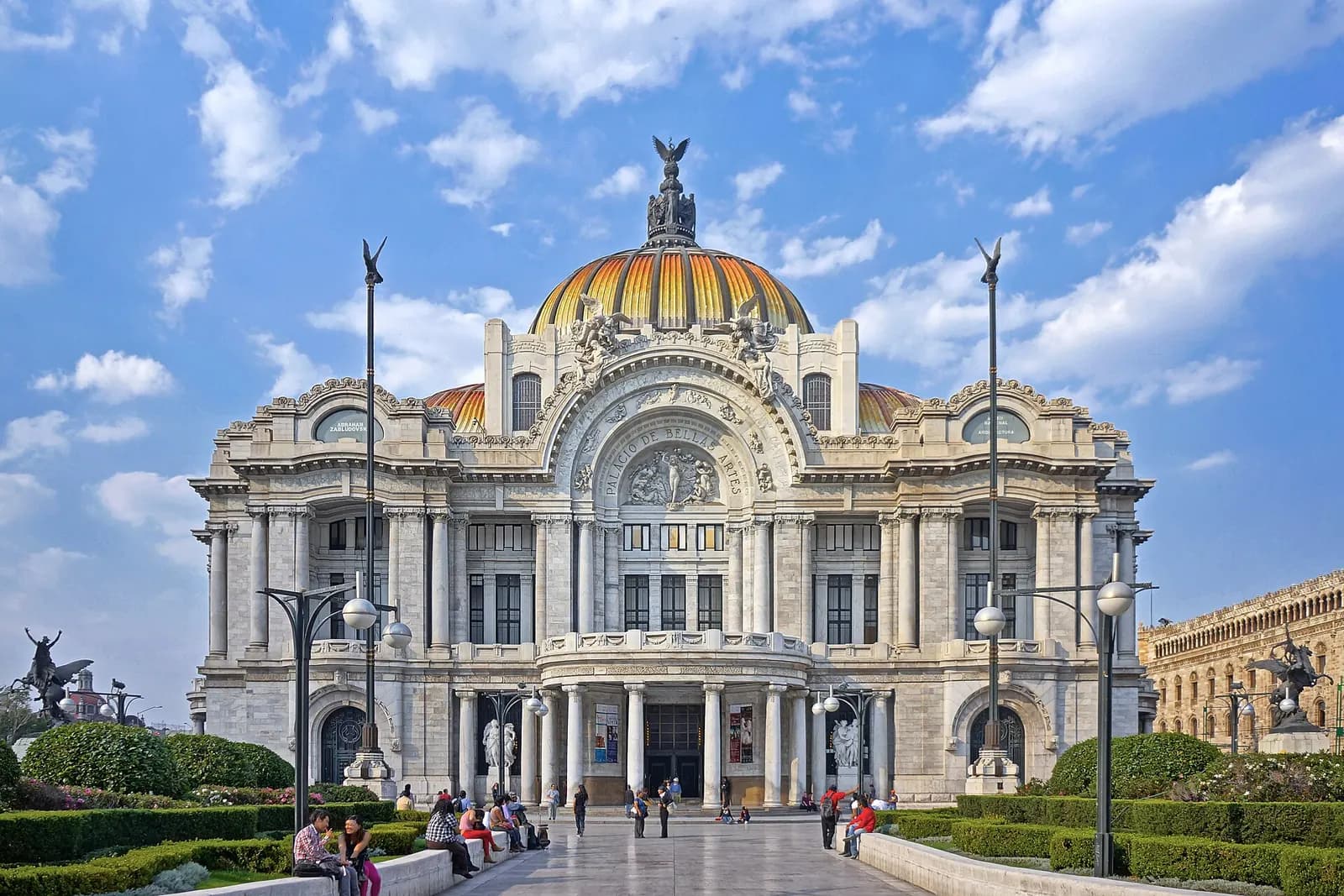
The busiest travel days in America wrapped around one of the best-value weeks abroad. Fly on the right day and go somewhere that is not having a holiday.
Christmas Week
December
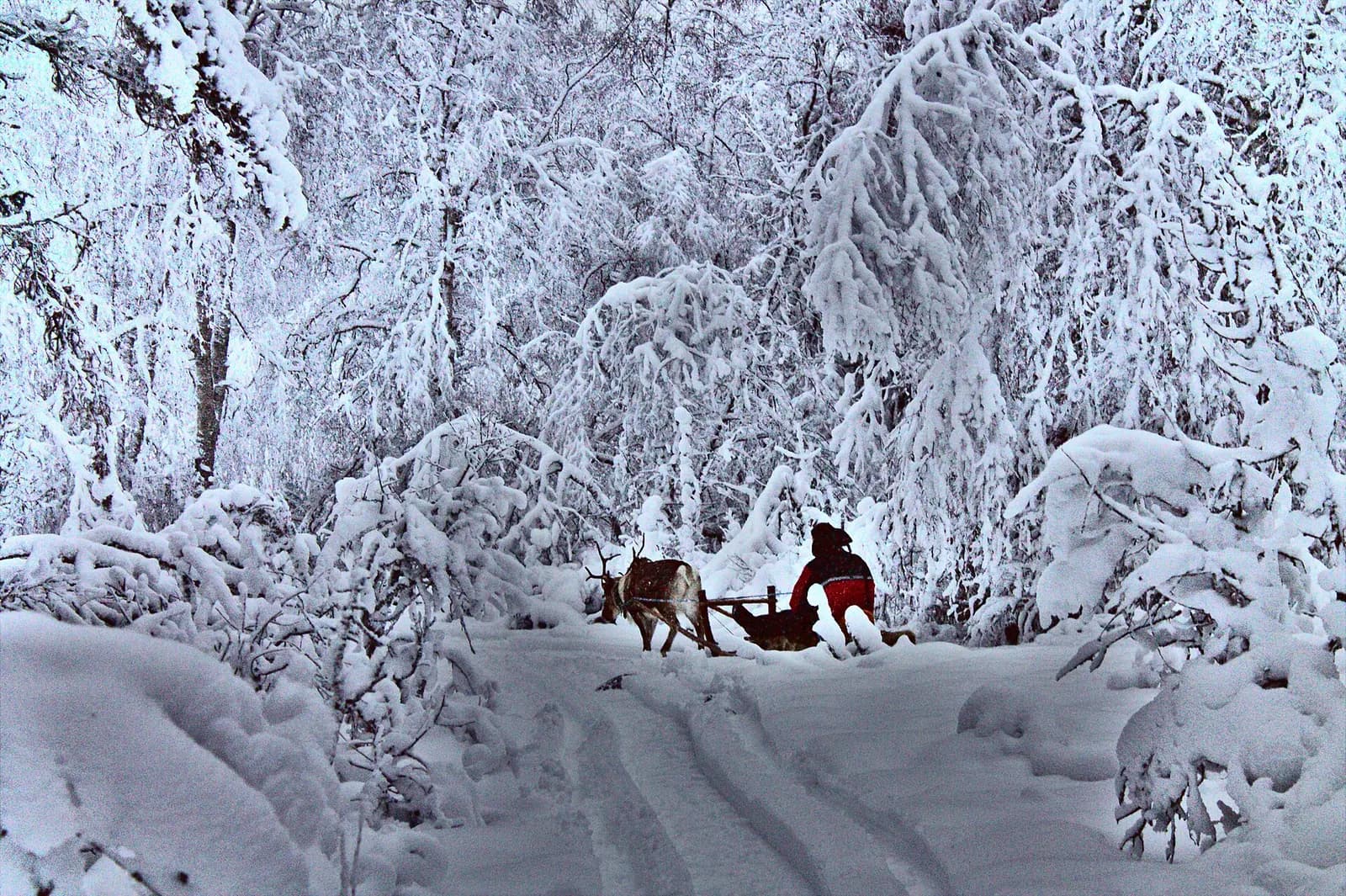
The most expensive, most crowded week of the travel year. Go somewhere Christmas is the whole point, or somewhere Christmas is not a thing at all.
Cape Town timing, quick answers
What is the best month to visit Cape Town?
February. It keeps everything good about summer, warm and dry with the sea at its warmest, while shedding the December school-holiday crowds and much of the summer wind. March and November are the runners-up.
What is the Cape Doctor?
The local name for the strong southeast wind that blows across the Cape in summer, especially December and January. It clears the air, drapes the famous tablecloth cloud over the mountain, closes the cableway at times, and can sandblast the wrong beach; locals just switch to a sheltered coast that day.
Is Cape Town worth visiting in winter?
Yes, for the right trip: June through August brings rain fronts and cool highs around 63F (17C), but also whale season, green winelands, empty sights, sparkling post-front days, and the year's lowest prices. It is a food-wine-whales season rather than a beach season.
When can you see whales near Cape Town?
Roughly June through November, when southern right whales calve along the Overberg coast near Hermanus, with September the traditional peak. Sightings happen from the cliff paths themselves, no boat required, though boat trips get closer.
How many days do you need in Cape Town?
Five full days covers the city, the mountain, the peninsula loop, and the winelands with a weather buffer. A week adds Hermanus in whale season or extra beach and food time, and Cape Town also pairs naturally with an onward safari.
Weighing alternatives
Similar trips, with their best months.
Before you book.
Sort these two things first.
Sponsored links. We may earn a commission; it never changes a verdict.
- Visit Faye
Travel insurance.
FayeA missed connection, a bag that never turns up, a hospital abroad: far cheaper to cover before departure than to argue about after.
- Visit Saily
eSIM data.
SailySet up an eSIM before you fly so your phone has data the moment you land, without roaming charges.
Our top-rated travel gear
Whatever you decide, this is the gear we actually travel with: verified, priced, and ranked. Live price check on each.





As an Amazon Associate we may earn from qualifying purchases, at no cost to you.