14 places, each with its window to go.
The Best Stargazing Destinations, and When the Skies Are Clearest
Dark skies, dry air, and the right week of the lunar cycle. Get all three and you will never forget it.
The straight answer
The best stargazing destinations are Chile's Atacama Desert, Maunakea in Hawaii, La Palma in the Canary Islands, and New Zealand's Aoraki Mackenzie reserve, and the best nights anywhere are the days around a new moon in the dry season.
Great stargazing needs three things: distance from city light, dry and stable air, and no moon. The places on this list handle the first two. Most are certified International Dark Sky Parks or Reserves, and several host some of the world's biggest professional telescopes, which is the best evidence there is that the skies are genuinely exceptional.
The third part is up to you. Plan your trip around a new moon, and ideally the week on either side of it, when the sky is darkest after moonset. A full moon washes out the Milky Way almost anywhere, no matter how remote.
Season matters too. The bright core of the Milky Way is best seen from about March to October, and it rides highest in Southern Hemisphere skies during their winter, which is one reason the Atacama, Namibia, Uluru, and New Zealand are so spectacular from May to September. Northern sites have their own advantages in the long nights of autumn and winter.
01Atacama Desert
San Pedro de Atacama, Chile
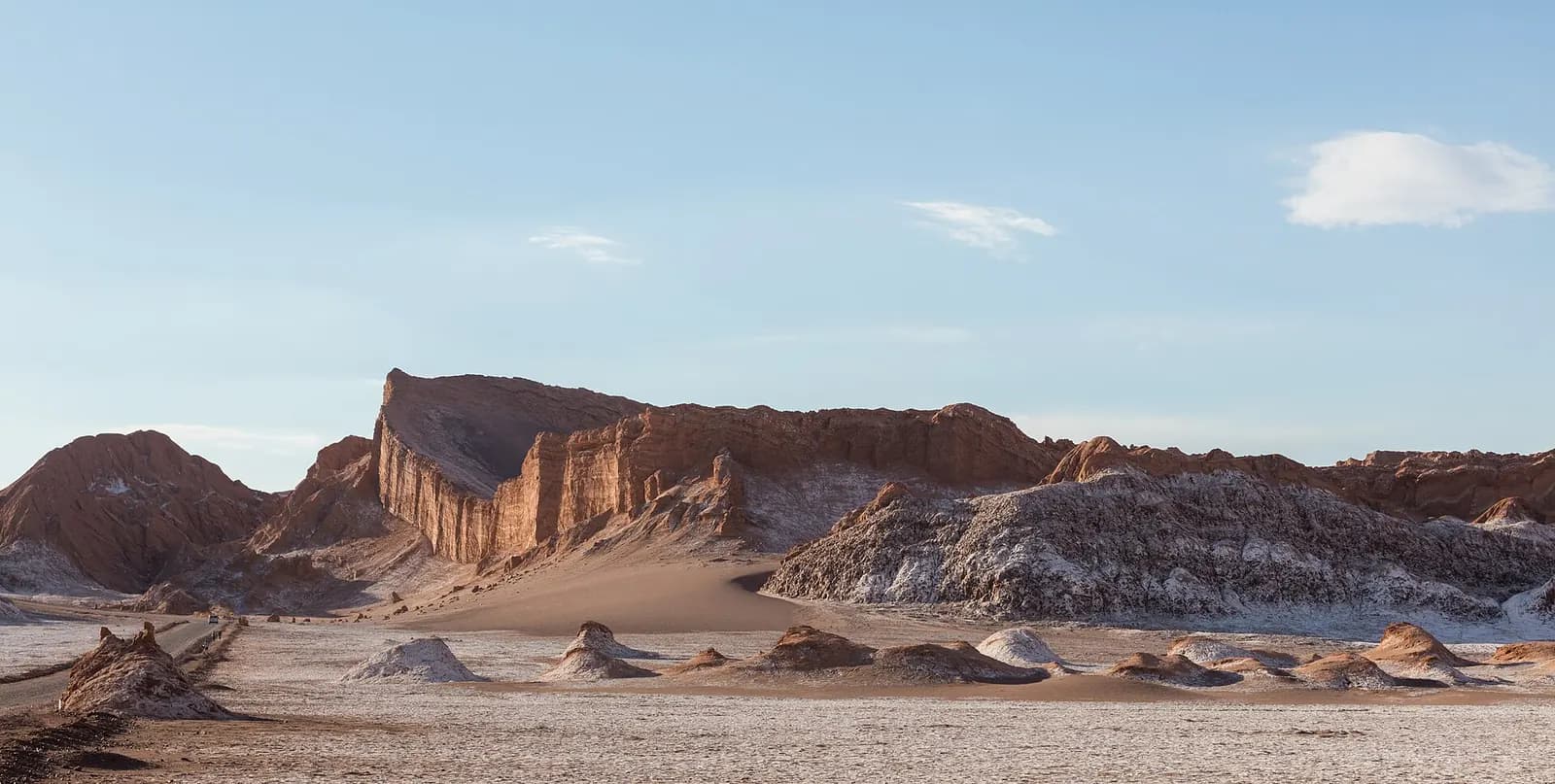
One of the driest places on Earth, high enough and clear enough that major observatories, including ALMA, cluster here. Astronomy tours from San Pedro set up telescopes in the desert, and the Milky Way core passes almost overhead in the southern winter. Summer storms from the Bolivian highlands can cloud January and February.
 02
02Maunakea
Island of Hawaii
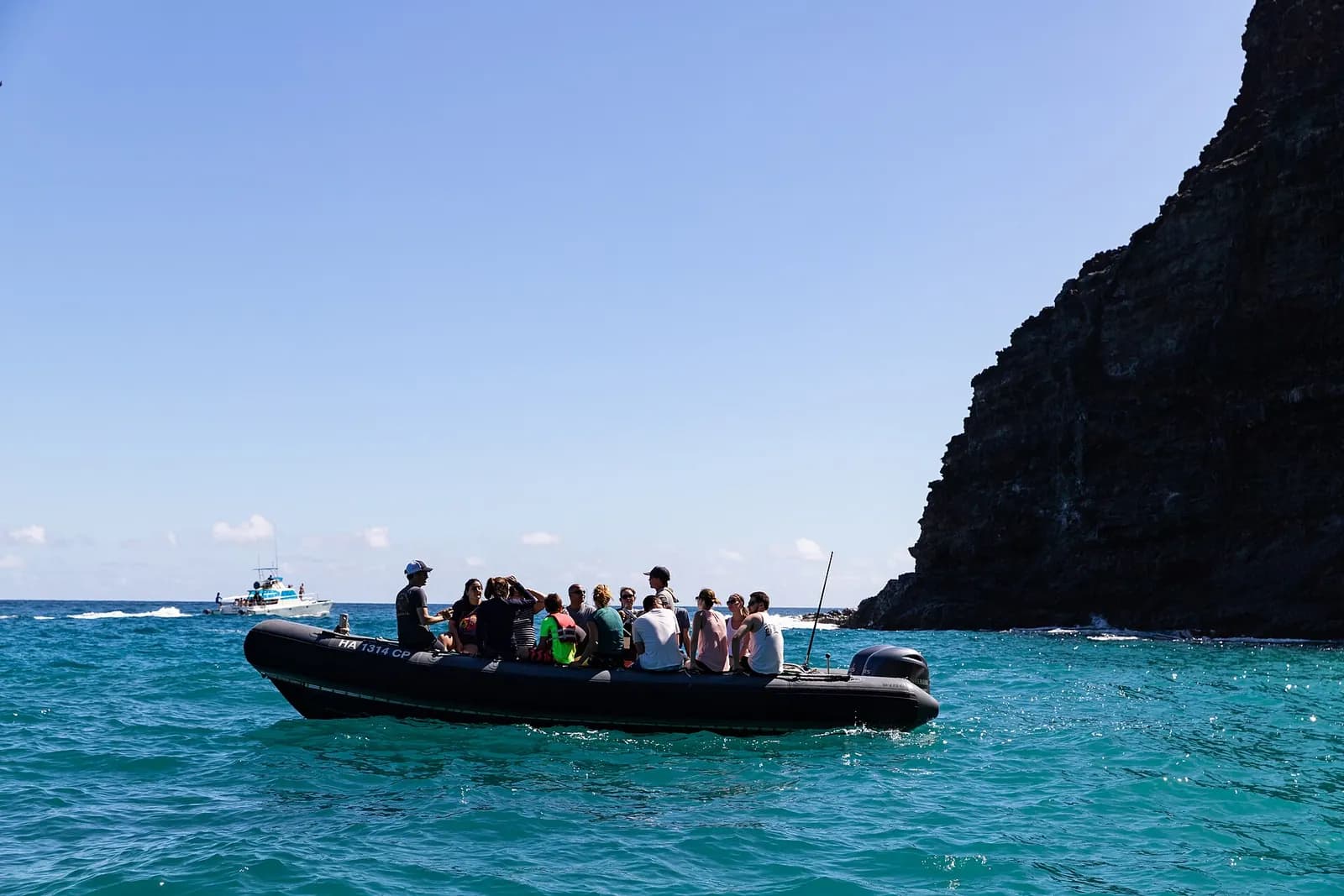
The 13,803-foot summit hosts one of the world's great concentrations of observatories because it sits above most of the atmosphere's moisture. Visitors can stargaze from the Maunakea Visitor Information Station at about 9,200 feet; check its current programs before you go, and treat the summit road with respect for its altitude and its cultural significance to Native Hawaiians.
 03
03La Palma
Canary Islands, Spain
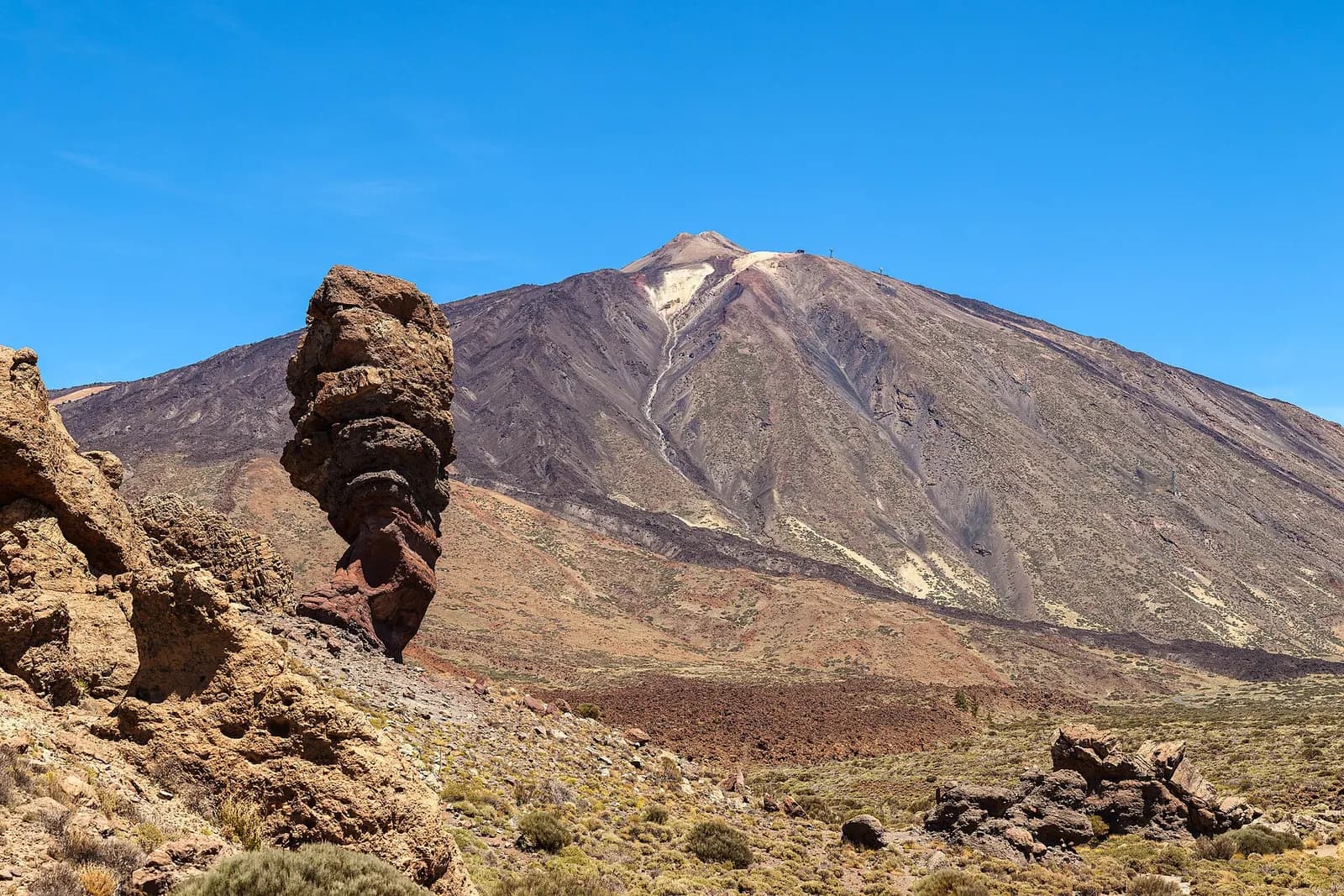
The island protected its night sky by law in 1988 to shield the Roque de los Muchachos Observatory, one of the most important in the Northern Hemisphere, and the whole island is a Starlight Reserve. Viewpoints with information panels dot the island, and summer brings the most stable skies above the cloud layer.
 04
04Aoraki Mackenzie International Dark Sky Reserve
Lake Tekapo, South Island, New Zealand
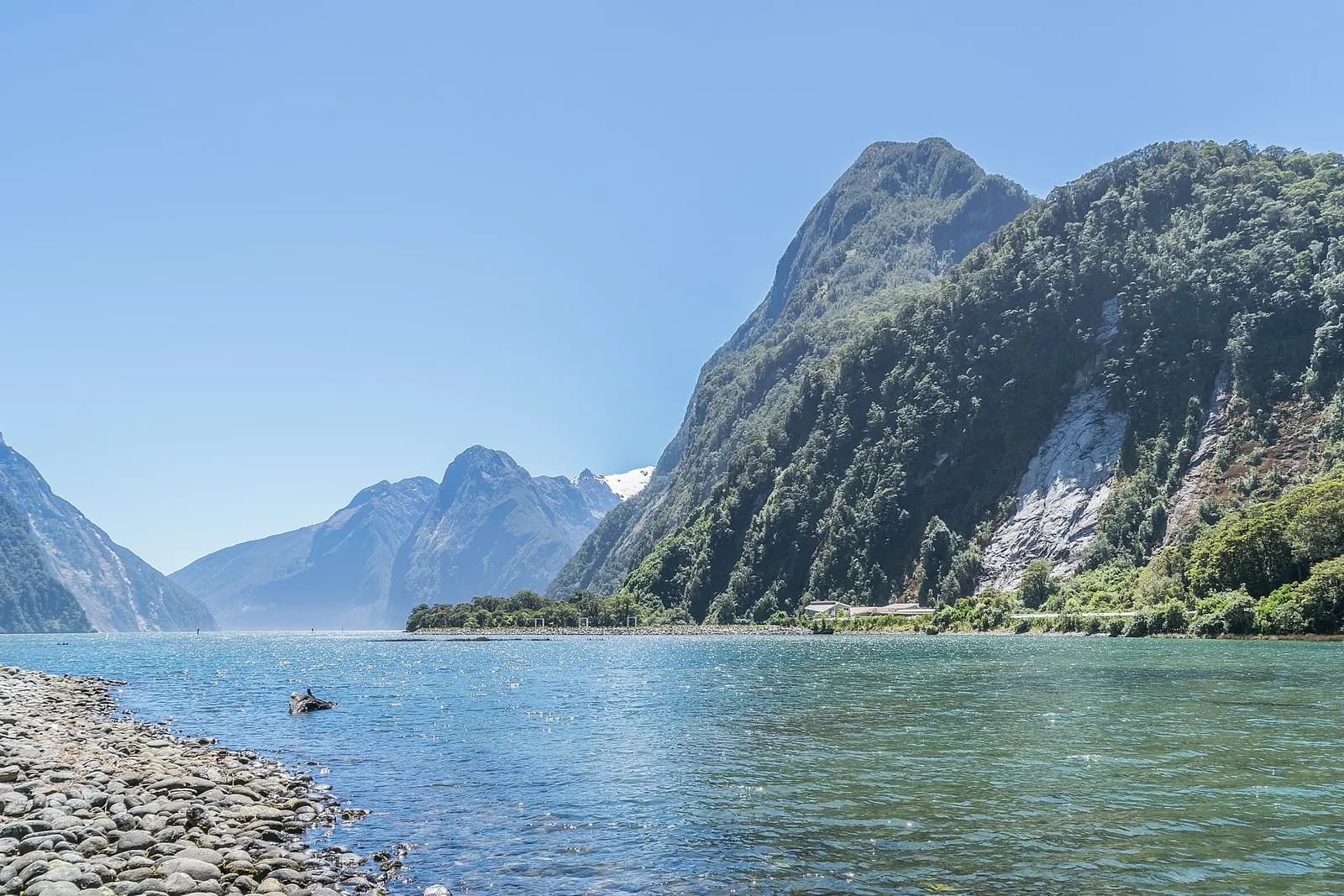
One of the largest dark sky reserves in the world, centered on Lake Tekapo and the University of Canterbury's Mount John Observatory, with the Magellanic Clouds and the southern Milky Way on display. Long winter nights are the best, but bring real cold-weather gear.
 05
05NamibRand Nature Reserve
Southern Namibia
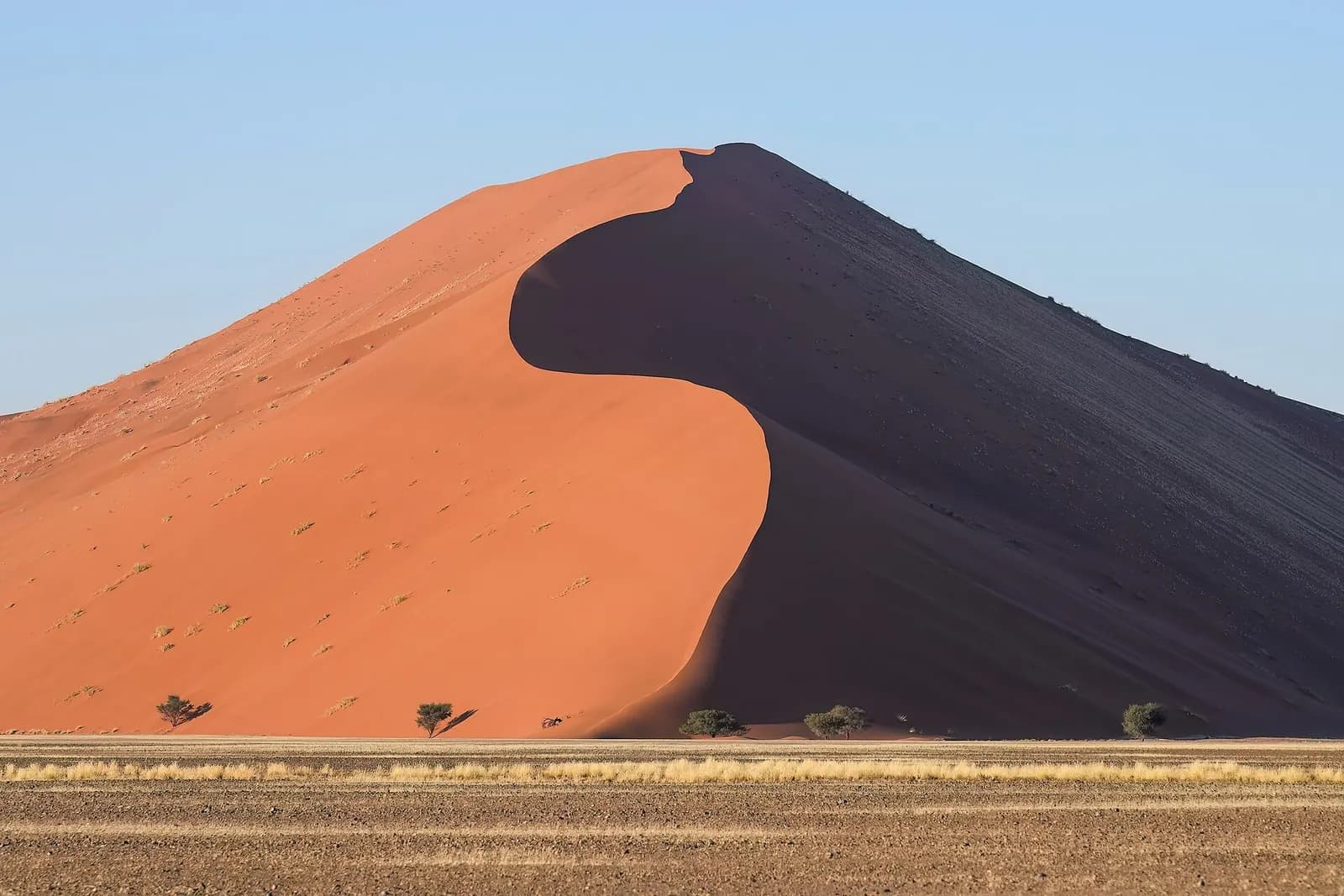
Africa's first International Dark Sky Reserve, a private reserve on the edge of the Namib Desert near Sossusvlei, with some of the darkest measured skies on Earth. Dry winter months bring clear nights, and several lodges offer telescopes and open-air sleeping decks.
 06
06Uluru-Kata Tjuta
Northern Territory, Australia
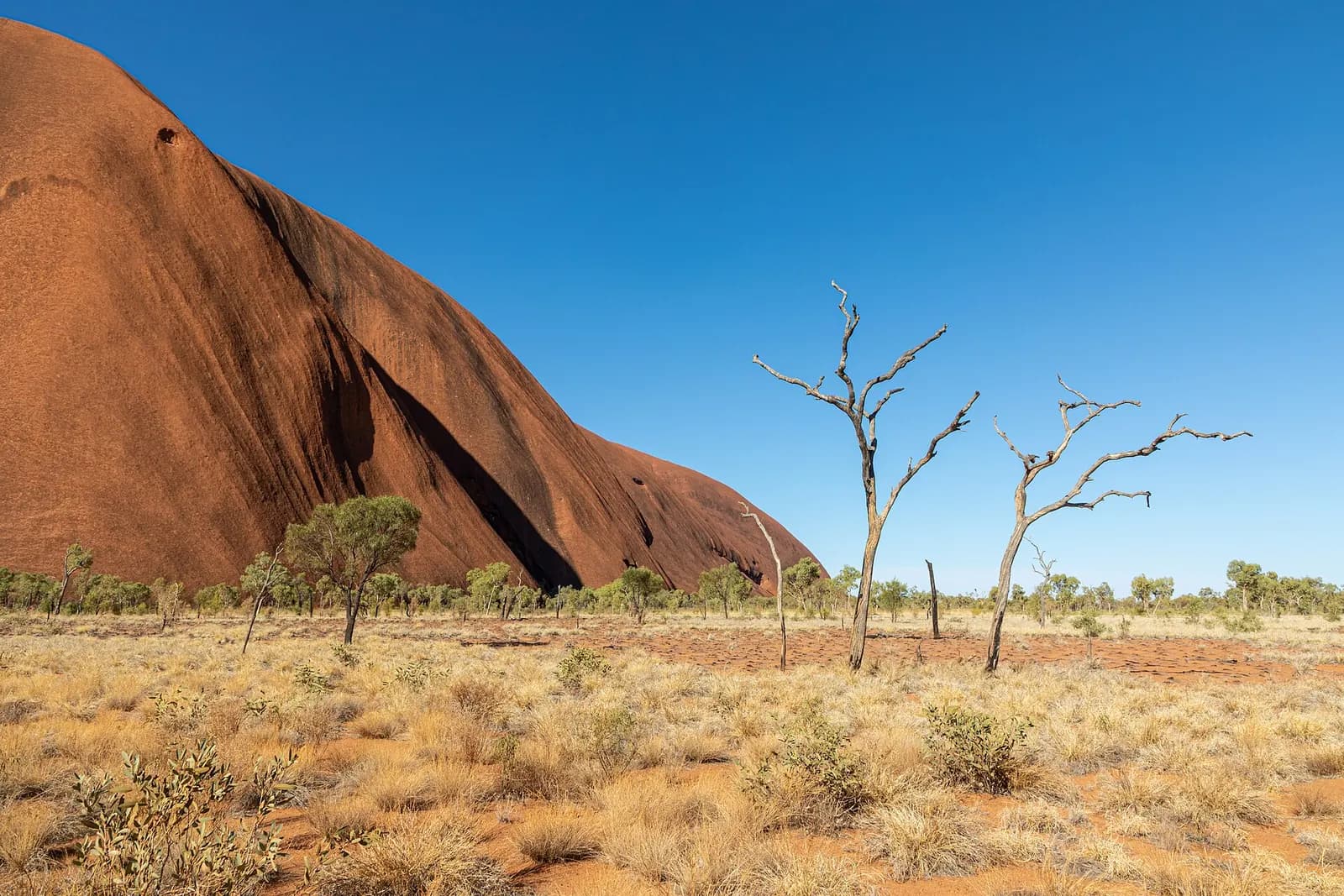
Hundreds of kilometers of desert in every direction keep the skies over the Red Centre extremely dark, and the dry southern winter brings clear, cold nights. Several operators run astronomy sessions near Yulara, the resort town beside the park.
 07
07Wadi Rum
Southern Jordan
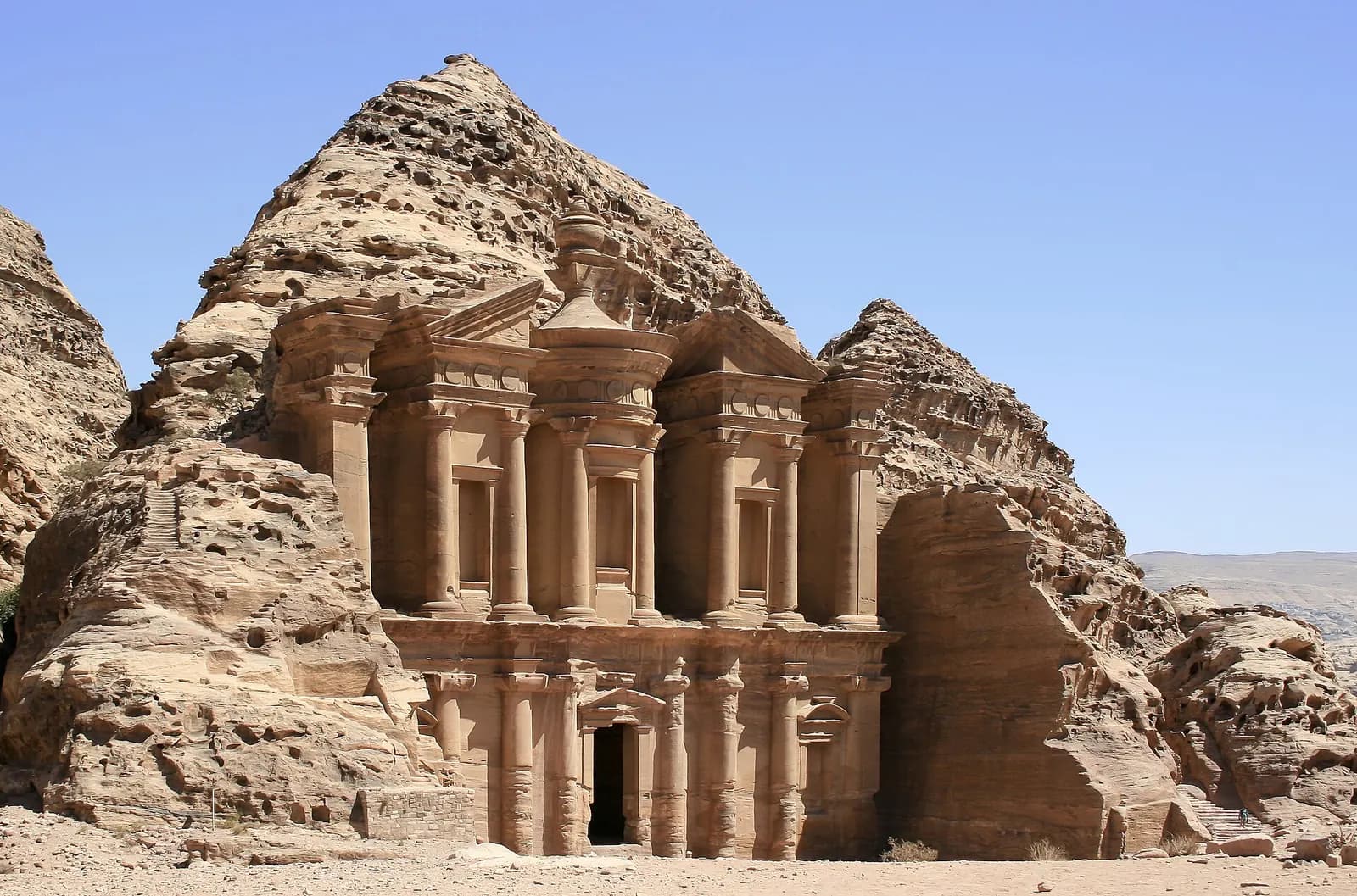
Bedouin desert camps set among sandstone mountains, far from any city, with some camps offering bubble tents or open-air sleeping under the stars. Spring and autumn nights are cool and clear; summer is hot and winter nights drop near freezing.
Big Bend National Park
West Texas
An International Dark Sky Park that the National Park Service describes as having some of the darkest skies in the lower 48, hundreds of miles from any major city. Spring and fall are comfortable; summer days are extremely hot at lower elevations.
 09
09Great Basin National Park
Baker, Nevada
One of the darkest spots in the continental US, with rangers leading astronomy programs in summer and an annual astronomy festival. The high elevation, above 6,000 feet at the visitor center, means crisp, stable air.
Death Valley National Park
California and Nevada
A Gold Tier International Dark Sky Park, and the largest national park in the lower 48, where the cooler months make it comfortable to wander out onto the dunes or salt flats after dark. Summer nights can stay above 90F (32C).
Cherry Springs State Park
Potter County, Pennsylvania
Widely considered the darkest sky on the East Coast, and a certified International Dark Sky Park, with a dedicated astronomy field that draws amateur astronomers from across the Northeast. Summer brings the Milky Way core and warmer nights.
Jasper Dark Sky Preserve
Jasper National Park, Alberta, Canada
One of the largest accessible dark sky preserves in the world, with an annual Dark Sky Festival usually held in October. Autumn brings long, dark nights and a good chance of seeing the northern lights.
 13
13Kerry International Dark Sky Reserve
Iveragh Peninsula, County Kerry, Ireland
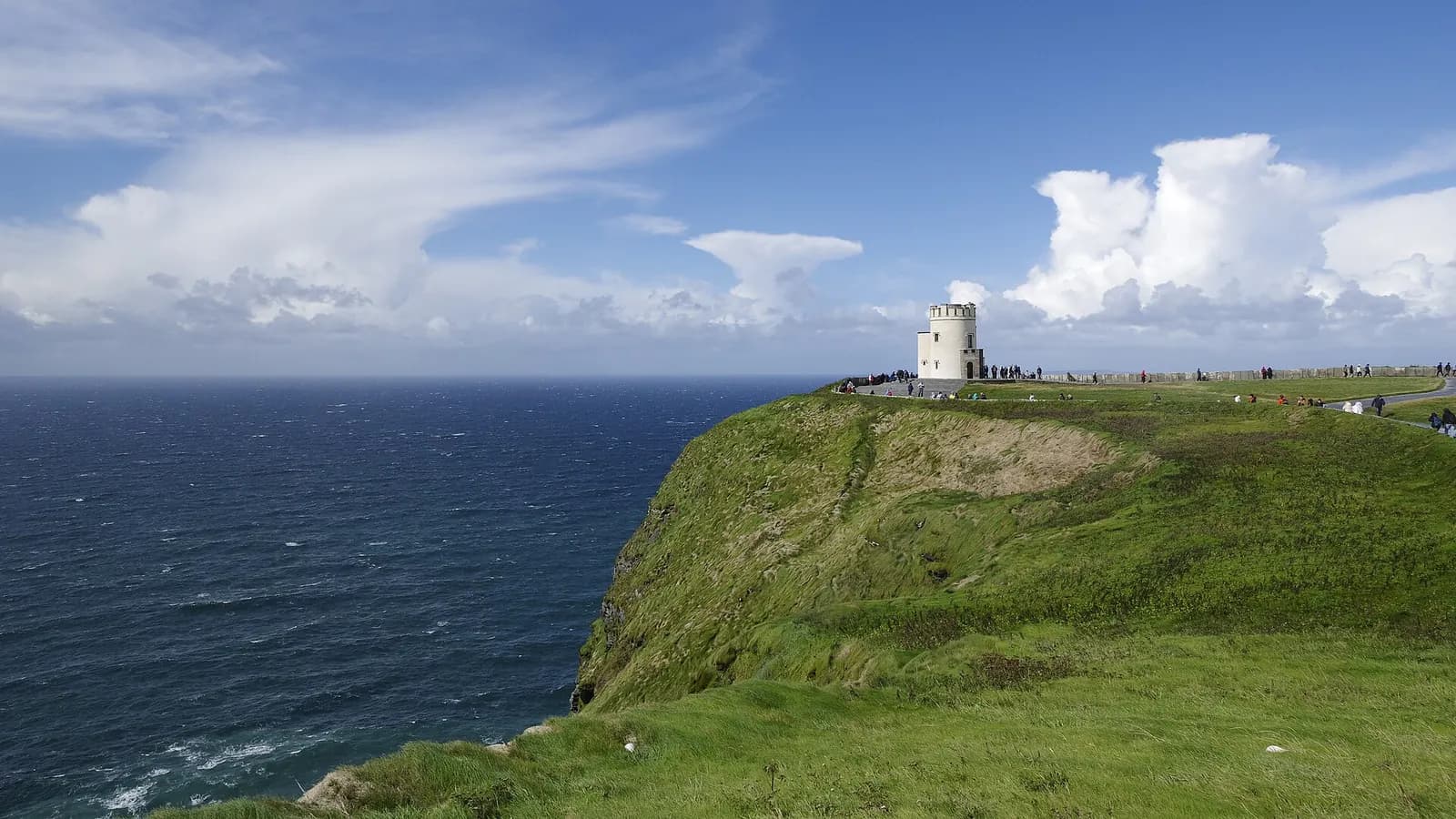
The Northern Hemisphere's first Gold Tier International Dark Sky Reserve, on the Atlantic edge of the Ring of Kerry, where the next landfall to the west is North America. Irish weather means cloud is common, so plan several nights, ideally in the long nights of autumn and winter.
 14
14Finnish Lapland
Inari and Saariselka, Finland
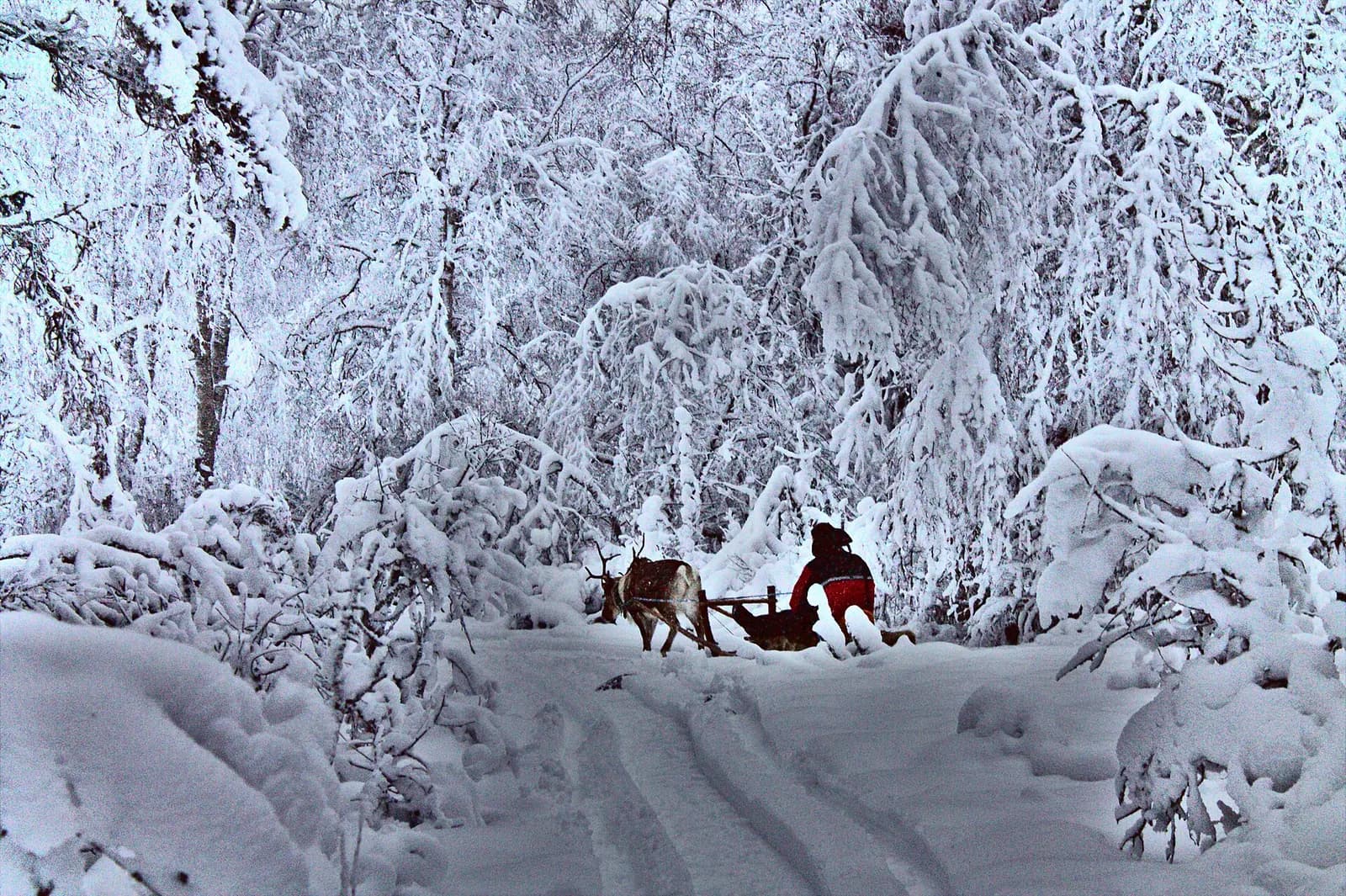
Deep winter darkness, low light pollution, and a good position under the auroral oval make Lapland one of the best places for the northern lights, with the stars as a bonus. Nights get dark enough for aurora from late August, and the season runs until about March.
Quick answers
When is the best time for stargazing?
The best nights are around the new moon, when there is no moonlight to wash out faint stars. For the Milky Way core, the best months are roughly March to October in both hemispheres, with the southern winter from May to September offering the most spectacular views.
Where is the darkest sky in the world?
Some of the darkest measured skies are in the Atacama Desert, the NamibRand reserve in Namibia, and on high island peaks like Maunakea and La Palma. In the US, Big Bend, Great Basin, and Death Valley are among the darkest.
What is an International Dark Sky Park?
It is a certification from DarkSky International, the nonprofit formerly known as the International Dark-Sky Association, for places with exceptional starry skies and policies to protect them from light pollution. Reserves and parks are ranked in tiers, with Gold the highest.
Can I combine stargazing with the northern lights?
Yes. Finnish Lapland and Jasper both offer dark skies with a real chance of aurora from late August into early spring. Aurora is strongest around the equinoxes in many years, so September and March are good bets.
More lists
Before you book.
Sort these two things first.
Sponsored links. We may earn a commission; it never changes a verdict.
- Visit Faye
Travel insurance.
FayeA missed connection, a bag that never turns up, a hospital abroad: far cheaper to cover before departure than to argue about after.
- Visit Saily
eSIM data.
SailySet up an eSIM before you fly so your phone has data the moment you land, without roaming charges.
Our top-rated travel gear
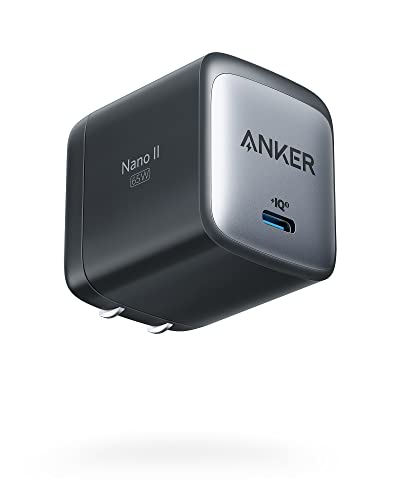
Whatever you decide, this is the gear we actually travel with: verified, priced, and ranked. Live price check on each.




As an Amazon Associate we may earn from qualifying purchases, at no cost to you.