Chile, South America
The best time to visit Atacama Desert
The driest nonpolar desert on Earth, where the sky is clear nearly every night and the real variables are summer storms and winter cold.
- Best months
- Apr to May and Sep to Nov
- Think twice
- Feb
- Quietest
- April
- Cheapest
- May
The straight answer
The best time to visit the Atacama Desert is March through May or September through November, the southern hemisphere fall and spring, when days are warm, nights are cold but bearable, and high-altitude roads are reliably open.
Go in March through May, or September through November. San Pedro de Atacama, the base for nearly every trip, sits at about 7,900 feet, and the classic excursions climb much higher: the El Tatio geysers at around 14,000 feet, the altiplano lagoons above 13,000. In the shoulder seasons, days in San Pedro reach the low to mid 70sF (22C to 25C) and nights drop into the 30sF and 40sF (0C to 7C). Skies are clear, winds are manageable, and the high roads are open.
The two extremes each have one real problem. Summer, December through February, brings the altiplanic winter (invierno altiplanico), a spell of afternoon storms blowing in from Bolivia that can flood roads, close tours to the high lagoons and geysers, and bring clouds that hide the stars; it is also Chile's busy summer holiday season. Winter, June through August, is dry and clear, with the best stargazing of the year, but nights in San Pedro drop below freezing and the geysers at dawn can hit 5F to 14F (minus 15C to minus 10C). Snow can close high passes and routes to Bolivia's Uyuni salt flats.
The Atacama is one of the best places on Earth for stargazing, which is why many of the world's major observatories are here. The Milky Way's bright core is overhead from roughly April through September, which makes fall and winter nights especially spectacular. Pick dates around the new moon for the darkest skies; a full moon washes out the stars no matter the season.
Atacama Desert, month by month
Every month gets a verdict. Tap one for its own page: weather, crowds, prices and what is on.
- 01JanuaryTradeoffsWarm days near 82F (28C), cool nights near 45F (7C), afternoon storms possibleChile's summer holidays fill San Pedro. The altiplanic winter can bring storms that close high-altitude tours and cloud the night sky.CrowdsPrice
- 02FebruaryThink twiceWarm, highs near 81F (27C), the stormiest monthPeak altiplanic storms. Flooded roads and canceled tours to El Tatio and the high lagoons are common, and stargazing suffers.CrowdsPrice
- 03MarchGoodWarm, highs near 79F (26C), storms fadingStorms taper off and the summer crowds leave. A good month to start the best season.Hotels for March →CrowdsPrice
- 04AprilBestMild days near 75F (24C), cold nights near 36F (2C)Clear, stable weather and the Milky Way core rising in the evening sky. One of the best months overall.Hotels for April →CrowdsPrice
- 05MayBestMild days near 72F (22C), nights near freezingCrisp and clear, with excellent stargazing and few visitors. Pack a warm jacket for early starts.Hotels for May →CrowdsPrice
- 06JuneGoodCool days near 70F (21C), cold nights near 28F (minus 2C)Winter brings the clearest skies and best stargazing, but freezing nights. Fiesta de San Pedro on June 29 brings dances to the town.Hotels for June →CrowdsPrice
- 07JulyQuiet valueCoolest month, days near 68F (20C), nights well below freezingChilean winter holidays bring more visitors. Snow can close the high passes to Bolivia and some altiplano roads.CrowdsPrice
- 08AugustQuiet valueCool days near 70F (21C), cold, windy nightsClear skies and great astronomy, but strong winds and freezing mornings. Check road conditions for El Tatio.CrowdsPrice
- 09SeptemberBestWarming, days near 73F (23C), cold nightsSpring begins with clear skies and fewer visitors. Chile's Fiestas Patrias on September 18 and 19 bring a national holiday week.Hotels for September →CrowdsPrice
- 10OctoberBestMild days near 76F (24C), nights near 39F (4C)Stable, pleasant weather and open roads to the high lagoons and geysers. A top month.Hotels for October →CrowdsPrice
- 11NovemberBestWarm days near 79F (26C), cool nightsWarm and dry before the summer rush. Great for combining the desert with the Bolivian salt flats.Hotels for November →CrowdsPrice
- 12DecemberGoodWarm days near 81F (27C), nights near 45F (7C)Warm and mostly clear early in the month; the summer holiday crowds and the first storms arrive toward the end.Hotels for December →CrowdsPrice
Book Atacama Desert for April.
Sponsored links to Expedia and Vrbo. We may earn a commission; it never changes a verdict.
- Hotels for April
Hotels. Expedia
Hotels in Atacama DesertOpens a hotel search for Atacama Desert in April, dates filled in. Book early for the best months: the good rooms go first.
- Rentals on Vrbo
Vacation rentals. Vrbo
Vacation rentals in Atacama DesertWhole homes, condos and villas. Usually the better deal for families and groups, with a kitchen and room to spread out.
- Tours and tickets
Tours and tickets. Expedia
Tours and tickets in Atacama DesertTimed-entry tickets, day trips and guided tours in Atacama Desert for April. Popular slots sell out in the best months.
Why go to Atacama Desert
Some of the clearest skies on Earth
High altitude, dry air, and little light pollution make the Atacama one of the best places in the world to see the stars, and home to major observatories like ALMA.
Otherworldly landscapes
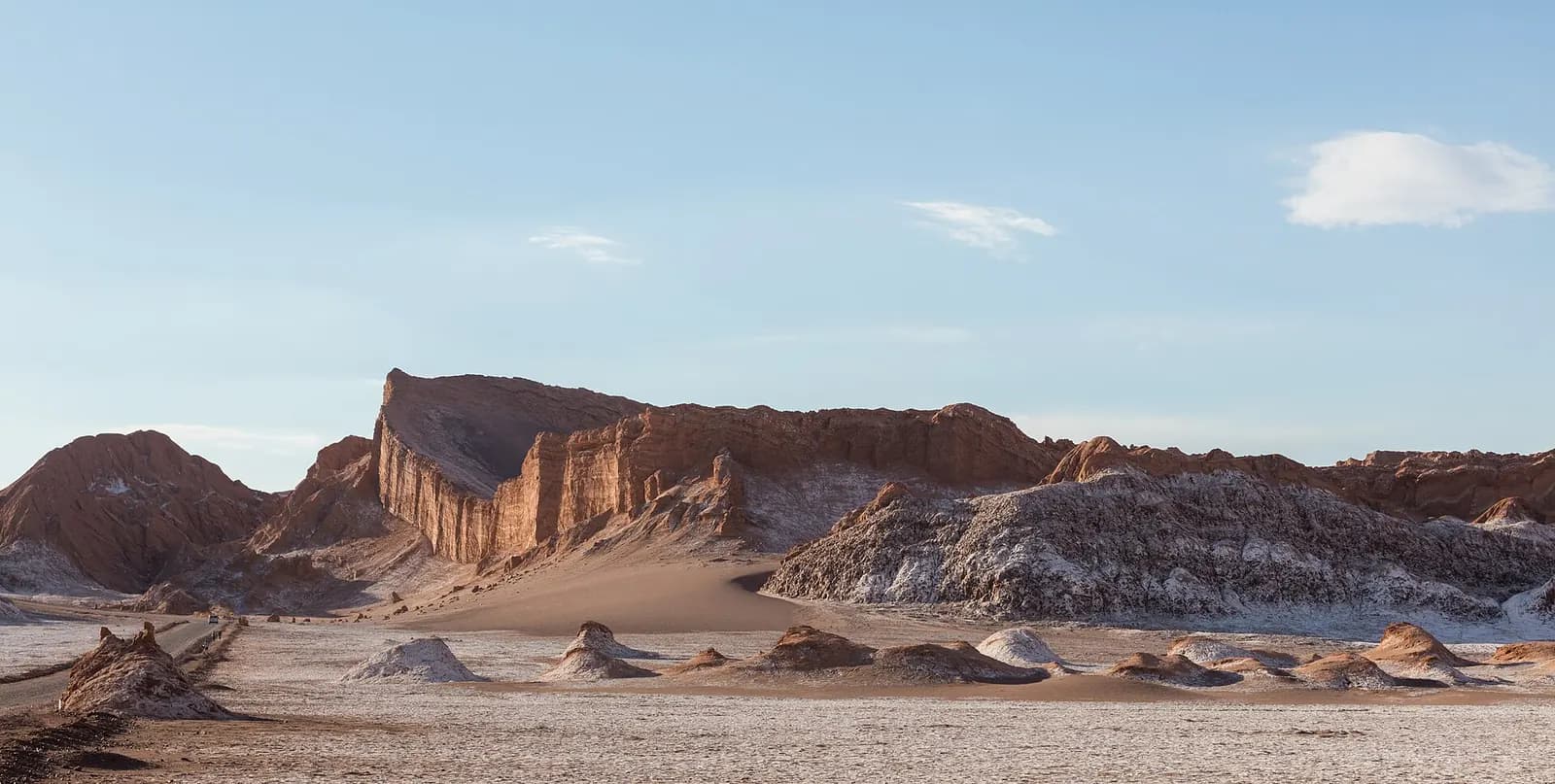
Salt flats, pink lagoons with flamingos, volcanoes, and valleys of wind-sculpted rock that look like the surface of the moon or Mars.
The El Tatio geysers
One of the largest geyser fields in the Southern Hemisphere, best seen at dawn when the steam columns rise into the freezing air.
A gateway to the altiplano
San Pedro is the starting point for multi-day trips across the high plateau to Bolivia's Uyuni salt flats.
Things to do, and when to do them
Valle de la Luna
A valley of salt formations, dunes, and ridges. Sunset from the viewpoints is the classic experience; entry is limited, so book ahead in high season.
El Tatio geysers
Leave San Pedro before dawn to see the geysers at their most active. It is freezing at that hour in any season, so dress in layers.
Stargazing tour
Local operators set up telescopes outside town. Book on nights close to the new moon for the darkest skies.
Laguna Cejar
A salt lagoon so dense you float, a short drive from San Pedro. Rinse off afterward; the salt dries fast.
Altiplanic lagoons (Miscanti and Miniques)
Deep blue lakes below volcanoes at over 13,000 feet. Go after a few days acclimatizing in San Pedro.
ALMA Observatory
One of the world's largest radio telescope arrays. Free public visits to the operations support facility run on weekends and must be booked in advance.
Salar de Atacama and Laguna Chaxa
Chile's largest salt flat, with flamingos feeding in the shallow lagoons. Best at sunrise or sunset.
Events and seasons worth planning around
Fiesta de San Pedro y San Pablo
June 29 every year
San Pedro de Atacama's patron saint festival, with traditional dances, processions, and music in the town center.
Fiestas Patrias
September 18 and 19 every year
Chile's national holidays, with fondas, cueca dancing, and a busy week for domestic travel.
Milky Way core season
Roughly April through September
The brightest part of the Milky Way is overhead in the evening. Plan around the new moon for the best views.
Beat the crowds
- Avoid Chile's summer holidays (January and February) and the July winter break, when San Pedro fills with domestic travelers.
- Book stargazing tours for nights near the new moon; tours still run on full moon nights, but the stars are washed out.
- Spend the first two days on lower-altitude trips like Valle de la Luna before tackling El Tatio and the high lagoons.
- April, May, October, and November combine clear weather with lower prices and fewer visitors.
Open or closed
- Summer storms in January and February can close roads and cancel tours to El Tatio, the high lagoons, and the Bolivian border.
- Winter snow in June through August can close the high passes and routes to Uyuni.
- Valle de la Luna and some other sites are managed by local Indigenous communities or public agencies and may close on certain days or have capped entry.
- ALMA public visits run only on weekends and require advance booking.
With kids in tow
- The Atacama is a great destination for older kids interested in space and geology, with stargazing tours offering a hands-on introduction to astronomy.
- Altitude is the main concern for young children: San Pedro is at about 7,900 feet, and El Tatio is higher. Acclimatize slowly and keep kids hydrated.
- Floating in Laguna Cejar and sandboarding on the dunes near Valle de la Luna are highlights for families.
- For homeschool families, the Atacama is a natural lab for astronomy, geology, and adaptation to extreme environments.
Getting there
- Fly into Santiago (SCL), with nonstops from Miami, Dallas, Atlanta, New York, and Houston, among others. Then take a two-hour domestic flight to Calama (CJC).
- From Calama, it is about an hour and a half by shuttle or rental car to San Pedro de Atacama.
- Overland tours connect San Pedro with Uyuni in Bolivia over three days, crossing the high plateau.
Packing? Packing cubes and the airport kit.
Atacama Desert timing, quick answers
What is the best month to visit the Atacama Desert?
October or April. Mild days, clear skies, and open roads to the high-altitude sites, with fewer visitors than the summer holidays.
What is the cheapest time to visit the Atacama Desert?
May, June, August, and September, outside Chile's school holidays, usually have the lowest prices.
When is the rainy season in the Atacama?
It rarely rains in the lowlands, but the altiplanic winter in January and February can bring storms to the higher areas, closing roads and tours.
What is the best time for stargazing in the Atacama?
Clear skies are common year-round, but April through September has the Milky Way core overhead and the driest air. Go near the new moon.
How cold does the Atacama get?
Nights in San Pedro drop below freezing in winter, and dawn at El Tatio can fall to around 5F to 14F (minus 15C to minus 10C). Days are still mild.
Is altitude a problem in San Pedro de Atacama?
San Pedro is at about 7,900 feet, and many excursions go above 13,000 feet. Most visitors adjust with a couple of easy days first, but take it seriously.
Weighing alternatives
Similar trips, with their best months.
Before you book.
Sort these two things first.
Sponsored links. We may earn a commission; it never changes a verdict.
- Visit Faye
Travel insurance.
FayeA missed connection, a bag that never turns up, a hospital abroad: far cheaper to cover before departure than to argue about after.
- Visit Saily
eSIM data.
SailySet up an eSIM before you fly so your phone has data the moment you land, without roaming charges.
Our top-rated travel gear
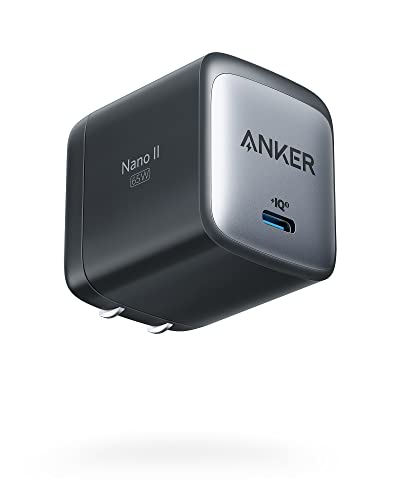
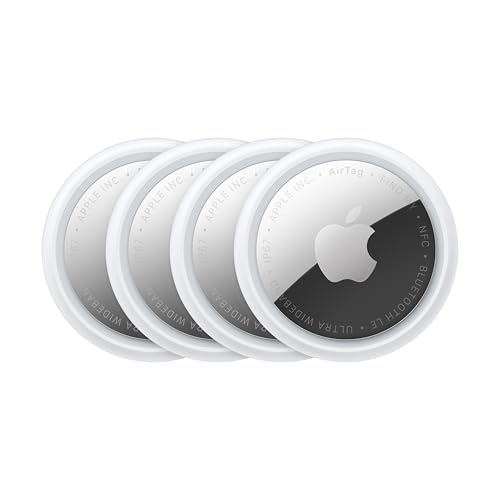
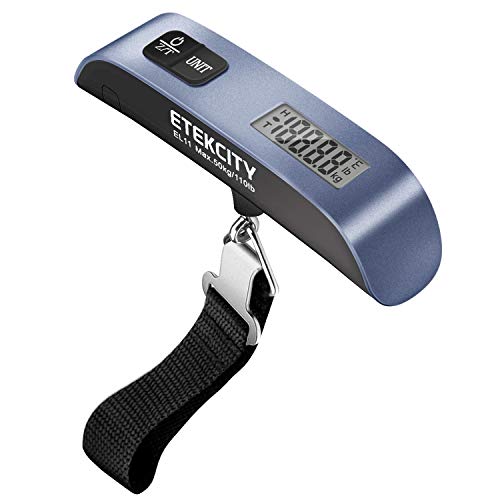
Whatever you decide, this is the gear we actually travel with: verified, priced, and ranked. Live price check on each.



As an Amazon Associate we may earn from qualifying purchases, at no cost to you.