Chile & Argentina, South America
The best time to visit Patagonia
The end of the world runs on a short southern summer, famous winds, and a winter when much of it simply shuts.
- Best months
- Nov to Mar
- Think twice
- Jun to Aug
- Quietest
- May
- Cheapest
- June
The straight answer
The best time to visit Patagonia is the southern summer from November through March, with the shoulders of November and March the smart plays; December and January bring the longest days and the fiercest winds, and from roughly May to September many refugios, hotels, and services close for winter.
Go between November and March, the southern hemisphere's summer, because that is when Patagonia is open for business in every sense: the refugios along Torres del Paine's trekking circuits are staffed, the El Chalten trail town is humming, glacier boats are sailing, and daylight stretches past 10pm in midsummer. This is remote, weather-ruled country at roughly the latitude of Alaska flipped south, and its season is correspondingly short.
Summer's famous tax is the wind. December and January bring the longest days and also the strongest westerlies, with gusts that can knock hikers off their feet on exposed passes; it is part of the deal, not a sign you picked wrong. The shoulder months trade some warmth for calmer air: November brings spring flowers and fewer people, while March turns the lenga forests red and gold and the winds begin to ease. Seasoned Patagonia hands quietly favor both over the January peak, when Chilean and Argentine vacationers join the international crowd and prices top out.
Winter, roughly May through September, is the honest closure story: many refugios and campgrounds shut, a large share of hotels and restaurants in El Chalten and around the parks close, bus schedules shrink to a trickle, and short daylight compresses everything. Torres del Paine stays technically open, with winter day-hiking possible on guided terms, and Perito Moreno glacier receives visitors year-round, but multi-day trekking as most people imagine it is off the table. In any month, pack for all four seasons in one afternoon: that part of the legend is simply true.
Patagonia, month by month
Every month gets a verdict. Tap one for its own page: weather, crowds, prices and what is on.
- 01JanuaryBestPeak summer, highs near 60F (16C), ferocious wind days, light until late eveningEverything open, everyone here: international trekkers plus South American summer holidays. Book refugios and hotels many months ahead.Hotels for January →CrowdsPrice
- 02FebruaryBestHigh summer, highs near 60F (16C), winds still strongMarginally calmer than January in both crowds and gusts. The classic treks are in full swing; late bookings remain nearly impossible for the famous circuits.Hotels for February →CrowdsPrice
- 03MarchBestEarly fall, highs near 55F (13C), winds easing, first frosts late monthThe connoisseur's month: red and gold lenga forests, softer light, thinner trails. Services begin trimming hours in the final weeks.Hotels for March →CrowdsPrice
- 04AprilQuiet valueDeep fall, highs near 48F (9C), shortening days, snow up highBeautiful and increasingly risky: peak foliage early month, then closures accelerate. A photographer's gamble, not a first-timer's window.CrowdsPrice
- 05MayThink twiceWinter arriving, highs near 41F (5C), short daysThe shutdown takes hold: refugios closed, many hotels dark, skeletal transport. Perito Moreno still receives visitors; the trekking year is over.CrowdsPrice
- 06JuneThink twiceWinter, highs near 37F (3C), roughly 8 hours of daylightThe quietest month at the end of the world. Only for travelers specifically chasing winter solitude on guided terms.CrowdsPrice
- 07JulyThink twiceMidwinter, highs near 37F (3C), snow and ice at trail levelTorres del Paine winter programs run for the prepared few, with guides required for trekking. Most of the region's tourist infrastructure stays shut.CrowdsPrice
- 08AugustThink twiceLate winter, highs near 39F (4C)Still closed for mainstream travel. Puma-watching trips and winter photography operate through specialist outfitters.CrowdsPrice
- 09SeptemberQuiet valueEarly spring, highs near 46F (8C), volatileThe reawakening begins: some services reopen, guanacos calve, and hardy travelers find solitude. Expect winter conditions up high and limited schedules.CrowdsPrice
- 10OctoberGoodSpring proper, highs near 52F (11C), notoriously changeableRefugios and routes reopen through the month as the season stands up. A fine value window for flexible travelers who tolerate weather roulette.Hotels for October →CrowdsPrice
- 11NovemberBestLate spring, highs near 55F (13C), building winds, long daysSpring flowers, active wildlife, and full services without January's crush. For many veterans, the best all-around month.Hotels for November →CrowdsPrice
- 12DecemberBestEarly summer, highs near 59F (15C), near-maximum daylight and windSolstice light until very late and everything open. The holiday weeks kick off peak pricing and peak trail traffic.Hotels for December →CrowdsPrice
Book Patagonia for November.
Sponsored links to Expedia and Vrbo. We may earn a commission; it never changes a verdict.
- Hotels for November
Hotels. Expedia
Hotels in PatagoniaOpens a hotel search for Patagonia in November, dates filled in. Book early for the best months: the good rooms go first.
- Rentals on Vrbo
Vacation rentals. Vrbo
Vacation rentals in PatagoniaWhole homes, condos and villas. Usually the better deal for families and groups, with a kitchen and room to spread out.
- Tours and tickets
Tours and tickets. Expedia
Tours and tickets in PatagoniaTimed-entry tickets, day trips and guided tours in Patagonia for November. Popular slots sell out in the best months.
Why go to Patagonia
The most dramatic mountain scenery in the hemisphere
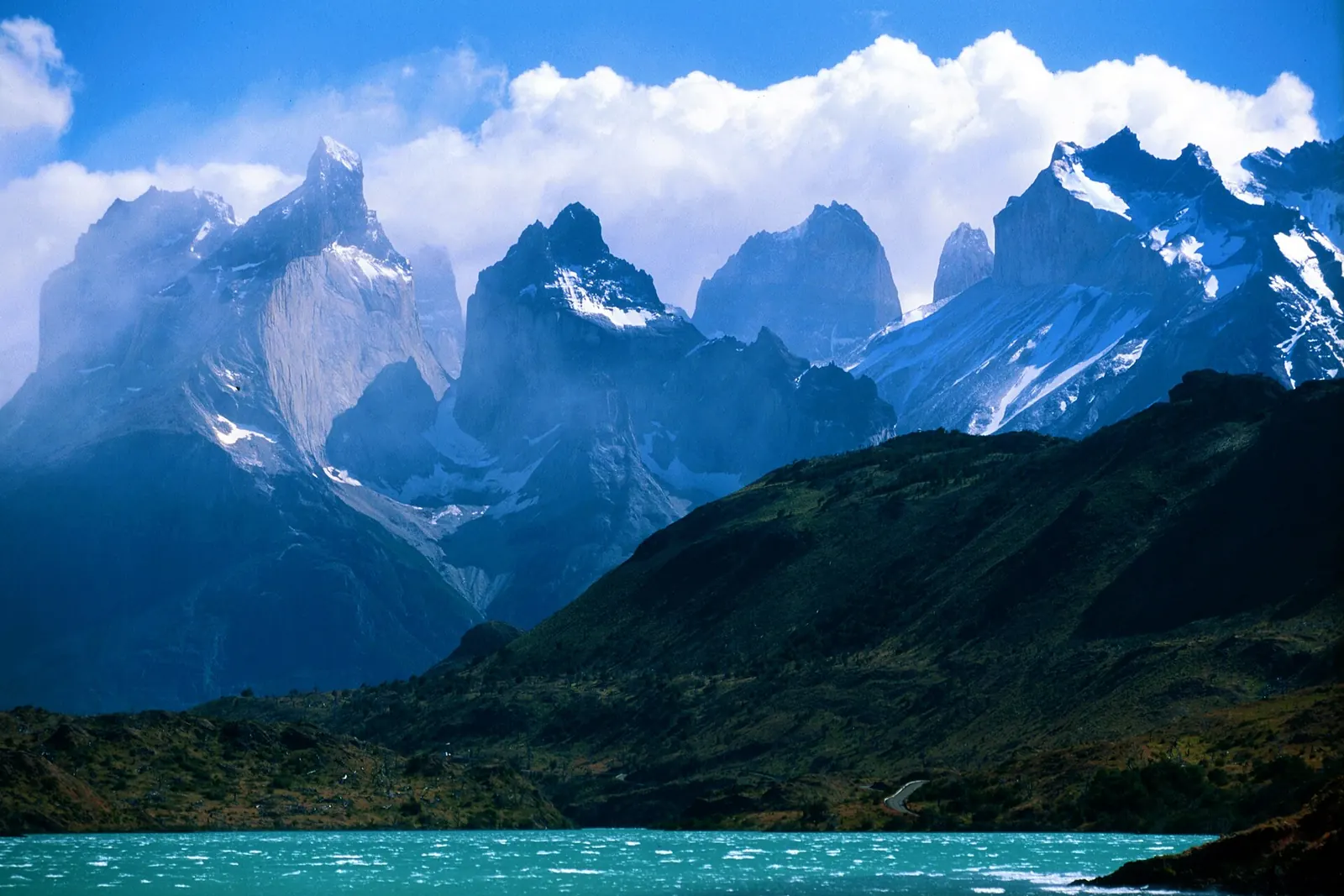
The granite towers of Torres del Paine and the Fitz Roy massif above El Chalten are among the most staggering skylines on Earth, rising almost straight from windswept steppe.
Glaciers you can actually stand beside
Perito Moreno's advancing wall calves house-sized ice into the lake within earshot of the boardwalks, and boats and ice-trekking trips get you closer still across the Southern Patagonian Ice Field's fringes.
World-top-five trekking
The W and O circuits in Torres del Paine and the free day-hike network out of El Chalten deliver alpine drama with refugio support, no technical skills required, in one of the planet's last great wildernesses.
Wildlife of the southern steppe
Guanacos by the hundred, condors on the thermals, flamingos on unlikely lagoons, and in the Torres del Paine backcountry, the best puma-watching on the planet.
Things to do, and when to do them
Torres del Paine's W Trek
Four to five days past the park's greatest hits, sleeping in refugios or camps. Beds for the summer season sell out many months ahead; book before flights.
The base of the towers day hike
The park's signature single day: a long, steep out-and-back to the granite towers above their glacial lake. Start at dawn for calmer wind and light.
Perito Moreno Glacier
Boardwalks face the calving wall a short drive from El Calafate, open year-round. Give it hours, not minutes; the ice performs on its own schedule.
El Chalten and the Fitz Roy trails
Argentina's trekking capital, where world-class day hikes like Laguna de los Tres leave from town, no permits or fees required. Largely closes down in winter.
An estancia stay
Sheep-ranch lodges on the steppe add horses, asado, and Patagonian silence to a trekking itinerary, and several operate as destinations in their own right.
Puma watching
Guided trips in the Torres del Paine area track wild pumas at respectful range, with winter and shoulder seasons often the best sighting windows through specialist outfitters.
The Carretera Austral
Chile's wild southern highway: marble caves, hanging glaciers, and fjord ferries for road-trippers with time. Strictly a summer-season undertaking for most.
Ushuaia and the Beagle Channel
The end-of-the-road city at the continent's tip: boat trips past sea lion colonies, the southernmost train, and the gateway for Antarctic sailings in summer.
Events and seasons worth planning around
Penguin season on the coasts
Roughly September through March or early April
Magellanic penguin colonies at Punta Tombo and on Beagle Channel and Magdalena Island trips fill with birds for the southern breeding season.
Southern right whales at Peninsula Valdes
Roughly June through December
Northern Patagonia's coastal exception to the winter shutdown: whales gather off Puerto Madryn, peaking in the austral spring.
Spring bloom on the steppe
October through December
Wildflowers and firebush color the grasslands and forest edges while guanaco calves and nesting birds fill the parks.
Fall color in the lenga forests
Late March through April
The southern beech forests around Fitz Roy and Torres del Paine turn red and gold, the photographers' favorite weeks of the year.
Beat the crowds
- Choose November or March over the December-January peak: same open infrastructure, gentler winds in March, and a real drop in trail traffic and prices.
- Book the sleeping bottlenecks first: W and O circuit refugios and campsites, and El Calafate and El Chalten hotels for peak weeks, sell out far ahead, while day-by-day plans can stay flexible around them.
- Start marquee day hikes at first light: Patagonia's long summer days are calmer and clearer in the morning, and the tower and Fitz Roy viewpoints crowd up from late morning.
- Walk the W east to west, or tackle the towers on your first day rather than the classic last day, and you will run opposite the main flow of trekkers.
- Add the places the buses skip: an estancia night, the Carretera Austral, or Bahia Bustamante-style coastal detours turn the classic circuit into your own trip.
Open or closed
- Winter, roughly May through September, closes much of tourist Patagonia: most refugios and campgrounds on the trekking circuits shut, many hotels and restaurants in El Chalten and around the parks go dark, and bus and ferry schedules shrink drastically.
- Torres del Paine National Park stays open year-round, but winter changes the rules: daylight is short, trails can be icy, and overnight trekking in the low season requires going with a certified guide. Perito Moreno Glacier receives visitors in every month.
- Even in summer, wind is the daily gatekeeper: boats to glacier faces, passes on the O circuit, and exposed viewpoints can close at short notice when gusts spike. Build slack days into any itinerary that matters.
- Reservations are effectively the summer permit system: on the Torres del Paine circuits you must have confirmed refugio or campsite bookings to trek, and peak-season beds disappear roughly half a year out.
- Distances and borders are their own season: crossing between the Chilean and Argentine sides involves real border formalities and long drives, and remote fuel stops matter, so plan the route like the expedition it quietly is.
With kids in tow
- Patagonia rewards families with sturdy hikers: the day-hike model from El Chalten or a Torres del Paine lodge lets kids of about eight and up bag world-class scenery without committing to a multi-day trek.
- For homeschool families, November and March are the windows: full services, thinner trails, and a living curriculum of glaciers, plate tectonics, and Magellanic history, all while northern-hemisphere schools are in session.
- Perito Moreno is the great equalizer: the boardwalks put toddlers and grandparents in front of calving ice with zero hiking required, and penguin colony visits run at the same difficulty level.
- Wind and weather planning is a family safety matter here: dress every kid in real layers, keep plans flexible, and treat gust warnings on exposed trails as hard stops, not suggestions.
Getting there
- There is no nonstop from North America to Patagonia itself: fly to Santiago or Buenos Aires, both served by nonstops from Texas hubs including Dallas and Houston, then connect south by domestic flight.
- For the southern trekking core, fly to El Calafate (FTE) on the Argentine side or Punta Arenas (PUQ) in Chile, then drive or bus onward: about three hours from El Calafate to El Chalten, and roughly five from Punta Arenas to Torres del Paine via Puerto Natales.
- Budget the transit honestly: door to trailhead from the US usually consumes a full day or more each way, and Buenos Aires domestic flights often depart from a different airport than international arrivals, so allow generous connection time.
Packing? Packing cubes and the airport kit.
Patagonia for the holidays
Holiday and school-break weeks where Patagonia makes our ranked list.
Patagonia timing, quick answers
What is the best month to visit Patagonia?
November or March for the best overall balance: everything is open, trails and prices ease, and March adds fall color while November brings spring wildlife. December through February offers maximum daylight at the cost of maximum wind, crowds, and prices.
Is Patagonia closed in winter?
Much of tourist Patagonia effectively is: from roughly May to September most refugios close, many hotels and restaurants in the trekking towns shut, and transport thins dramatically. Torres del Paine remains open on guided winter terms and Perito Moreno operates year-round, but classic multi-day trekking waits for the southern summer.
How bad is the wind in Patagonia, really?
Legendarily bad, and the legend is accurate: summer westerlies regularly gust hard enough to stagger hikers on exposed ground, with December and January typically the windiest. It is a manageable fact of the landscape: hike early in the day, keep layers and shells accessible, and respect closures when boats or passes shut down.
How far ahead should I book a Torres del Paine trek?
For the W or O circuits in the December-through-February peak, book refugios and campsites around six months ahead, before buying flights; confirmed bookings are required to be on the circuits. November and March offer somewhat more flexibility, and guided packages bundle the problem away at a price.
How many days do you need for Patagonia?
Ten days on the ground is a realistic minimum for the southern highlights: the W trek or its day-hike equivalents plus Perito Moreno and El Chalten. Two weeks breathes properly, and adding the Carretera Austral or the Valdes whale coast pushes toward three. Transit is long; do not budget Patagonia like a city break.
Weighing alternatives
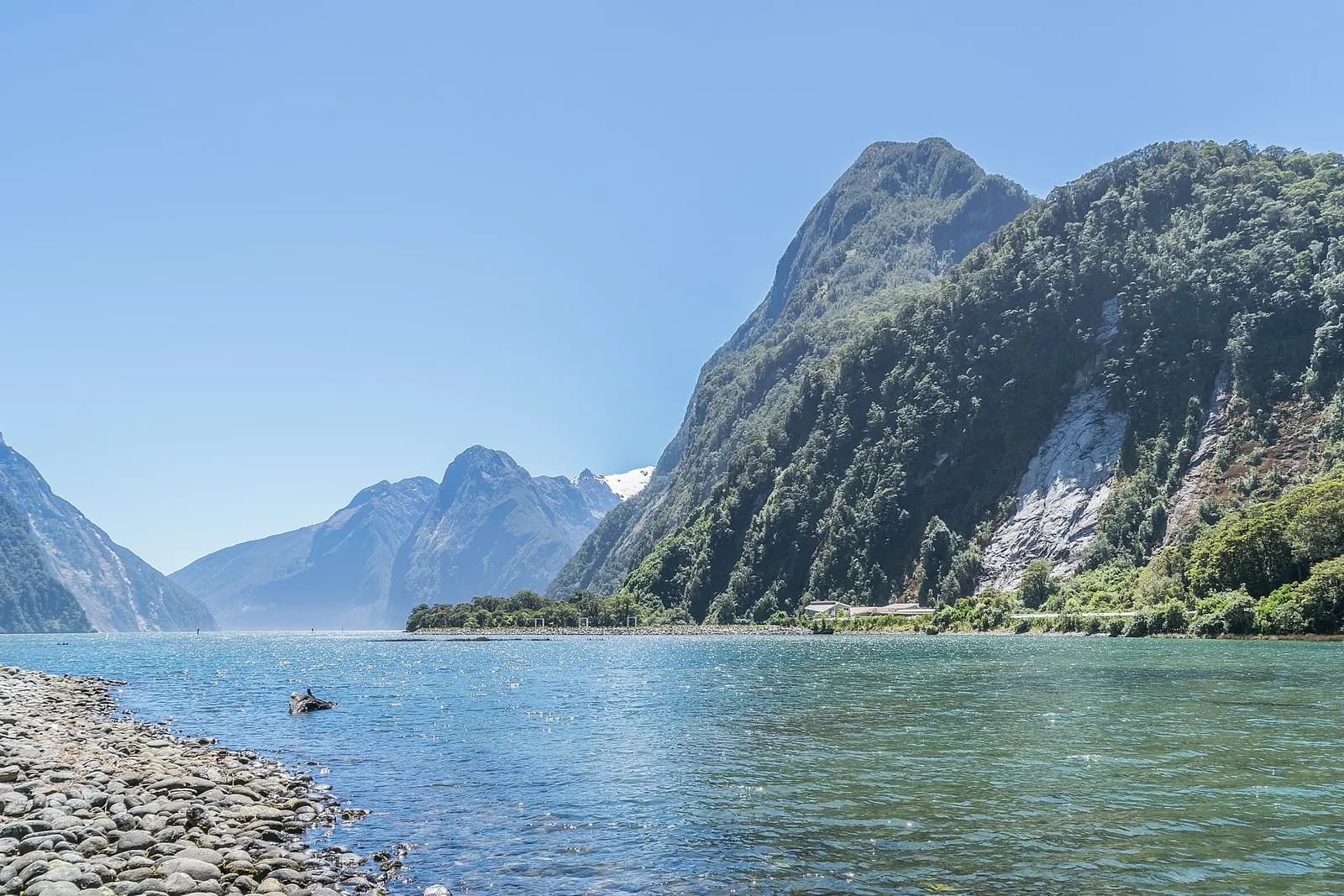
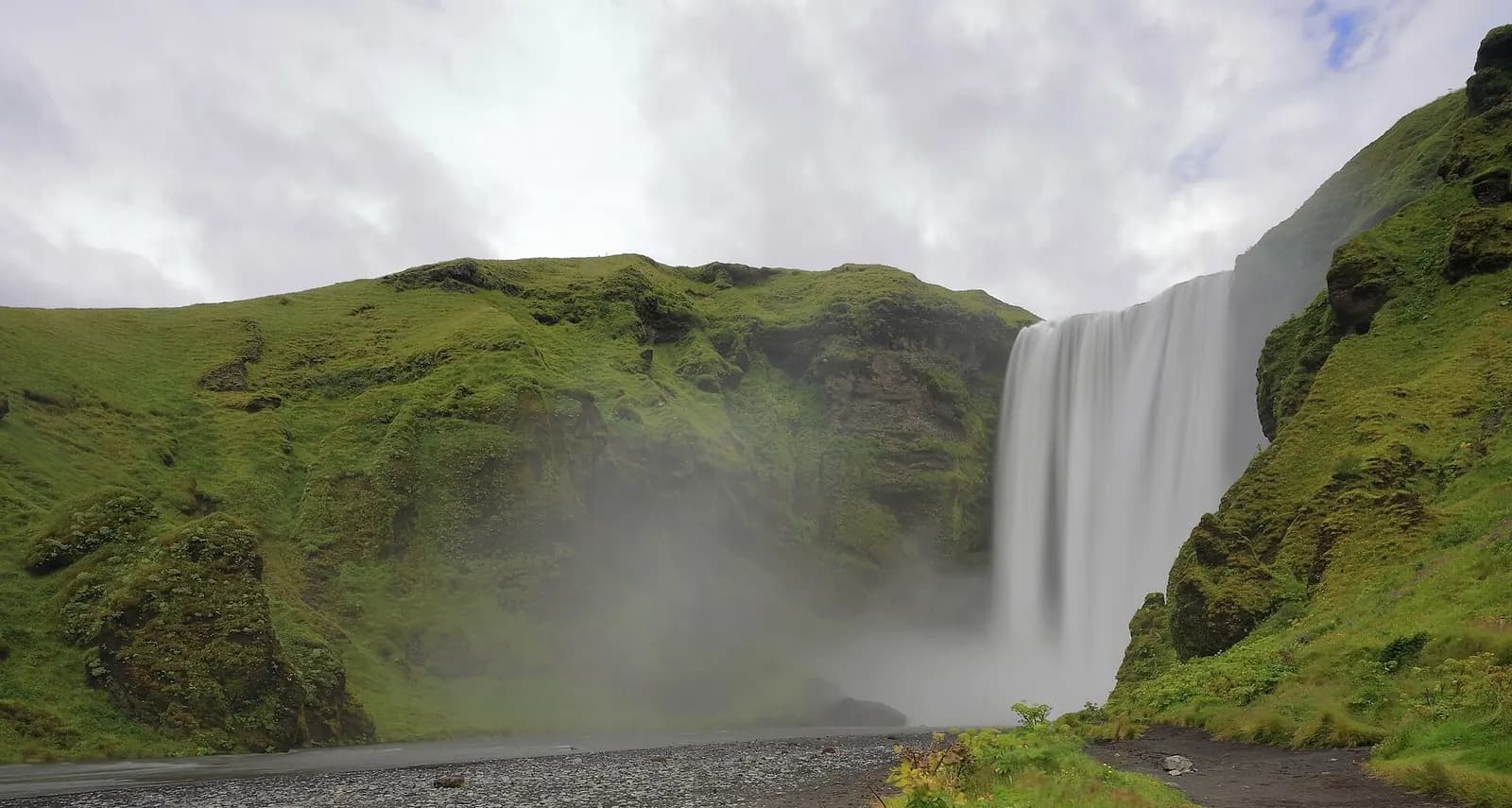
Similar trips, with their best months.
Before you book.
Sort these two things first.
Sponsored links. We may earn a commission; it never changes a verdict.
- Visit Faye
Travel insurance.
FayeA missed connection, a bag that never turns up, a hospital abroad: far cheaper to cover before departure than to argue about after.
- Visit Saily
eSIM data.
SailySet up an eSIM before you fly so your phone has data the moment you land, without roaming charges.
Our top-rated travel gear
Whatever you decide, this is the gear we actually travel with: verified, priced, and ranked. Live price check on each.




As an Amazon Associate we may earn from qualifying purchases, at no cost to you.