Europe
The best time to visit Iceland
Two different trips share one island: the midnight-sun road trip and the northern-lights winter. Pick your Iceland first, then your month.
- Best months
- Jun to Sep
- Think twice
- No month is a write-off
- Quietest
- January
- Cheapest
- January
The straight answer
The best time to visit Iceland is June through August for full road access and nearly endless daylight, or September through March if the northern lights are the point; the highland F-roads stay closed until early summer, so the interior is a summer-only trip.
Decide what trip you are taking before you pick a month, because Iceland sells two that barely overlap. The summer Iceland, roughly June through August, is a road-trip paradise: 20-plus hours of daylight, green valleys, puffins on the sea cliffs, waterfalls at full melt, and every road in the country open, including the rough highland F-roads that unlock the interior. The winter Iceland, September through March, trades daylight for the northern lights, ice caves under the glaciers, and black-sand beaches dusted white.
The calendar has hard gates most destinations lack. The F-roads into the highlands stay closed until early summer, typically opening in June or later depending on snowmelt, so Landmannalaugar and the interior are simply off the menu in spring. Natural glacier ice caves are safe to enter only in the cold months, roughly November through March. And the aurora needs dark skies, which the midnight sun erases from May until August: no amount of luck produces northern lights in June.
The good news is that Iceland has no off-season shutdown in the Santorini sense. The Ring Road, Reykjavik, the Blue Lagoon, and the Golden Circle operate year-round; winter's constraint is weather, short days, and storms that can close road sections for a day at a time, not locked doors. September and early October may be the smartest compromise on the whole calendar: aurora-dark nights, most roads still open, and summer prices easing. Month by month below.
Iceland, month by month
Every month gets a verdict. Tap one for its own page: weather, crowds, prices and what is on.
- 01JanuaryTradeoffsCold and stormy, highs near 37F (3C), 4 to 6 hours of daylightDeep winter: aurora and ice caves at their best, but storms can pin you down and daylight is a scarce budget.CrowdsPrice
- 02FebruaryGoodCold, highs near 38F (3C), daylight growing fastThe winter sweet spot begins: ice caves, aurora odds, and enough daylight to actually tour.Hotels for February →CrowdsPrice
- 03MarchGoodCold, highs near 39F (4C), near-equal day and night by late monthThe best all-around winter month: long-enough days, snow scenery, aurora season still on.Hotels for March →CrowdsPrice
- 04AprilQuiet valueThawing, highs near 43F (6C)The in-between: aurora season winds down, summer access not yet open. Quiet, cheap, and honest about mud.CrowdsPrice
- 05MayGoodCool and brightening, highs near 48F (9C), very long daysPuffins return, waterfalls surge with melt, prices lag the summer jump. Highlands still closed.Hotels for May →CrowdsPrice
- 06JuneBestCool, highs near 54F (12C), midnight sunEndless daylight and the country turning green. F-roads begin opening as snow allows, usually within the month.Hotels for June →CrowdsPrice
- 07JulyBestWarmest month, highs near 57F (14C)Peak everything: full highland access, whale watching, puffins, and the year's biggest crowds and prices.Hotels for July →CrowdsPrice
- 08AugustBestMild, highs near 56F (13C), nights returning late monthSummer holds; by the last week the first aurora sightings of the season become possible as darkness returns.Hotels for August →CrowdsPrice
- 09SeptemberBestCooling, highs near 50F (10C), real nightsThe compromise month: aurora-dark skies, most roads still open, fall colors on the moss, prices easing.Hotels for September →CrowdsPrice
- 10OctoberGoodCold rain and first snows, highs near 44F (7C)Aurora season in full swing at shoulder prices. Highland roads close; the Ring Road carries on.Hotels for October →CrowdsPrice
- 11NovemberQuiet valueCold, highs near 39F (4C), short daysIce-cave season opens under the glaciers. Dark, moody, and cheap between the storm systems.CrowdsPrice
- 12DecemberTradeoffsCold, highs near 38F (3C), 4 to 5 hours of daylightFestive Reykjavik, New Year fireworks, and aurora potential, wrapped around the year's shortest days. Plan tiny touring radii.CrowdsPrice
Book Iceland for June.
Sponsored links to Expedia and Vrbo. We may earn a commission; it never changes a verdict.
- Hotels for June
Hotels. Expedia
Hotels in IcelandOpens a hotel search for Iceland in June, dates filled in. Book early for the best months: the good rooms go first.
- Rentals on Vrbo
Vacation rentals. Vrbo
Vacation rentals in IcelandWhole homes, condos and villas. Usually the better deal for families and groups, with a kitchen and room to spread out.
- Tours and tickets
Tours and tickets. Expedia
Tours and tickets in IcelandTimed-entry tickets, day trips and guided tours in Iceland for June. Popular slots sell out in the best months.
Why go to Iceland
Landscapes with no substitute
Glaciers calving into lagoons, volcanoes steaming beside highways, waterfalls you walk behind, and black-sand coasts: Iceland compresses a planet's worth of geology into a country the size of Kentucky.
The northern lights
Iceland sits under the auroral oval, and from September through mid April, any clear dark night can deliver the show. Few places pair aurora odds with this much daytime spectacle.
Hot water everywhere
Geothermal pools are the national living room: from the Blue Lagoon and Sky Lagoon to town pools and natural hot rivers, soaking outdoors in any weather is the core Icelandic experience.
The world's most drivable wilderness
The Ring Road strings the greatest hits into one loop with good pavement, honest signage, and guesthouses all the way around. Few wild places are this accessible to an ordinary driver.
Things to do, and when to do them
The Golden Circle
Thingvellir's rift valley, Geysir's eruptions, and Gullfoss in one easy loop from Reykjavik. Go before 9am or after 5pm in summer to skip the tour-bus pulse.
The south coast to Vik
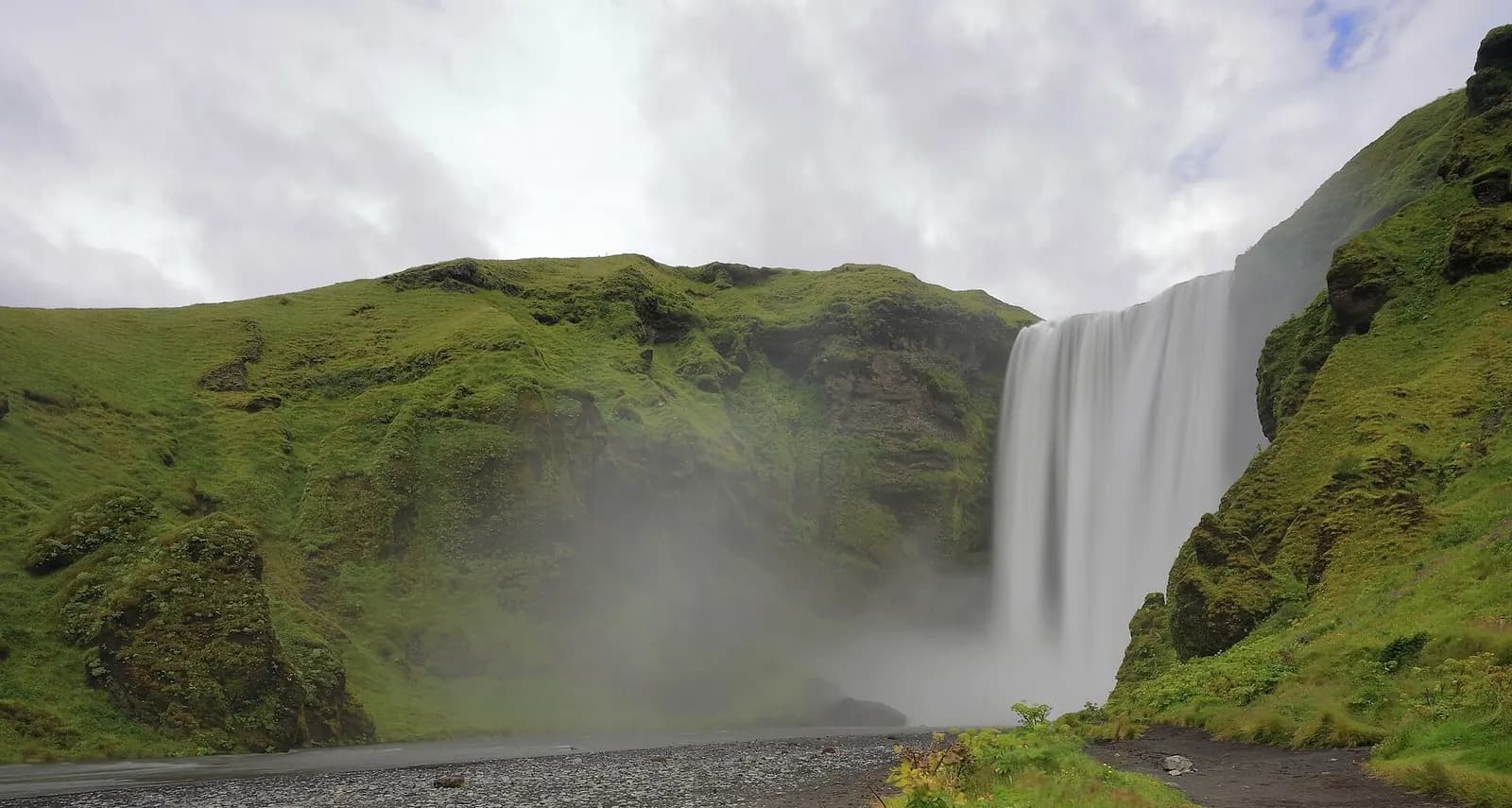
Seljalandsfoss and Skogafoss waterfalls, then Reynisfjara's black sand and basalt columns. Respect the sneaker-wave warnings at the beach; they are not theoretical.
Jokulsarlon glacier lagoon and Diamond Beach
Icebergs drifting to sea and stranding on black sand. Worth the long drive east; summer zodiac tours get you among the bergs.
A northern lights hunt
September through mid April, on clear dark nights away from town lights. Give it multiple nights and check the cloud and activity forecasts rather than pinning hopes on one evening.
A glacier walk or ice cave
Crampons-on glacier hikes run year-round with guides; the natural blue ice caves are a winter-only show, roughly November through March.
Geothermal soaking
Book the Blue Lagoon or Sky Lagoon ahead, then balance them with local town pools at a tenth of the price. The hot river hike at Reykjadalur is the free classic.
Snaefellsnes Peninsula
A one-day sampler of the whole country: Kirkjufell mountain, lava fields, seal beaches, and fishing villages, two hours from the capital.
Whale watching and puffins
Summer is the season: whales from Husavik or Reykjavik, puffins on the cliffs from roughly May through August.
Events and seasons worth planning around
Northern lights season
September through mid April
Dark skies return and the aurora becomes possible on any clear night. Equinox months often bring strong activity.
Midnight sun
Roughly mid May through late July, peaking around the June solstice
The sun barely sets; you can sightsee at midnight. Bring a sleep mask.
F-road and highland season
Roughly June through September, opening dates vary with snowmelt
The interior mountain roads open for the summer only, and only to proper 4x4s. Landmannalaugar and Thorsmork live inside this window.
Ice cave season
Roughly November through March
Guided access to natural blue ice caves under Vatnajokull while cold keeps them stable.
Reykjavik Culture Night
A Saturday in August
The capital's biggest annual party: concerts, open houses, and fireworks to close the summer.
New Year's Eve in Reykjavik
December 31
The city sets off a legendary distributed fireworks display, with neighborhood bonfires beforehand.
Beat the crowds
- Use the midnight sun: in summer, do the Golden Circle and south-coast headliners before 9am or after 6pm and you will share them with a fraction of the midday tour-bus wave.
- Drive the Ring Road counterclockwise in peak season; most tours and rentals flow clockwise from Reykjavik, so you meet the crowd pulses offset by a day.
- Book summer rental cars and popular guesthouses three to six months out; the country's bed supply is small and the south coast sells out first.
- Go beyond the south: the Westfjords and the east fjords see a small slice of Iceland's visitors with scenery that concedes nothing.
- In winter, build slack into the plan: keep driving days short, recheck road and weather alerts every morning, and let the aurora come to you over several nights instead of chasing one forecast.
Open or closed
- The highland F-roads close from roughly October until June or later, gated by snowmelt: Landmannalaugar, Thorsmork, and the interior are summer-only, and rental insurance requires a 4x4 on them even then.
- The Ring Road and main sights operate year-round, but winter storms can close sections for hours or a day at a time; road and weather alert sites are a daily winter ritual, not a suggestion.
- Natural glacier ice caves open only in the cold months, roughly November through March; summer visitors can still do guided glacier walks and man-made tunnels.
- The northern lights are seasonally gated by daylight, not luck alone: from May through early August the sky never gets dark enough. Aurora trips belong to September through mid April.
- Reykjavik, the Blue Lagoon, museums, and tour operators run all twelve months; December 24 and 25 quiet the country as Iceland celebrates at home, with reduced hours even at major attractions.
With kids in tow
- Iceland is a rolling science lesson kids can touch: erupting geysers, walk-behind waterfalls, tectonic plates you can stand between at Thingvellir, and puffin colonies in summer.
- The town swimming pools are the family secret weapon: nearly every village has a geothermal pool with hot tubs and slides, cheap and open year-round, the perfect daily reward.
- Distances deceive: keep driving legs under two to three hours with kids and build the trip around one region done well rather than the full Ring Road in a week.
- For homeschool families: September delivers aurora-dark nights, open roads, and shoulder prices while other kids are back in school, and May offers midnight-sun-adjacent daylight with puffins newly arrived and rates still soft.
Getting there
- Keflavik (KEF) is the sole international gateway, about 45 minutes from Reykjavik. Icelandair and other carriers fly nonstop from many US cities, and the roughly 5-to-7-hour flights from the East Coast make it Europe's closest doorstep.
- From Texas: no year-round nonstops; typical routing from Austin, Dallas, or Houston connects through Denver, Minneapolis, Chicago, or an East Coast hub to KEF.
- Icelandair's free stopover program lets you bolt several Iceland days onto a Europe itinerary at no added airfare, one of travel's genuinely good deals.
Packing? Packing cubes and the airport kit.
Iceland for the holidays
Holiday and school-break weeks where Iceland makes our ranked list.
Memorial Day Weekend
May
The unofficial start of summer, and the first weekend the national parks and beach towns fill up. Pick a place that is fully open but not yet full.
Summer Vacation
June, July, August
Ten weeks, one country on vacation, and half the world too hot or too rainy. Go north, go high, or go south of the equator.
Fourth of July
July
The biggest fireworks night of the year and the busiest summer travel week. Go to the celebration, or go somewhere cool enough to enjoy it.
Labor Day Weekend
August, September
Summer's last long weekend, and the first week of the best travel season of the year. Just keep an eye on the tropics.
Iceland timing, quick answers
What is the best month to visit Iceland?
July for the classic everything-open road trip, September for the best compromise: northern-lights-dark skies, most roads still open, and prices easing. There is no single best month, because summer and winter Iceland are different trips.
When can you see the northern lights in Iceland?
September through mid April, on clear, dark nights, with no possibility in the midnight-sun months of May through early August. Plan several nights and flexible evenings; the aurora rewards patience, not a single booked tour.
When do Iceland's F-roads and highlands open?
Generally in June, sometimes stretching into July for the latest routes, depending on snowmelt, and they close again by roughly October. Outside that window the interior is inaccessible, and inside it a 4x4 is legally and practically required.
Is winter driving in Iceland doable for visitors?
Yes, with respect: main roads are plowed and driven daily, but storms can shut sections with little notice and daylight is short. Rent a 4x4 with winter tires, keep legs short, check the road and weather alerts every morning, and build a plan that can lose a day.
What is the cheapest time to visit Iceland?
Roughly October through April, outside the holiday weeks, with airfare and cars at their softest in deep winter. Iceland is never a cheap country, but winter cuts the big costs and adds the aurora as compensation.
Weighing alternatives
Similar trips, with their best months.
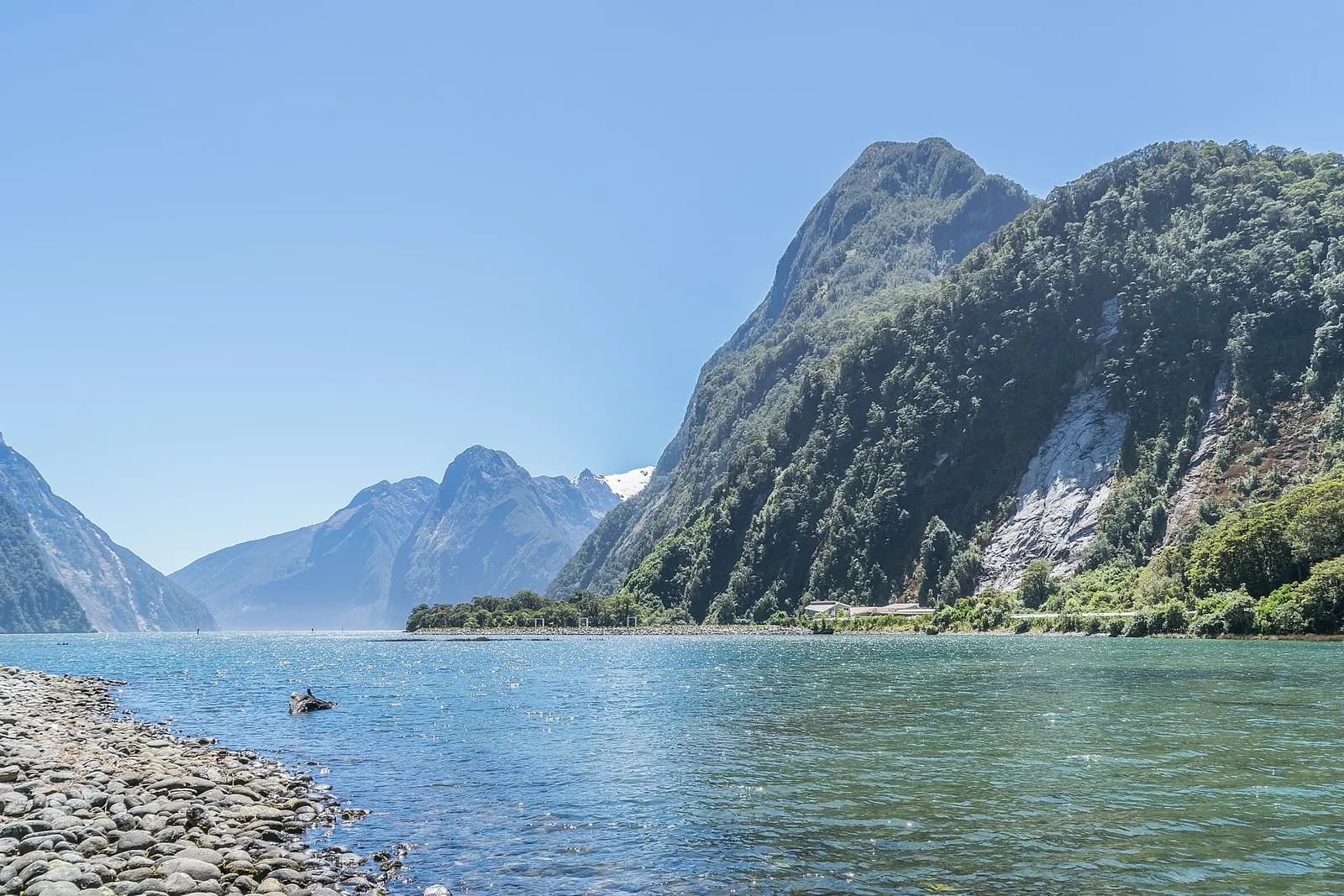
Before you book.
Sort these two things first.
Sponsored links. We may earn a commission; it never changes a verdict.
- Visit Faye
Travel insurance.
FayeA missed connection, a bag that never turns up, a hospital abroad: far cheaper to cover before departure than to argue about after.
- Visit Saily
eSIM data.
SailySet up an eSIM before you fly so your phone has data the moment you land, without roaming charges.
Our top-rated travel gear
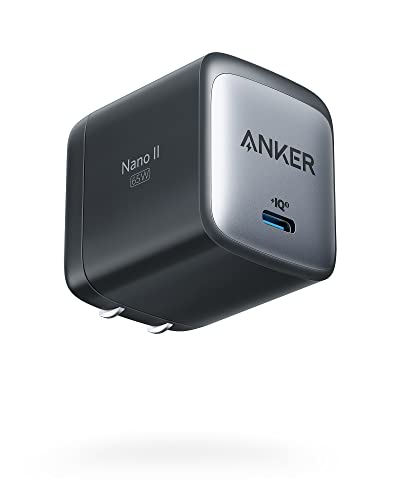
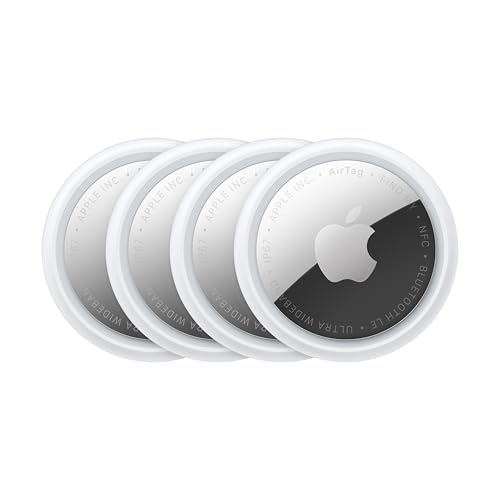
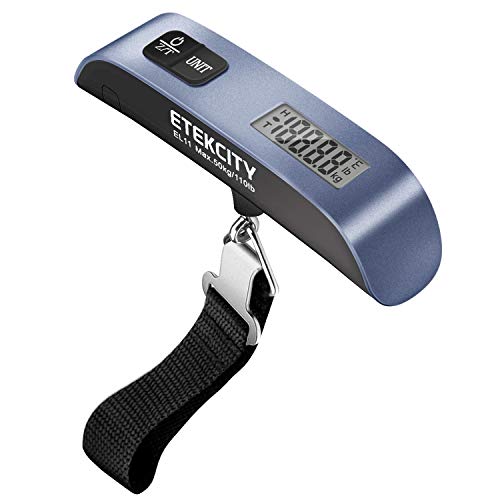
Whatever you decide, this is the gear we actually travel with: verified, priced, and ranked. Live price check on each.



As an Amazon Associate we may earn from qualifying purchases, at no cost to you.