Iceland, Norway & Finnish and Swedish Lapland, Iceland, Norway, Finland & Sweden
Northern Lights Season
The aurora borealis runs on dark skies, not luck alone: stack the odds and the sky performs.
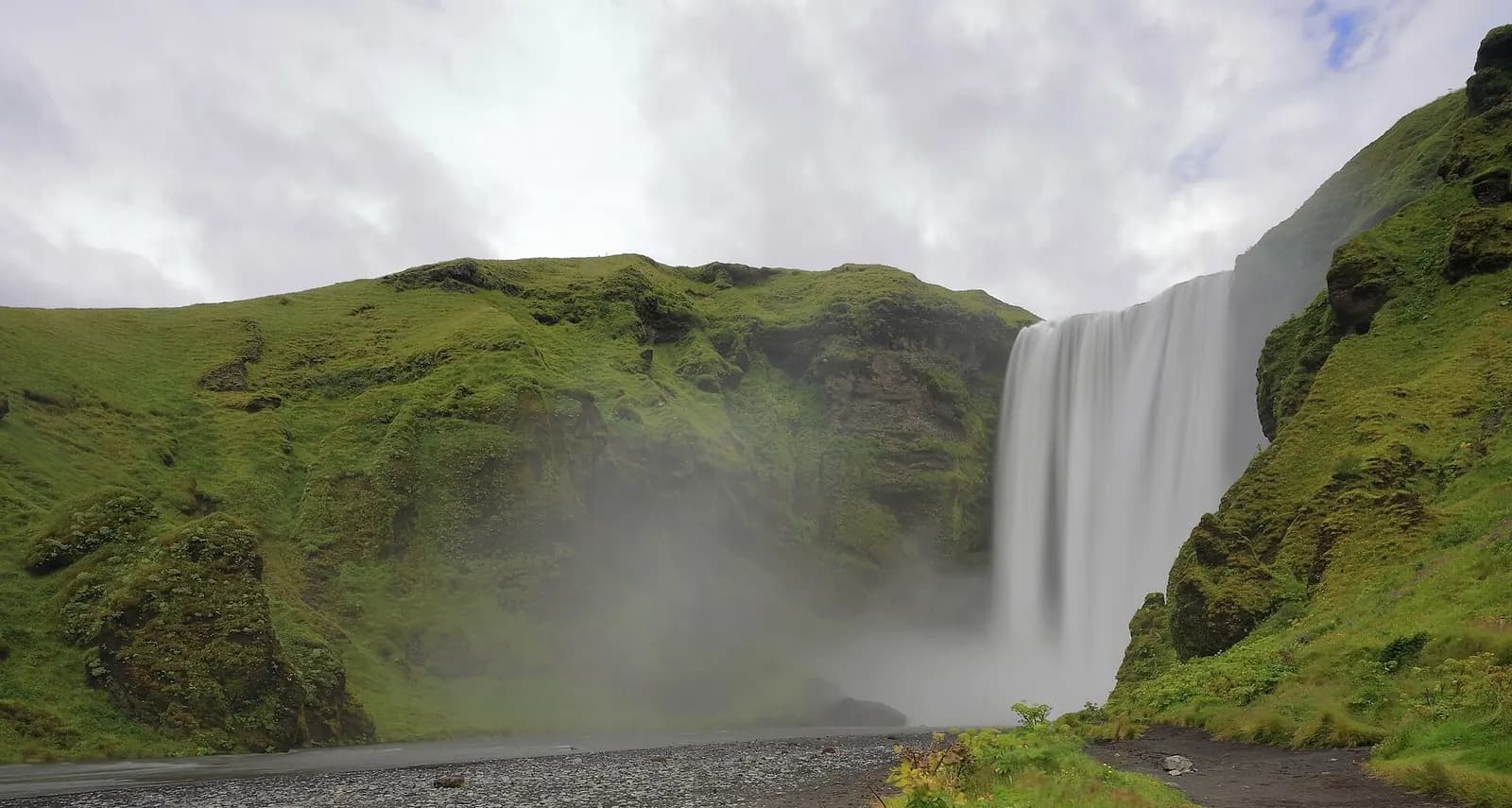
The straight answer
Northern lights season runs September through March across Iceland, Norway, and Lapland, and your best odds come from spending at least three or four nights under dark, clear northern skies, with the equinox months and midwinter both excellent.
The northern lights do not switch on in winter; they happen year-round. What changes is darkness. From September through March, high-latitude nights get long enough to reveal the aurora, and that seven-month stretch is the season. Within it, the practical questions are where to find clear skies, how many nights you can stay, and how far above the Arctic Circle you are willing to go.
The physics favors patience over prophecy: auroras follow solar activity, which cannot be usefully forecast weeks ahead, so the winning strategy is statistical. Spend three or four nights in a good location with mobility to chase clear sky, and your odds across the season are strong; chase a single night and you are flipping a coin weighted by cloud cover.
The classic bases each argue their case. Iceland offers the aurora wrapped in an entire destination (waterfalls, glaciers, hot springs fill the days). Tromso in northern Norway sits under the auroral oval itself with a professional chase-tour industry. Finnish and Swedish Lapland add glass-roofed cabins, husky sleds, and some of the driest, clearest inland skies in the Arctic.
The event, explained
The aurora borealis is solar wind particles striking the upper atmosphere, funneled by Earth's magnetic field into an oval around the pole, glowing green most commonly, with red, purple, and pink in stronger displays. Displays range from a faint gray-green arc (cameras see color before eyes do) to full-sky ribbons that move like curtains in wind, and a strong display is simply one of the most astonishing things a human can watch.
Location strategy is about the auroral oval and weather: Tromso, Abisko in Swedish Lapland, and Finnish Lapland sit at or near the oval's usual latitude, so ordinary solar activity produces overhead displays; Iceland sits slightly south but compensates with easy access and dramatic foregrounds. Abisko enjoys a famous rain-shadow microclimate that clears its skies more often than its neighbors.
Timing strategy within the season: the weeks around the equinoxes (September-October and March) are statistically favorable for geomagnetic activity, with milder cold and, in autumn, open water for reflections; deep winter (December and January) trades brutal cold and storm risk for maximum darkness hours, polar-night ambience, and full winter activities. November and February split the differences.
How to play it right
- 01Book at least three or four nights in the north, not one; single-night aurora bids fail on clouds constantly. If your trip is a week, keep the itinerary loose enough to chase forecasts rather than locking every night to one spot.
- 02Pick your month by what you want around the lights: September-October for milder chasing, hiking, and lake reflections; December-January for polar night, snow activities, and glass-igloo winter; March for a strong combination of activity statistics, lengthening days, and hard-packed snow for daytime adventures.
- 03Get dark and get mobile: city lights kill faint displays, so plan nights outside town or book chase tours (a Tromso institution, and worthwhile) whose guides drive to holes in the cloud, sometimes across into Finland or Sweden. In Iceland, a rental car plus the national aurora-and-cloud forecast is the standard self-serve kit.
- 04Learn the two forecasts: cloud cover, checked locally and hourly, matters more than the geomagnetic Kp number, which is a blunt instrument. A Kp 2 night under clear Arctic skies beats a Kp 5 night under cloud, every time.
- 05Rig for hours of standing in cold: layered insulation, real boots, hand warmers, a headlamp with a red mode, and a thermos turn a night vigil from ordeal to memory. For photos, any modern phone on a small tripod with night mode now captures respectable aurora; a camera with manual control does better.
- 06Set the honest expectation: even a well-planned four-night trip can get skunked by weather or a quiet sun, so build a trip that succeeds without the lights (Iceland's ring-road sights, Lapland's huskies and saunas, Tromso's fjords) and the aurora becomes the jackpot rather than the wager.
With kids in tow
- Aurora hunting suits kids in bursts, not vigils: the waiting is cold and can run past midnight, so families do best basing somewhere the lights come to you (countryside cabins, glass-roofed igloos, lodges with aurora wake-up alerts) rather than standing in a field for hours.
- Lapland is the family-optimized version: husky and reindeer sledding, snowmobiles, saunas, and in December the Santa industry around Rovaniemi mean the days are the trip and the aurora is a bonus at bedtime.
- Cold management is the whole game with children: proper Arctic layering (rentable at many lodges), hot drinks, and a warm retreat within steps. A kid who is warm will happily watch the sky; a cold one is done in ten minutes.
Book your stay for Northern Lights Season.
Sponsored links to Expedia and Vrbo. We may earn a commission; it never changes a verdict.
- Hotels for September
Hotels. Expedia
Hotels in Northern Lights SeasonOpens a hotel search for Northern Lights Season in September, dates filled in. Book early for the best months: the good rooms go first.
- Rentals on Vrbo
Vacation rentals. Vrbo
Vacation rentals in Northern Lights SeasonWhole homes, condos and villas. Usually the better deal for families and groups, with a kitchen and room to spread out.
- Tours and tickets
Tours and tickets. Expedia
Tours and tickets in Northern Lights SeasonTimed-entry tickets, day trips and guided tours in Northern Lights Season for September. Popular slots sell out in the best months.
Northern Lights Season, quick answers
When is northern lights season?
September through March, whenever high-latitude nights are truly dark. The weeks around the September and March equinoxes are statistically active and milder; December and January offer the most darkness and full polar winter. Summer's midnight sun hides the aurora entirely.
Where are my odds best?
Under the auroral oval with clear skies: Tromso in Norway, Abisko in Swedish Lapland (famous for its clear-sky microclimate), and Finnish Lapland are the statistical leaders; Iceland trades a touch of latitude for an unbeatable surrounding destination. Everywhere, dark rural skies beat town.
How many nights do I need?
Three or four minimum in the north; a week is comfortable. Clouds, not absent auroras, cause most misses, and multiple nights with mobility to chase clear sky is what converts hope into good odds.
Can I see them with the naked eye, or only on camera?
Strong displays are vivid to the eye, moving and clearly green; faint ones read as gray-white arcs that a camera renders green. Let your eyes dark-adapt for twenty minutes away from lights and you will see far more than you expect.
Do I need a guided tour?
In Tromso and much of Lapland, chase tours genuinely improve odds: local guides read microclimates and drive to clear sky. In Iceland, self-driving with the official cloud-and-aurora forecast works well for confident winter drivers. Either way, the tour is buying weather mobility, not aurora guarantees.
Make a trip of it: Iceland
The best time to visit Iceland
Best: Jun to Sep
The best time to visit Iceland is June through August for full road access and nearly endless daylight, or September through March if the northern lights are the point; the highland F-roads stay closed until early summer, so the interior is a summer-only trip.
Also in September
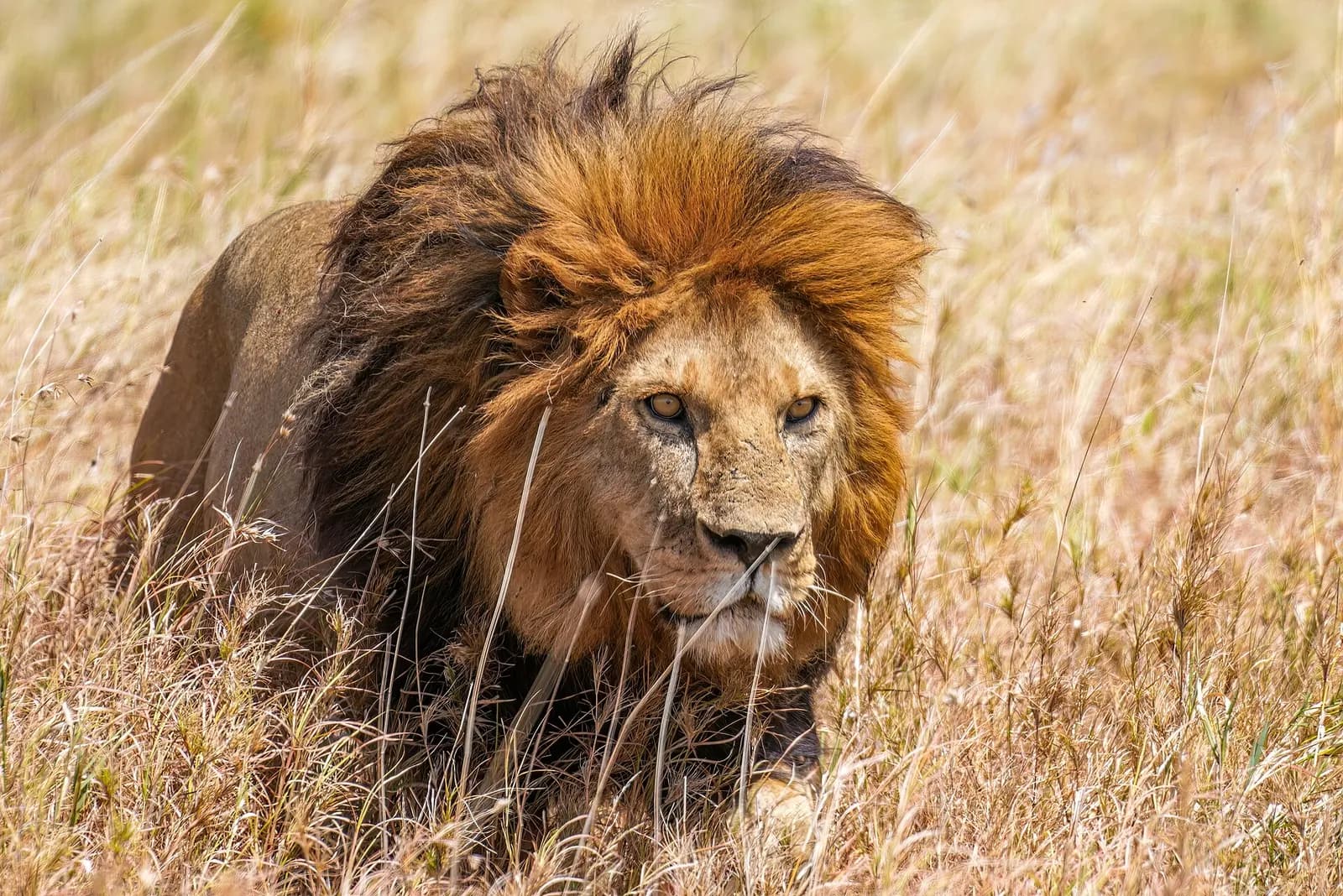
The Great Migration
Serengeti, Tanzania and Masai Mara, Kenya
Year-round, with calving in the southern Serengeti from roughly late January to March and river crossings from about July to October
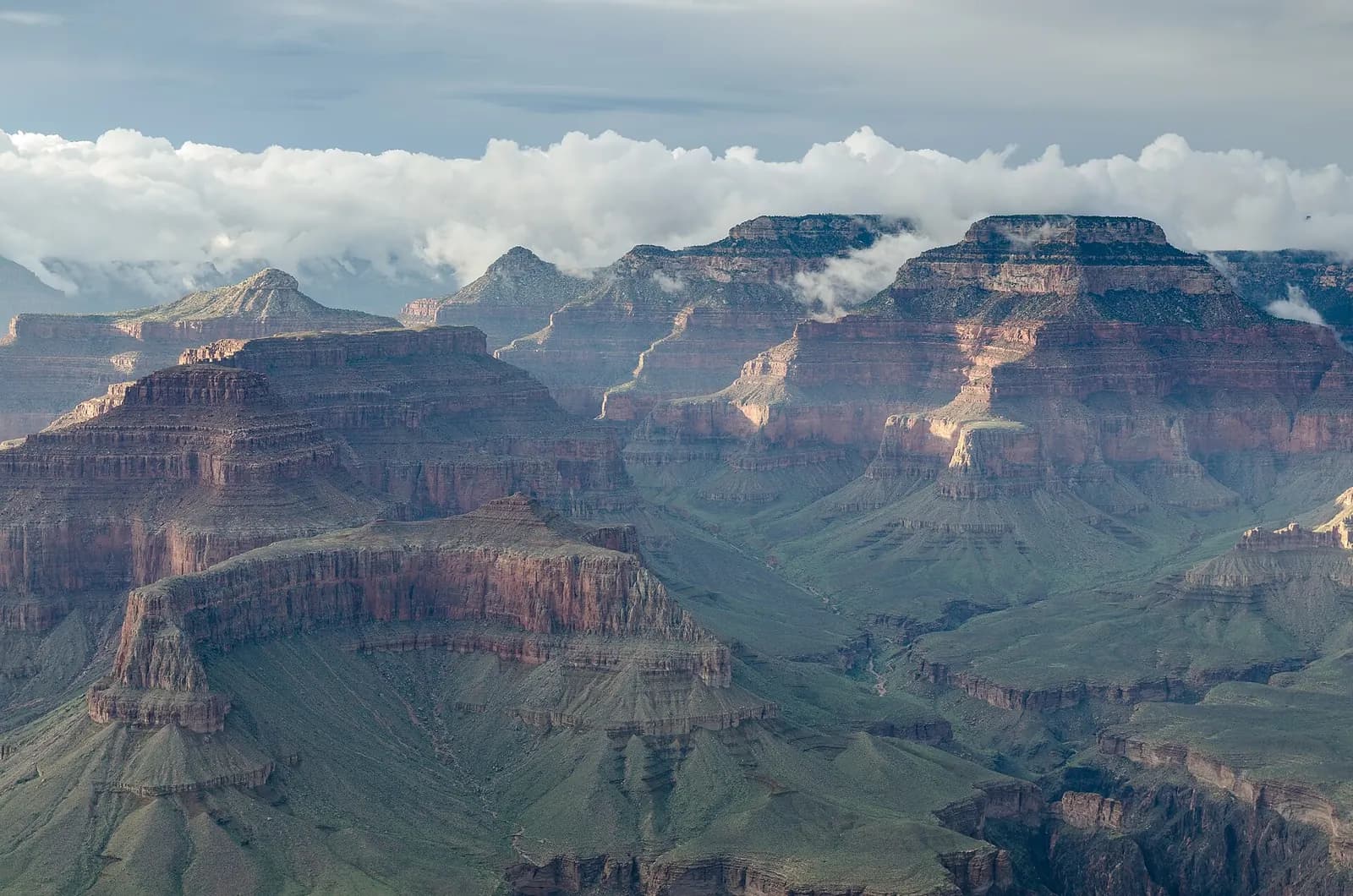
Burning Man
Black Rock Desert, Nevada
About nine days from the last Sunday of August through Labor Day, the first Monday of September
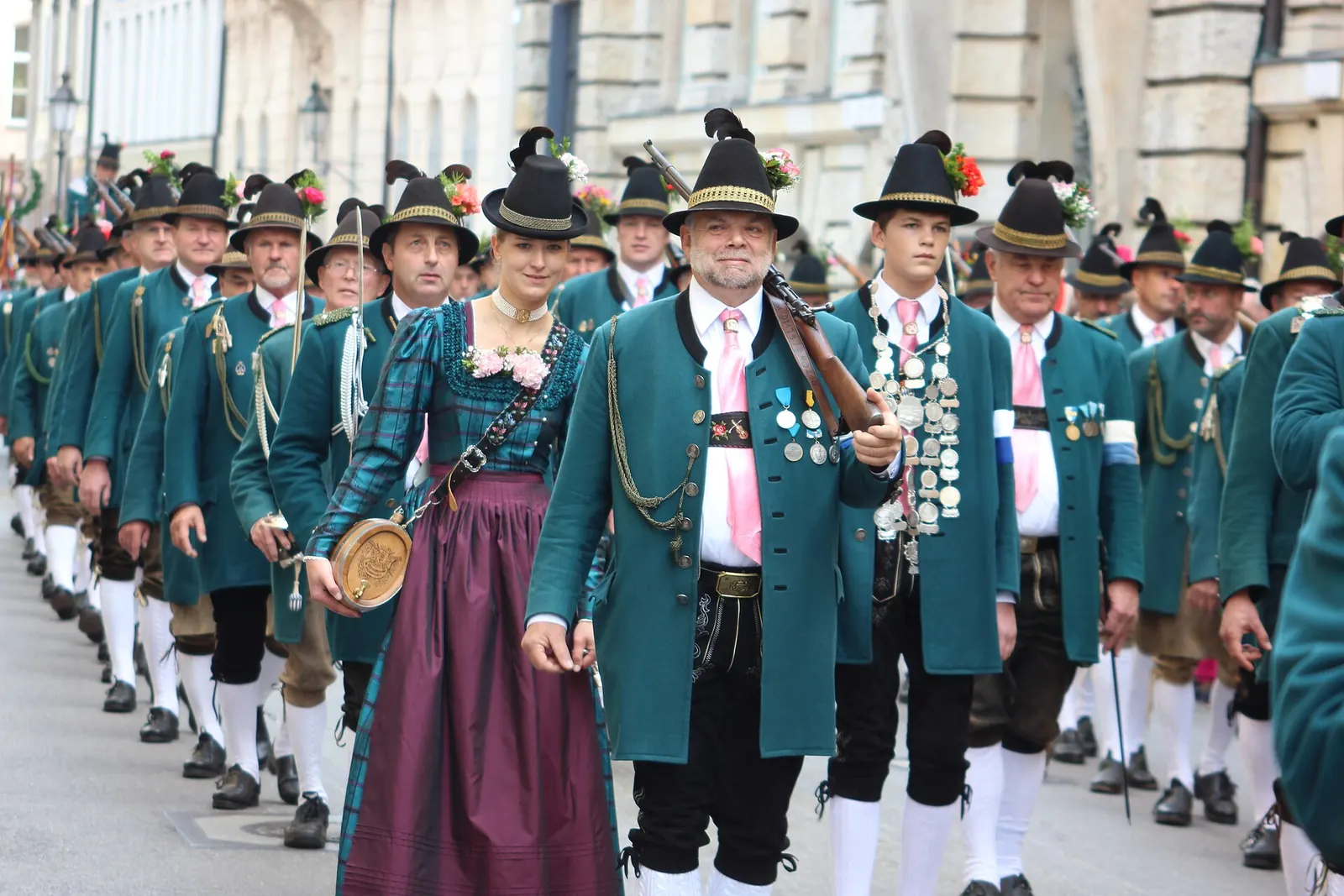
Oktoberfest
Munich, Germany
Mid September to the first Sunday of October, roughly 16 to 18 days, mostly in September despite the name
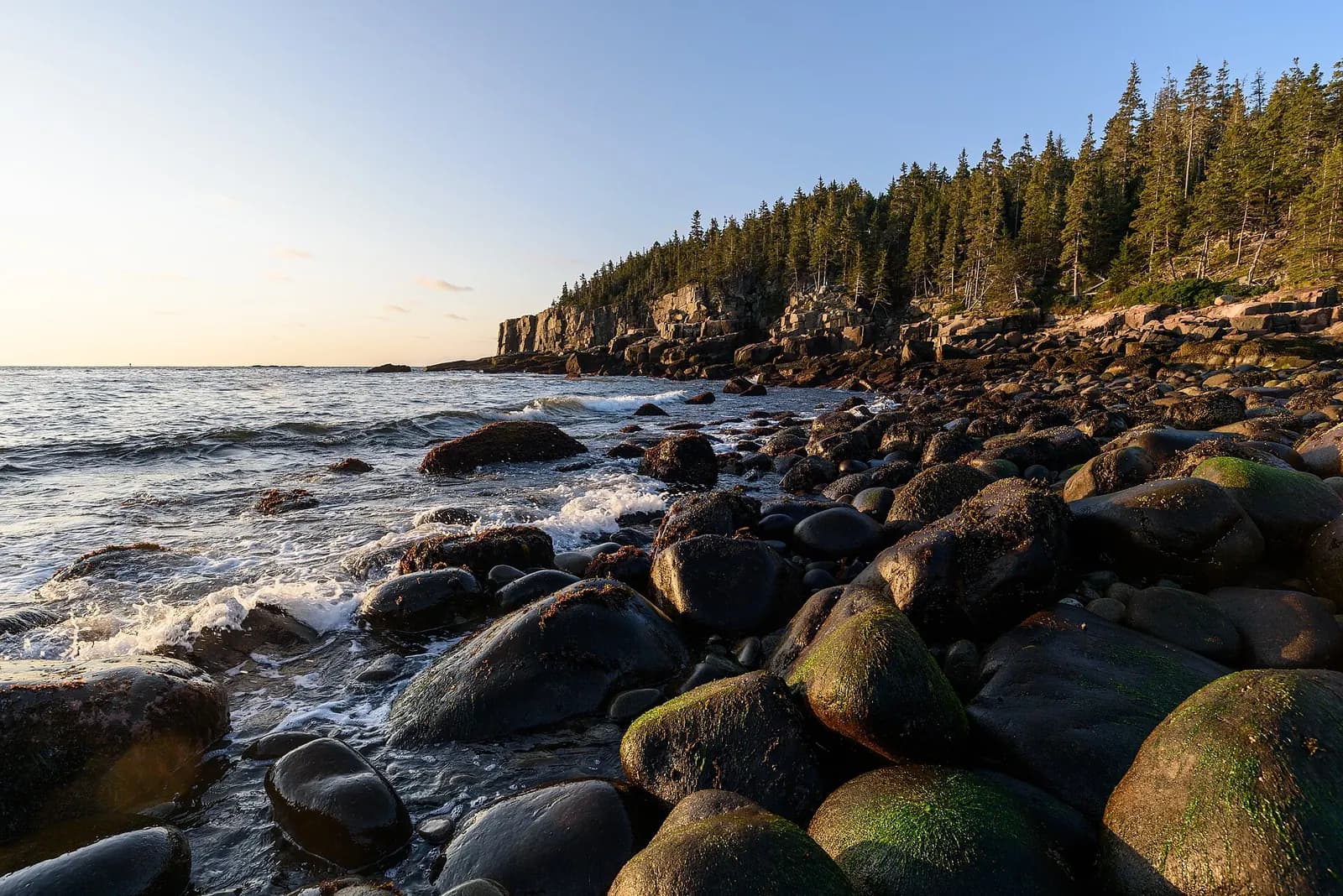
New England Fall Foliage
Vermont, New Hampshire & Maine
Late September through mid October, with peak color sweeping from north to south and high elevations downward
Before you book.
Sort these two things first.
Sponsored links. We may earn a commission; it never changes a verdict.
- Visit Faye
Travel insurance.
FayeA missed connection, a bag that never turns up, a hospital abroad: far cheaper to cover before departure than to argue about after.
- Visit Saily
eSIM data.
SailySet up an eSIM before you fly so your phone has data the moment you land, without roaming charges.
Our top-rated travel gear
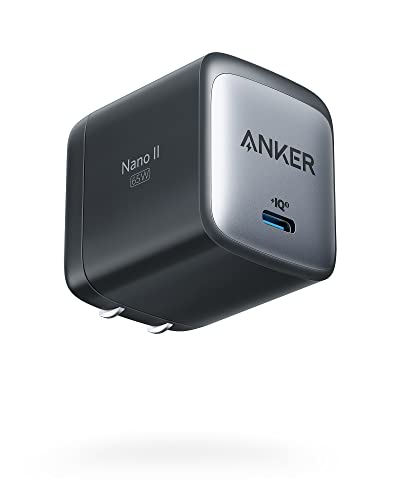
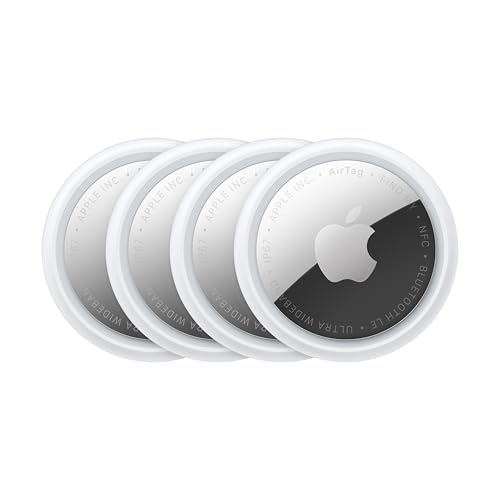
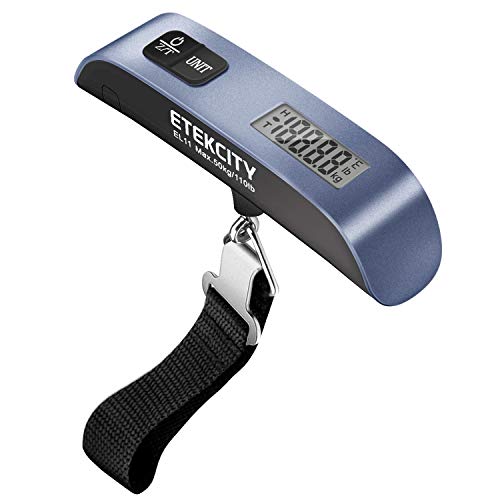
Whatever you decide, this is the gear we actually travel with: verified, priced, and ranked. Live price check on each.



As an Amazon Associate we may earn from qualifying purchases, at no cost to you.