Serengeti, Tanzania and Masai Mara, Kenya, Tanzania and Kenya
The Great Migration
Around 1.5 million wildebeest plus zebra and gazelle on a year-round loop through the Serengeti and Masai Mara.
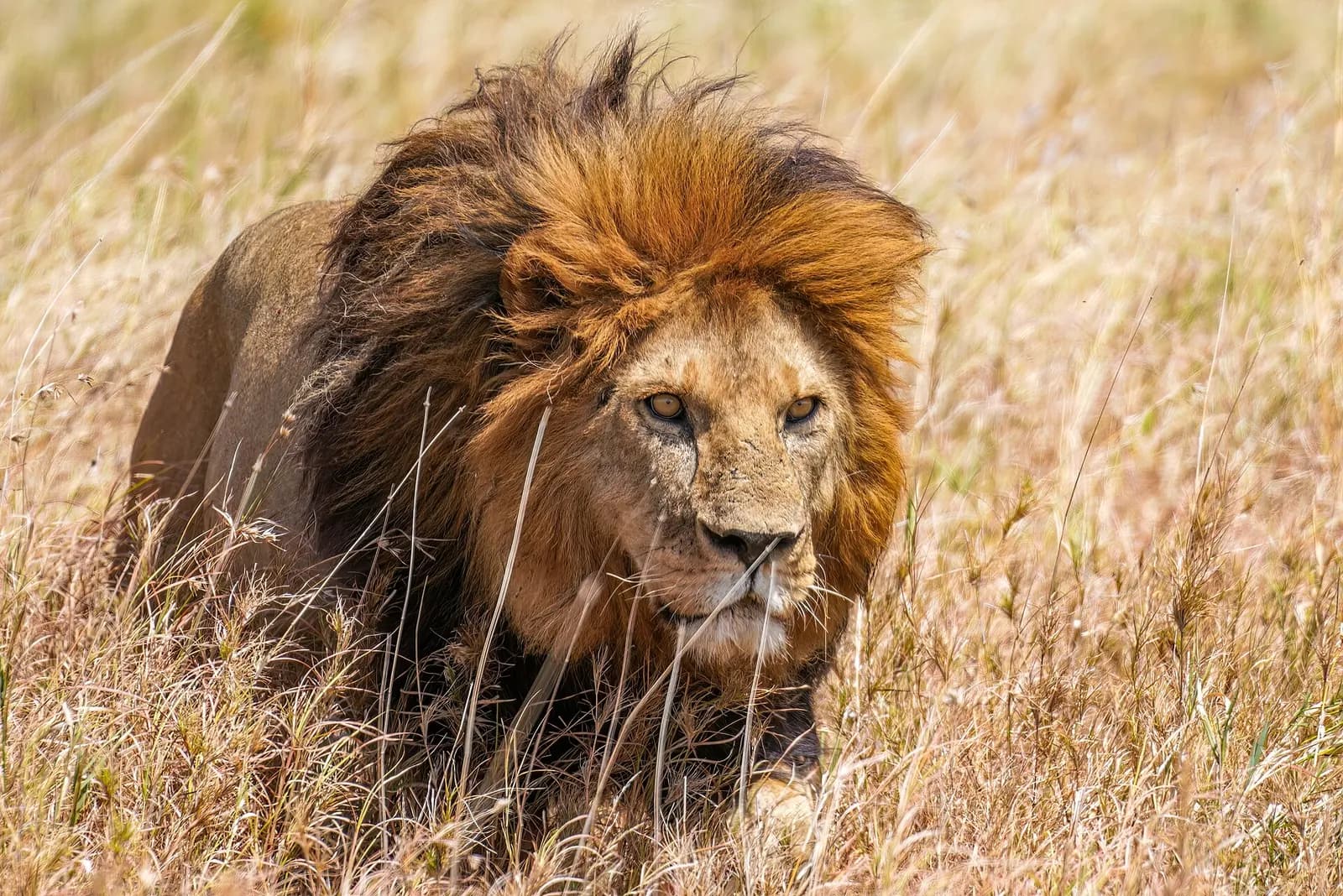
The straight answer
The Great Migration happens all year, but the two peaks are the calving season in the southern Serengeti from roughly late January to March and the Mara River crossings from about July to October.
The Great Migration is a year-round loop, not a single event: around 1.5 million wildebeest, along with hundreds of thousands of zebra and gazelle, move in a vast circuit through Tanzania's Serengeti and Kenya's Masai Mara, following the rains and fresh grass. The two peak moments are calving, roughly late January to March in the southern Serengeti, and the dramatic river crossings, roughly July to October in the northern Serengeti and Masai Mara.
The exact timing shifts every year with the rains, which is why the best safaris are built around a flexible understanding of where the herds usually are in a given month. In calving season, hundreds of thousands of calves are born within a few weeks, drawing lions, cheetahs, and hyenas. In crossing season, the herds plunge into the crocodile-filled Mara River in chaotic, dramatic scenes.
The long rains, roughly April to May, bring muddy roads and some camp closures, but also green landscapes and lower prices. November often sees short rains as the herds move south again.
The event, explained
From December to March, the herds graze on the short-grass plains of the southern Serengeti and the Ndutu area of the Ngorongoro Conservation Area, where calving peaks in February. It is one of the best times for predator action.
From around April to June, the herds move north and west through the central Serengeti and the Western Corridor, sometimes crossing the Grumeti River in late May to July.
From about July to October, the herds are in the northern Serengeti and Kenya's Masai Mara, crossing the Mara River repeatedly. Crossings are unpredictable: you may wait hours or days, and there is no guarantee.
How to play it right
- 01Choose your season by what you want: calving and predators in February, or river crossings from July to October. Each has different base areas.
- 02Book six to twelve months ahead for peak crossing season, when the best camps in the northern Serengeti and Masai Mara fill up.
- 03Choose a mobile or seasonal camp that moves with the herds, or a lodge near where they usually are in your travel month.
- 04Expect vehicle crowds at popular crossing points, especially in the Masai Mara. Private conservancies in Kenya limit vehicle numbers.
- 05Fly into Kilimanjaro International Airport for Tanzania or Nairobi for Kenya, then take bush flights to airstrips near your camp.
- 06Check health requirements: malaria prophylaxis is recommended, and yellow fever vaccination certificates may be required depending on your route.
With kids in tow
- Many safari camps have minimum ages for game drives, often 6 to 12, so check before booking.
- Calving season can be intense to watch, with predators active; prepare children for what they may see.
- Private vehicles and family-friendly camps offer more flexibility for shorter game drives and breaks.
Book your stay for The Great Migration.
Sponsored links to Expedia and Vrbo. We may earn a commission; it never changes a verdict.
- Hotels for January
Hotels. Expedia
Hotels in The Great MigrationOpens a hotel search for The Great Migration in January, dates filled in. Book early for the best months: the good rooms go first.
- Rentals on Vrbo
Vacation rentals. Vrbo
Vacation rentals in The Great MigrationWhole homes, condos and villas. Usually the better deal for families and groups, with a kitchen and room to spread out.
- Tours and tickets
Tours and tickets. Expedia
Tours and tickets in The Great MigrationTimed-entry tickets, day trips and guided tours in The Great Migration for January. Popular slots sell out in the best months.
The Great Migration, quick answers
When is the best time to see the Great Migration?
It depends on what you want: calving in the southern Serengeti from roughly late January to March, or river crossings in the northern Serengeti and Masai Mara from about July to October.
When do the wildebeest cross the Mara River?
Usually from about July to October, repeatedly and unpredictably. Timing depends on the rains, and crossings cannot be guaranteed on a given day.
Is the Great Migration in Tanzania or Kenya?
Both. The herds spend most of the year in Tanzania's Serengeti and move into Kenya's Masai Mara from about July to October.
When is calving season in the Serengeti?
Roughly late January to March, peaking in February, on the short-grass plains of the southern Serengeti and the Ndutu area.
What is the cheapest time to see the Great Migration?
The long rains, roughly April to May, when prices drop and some camps close. The herds are in the central Serengeti, and wildlife viewing is still good.
Make a trip of it: East Africa Safari
The best time to visit East Africa Safari
Best: Feb and Jun to Oct
The best time for an East Africa safari is June through October, the dry season, with roughly July through October prime for Great Migration river crossings in the Serengeti and Masai Mara; January through February is the southern Serengeti calving season, and April through May's long rains close many camps.
Also in January
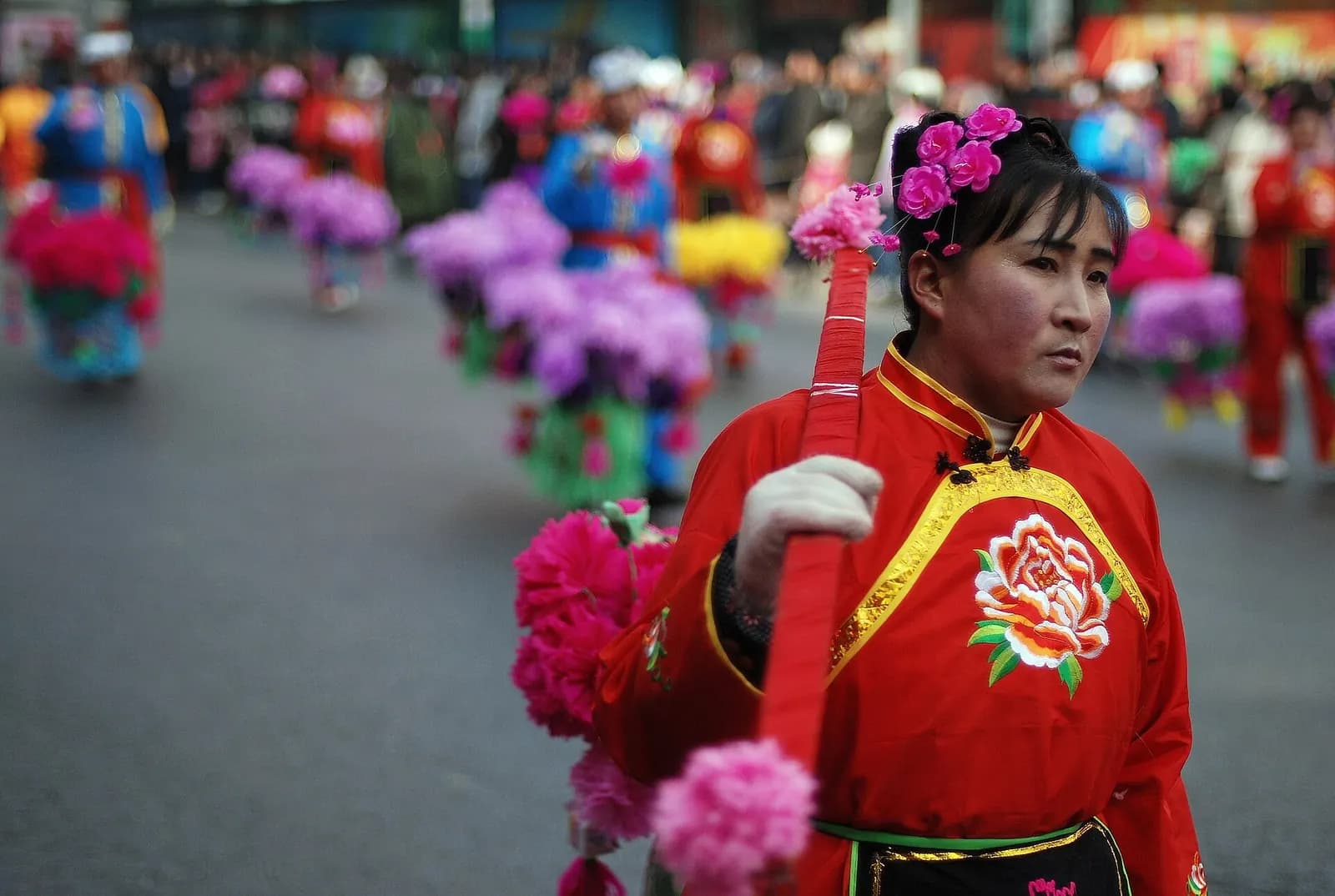
Chinese New Year
China, plus Singapore, Hong Kong & Taipei
Late January or February, on the new moon that begins the lunar year; the date moves with the lunar calendar, and festivities run about 15 days to the Lantern Festival

Venice Carnival
Venice, Italy
Roughly two weeks ending on Shrove Tuesday, so usually within late January and February; the dates move with Easter
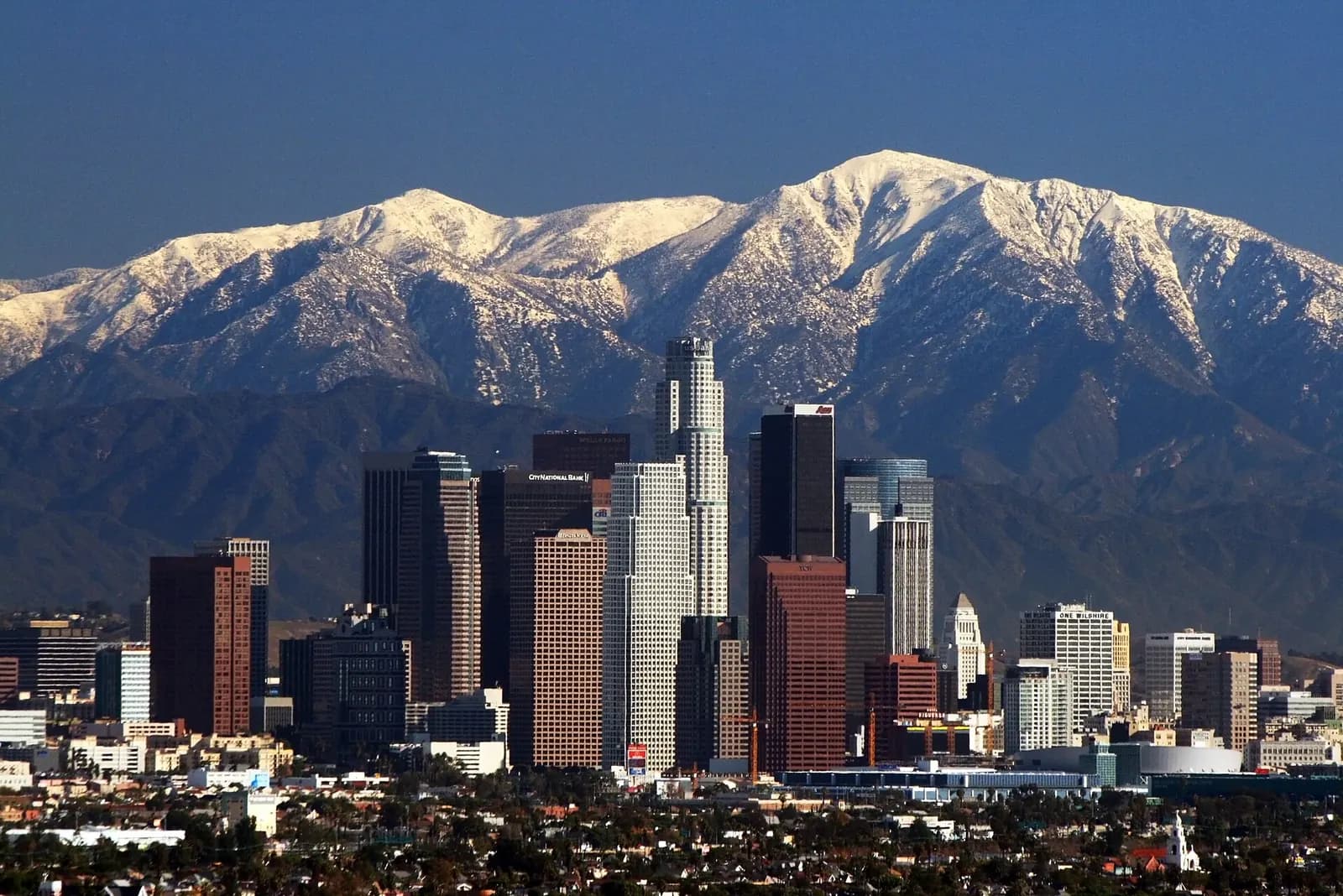
Rose Parade (Tournament of Roses)
Pasadena, California
New Year's Day morning, January 1, unless January 1 falls on a Sunday, in which case it moves to Monday, January 2
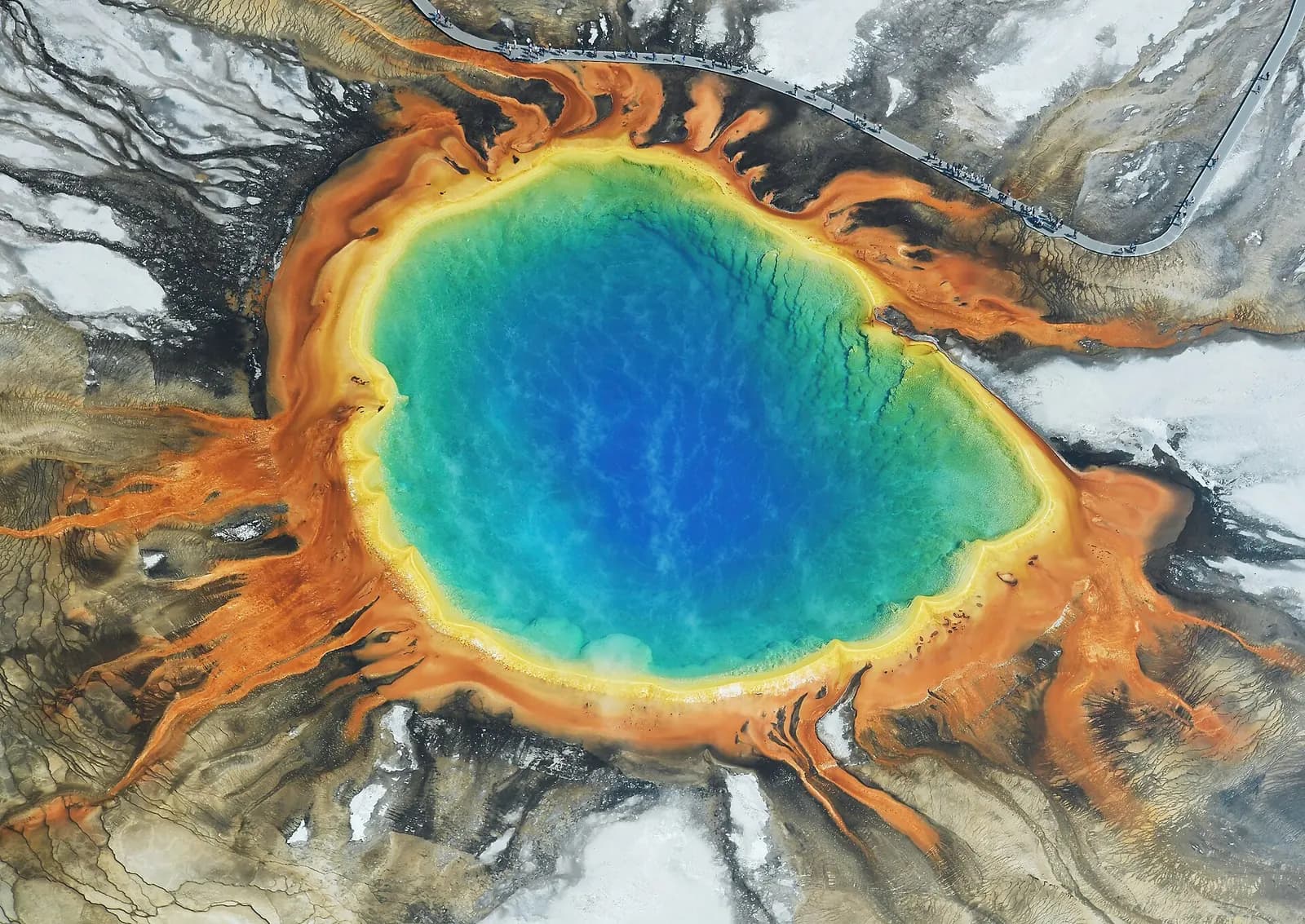
Sundance Film Festival
Boulder, Colorado (Park City, Utah through 2026)
About ten days in late January every year
Before you book.
Sort these two things first.
Sponsored links. We may earn a commission; it never changes a verdict.
- Visit Faye
Travel insurance.
FayeA missed connection, a bag that never turns up, a hospital abroad: far cheaper to cover before departure than to argue about after.
- Visit Saily
eSIM data.
SailySet up an eSIM before you fly so your phone has data the moment you land, without roaming charges.
Our top-rated travel gear
Whatever you decide, this is the gear we actually travel with: verified, priced, and ranked. Live price check on each.






As an Amazon Associate we may earn from qualifying purchases, at no cost to you.