Vermont, New Hampshire & Maine, United States
New England Fall Foliage
The world's most famous fall color show sweeps south across three states in about three weeks.
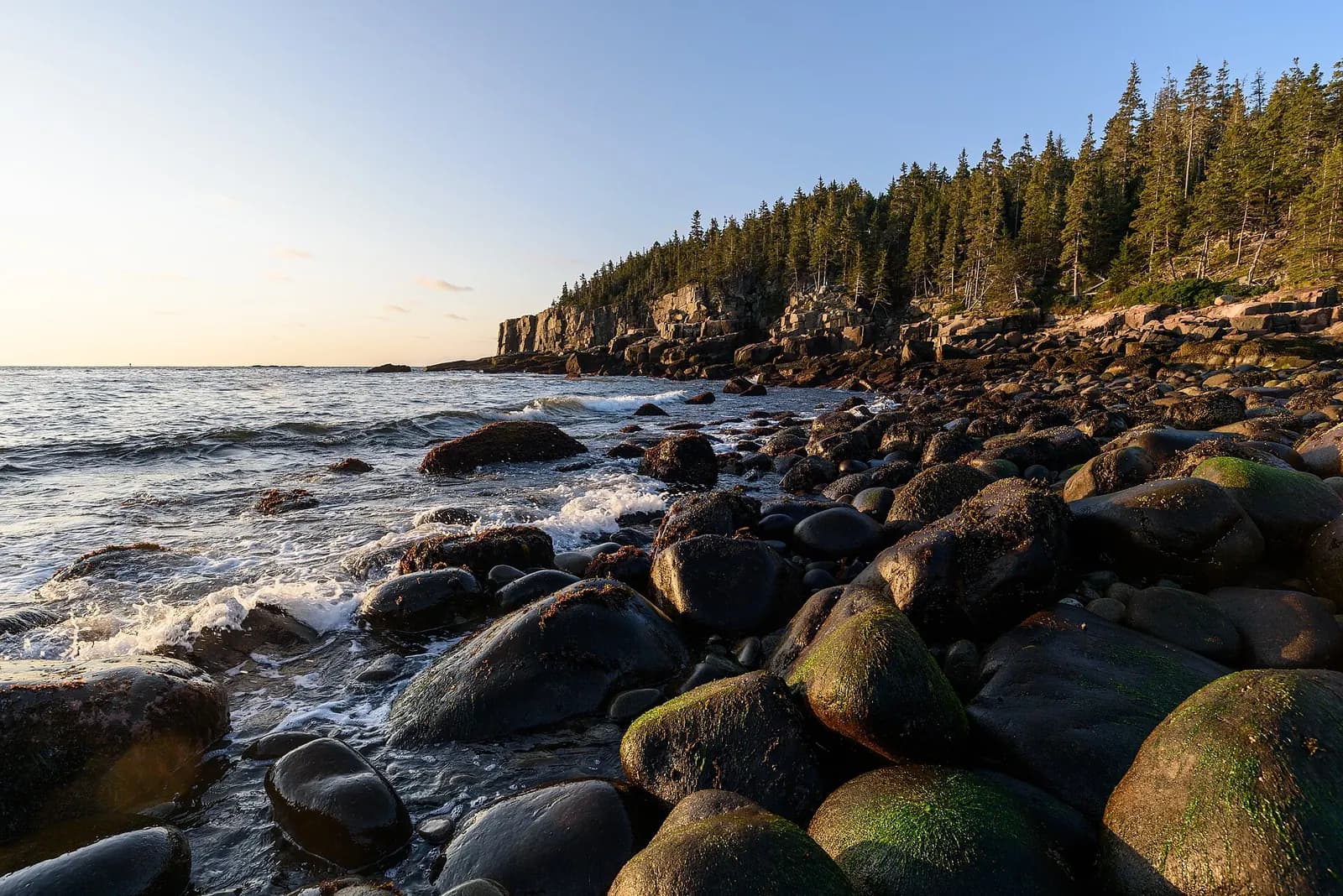
The straight answer
New England's fall foliage peaks between late September and mid October, sweeping from north to south: northern Vermont, New Hampshire, and Maine typically peak in late September to early October, and southern New England follows into mid and late October.
Every autumn, the hardwood forests of northern New England stage the most celebrated color display on Earth: sugar maples in scarlet and orange, birches in gold, whole hillsides turning at once above white church steeples. Peak color is a moving wave, starting in the far north and the high elevations in late September and rolling south and downhill through mid October, with any single spot holding near-peak color for roughly a week to ten days.
The wave's exact timing shifts year to year with the weather; warm autumns push peak later, drought and early cold pull it earlier, and the states run foliage trackers all season so leaf-peepers can aim. The dependable version of the answer: the first week of October in northern Vermont, New Hampshire's White Mountains, and inland Maine is as close to a sure thing as fall travel offers.
Everyone knows it, of course. The first two weekends of October, especially the long Columbus Day/Indigenous Peoples Day weekend, bring the year's heaviest crowds and highest lodging rates to towns like Stowe and North Conway. The good news is that foliage is a distributed spectacle: the show is on every back road, not just the famous ones.
The event, explained
Foliage season is really a driving-and-walking holiday. The classic circuits: Vermont's Route 100 running the spine of the Green Mountains, the Kancamagus Highway through New Hampshire's White Mountains, Smugglers' Notch above Stowe, and Maine's Rangeley Lakes and Acadia coast, where color meets the ocean a little later in October. Between drives it is farm stands, cider donuts, covered bridges, and hikes to bald summits where the color runs to the horizon.
Why here? A high concentration of sugar maples, which produce the reds and oranges no European autumn can match, plus crisp nights and sunny days that lock in pigment. The color is genuinely better in a good year here than almost anywhere on the planet, which is why the region drives a multi-billion-dollar leaf season.
Peak is not binary. The week before peak has green-gold hillsides with scarlet swamp maples already lit; the week after has bare ridgetops but glowing valleys and golden larches. A trip that misses technical peak by five days in either direction still gets a spectacular show if you are willing to drive an hour toward the color.
How to play it right
- 01Book lodging in the famous towns (Stowe, Woodstock, North Conway, Bar Harbor) three to six months ahead for late September through mid October; the first two October weekends sell out earliest and price highest. Midweek stays cost meaningfully less and see far fewer buses.
- 02Aim the trip, then chase: pick the first week of October in the north as your anchor, then use the state foliage trackers to shift your driving days north or south toward peak. Elevation is your second dial; climbing or descending a thousand feet moves you days along the color curve.
- 03Drive the famous roads early or late in the day: the Kancamagus and Route 100 crawl with traffic at midday on peak weekends, and pullouts fill. Sunrise foliage in valley fog is the region's best photograph anyway.
- 04Build the trip around one or two hikes, not just windshield miles: a bald-summit view (Mount Mansfield area, the Franconia Ridge shoulder trails, or countless smaller peaks) is the difference between seeing color and standing inside it.
- 05Weekdays are the entire crowd strategy. Foliage does not know it is Saturday; Tuesday on the Kancamagus is the same show with a third of the cars, and lodging can cost half.
- 06Pack for 35F to 70F (2C to 21C) swings in a single day, and book restaurant tables ahead in the small famous towns, where peak-weekend kitchens are genuinely overrun.
With kids in tow
- Foliage season is naturally kid-friendly if you cut the driving with doing: orchards for apple picking, corn mazes, gondola and chairlift rides at the ski resorts (Stowe, Loon, and others run fall lift service), and short summit hikes with big payoffs.
- The formula that works is one scenic drive segment per day, maximum, bookended by a farm stop and a hike or swim-hole stop; a full day of switchback roads is a carsickness engine for young passengers.
- For homeschool families, early October midweek is the jackpot: peak color, empty trails, harvest-season farm visits, and lodging at shoulder rates while school-bound crowds wait for the weekend.
Book your stay for New England Fall Foliage.
Sponsored links to Expedia and Vrbo. We may earn a commission; it never changes a verdict.
- Hotels for September
Hotels. Expedia
Hotels in New England Fall FoliageOpens a hotel search for New England Fall Foliage in September, dates filled in. Book early for the best months: the good rooms go first.
- Rentals on Vrbo
Vacation rentals. Vrbo
Vacation rentals in New England Fall FoliageWhole homes, condos and villas. Usually the better deal for families and groups, with a kitchen and room to spread out.
- Tours and tickets
Tours and tickets. Expedia
Tours and tickets in New England Fall FoliageTimed-entry tickets, day trips and guided tours in New England Fall Foliage for September. Popular slots sell out in the best months.
New England Fall Foliage, quick answers
When is peak fall foliage in New England?
Between late September and mid October, sweeping north to south. Northern Vermont, New Hampshire, and inland Maine typically peak in the last days of September and the first week of October; central areas follow in early-to-mid October, and southern New England runs into late October.
How long does peak color last in one place?
Roughly a week to ten days of prime color at any given spot, weather depending; a windstorm or hard rain can end it early. The near-peak weeks on either side are still excellent, especially if you drive toward the wave.
Where should I base myself?
Stowe or the Mad River Valley for Vermont, North Conway or Lincoln for the White Mountains, and Bar Harbor or Rangeley for Maine. Or skip the marquee towns entirely: any northern New England village has the same trees and half the traffic.
How do I avoid the worst crowds?
Travel midweek, drive the famous roads before 9am, and avoid the Columbus Day/Indigenous Peoples Day long weekend unless you have booked everything far ahead. Back roads one valley over from the marquee routes are reliably empty.
What if the color runs early or late in my year?
Move, do not mourn: the wave spans three-plus weeks across the region, so driving one to two hours north or south, or changing a thousand feet of elevation, usually finds peak. Check the state foliage reports the week before you fly.
Also in September
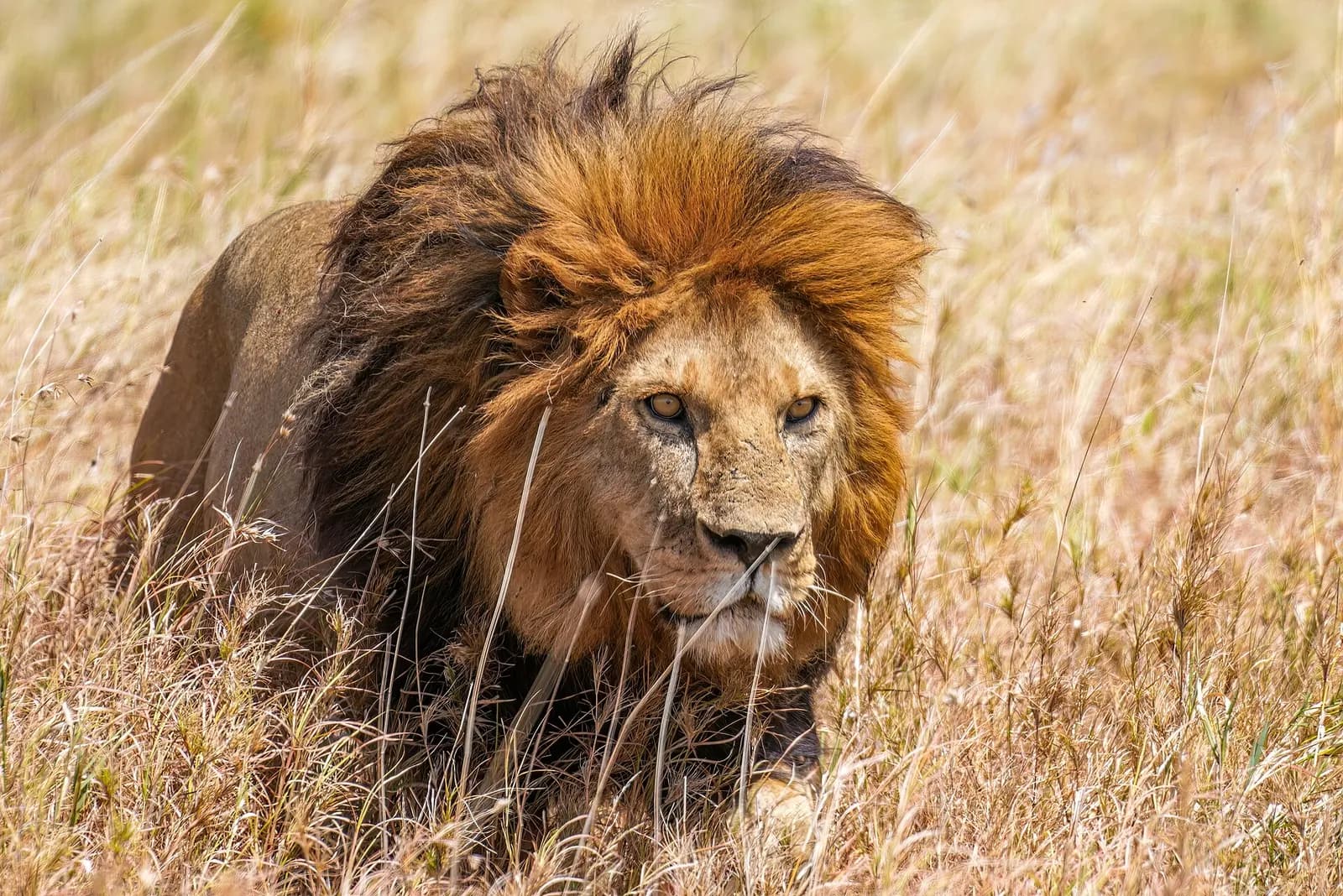
The Great Migration
Serengeti, Tanzania and Masai Mara, Kenya
Year-round, with calving in the southern Serengeti from roughly late January to March and river crossings from about July to October
Burning Man
Black Rock Desert, Nevada
About nine days from the last Sunday of August through Labor Day, the first Monday of September

Oktoberfest
Munich, Germany
Mid September to the first Sunday of October, roughly 16 to 18 days, mostly in September despite the name
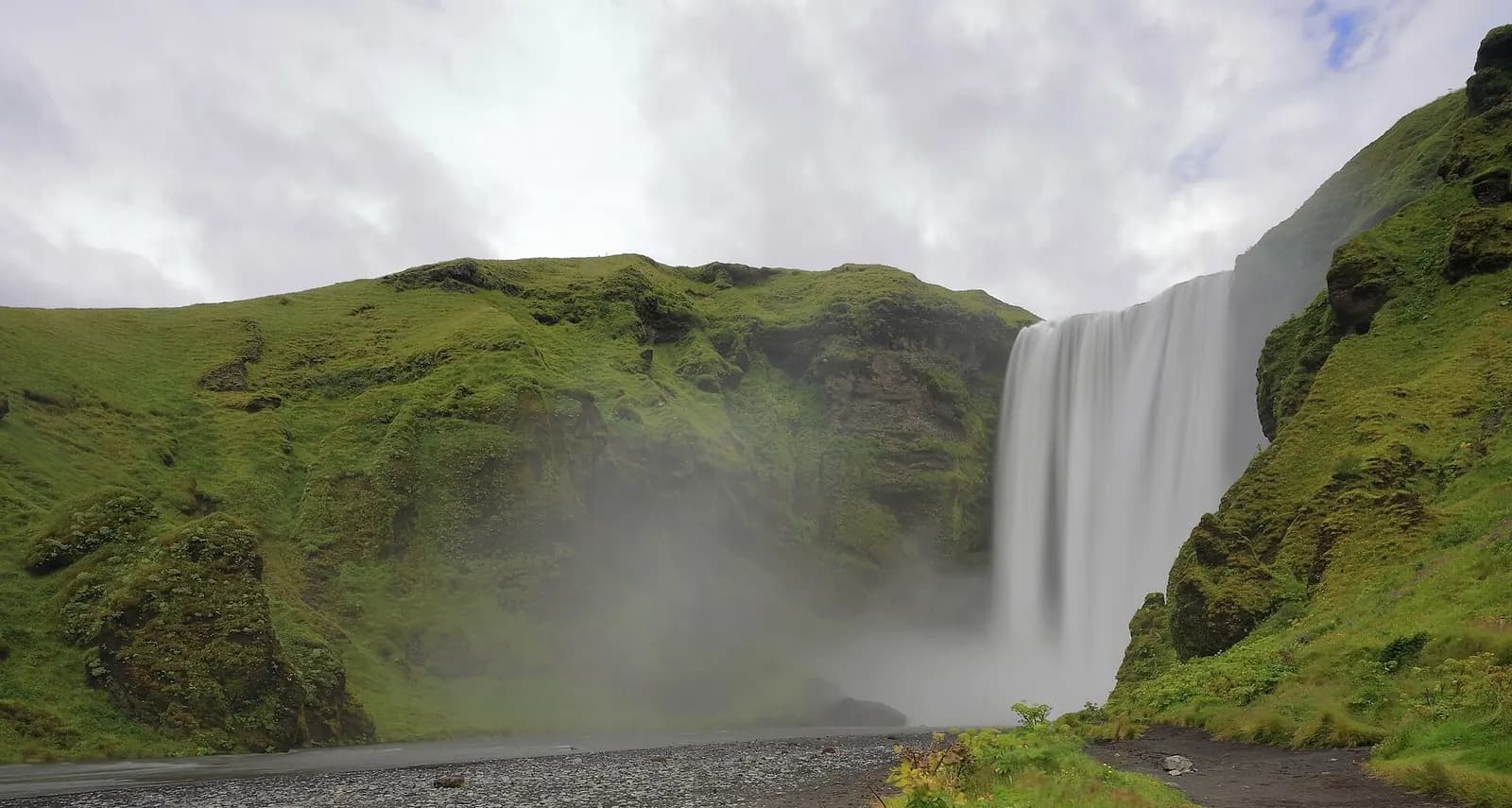
Northern Lights Season
Iceland, Norway & Finnish and Swedish Lapland
September through March, whenever nights are dark; the equinox months and deep winter each have their own case
Before you book.
Sort these two things first.
Sponsored links. We may earn a commission; it never changes a verdict.
- Visit Faye
Travel insurance.
FayeA missed connection, a bag that never turns up, a hospital abroad: far cheaper to cover before departure than to argue about after.
- Visit Saily
eSIM data.
SailySet up an eSIM before you fly so your phone has data the moment you land, without roaming charges.
Our top-rated travel gear
Whatever you decide, this is the gear we actually travel with: verified, priced, and ranked. Live price check on each.






As an Amazon Associate we may earn from qualifying purchases, at no cost to you.