Portugal, Europe
The best time to visit Azores
Nine volcanic islands in the middle of the Atlantic, where the weather, not the crowds, is what you are timing.
- Best months
- Jun to Jul and Sep
- Think twice
- No month is a write-off
- Quietest
- January
- Cheapest
- January
The straight answer
The best time to visit the Azores is June through September: the warmest, driest, and calmest weather of the year, hydrangeas in bloom, clear crater-lake views more often, and full inter-island ferry service.
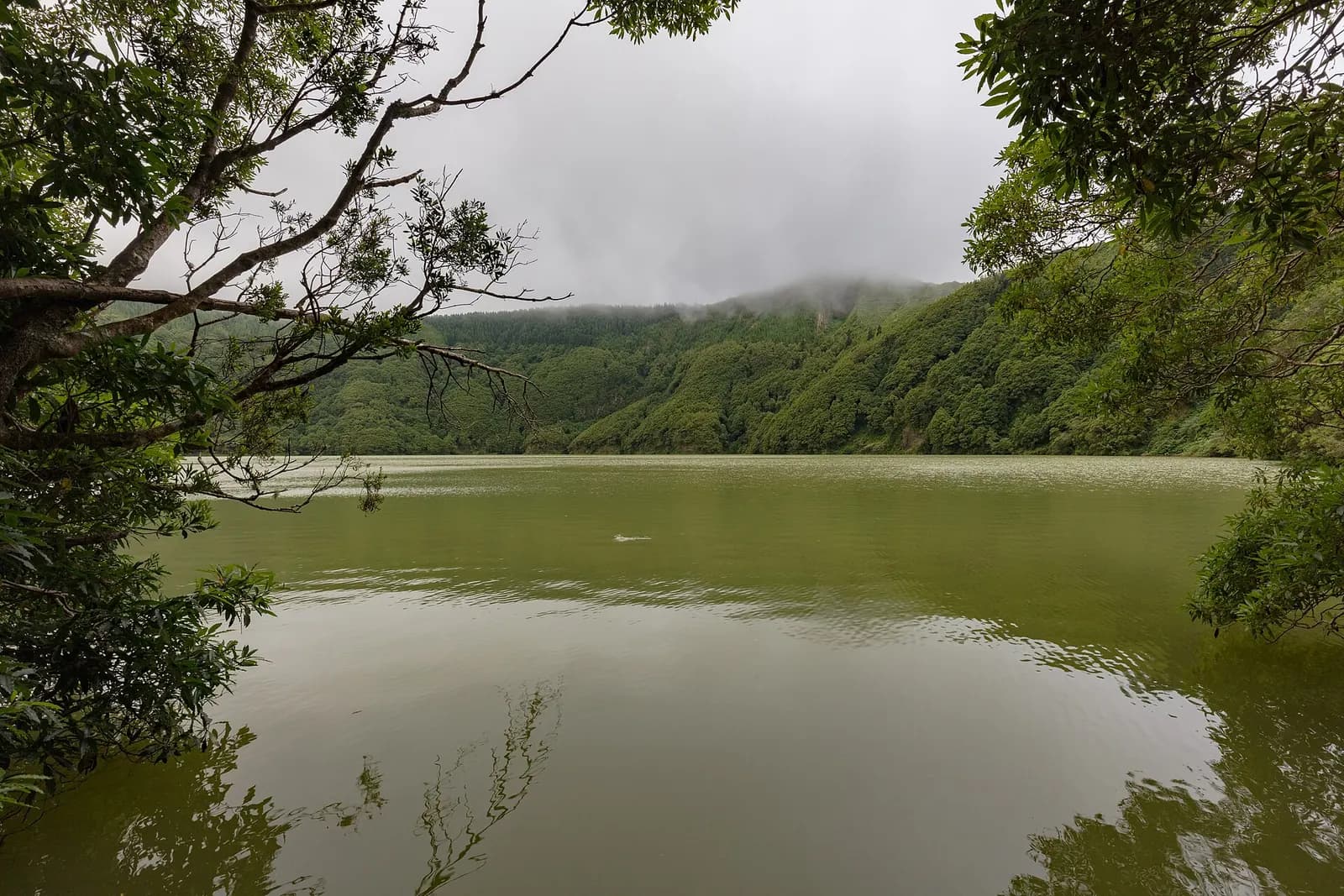
Go from June through September. The Azores have a mild, oceanic climate that never gets truly hot or cold, but summer is when the islands are most reliable: highs in the mid to upper 70s F (about 24 to 26C), the least rain, calmer seas for boat trips, and the best odds that the famous crater lakes at Sete Cidades and Lagoa do Fogo are not hidden in cloud. The hydrangeas that line the roads peak from roughly late June through August.
The islands' timing is really about weather, not crowds. Even in August, the busiest month, the Azores feel uncrowded next to mainland Portugal or the Mediterranean, though rental cars and the best hotels on Sao Miguel sell out and prices rise. The bigger risk in any month is changeable weather: fog, drizzle, and sun can cycle within an hour, and the Azorean saying that you can have four seasons in a day is not an exaggeration.
Spring is the smart choice for whale watching, since April and May bring migrating blue, fin, and sei whales past the islands on top of the resident sperm whales. Winter, roughly November through March, is mild at about 62F (17C) but wet, windy, and gray, with rough seas, thinner flight schedules, and inter-island ferries running only on a reduced basis or not at all. The hot springs are lovely in the rain, though. Month by month below.
Azores, month by month
Every month gets a verdict. Tap one for its own page: weather, crowds, prices and what is on.
- 01JanuaryTradeoffsMild and wet, highs near 62F (17C), windy, frequent rainCheap and quiet, and the hot springs at Furnas are at their most atmospheric. Views are often clouded out and seas are rough.CrowdsPrice
- 02FebruaryTradeoffsMild and wet, highs near 61F (16C), stormy spellsSimilar to January. Carnival brings local celebrations, especially on Terceira, where comic street theater is a tradition.CrowdsPrice
- 03MarchTradeoffsMild, highs near 62F (17C), showers and windStill unsettled, but days lengthen and the first migrating whales can appear late in the month.CrowdsPrice
- 04AprilQuiet valueMild, highs near 64F (18C), fewer stormsPrime whale-watching season begins, with blue and fin whales passing. Green, empty, and good value if you pack rain gear.CrowdsPrice
- 05MayGoodPleasant, highs near 67F (19C), drierWhale watching peaks, hiking trails dry out, and prices stay low. The Santo Cristo festival in Ponta Delgada often falls in May.Hotels for May →CrowdsPrice
- 06JuneBestWarm, highs near 71F (22C), mostly dryLong days, hydrangeas starting to bloom, and some of the best hiking conditions. The Sanjoaninas festival fills Angra do Heroismo late in the month.Hotels for June →CrowdsPrice
- 07JulyBestWarm and sunny, highs near 76F (24C)Reliable weather, hydrangeas at their peak, and the full summer ferry network between islands.Hotels for July →CrowdsPrice
- 08AugustGoodWarmest, highs near 78F (26C), humidThe busiest and most expensive month, with Portuguese and diaspora visitors. Book cars and rooms well ahead. Warmest sea for swimming.Hotels for August →CrowdsPrice
- 09SeptemberBestWarm, highs near 76F (24C), sea still warmSummer weather with August's crowds gone. A strong month for swimming, diving, and hiking.Hotels for September →CrowdsPrice
- 10OctoberQuiet valueMild, highs near 72F (22C), rain returningEarly October can still be excellent; later in the month autumn storms become more frequent and summer ferries wind down.CrowdsPrice
- 11NovemberTradeoffsMild and wet, highs near 67F (19C), windyOne of the wetter months. Quiet and cheap, but weather can scrub boat trips and hide viewpoints for days.CrowdsPrice
- 12DecemberTradeoffsMild and wet, highs near 64F (18C), stormy spellsLow season, with a festive feel in Ponta Delgada. Pack for rain and treat clear days as a bonus.CrowdsPrice
Book Azores for June.
Sponsored links to Expedia and Vrbo. We may earn a commission; it never changes a verdict.
- Hotels for June
Hotels. Expedia
Hotels in AzoresOpens a hotel search for Azores in June, dates filled in. Book early for the best months: the good rooms go first.
- Rentals on Vrbo
Vacation rentals. Vrbo
Vacation rentals in AzoresWhole homes, condos and villas. Usually the better deal for families and groups, with a kitchen and room to spread out.
- Tours and tickets
Tours and tickets. Expedia
Tours and tickets in AzoresTimed-entry tickets, day trips and guided tours in Azores for June. Popular slots sell out in the best months.
Why go to Azores
Crater lakes and calderas
Sete Cidades' twin blue and green lakes, Lagoa do Fogo, and the collapsed volcanoes of Faial and Corvo are among the most striking landscapes in Europe.
Some of the world's best whale watching
Around two dozen whale and dolphin species have been recorded in Azorean waters, with sperm whales present year-round and migrating giants in spring.
Hot springs in the rain
Furnas on Sao Miguel has steaming vents, iron-rich thermal pools at Terra Nostra and Poca da Dona Beija, and cozido stew slow-cooked underground by volcanic heat.
Europe without the crowds
Even at its peak, the Azores feel open and green, with hiking trails, fishing villages, and pastures running down to the sea.
Things to do, and when to do them
Sete Cidades
The twin crater lakes on Sao Miguel. Check live webcams or local weather before driving up; on cloudy days you will see only fog.
Furnas and its cozido
Watch the stew pots pulled from the ground at the Furnas lake fumaroles around midday, then eat it in town and soak in the thermal pools.
Whale watching from Ponta Delgada, Pico, or Faial
Operators use land-based lookouts to find animals. Spring is peak for blue and fin whales; sperm whales are seen year-round, weather permitting.
Climbing Mount Pico
Portugal's highest mountain at about 7,700 feet (2,351 m). Climbers must register at the mountain house; summer is the practical season.
Pico's vineyards
A UNESCO World Heritage landscape of vines grown inside black lava-stone walls.
Angra do Heroismo, Terceira
A UNESCO-listed Renaissance port town with colorful facades and a strong festival culture.
Lagoa do Fogo
A high crater lake in a nature reserve in the middle of Sao Miguel, reached by a scenic road and a steep walking trail.
Flores waterfalls
The westernmost island is ringed with cascades and cliffs; it is the wildest and least visited of the main group.
Events and seasons worth planning around
Festas do Senhor Santo Cristo dos Milagres
The fifth Sunday after Easter and the days around it, usually May
The Azores' biggest religious festival, with a huge procession through flower-carpeted streets in Ponta Delgada.
Holy Spirit festivals (Festas do Espirito Santo)
From Pentecost through the summer
Community feasts with free soup and bread served from small painted chapels called imperios, especially on Terceira.
Sanjoaninas
Around June 24, lasting about a week
Angra do Heroismo's summer festival with parades, music, and street bullfights (touradas a corda).
Semana do Mar
Early August
Horta's sea week on Faial, with sailing regattas, concerts, and seafood in the marina town famous among transatlantic sailors.
Beat the crowds
- Book rental cars early for June through September. Sao Miguel regularly runs short in summer, and public transport between sights is limited.
- Check webcams for Sete Cidades and Lagoa do Fogo each morning and go where the clouds are not. Build flexible days into your plan.
- Visit Furnas' thermal pools early or late in the day; midday tour groups crowd the smaller pools.
- Add a second or third island. Sao Miguel gets most visitors; Pico, Faial, Sao Jorge, and Flores are far quieter.
Open or closed
- The Azores do not shut down, but from about October to May inter-island ferry service is limited or suspended on many routes, so island-hopping means flying.
- Boat trips, whale watching, and swimming are weather-dependent in every month and are canceled frequently in winter.
- Hiking trails can close after heavy rain or landslides. Check the regional trail network's status before heading out.
- Some seasonal restaurants and guesthouses on the smaller islands close in winter.
With kids in tow
- Whale watching, lava caves, and the Furnas cooking pots are big hits with kids, and a practical earth-science lesson for homeschool families.
- Summer is the family season: calmer seas, warmer swimming in natural rock pools such as those at Mosteiros, and longer days.
- Pack layered rain gear for everyone, even in July. Weather changes fast and viewpoints are often at altitude.
- Whale-watching trips on open boats can be rough; younger children may be more comfortable on larger catamarans.
Getting there
- Ponta Delgada (PDL) on Sao Miguel is the main gateway. Azores Airlines flies from Boston, one of the shortest flights from the US to Europe at roughly four and a half to five hours, with seasonal service from some other North American cities.
- From Lisbon and Porto, flights to Ponta Delgada take about two hours, with some direct routes to Terceira, Pico, and Faial.
- Inter-island flights on SATA Air Acores connect all nine islands year-round; the Atlanticoline ferry network runs mainly in summer.
Packing? Packing cubes and the airport kit.
Azores timing, quick answers
What is the best month to visit the Azores?
July or September. Both have warm, relatively dry weather and calmer seas, with September adding smaller crowds and a warm sea after the August peak.
What is the cheapest time to visit the Azores?
November through March, when flights and hotels are at their lowest. Expect frequent rain, wind, and cloud, and limited boat trips.
When is the best time for whale watching in the Azores?
April through June for migrating blue, fin, and sei whales. Sperm whales live in the area year-round, so summer trips also have excellent sightings.
When is the rainy season in the Azores?
October through March is the wettest period, with November through January typically the rainiest months. Summer is the driest, though showers can appear any time.
When do the hydrangeas bloom in the Azores?
Roughly from late June through August, peaking in July. Flores and Faial are especially known for them.
Is the Azores worth visiting in winter?
For a quiet, moody trip centered on hot springs and food, yes. But views are often clouded out and boat trips are frequently canceled, so it is not ideal for a first visit.
Weighing alternatives
Similar trips, with their best months.
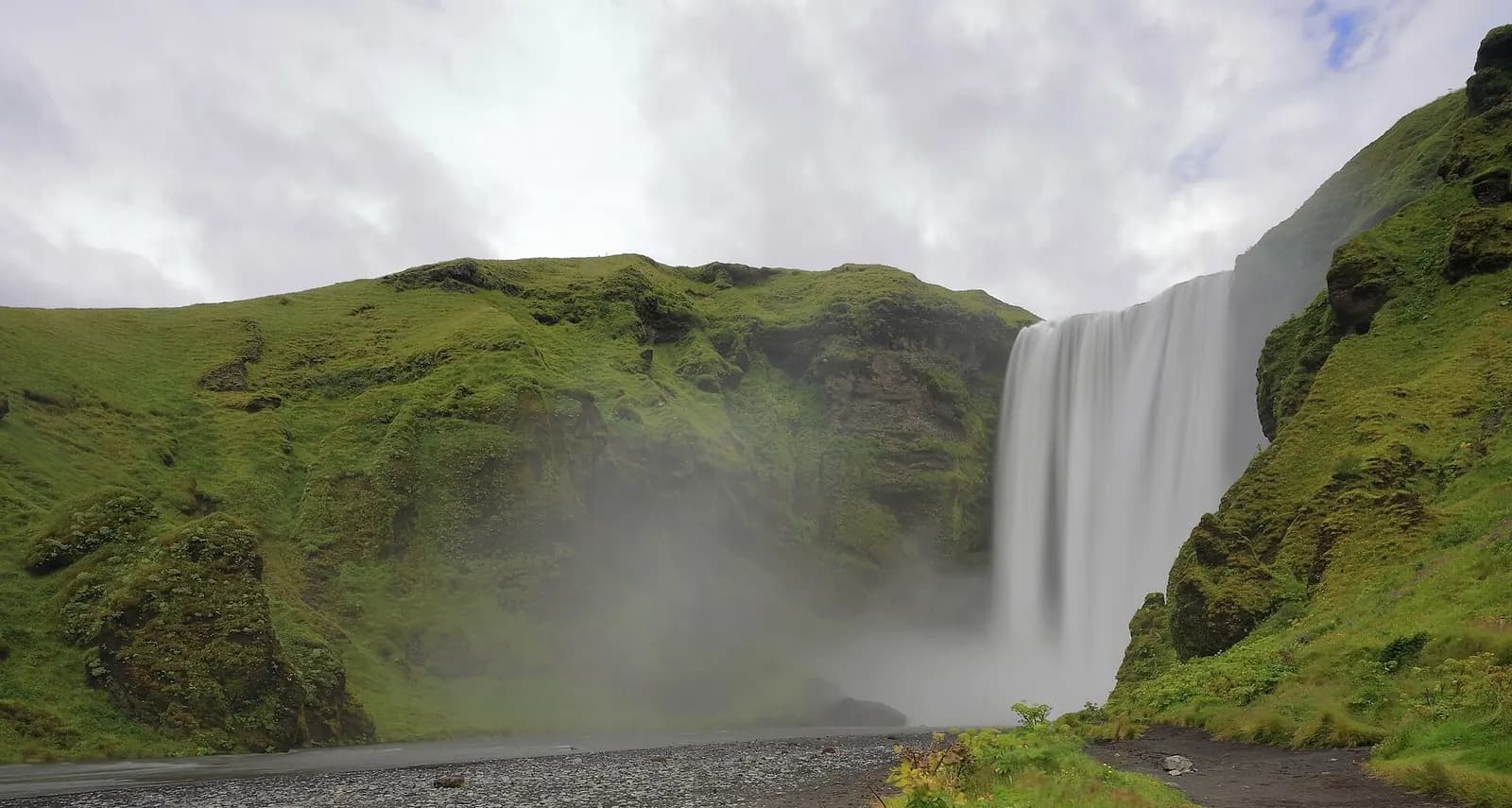
Before you book.
Sort these two things first.
Sponsored links. We may earn a commission; it never changes a verdict.
- Visit Faye
Travel insurance.
FayeA missed connection, a bag that never turns up, a hospital abroad: far cheaper to cover before departure than to argue about after.
- Visit Saily
eSIM data.
SailySet up an eSIM before you fly so your phone has data the moment you land, without roaming charges.
Our top-rated travel gear
Whatever you decide, this is the gear we actually travel with: verified, priced, and ranked. Live price check on each.

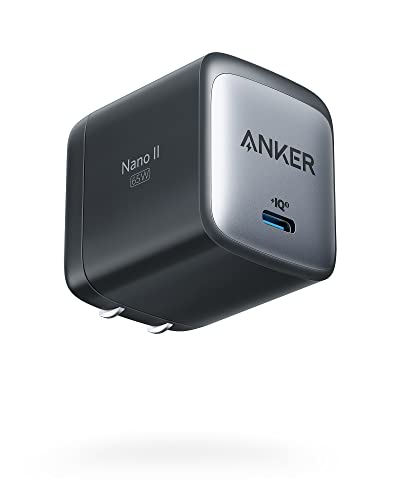




As an Amazon Associate we may earn from qualifying purchases, at no cost to you.