The straight answer
The best time to visit Alaska is June through August for long days, open roads, and peak wildlife, with late May and early September as the smart-money shoulder weeks.
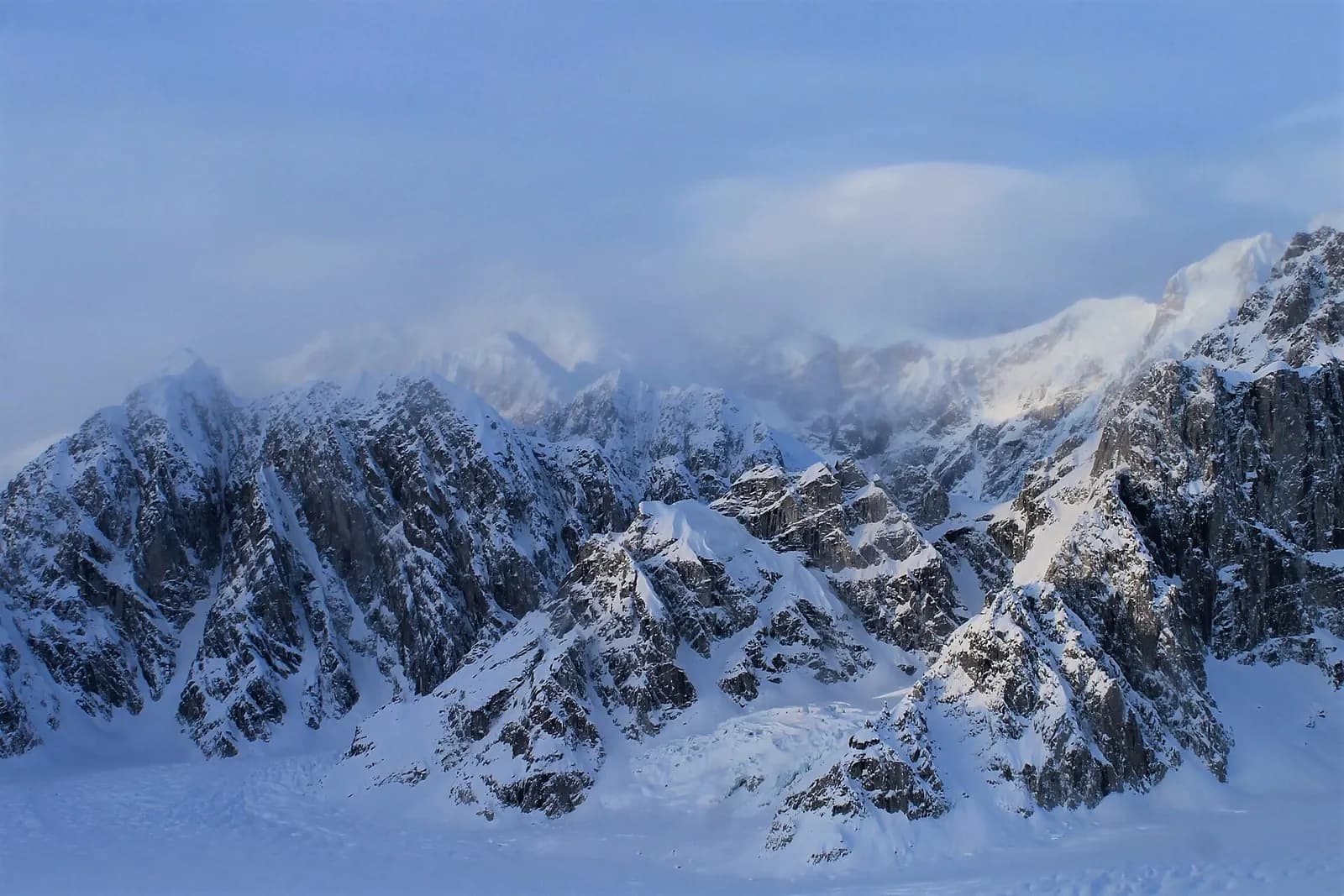
Go between June and August. That short window is when Alaska is fully open: Denali buses running, glacier cruises sailing daily, bears fishing the salmon runs, and daylight stretching past 10pm even in the southern part of the state. Late May and the first half of September bookend it with lower prices, fewer cruise crowds, and, in September, the first real chance at northern lights.
The honest tradeoff is that Alaska barely does shoulder season; it mostly does on or off. By October much of the tourism infrastructure outside the cities closes for winter, and April is the muddy thaw locals call breakup. Winter itself is a different, legitimate trip: aurora hunting from Fairbanks, the Iditarod, and snow sports, as long as you come for the dark and the cold rather than in spite of them.
The Alaska year
Spring
Mostly breakup mud and closed roads through April; May improves fast. Late May is a genuine deal: 60F days, few crowds, and most operators just opening.
Summer
The season. Highs of 60 to 75F, near-endless daylight, every road and boat running. It is also peak pricing; book lodges and Denali logistics six months or more ahead.
Fall
Blink and it is gone. Tundra turns gold in late August and early September, aurora season begins, and by late September most rural operators are closing. October and November are the in-between months to skip.
Winter
A real trip for the right traveler. Fairbanks is one of the world's most reliable aurora bases, Anchorage hosts the Iditarod start, and Alyeska skis big. Expect deep cold and short days, and plan around them.
Book Alaska for June.
Sponsored links to Expedia and Vrbo. We may earn a commission; it never changes a verdict.
- Hotels for June
Hotels. Expedia
Hotels in AlaskaOpens a hotel search for Alaska in June, dates filled in. Book early for the best months: the good rooms go first.
- Rentals on Vrbo
Vacation rentals. Vrbo
Vacation rentals in AlaskaWhole homes, condos and villas. Usually the better deal for families and groups, with a kitchen and room to spread out.
- Tours and tickets
Tours and tickets. Expedia
Tours and tickets in AlaskaTimed-entry tickets, day trips and guided tours in Alaska for June. Popular slots sell out in the best months.
What to actually do
Denali National Park
Denali Park, interior Alaska
One road, six million acres. Take the transit bus deep into the park for grizzlies and caribou, and know the mountain shows itself only about one day in three.
Kenai Fjords National Park
Seward
Day cruises out of Seward stack up tidewater glaciers, humpbacks, orcas, and puffins. The full-day Northwestern Fjord trips are worth the extra hours.
Glacier Bay National Park
Southeast Alaska, near Gustavus
The crown jewel of the Inside Passage cruise itineraries, with 11 tidewater glaciers and whale-rich waters.
Mendenhall Glacier
Juneau
A drive-up glacier 13 miles from downtown Juneau, with the Nugget Falls trail as the easy payoff walk.
Brooks Falls bear viewing
Katmai National Park, via King Salmon
The famous salmon-catching brown bears. July is the peak of the run; access is by floatplane and demand is intense.
Alaska Railroad
Anchorage to Denali and Fairbanks
One of the world's great train rides, with dome cars running mid May through mid September.
Homer and Kachemak Bay
Homer, Kenai Peninsula
The end of the road: halibut charters, art galleries on the Spit, and water-taxi hikes across the bay.
Aurora viewing from Fairbanks
Fairbanks
Under the auroral oval and often clear, Fairbanks is the state's best northern lights base from late August through mid April.
Matanuska Glacier and the Glenn Highway
Glacier View, northeast of Anchorage
A guided walk on a roadside glacier along one of America's most scenic drives.
Girdwood and Alyeska
Girdwood, 40 minutes from Anchorage
Rainforest hiking and a scenic tram in summer, Alaska's biggest ski resort in winter.
Events worth planning around
Iditarod Trail Sled Dog Race
Ceremonial start in Anchorage the first Saturday of March
The 1,000-mile race to Nome. Anchorage's start day is festive and easy to attend.
Fur Rendezvous
Late February into early March, Anchorage
Anchorage's winter carnival, running right into the Iditarod start week.
Midnight Sun Game
On the summer solstice in late June, Fairbanks
A baseball game that starts late at night and finishes under natural light, a Fairbanks tradition for over a century.
Alaska State Fair
Late August through Labor Day weekend, Palmer
Famous for absurdly giant vegetables grown under the midnight sun.
Northern lights season
Late August through mid April, on dark clear nights
Statistically strong around the equinoxes; plan at least three nights in the Fairbanks area to hedge against clouds.
With kids in tow
- The Anchorage to Seward corridor is the easiest family route: wildlife center at Portage, day cruise in Seward, and short trails, all without small planes or long gravel roads.
- Kids under a certain height often ride Denali transit buses at reduced rates, and rangers run strong junior programs at Denali and Kenai Fjords all summer.
- For homeschool families, September is the play: rates drop, tundra is gold, salmon are still running, and aurora becomes possible, all while school-year crowds vanish.
Alaska, quick answers
What is Alaska known for?
Denali, calving glaciers, brown bears and whales, the northern lights, the midnight sun, the Iditarod, and a scale of wilderness that no other US state approaches.
When is the best time to visit Alaska?
June through August for the classic trip, when everything is open and daylight is nearly endless. Late May and early September offer most of the experience at lower prices. For aurora, aim late August through mid April, ideally around the equinoxes.
When can you see the northern lights in Alaska?
Late August through mid April, whenever the sky is dark and clear. Summer is too bright. Fairbanks is the most reliable base; give yourself at least three nights.
Is Alaska worth visiting in winter?
Yes, for the right trip: aurora from Fairbanks, the Iditarod in early March, dog sledding, and skiing at Alyeska. It is a cold-weather adventure, not a sightseeing loop; many rural lodges and roads are closed.
Pair it with
Before you book.
Sort these two things first.
Sponsored links. We may earn a commission; it never changes a verdict.
- Visit Faye
Travel insurance.
FayeA missed connection, a bag that never turns up, a hospital abroad: far cheaper to cover before departure than to argue about after.
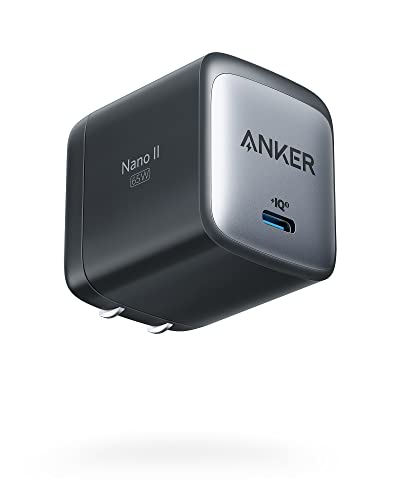
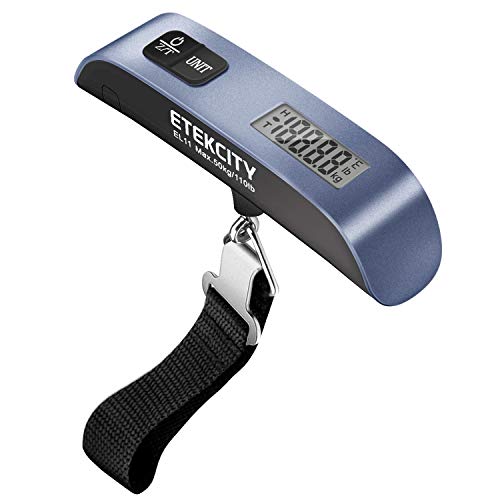
Our top-rated travel gear
Whatever you decide, this is the gear we actually travel with: verified, priced, and ranked. Live price check on each.




As an Amazon Associate we may earn from qualifying purchases, at no cost to you.