The straight answer
The best time to visit Hawaii is April through May or September through October, when the weather is as good as peak season but flights, hotels, and beaches are all noticeably calmer.
Hawaii barely has a bad-weather month, so the smart question is when it has fewer people. The answer is the twin shoulders: April through May (after spring break, before summer) and September through October (after Labor Day, before the holidays). Both deliver highs around 82 to 87F, calmer seas for snorkeling, and hotel rates meaningfully below the December and summer peaks.
The tradeoffs elsewhere are honest rather than severe. Winter brings slightly more rain, giant surf on the north shores, peak whale watching, and the year's highest prices around Christmas. Summer is hot, dry, and family-crowded. Whatever the month, the bigger weather decision is which coast you sleep on: leeward sides like Kaanapali, Waikiki, and Poipu stay dry while windward sides catch the rain that keeps them green.
The Hawaii year
Spring
A top window once spring break clears: highs near 82F, waterfalls still full from winter rain, and April through May pricing is among the year's friendliest.
Summer
Hot, dry, and reliable, with highs in the upper 80s F and the calmest swimming on most coasts. It is also peak family season; June and July book up and prices climb.
Fall
The insider pick. September and October have summer's weather with the year's thinnest crowds, though it is technically the warmer, more humid end of hurricane season, which rarely affects trips.
Winter
Whale season and big-wave season, with a few more rainy spells and highs near 80F. Late December through early January is the price peak of the entire year; January after New Year's is a quiet, good-value stretch.
Book Hawaii for April.
Sponsored links to Expedia and Vrbo. We may earn a commission; it never changes a verdict.
- Hotels for April
Hotels. Expedia
Hotels in HawaiiOpens a hotel search for Hawaii in April, dates filled in. Book early for the best months: the good rooms go first.
- Rentals on Vrbo
Vacation rentals. Vrbo
Vacation rentals in HawaiiWhole homes, condos and villas. Usually the better deal for families and groups, with a kitchen and room to spread out.
- Tours and tickets
Tours and tickets. Expedia
Tours and tickets in HawaiiTimed-entry tickets, day trips and guided tours in Hawaii for April. Popular slots sell out in the best months.
What to actually do
Waikiki and Diamond Head
Honolulu, Oahu
The famous crescent beach plus a sunrise crater hike with a panoramic payoff. Diamond Head requires advance reservations for out-of-state visitors.
Pearl Harbor National Memorial
Honolulu, Oahu
The USS Arizona Memorial is free but timed tickets release ahead and go fast; reserve the moment your dates firm up.
North Shore of Oahu
Haleiwa to Sunset Beach
Massive pro-level surf in winter, swimmable turquoise calm in summer: the same beaches, two different planets.
Road to Hana
East Maui
Some 600 curves of waterfalls, bamboo forest, and black sand. Start at dawn, book the state park stops that require reservations, and consider staying a night in Hana.
Haleakala sunrise
Upcountry Maui
Sunrise above the clouds at 10,000 feet requires a park reservation and real warm layers; sunset needs neither and is nearly as good.
Hawaii Volcanoes National Park
Big Island, near Hilo
Kilauea's crater, steaming vents, and lava tubes. Whether glowing lava is visible varies; check park updates rather than promises.
Waimea Canyon and Kokee
West Kauai
The Grand Canyon of the Pacific, layered in red and green, with lookouts continuing up to cliff-edge views of the Na Pali Coast.
Na Pali Coast
North Kauai
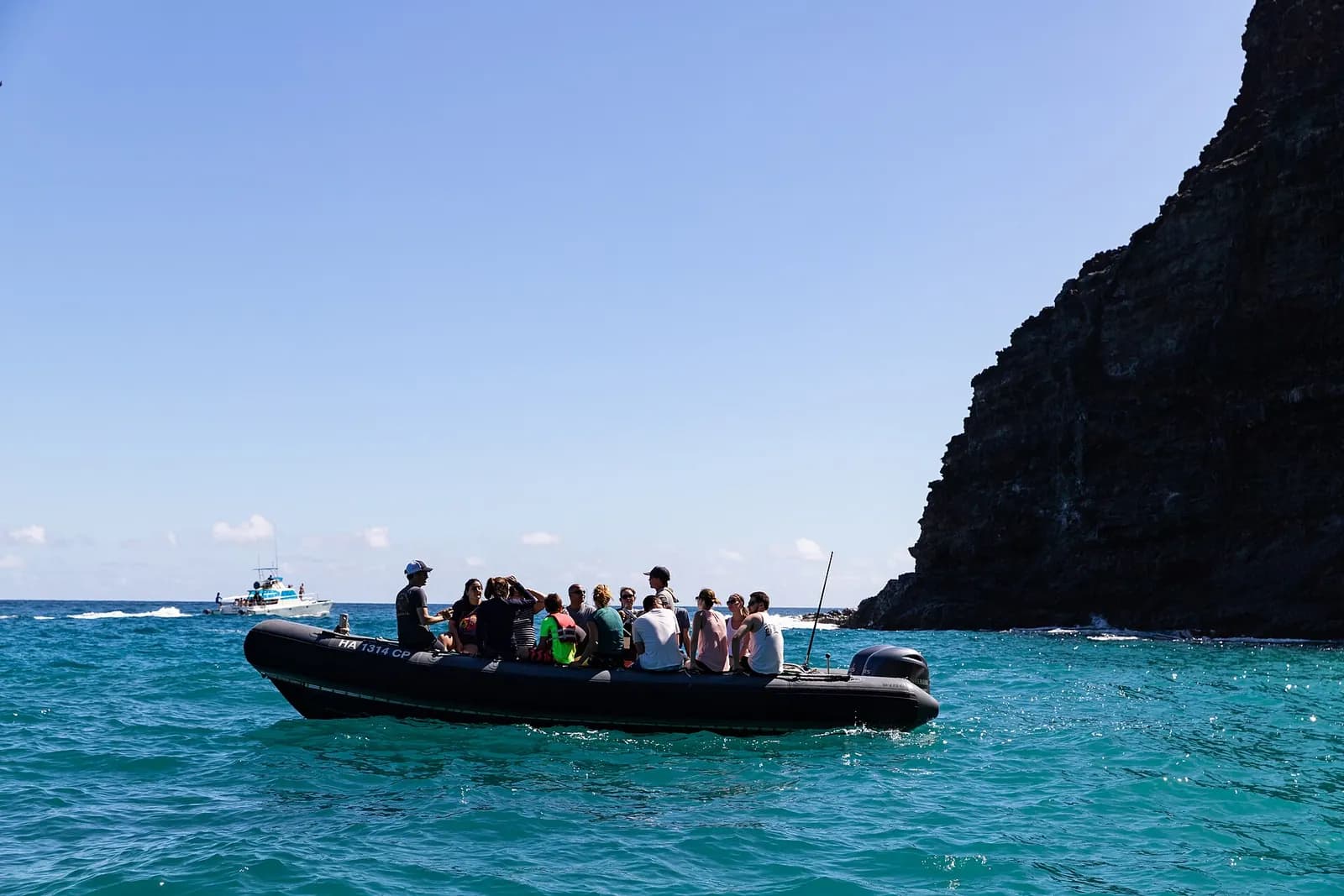
Four-thousand-foot fluted cliffs seen by boat tour, air tour, or the permit-only Kalalau Trail. Summer brings the calmest boat conditions.
Snorkeling Molokini or Kealakekua Bay
Maui and the Big Island
Morning trips beat wind and chop nearly year-round; Kealakekua adds the Captain Cook monument and dolphin sightings.
Maunakea stargazing
Big Island
Some of Earth's clearest night skies. The visitor station at 9,200 feet is the practical stop; the summit demands acclimatization and a proper vehicle.
Events worth planning around
Humpback whale season
December through April, peaking January through March
Thousands of humpbacks winter in the shallow channel off Maui; even shore lookouts deliver breaches at peak.
Merrie Monarch Festival
The week after Easter, Hilo
The world's most prestigious hula festival. Competition tickets are scarce, but Hilo fills with free cultural events all week.
King Kamehameha Day
June 11 every year, statewide
Lei-draping ceremonies and floral parades honor the king who unified the islands.
Aloha Festivals
September, primarily on Oahu
A decades-old celebration of Hawaiian music, hula, and history, headlined by a floral parade through Waikiki.
Vans Triple Crown of Surfing
Late November through December, North Shore of Oahu
Surfing's storied big-wave series runs when swells allow; spectating on the sand is free.
With kids in tow
- Pick leeward, reef-protected beaches for young swimmers, Kaanapali and Napili on Maui, Poipu on Kauai, Ko Olina's lagoons on Oahu, and always ask lifeguards about conditions.
- One island per week is the sane family pace; inter-island hops eat half days, and every island has more than a week of things to do anyway.
- For homeschool families, September is the jackpot: summer weather, empty beaches, and shoulder pricing, plus volcano science on the Big Island and Polynesian voyaging history at Oahu's Bishop Museum.
Hawaii, quick answers
What is Hawaii known for?
World-famous beaches, active volcanoes, surfing's birthplace, Native Hawaiian culture and hula, Pearl Harbor, humpback whales in winter, and dramatic scenery from Waimea Canyon to the Na Pali Coast.
When is the best time to visit Hawaii?
April through May or September through October: identical weather to peak season with calmer beaches and better prices. The weather is genuinely good year-round; the shoulders just cost less.
When is whale season in Hawaii?
December through April, with the peak from January through March. The Maui side of the Auau Channel is the epicenter, and morning boat trips have the calmest water.
What is the rainy season in Hawaii?
November through March, but rain falls mostly on windward coasts and in short passing bursts. Leeward resort areas like Kaanapali, Poipu, and Waikiki stay largely dry even in winter.
Pair it with
Before you book.
Sort these two things first.
Sponsored links. We may earn a commission; it never changes a verdict.
- Visit Faye
Travel insurance.
FayeA missed connection, a bag that never turns up, a hospital abroad: far cheaper to cover before departure than to argue about after.
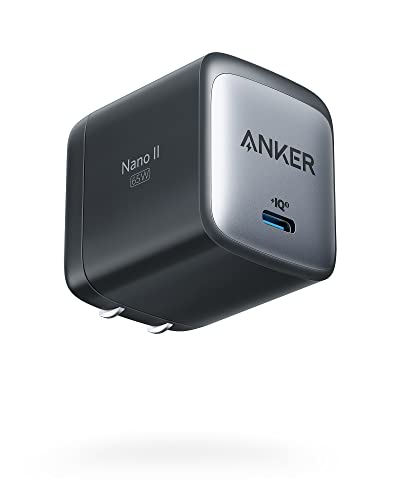
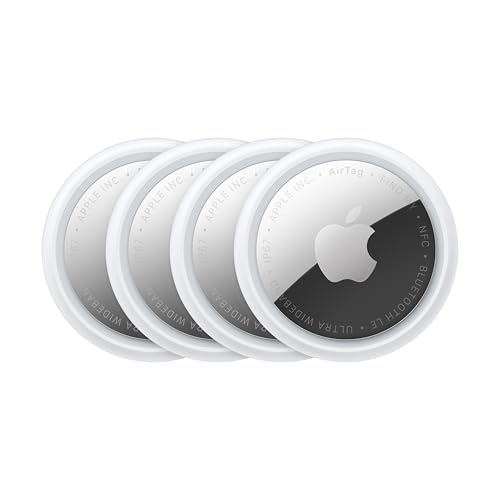
Our top-rated travel gear
Whatever you decide, this is the gear we actually travel with: verified, priced, and ranked. Live price check on each.




As an Amazon Associate we may earn from qualifying purchases, at no cost to you.