The straight answer
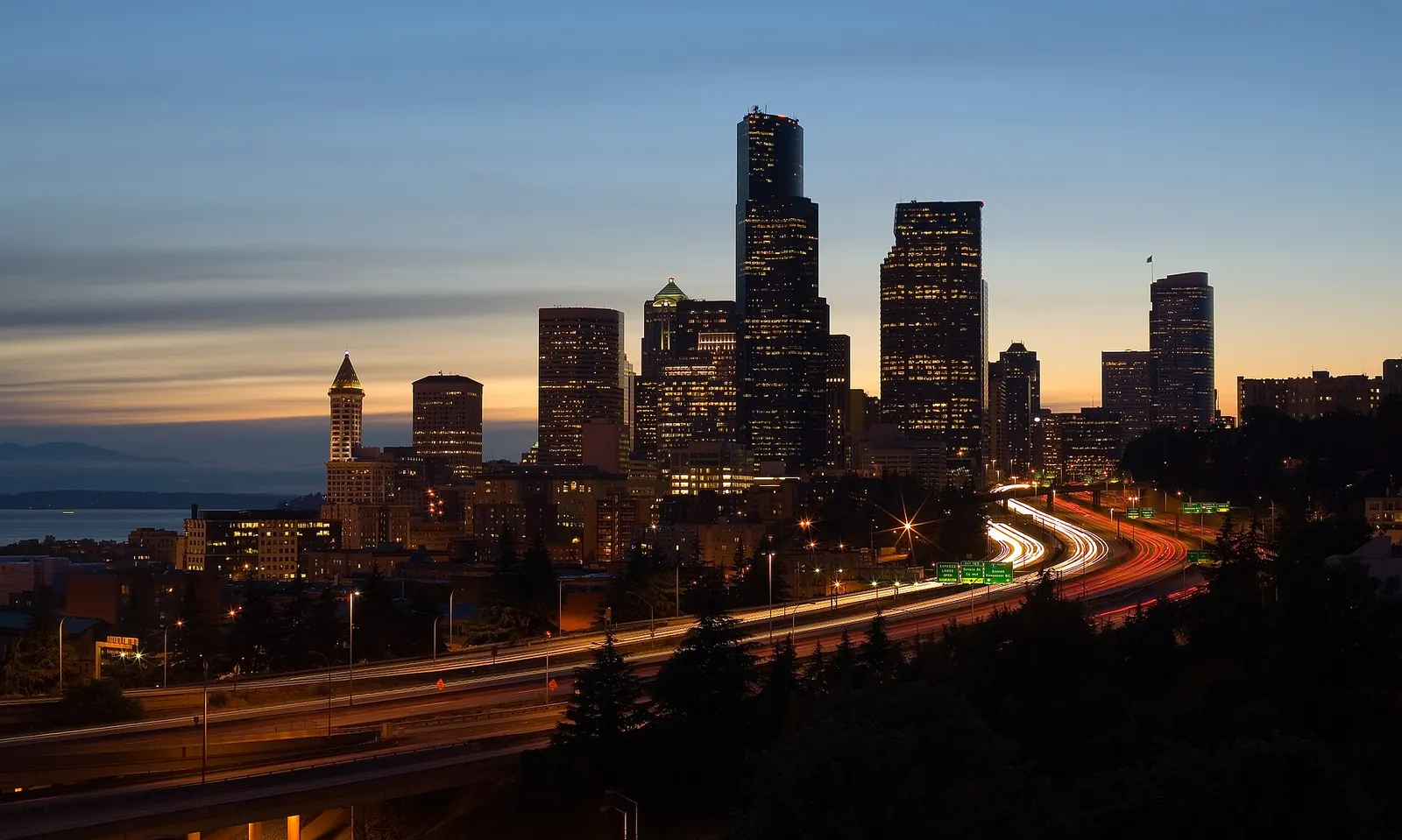
The best time to visit Washington is July through September, the reliable dry season when Mount Rainier's wildflower meadows open, the North Cascades melt out, and Seattle shows off; the rest of the year, bring a hood.
Washington's secret is that its famous rain takes the summer off. From roughly July through September, western Washington turns reliably dry and sunny with highs near 75 to 80F (24 to 27C), and the state's big three parks all come into their brief full glory: Mount Rainier's meadows explode with wildflowers from mid July into August, the North Cascades' high trails melt out by late July, and the Olympic Peninsula lines up Hoh Rain Forest ferns, Hurricane Ridge views, and wilderness beaches in a single loop. September may be the smartest month of all: still dry, thinner crowds, and larches turning gold in the high Cascades by month's end.
The wet season, roughly October through June, is not a reason to stay away so much as a reason to change the plan. Seattle's museums, coffee houses, and food halls do not care about drizzle, storm watching on the coast is its own genre, and the Cascades convert the moisture into one of the deepest snowpacks in the country for skiing at Crystal, Stevens, and Baker. What the wet months genuinely cost you is the high country: mountain roads and passes like Rainier's Sunrise and parts of the North Cascades Highway close under snow from roughly November until well into spring or summer.
The Washington year
Spring
Showery with bright spots. Skagit Valley's tulip fields bloom in April, waterfalls run huge, and lowland gardens shine, but the mountains remain snowbound and gray stretches persist into June, the month locals call Juneuary. A value window for Seattle city trips.
Summer
The payoff, and it is spectacular: dependable sun, 75 to 80F (24 to 27C), alpine trails open by late July, and ferries gliding past Rainier at golden hour. Peak crowds follow; Rainier and the San Juans need lodging booked months ahead, and popular trailheads fill by 8am.
Fall
September extends summer with fewer people and golden larch hikes arriving late month; October turns showery as the storm door reopens, with fresh energy at the coast and salmon runs inland. High-country roads begin closing with the first big snows.
Winter
Wet and gray in the lowlands, deep and white upstairs. Cascade resorts like Crystal and Baker collect enormous snowfall December through March, Hurricane Ridge opens for snowshoeing on winter weekends, and coastal storm watching peaks. Seattle stays fully alive; sunshine does not.
Book Washington for July.
Sponsored links to Expedia and Vrbo. We may earn a commission; it never changes a verdict.
- Hotels for July
Hotels. Expedia
Hotels in WashingtonOpens a hotel search for Washington in July, dates filled in. Book early for the best months: the good rooms go first.
- Rentals on Vrbo
Vacation rentals. Vrbo
Vacation rentals in WashingtonWhole homes, condos and villas. Usually the better deal for families and groups, with a kitchen and room to spread out.
- Tours and tickets
Tours and tickets. Expedia
Tours and tickets in WashingtonTimed-entry tickets, day trips and guided tours in Washington for July. Popular slots sell out in the best months.
What to actually do
Pike Place Market
Seattle
The country's great public market: flying fish, flower rows, and breakfast counters locals still defend. Go before 9am, then walk down to the waterfront.
Mount Rainier's Paradise meadows
Mount Rainier National Park
Wildflowers peak from mid July into August below the most glaciated peak in the lower 48. The Skyline Trail loop is the essential hike; timed-entry rules have applied in recent summers, so check ahead.
Hoh Rain Forest
Olympic National Park
Moss-draped maples and spruce in one of the quietest places in America. Pair it with Rialto or Ruby Beach for the full peninsula contrast in a single day.
Hurricane Ridge
Olympic National Park, above Port Angeles
A mile-high road to Olympic panoramas, deer in the meadows, and summer ranger walks. On winter weekends it becomes the park's snow playground, conditions permitting.
San Juan Islands
Ferry from Anacortes
Orca watching, seaside villages, and bike-friendly back roads. Summer is prime whale season; book ferries and lodging early or go in shoulder months for the islands at their calmest.
North Cascades Highway
Route 20, Marblemount to Winthrop
Jagged peaks and turquoise Diablo Lake on the most alpine drive in the state, typically open from late spring until the first big snows of November. Late September brings golden larches.
Snoqualmie Falls
Snoqualmie, 30 minutes from Seattle
A 268-foot cascade with an easy overlook, thundering biggest in spring. The quickest big-nature fix from the city.
The Space Needle and Chihuly Garden and Glass
Seattle Center
The 1962 icon's glass-floor revolve pairs perfectly with the glass art next door. Sunset slots on clear days sell out first.
Leavenworth
Cascade foothills, near Wenatchee
A Bavarian-styled mountain town that fully commits: alpine hikes and river floats in summer, Oktoberfest energy in fall, and a famous village lighting each December.
Washington wine country
Walla Walla and the Yakima Valley
The second-largest wine-producing state pours cabernet and syrah in sunny rain-shadow country east of the Cascades. Harvest season, September into October, is the time.
Events worth planning around
Skagit Valley Tulip Festival
Throughout April
Commercial bulb fields near Mount Vernon paint the valley in stripes of color. Weekday mornings beat the weekend convoys.
Seafair
Summer-long, culminating in early August
Seattle's summer tradition: neighborhood festivals building to hydroplane races and a Blue Angels air show over Lake Washington.
Bumbershoot
Labor Day weekend
The decades-old music and arts festival at Seattle Center, closing out summer under the Space Needle.
Washington State Fair
About three weeks in September
One of the biggest fairs in the country, in Puyallup: scones, rides, and big-name concerts with Rainier on the horizon.
Leavenworth Christmas lighting season
Late November through December
The Bavarian village glows with half a million lights on winter evenings, the state's most popular holiday pilgrimage. Expect traffic; consider a weekday.
With kids in tow
- Seattle stacks family wins within a mile: the aquarium, the Great Wheel, Pike Place's flying fish, and the gum wall's gross-out factor, with the monorail to Seattle Center as the kid-approved transit.
- Ferries are the cheapest thrill in the state; even the short Bainbridge round trip delivers skyline, sea air, and possible orca sightings for the price of a walk-on ticket.
- In the parks, match trail to crew: Rainier's paved lower Paradise loops, the Hoh's flat Hall of Mosses, and tidepooling at Salt Creek or Ruby Beach at low tide all pay off big for small legs. Check tide tables first.
Washington, quick answers
What is Washington known for?
Seattle's Pike Place Market, Space Needle, and coffee culture, Mount Rainier, Olympic and North Cascades national parks, Puget Sound ferries and the San Juan Islands, orca whales, apples, and a major wine industry east of the mountains.
When is the best time to visit Washington?
July through September, the dependable dry season, when the high country opens and Seattle averages more summer sun than its reputation admits. September is the crowd-savvy pick. November through January is the darkest, wettest stretch, best for skiers and storm watchers.
Does it really rain all the time in Seattle?
From October through June, drizzle is a frequent companion, though annual rainfall totals are lower than many East Coast cities; it falls slowly and grayly rather than heavily. July through September flips to genuinely dry and sunny. Locals do not carry umbrellas; you can decide for yourself.
When do Mount Rainier's wildflowers peak?
Typically mid July through mid August at Paradise, varying with the snowpack's melt-out; big snow years push it later. Weekends in that window are the park's busiest, so aim for weekday mornings and check current entry and reservation requirements before you go.
Pair it with
Before you book.
Sort these two things first.
Sponsored links. We may earn a commission; it never changes a verdict.
- Visit Faye
Travel insurance.
FayeA missed connection, a bag that never turns up, a hospital abroad: far cheaper to cover before departure than to argue about after.
Our top-rated travel gear
Whatever you decide, this is the gear we actually travel with: verified, priced, and ranked. Live price check on each.



As an Amazon Associate we may earn from qualifying purchases, at no cost to you.