The straight answer
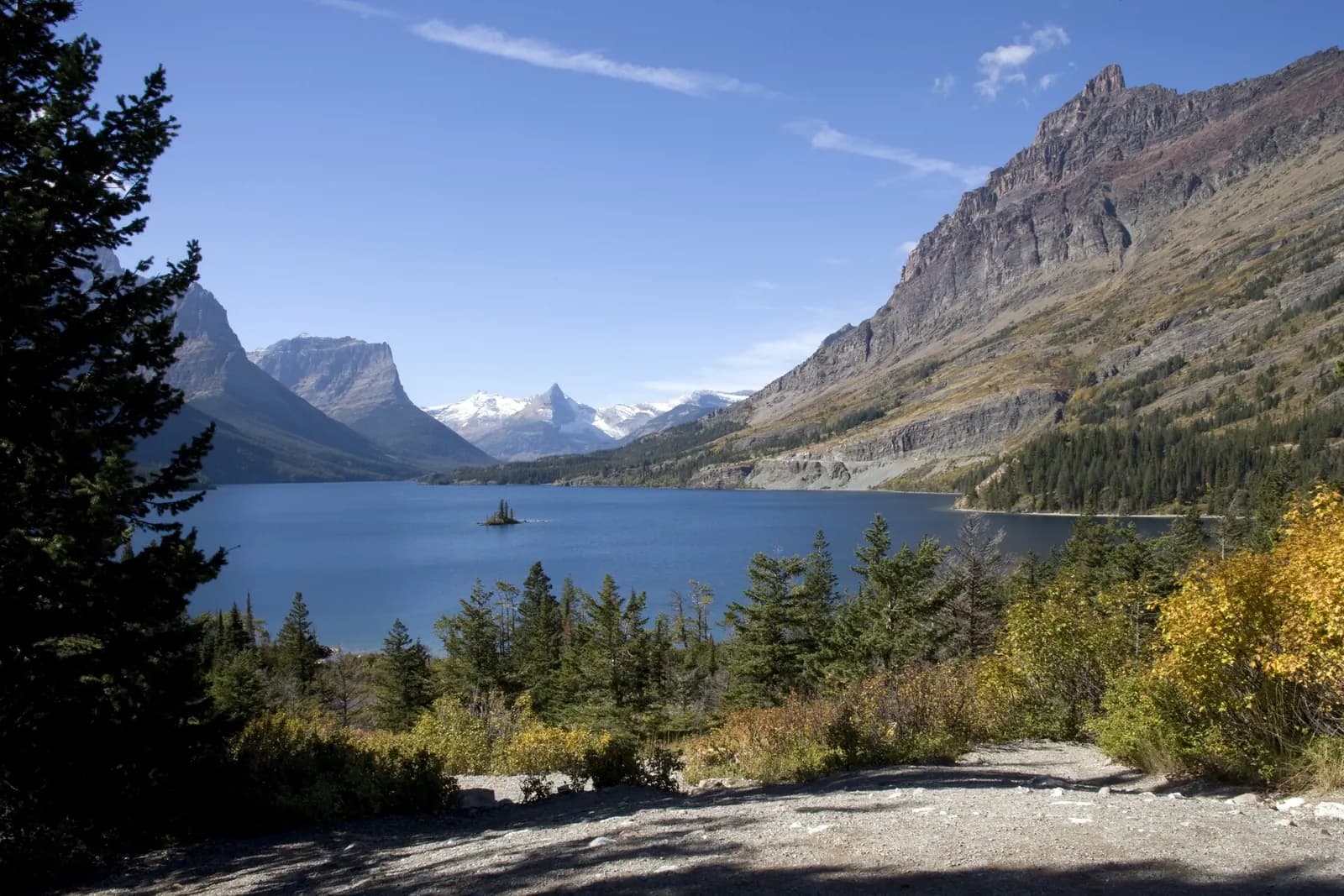
The best time to visit Montana is July through mid September, when Glacier's Going-to-the-Sun Road is fully open and the high country is finally snow free; skiers should aim for January through March instead.
Go in July through mid September. Montana's headline act, Glacier National Park, only fully opens once the plows finish clearing Going-to-the-Sun Road, typically by late June or early July, and the alpine trails shed their snow around the same time. That short window is when the state earns the Big Sky reputation: warm dry days near 80F (27C), cold rivers full of trout, and light that lasts past 9pm.
The honest tradeoff is that everyone else knows this too, so July and August bring the year's biggest crowds to Glacier and the Yellowstone gateway towns. September is the smart-money play: thinner crowds, golden larch and aspen by late month, and elk bugling in the valleys. Winter is a completely different, completely legitimate Montana built around Big Sky and Whitefish powder. The months to skip are the mud seasons, roughly April and early May and again in November, when the high country is closed and the weather cannot make up its mind.
The Montana year
Spring
The rough draft of the year. Valleys green up in May but the high country stays snowbound, Going-to-the-Sun Road is closed, and April is mud season. Late May and June bring waterfalls at full blast and baby wildlife, with rain always possible.
Summer
The main event. July and August are warm, dry, and long, with everything open, including Glacier's alpine section. It is also peak crowds and peak lodging prices, and August can bring wildfire smoke in bad years. Book Glacier-area lodging months ahead.
Fall
The insider's pick. Early September keeps summer access with a fraction of the crowds; late September turns the larch gold and the elk vocal. Snow can close high passes any time from late September on, so stay flexible.
Winter
Best for the mountains, full stop. Big Sky, Whitefish, and Bridger Bowl get deep, reliable snow from December through March, and a snow-coach trip into Yellowstone is one of the great American winter experiences. Bitter cold snaps are real; pack accordingly.
Book Montana for July.
Sponsored links to Expedia and Vrbo. We may earn a commission; it never changes a verdict.
- Hotels for July
Hotels. Expedia
Hotels in MontanaOpens a hotel search for Montana in July, dates filled in. Book early for the best months: the good rooms go first.
- Rentals on Vrbo
Vacation rentals. Vrbo
Vacation rentals in MontanaWhole homes, condos and villas. Usually the better deal for families and groups, with a kitchen and room to spread out.
- Tours and tickets
Tours and tickets. Expedia
Tours and tickets in MontanaTimed-entry tickets, day trips and guided tours in Montana for July. Popular slots sell out in the best months.
What to actually do
Going-to-the-Sun Road
Glacier National Park
Fifty miles of the most dramatic road in America. Typically fully open late June or early July through mid October; check the vehicle reservation rules before you go.
Many Glacier Valley
Glacier National Park, east side
The park's best hiking hub: Grinnell Glacier and Iceberg Lake both start here. Go at dawn for parking and grizzly sightings at a safe distance.
Yellowstone's northern range
Gardiner and the Lamar Valley
Montana owns Yellowstone's original entrance. The Lamar Valley is the best wolf and bison watching in the lower 48, especially early morning.
Big Sky Resort
Big Sky
Nearly 6,000 skiable acres under Lone Peak. Winter is the show, but summer brings lift-served hiking and far cheaper lodging.
Whitefish and Whitefish Mountain
Whitefish
The most charming ski town in the state, 30 minutes from Glacier. Great in winter for snow ghosts, great in summer as a Glacier base with actual nightlife.
Fly fishing the Madison and Gallatin
Bozeman and Ennis area
The rivers that made Montana famous. June through September is prime; hire a guide for a float and you will understand the fuss.
Museum of the Rockies
Bozeman
One of the best dinosaur collections on Earth, built on Montana's fossil beds. A perfect bad-weather or travel-day stop.
Flathead Lake
Polson and Bigfork
The largest natural freshwater lake west of the Mississippi. Cherry stands ring the east shore in late July and early August.
Butte's mining history
Butte
Once the richest hill on Earth. The World Museum of Mining and the uptown historic district are a genuine, unpolished slice of the old West.
Beartooth Highway
Red Lodge to Cooke City
An 11,000-foot alpine drive into Yellowstone's northeast corner, usually open Memorial Day weekend through mid October, weather permitting.
Events worth planning around
Crow Fair
Third week of August
One of the largest Native American gatherings in North America, held at Crow Agency: parades, dancing, and a teepee capital of thousands.
Montana Folk Festival
Mid July
A big free music festival on original stages in uptown Butte. Book Butte lodging early that weekend.
Sweet Pea Festival
First full weekend of August
Bozeman's long-running arts festival: music, art, and a parade, right at the peak of summer.
Whitefish Winter Carnival
Early February
A ski-town party with a parade, penguin plunge, and decades of odd traditions. Pairs perfectly with a powder trip.
Northern lights over the Hi-Line
Best on dark, clear nights from fall through early spring
Northern Montana's dark skies catch aurora displays during strong solar activity. Never guaranteed, always worth checking the forecast.
With kids in tow
- Glacier with kids works best from a base in Whitefish or Apgar: short lake hikes, the Trail of the Cedars boardwalk, and boat tours beat forcing a big alpine mileage day.
- The Museum of the Rockies in Bozeman is the best rainy-day card in the state, and kids who like dinosaurs will consider it the trip highlight.
- Distances are enormous. Plan one region per trip, Glacier or Bozeman-Yellowstone, rather than trying to connect them with a seven-hour drive mid-vacation.
Montana, quick answers
What is Montana known for?
Glacier National Park, the north entrances of Yellowstone, blue-ribbon trout rivers, big ski mountains like Big Sky and Whitefish, cowboy and ranching culture, and the wide-open landscapes that earned the Big Sky Country name.
When is the best time to visit Montana?
July through mid September for hiking, Glacier, and Yellowstone, with September the best crowd-to-access ratio. January through March is best for skiing. Avoid April and November, the two mud seasons.
When is Going-to-the-Sun Road fully open?
It varies with snowpack, but the full road typically opens late June or early July and closes over the high section in mid October. The lower lake sections stay open longer. Check Glacier's current status and reservation requirements before your trip.
Is winter a bad time to visit Montana?
Only if you wanted to hike. For skiers and snow lovers it is the best time: Big Sky, Whitefish, and Bridger Bowl from December through March, plus snow-coach and cross-country access to Yellowstone. Expect real cold and winter driving.
Pair it with
Before you book.
Sort these two things first.
Sponsored links. We may earn a commission; it never changes a verdict.
- Visit Faye
Travel insurance.
FayeA missed connection, a bag that never turns up, a hospital abroad: far cheaper to cover before departure than to argue about after.
Our top-rated travel gear
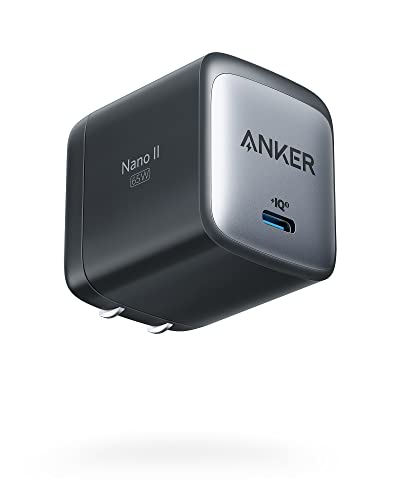
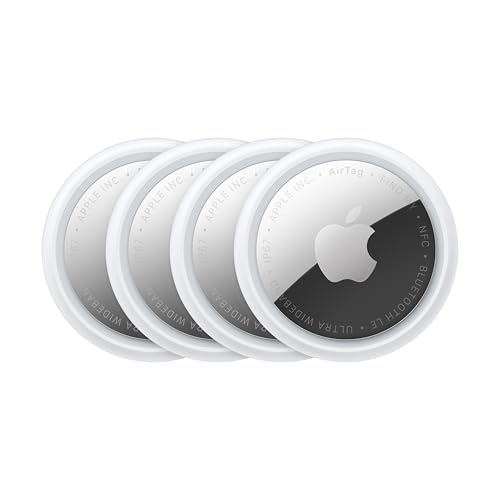
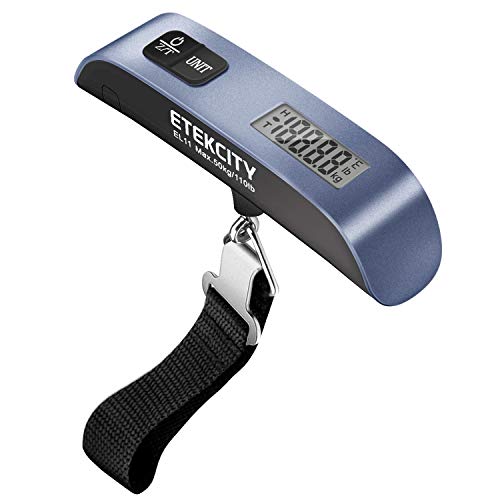
Whatever you decide, this is the gear we actually travel with: verified, priced, and ranked. Live price check on each.



As an Amazon Associate we may earn from qualifying purchases, at no cost to you.