The straight answer
The best time to visit Vermont is late September through mid October for peak foliage, the state's world-famous season; skiers should come January through March, and everyone should skip April's mud season.
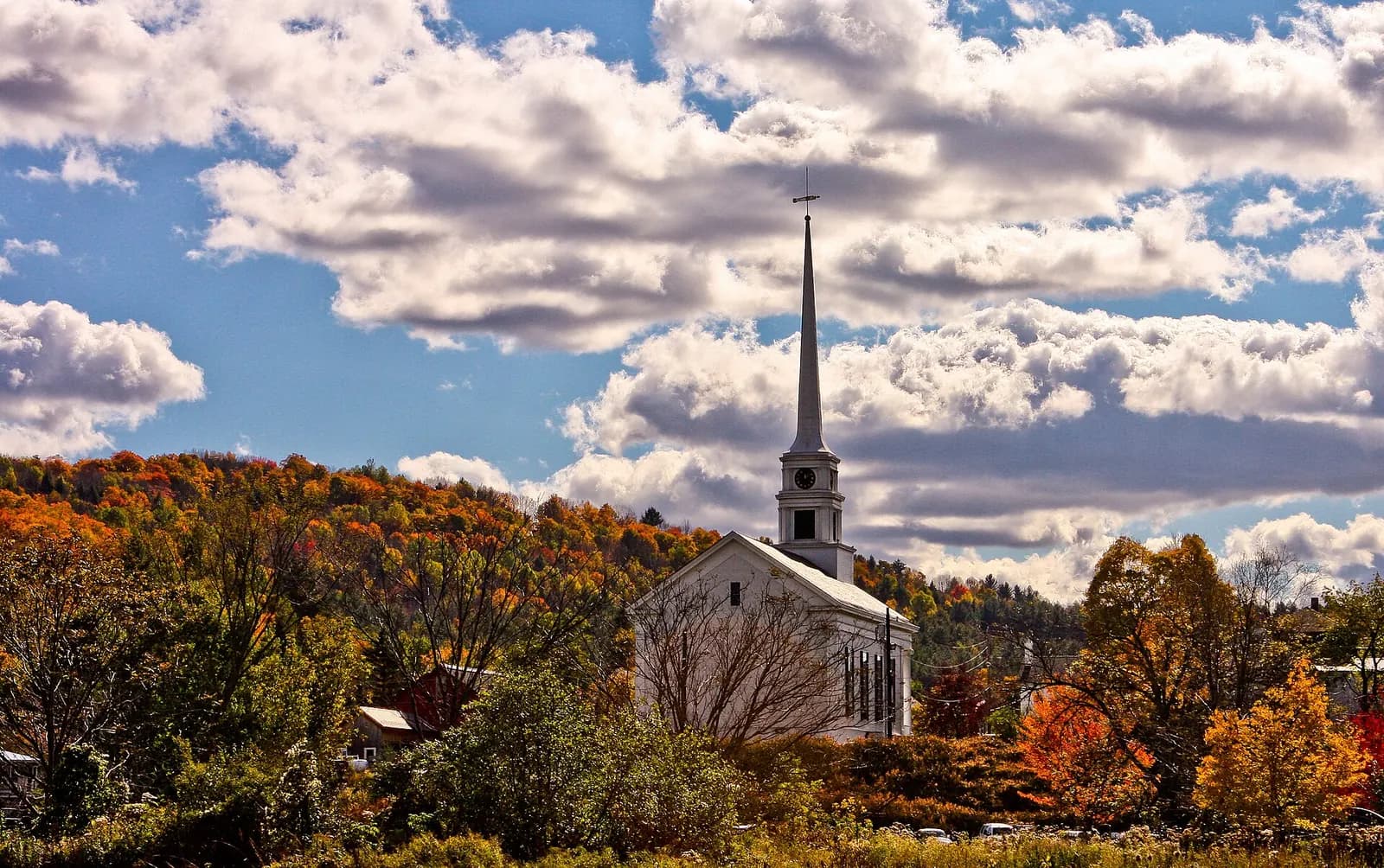
Vermont in foliage season is the postcard other places imitate. From late September through mid October, the Green Mountains turn scarlet and gold above white church steeples, and drives like Route 100 and Smugglers' Notch become slow-motion processions for good reason. Peak typically hits the Northeast Kingdom and higher elevations in the last week of September, then rolls south through mid October, shifting a bit each year. Book foliage-season lodging months ahead; innkeepers plan their year around these three weeks.
The rest of the calendar splits cleanly. Winter is best for the mountains: Stowe, Killington, Sugarbush, and Jay Peak give the East its most complete ski season, December through March, with Jay's snowfall totals the stuff of legend. Summer is the sleeper: 75 to 80F (24 to 27C) days, swimming holes, farmers markets, and green everywhere, without foliage pricing. The one stretch to actively avoid is mud season, roughly April into early May, when dirt roads dissolve, trails close to protect them, and many inns and restaurants shut for their own vacations.
The Vermont year
Spring
The honest low point, with one sweet exception. Mud season swallows April: closed trails, brown hills, and shuttered inns. The exception is sugaring season in March, when steam rises from sugarhouses statewide and many welcome visitors for tastings fresh off the evaporator.
Summer
Underrated and lovely. Warm 75 to 80F (24 to 27C) days, swimming holes and lake days on Champlain, berry stands, and green mountain hikes, at prices well below foliage season. Book the famous inns ahead in August as leaf anticipation builds.
Fall
The main event, and it earns the hype. Color peaks north to south from late September through mid October; Columbus Day weekend traffic on Route 100 is real, and lodging sells out far ahead at the year's top rates. Midweek trips and the Northeast Kingdom are the crowd hacks.
Winter
Best for the mountains. December through March delivers the East's benchmark ski season, plus sleigh rides, snowshoeing, and villages that look art-directed under snow. January thaws and rain events happen; northern resorts, Jay especially, hold snow best.
Book Vermont for June.
Sponsored links to Expedia and Vrbo. We may earn a commission; it never changes a verdict.
- Hotels for June
Hotels. Expedia
Hotels in VermontOpens a hotel search for Vermont in June, dates filled in. Book early for the best months: the good rooms go first.
- Rentals on Vrbo
Vacation rentals. Vrbo
Vacation rentals in VermontWhole homes, condos and villas. Usually the better deal for families and groups, with a kitchen and room to spread out.
- Tours and tickets
Tours and tickets. Expedia
Tours and tickets in VermontTimed-entry tickets, day trips and guided tours in Vermont for June. Popular slots sell out in the best months.
What to actually do
Route 100 in foliage
The spine of the state, Wilmington to Newport
The classic top-to-bottom foliage drive past farms, gaps, and villages. Drive it midweek in early October and pull over often; the best views are two minutes past the famous ones.
Stowe and Smugglers' Notch
Stowe
The archetypal mountain town beneath Mount Mansfield, the state's highest peak. The notch road's boulder-squeezed curves close in winter and dazzle in October.
Ben & Jerry's factory tour
Waterbury
A short, cheerful tour with samples, plus the Flavor Graveyard for the discontinued. Pair it with the cider mill down the road for a perfect family hour.
Woodstock and Quechee Gorge
Woodstock
Vermont's most polished village green, the Billings Farm museum, and the 165-foot gorge a few minutes east. Peak-season parking is a contact sport; arrive early.
Shelburne Farms and Museum
Shelburne, near Burlington
A working lakeside farm estate for walks and cheddar, and a museum next door with a full steamboat and round barn among its collections.
Burlington's Church Street and Lake Champlain
Burlington
The state's biggest small city: a pedestrian marketplace, waterfront bike path, and Adirondack sunsets across the lake.
Ski Killington or Jay Peak
Killington and Jay
The Beast of the East runs the longest season in the region; Jay Peak catches the deepest snow. Between them sit half a dozen mountains with distinct personalities.
A sugarhouse in March
Statewide, thickest in the north
Sap runs on freeze-thaw days from roughly late February into April. Visit a working sugarhouse for syrup straight from the evaporator and sugar-on-snow.
The Trapp Family Lodge
Stowe
The Sound of Music family's Austrian-style lodge, with cross-country trails in winter, mountain biking in summer, and a brewery pouring year-round.
Hildene, the Lincoln family home
Manchester
Robert Todd Lincoln's estate with formal gardens and Battenkill valley views, anchoring a town of outlets and fly-fishing heritage.
Events worth planning around
Peak fall foliage
Late September through mid October, north to south
The season the state is famous for. Track state foliage reports, aim midweek, and remember higher elevations turn first.
Vermont Maple Open House Weekend
A weekend in late March
Sugarhouses across the state open their doors during sugaring season for boiling demonstrations and tastings.
Stowe Winter Carnival
Late January
One of the country's oldest winter carnivals: ice carving, snow golf, and village-wide cold-weather cheer.
Vermont Brewers Festival
A July weekend
The state with more breweries per capita than any other pours its best on the Burlington waterfront. Tickets go fast.
Ski season in the Green Mountains
December through March, often into April up north
Stowe, Killington, Sugarbush, Mad River Glen, and Jay Peak anchor the East's best ski state. Presidents week and holiday weeks are the crowd peaks.
With kids in tow
- The Waterbury-Stowe corridor is a family greatest-hits reel: Ben & Jerry's, cider donuts, the alpine slide and gondola at Stowe, and easy waterfall stops within twenty minutes of each other.
- Vermont ski schools at family-first mountains like Smugglers' Notch and Bromley are among the best anywhere; February vacation weeks are the priciest and most crowded, so aim for January or March.
- Foliage trips with kids go better with a mission: corn mazes, apple picking, and the Billings Farm animals turn scenic drives into an actual vacation for the under-10 crowd.
Vermont, quick answers
What is Vermont known for?
The most celebrated fall foliage in America, maple syrup, Ben & Jerry's ice cream, cheddar and craft beer, classic ski mountains like Stowe and Killington, white-steeple villages, and a fiercely local, billboard-free landscape.
When is the best time to visit Vermont?
Late September through mid October for peak foliage, the signature season. Summer is the underrated warm-weather window, and January through March is prime skiing. Avoid April's mud season, when trails and many businesses close.
When exactly is peak foliage in Vermont?
Typically the last week of September in the Northeast Kingdom and high elevations, and the first two weeks of October across the rest of the state, varying with each year's weather. The state's official foliage reports are updated through the season; trust them over fixed dates.
What is mud season, and does it really matter?
It is the thaw between snowmelt and spring, roughly April into early May, when dirt roads turn to soup and hiking trails close to prevent damage. Many inns and restaurants take their annual break then. It is the one stretch when Vermont genuinely is not worth the drive.
Pair it with
Before you book.
Sort these two things first.
Sponsored links. We may earn a commission; it never changes a verdict.
- Visit Faye
Travel insurance.
FayeA missed connection, a bag that never turns up, a hospital abroad: far cheaper to cover before departure than to argue about after.
Our top-rated travel gear
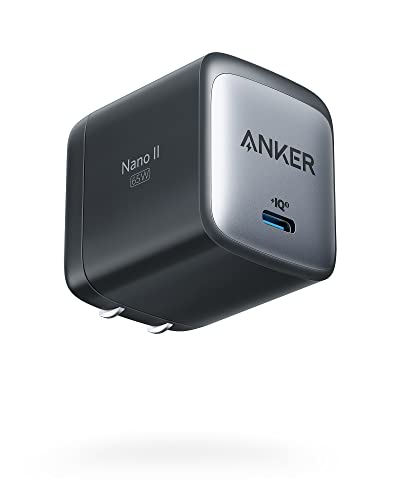
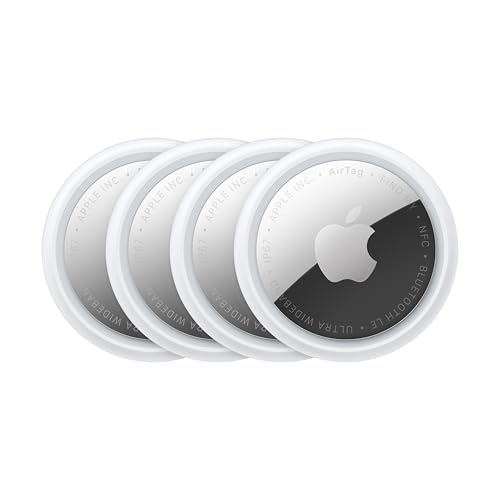
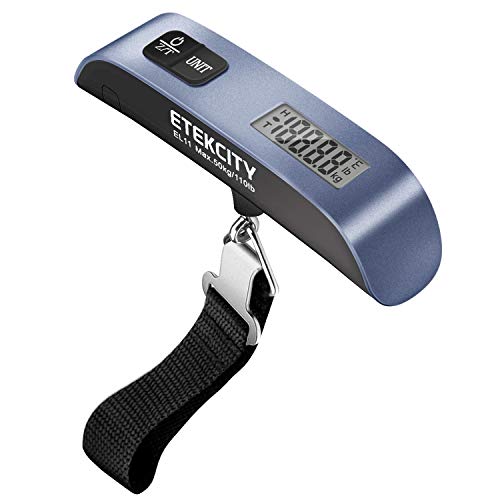
Whatever you decide, this is the gear we actually travel with: verified, priced, and ranked. Live price check on each.



As an Amazon Associate we may earn from qualifying purchases, at no cost to you.