India nationwide
Diwali in India
The festival of lights: five days when a billion people illuminate everything they own.
The straight answer
Diwali falls in October or November each year, on the new moon of the Hindu month of Kartika, so the exact date moves with the lunar calendar; the festival spans five days with the main night at its center.
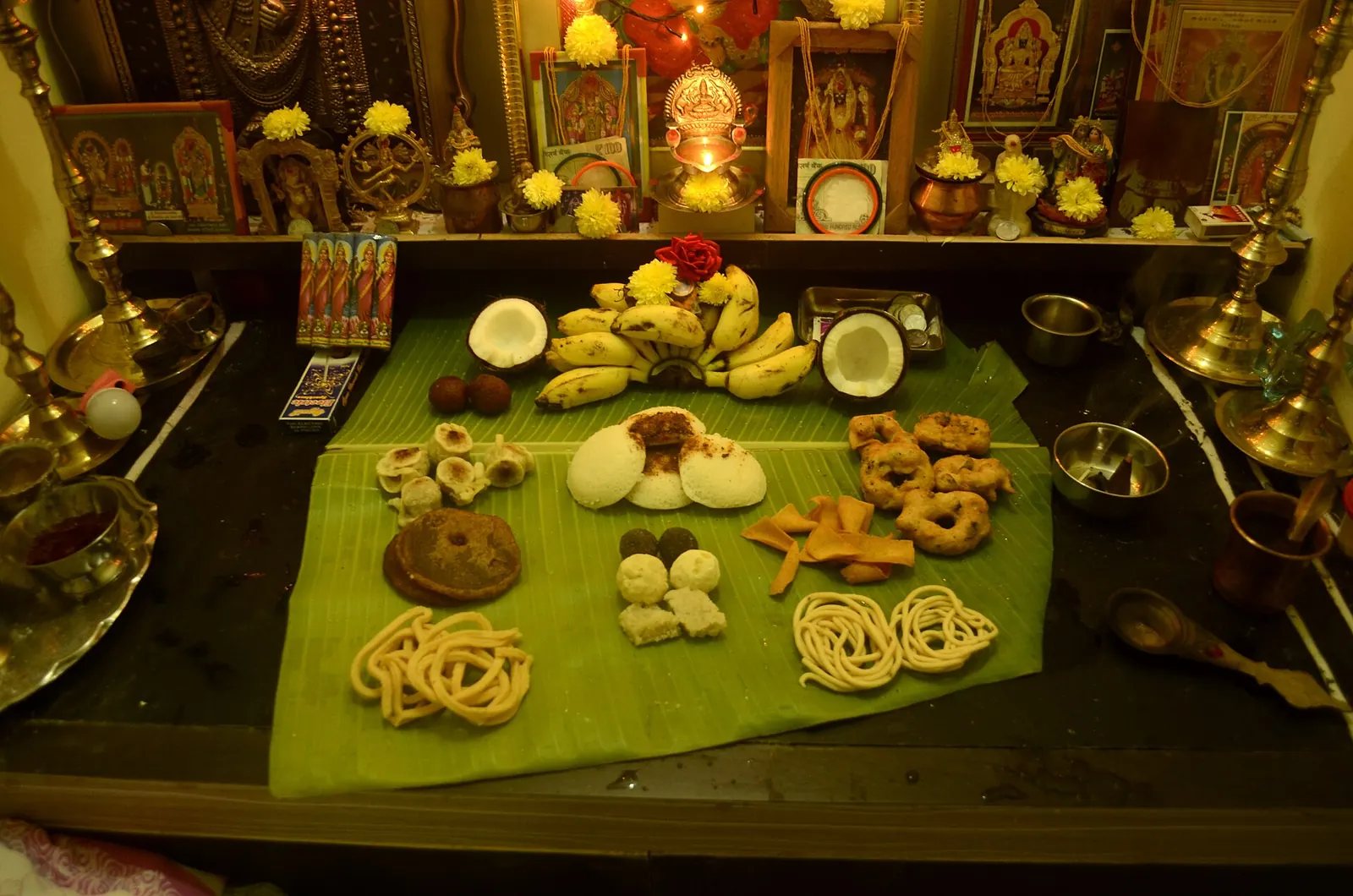
Diwali is the festival of lights, the biggest celebration on the Indian calendar and one of the biggest on Earth. For five days, homes, temples, shops, and entire skylines are edged with oil lamps and electric lights, rangoli patterns bloom on doorsteps, sweets change hands by the ton, and on the main night the fireworks simply do not stop. The core idea, light defeating darkness and good defeating evil, is told through different stories in different regions, most famously the return of Rama and Sita to Ayodhya.
The date moves with the lunar calendar: Diwali's main night falls on the new moon of the month of Kartika, landing in October or November, different each year. The festival properly spans five days, from Dhanteras (a day for buying gold and new things) through the main Lakshmi Puja night at the center, to Bhai Dooj, which celebrates the bond of brothers and sisters.
For travelers, Diwali is both a spectacle and a logistics puzzle. It is India's great family homecoming, so transport books out and many businesses close around the main days, and the main night itself is loud, smoky, and best experienced from a good vantage point or a family celebration rather than a traffic-jammed street. Timed and placed well, it is unforgettable.
The event, explained
The buildup is half the festival: for weeks beforehand, markets surge with people buying lights, gifts, marigolds, and sweets, and the bazaars of cities like Jaipur and Delhi are at their most dazzling in the nights before the main day. Homes get deep-cleaned and decorated to welcome Lakshmi, the goddess of wealth and fortune, whose puja anchors the main evening.
The main night itself is domestic at its heart: families gather, perform Lakshmi Puja, light rows of diyas (small clay oil lamps), exchange sweets and gifts, and then head out or up to the roof for fireworks that run for hours across every neighborhood at once. Jaipur is famous for its illuminated markets; Varanasi's riverfront glows; Amritsar's Golden Temple, lit and reflected in its sacred pool, is one of the festival's iconic sights.
Regional texture varies enormously: in the south the emphasis and even the main day can differ, Bengal celebrates Kali Puja on roughly the same nights, and Jain and Sikh communities mark their own observances in the same season. Everywhere, though, the lamps and the sweets are constant.
How to play it right
- 01Fix the lunar date for your year first, then book around it: flights within India, trains, and hotels in major cities fill weeks ahead as the country travels home. Book two to three months out for the festival window.
- 02Spend the nights before Diwali in a great market city: Jaipur's illuminated bazaars in the run-up are arguably the best pure spectacle of the season, and shopping the Dhanteras crowds is an experience in itself.
- 03Plan the main night deliberately: a rooftop restaurant or hotel terrace with a skyline view, or better, an invitation to a family or hosted home celebration (many boutique hotels and experience platforms arrange these), beats wandering streets that are smoky, loud, and chaotic with fireworks at ground level.
- 04Expect closures and thin services on the main day and the day after: many shops, offices, and some monuments close or shorten hours, and taxis get scarce on the main evening. Stock what you need and keep that day unambitious.
- 05Air quality is the honest caveat: fireworks smoke settles over northern cities, and Delhi in particular can be seriously polluted in the following days. Travelers with asthma should carry medication, consider a mask, and maybe favor southern or coastal cities.
- 06Sample the season properly: mithai (festival sweets) from a famous local shop, a diya-lighting of your own if your hotel offers it, and the post-Diwali days, when decorations remain and crowds ease, for monument visits.
With kids in tow
- Diwali is a children's festival at heart, and traveling kids get swept in happily: lighting diyas, making rangoli, eating sweets, and sparklers with hotel staff or host families are effortless joys.
- The main-night fireworks are not distant displays; they are everywhere, at street level, for hours. Small children who dislike noise will struggle; ear protection, a high-up viewing spot, and an early retreat plan solve most of it.
- Firecracker injuries and smoke are real seasonal hazards for little ones at ground level; keep kids away from street-level cracker play and let them do sparklers only under close adult control.
Book your stay for Diwali in India.
Sponsored links to Expedia and Vrbo. We may earn a commission; it never changes a verdict.
- Hotels for October
Hotels. Expedia
Hotels in Diwali in IndiaOpens a hotel search for Diwali in India in October, dates filled in. Book early for the best months: the good rooms go first.
- Rentals on Vrbo
Vacation rentals. Vrbo
Vacation rentals in Diwali in IndiaWhole homes, condos and villas. Usually the better deal for families and groups, with a kitchen and room to spread out.
- Tours and tickets
Tours and tickets. Expedia
Tours and tickets in Diwali in IndiaTimed-entry tickets, day trips and guided tours in Diwali in India for October. Popular slots sell out in the best months.
Diwali in India, quick answers
When is Diwali?
In October or November, on the new moon of the Hindu month of Kartika. The date moves with the lunar calendar each year, so check your specific year. The full festival spans five days with the main Lakshmi Puja night at the center.
Where is the best place to experience Diwali as a traveler?
Jaipur for its famously illuminated markets, Varanasi for lamps along the Ganges, Amritsar for the lit Golden Temple, and Delhi for scale. Anywhere with a local family or hosted celebration to join is better than any skyline.
Is anything closed during Diwali?
On the main day and the day after, many shops, offices, and some sights close or run short hours, and transport thins on the main evening. The buildup days, by contrast, are the year's busiest and most vivid in the markets.
Is the pollution really a problem?
In northern cities, yes: firework smoke can push air quality to unhealthy levels for a few days after, with Delhi the worst case. Sensitive travelers should carry inhalers or masks, or time the north for the buildup and head south after the main night.
Can non-Hindus participate?
Warmly, in almost every setting: lighting lamps, sharing sweets, attending pujas as a respectful guest, and joining hosted home celebrations are all welcomed. Dress modestly for temple visits and follow your hosts' lead during rituals.
Also in October
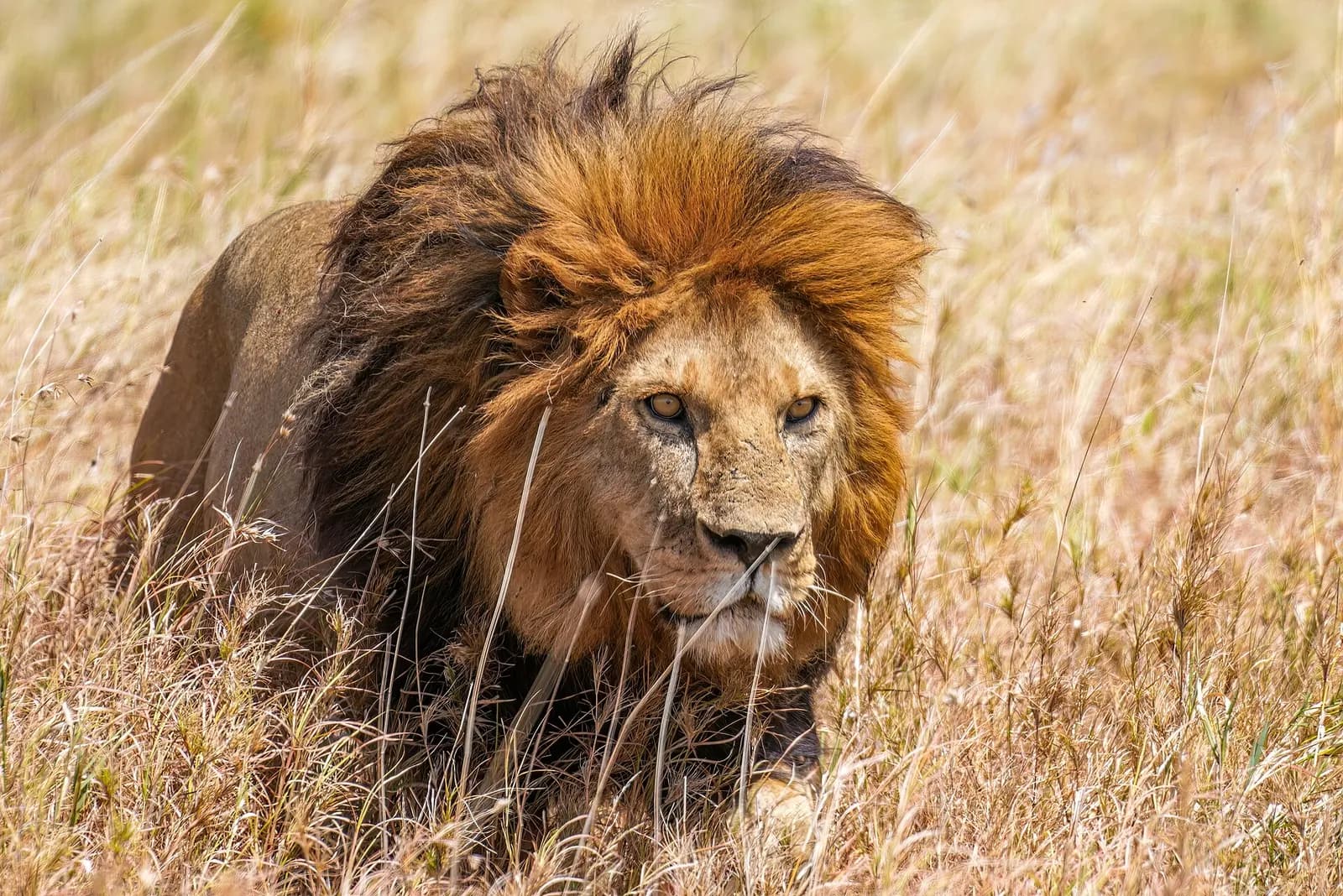
The Great Migration
Serengeti, Tanzania and Masai Mara, Kenya
Year-round, with calving in the southern Serengeti from roughly late January to March and river crossings from about July to October

Oktoberfest
Munich, Germany
Mid September to the first Sunday of October, roughly 16 to 18 days, mostly in September despite the name
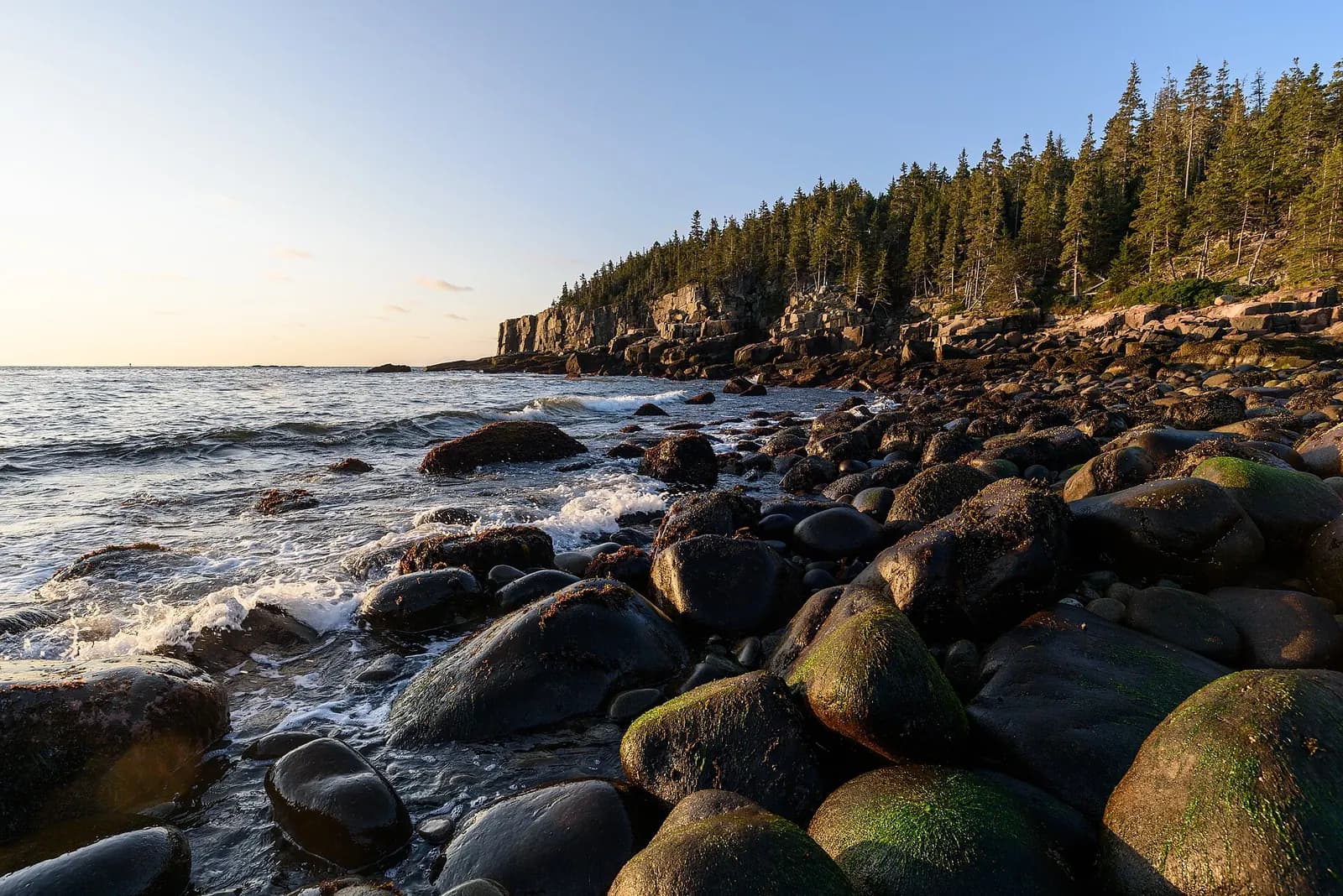
New England Fall Foliage
Vermont, New Hampshire & Maine
Late September through mid October, with peak color sweeping from north to south and high elevations downward
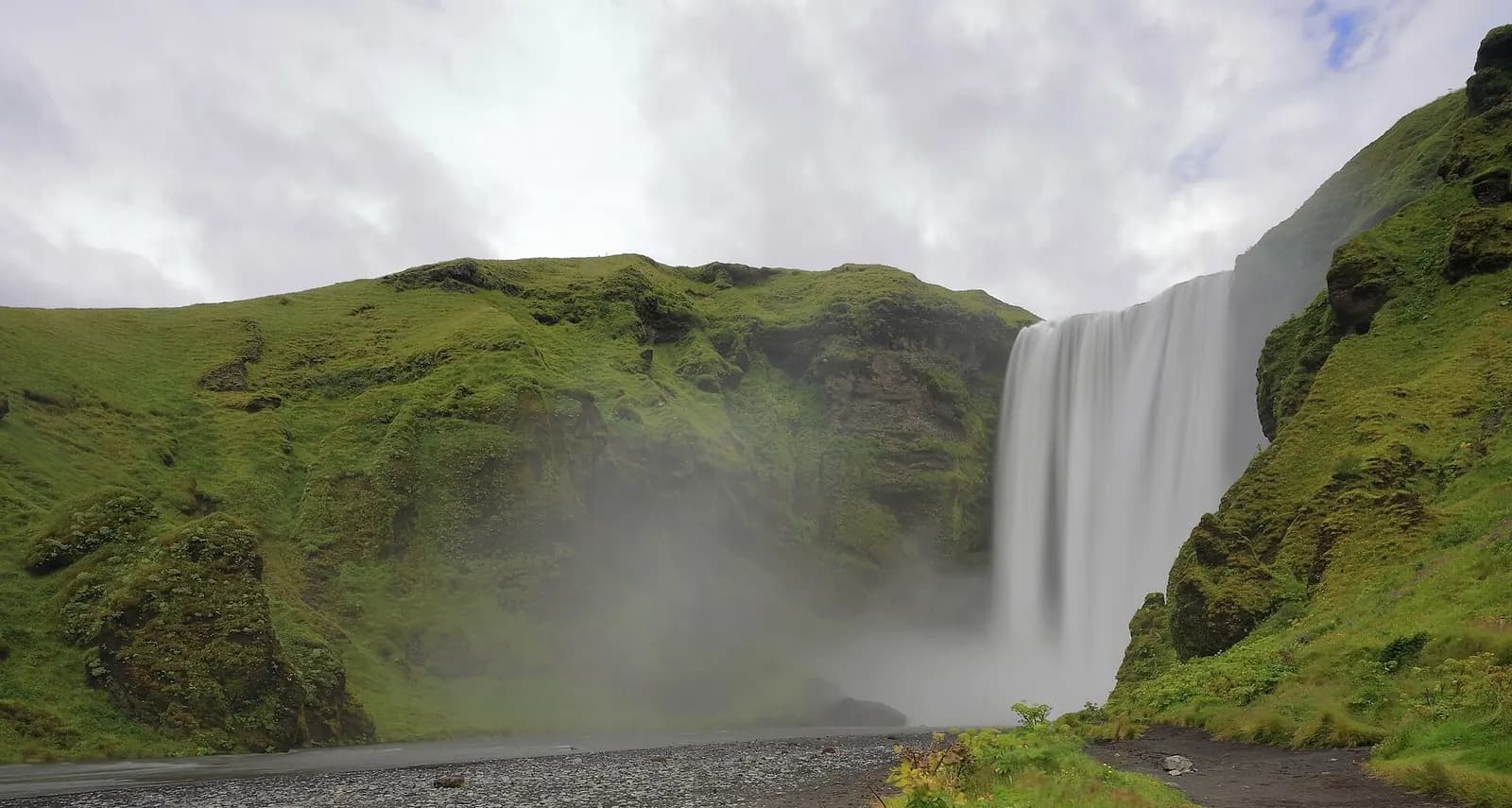
Northern Lights Season
Iceland, Norway & Finnish and Swedish Lapland
September through March, whenever nights are dark; the equinox months and deep winter each have their own case
Before you book.
Sort these two things first.
Sponsored links. We may earn a commission; it never changes a verdict.
- Visit Faye
Travel insurance.
FayeA missed connection, a bag that never turns up, a hospital abroad: far cheaper to cover before departure than to argue about after.
- Visit Saily
eSIM data.
SailySet up an eSIM before you fly so your phone has data the moment you land, without roaming charges.
Our top-rated travel gear
Whatever you decide, this is the gear we actually travel with: verified, priced, and ranked. Live price check on each.






As an Amazon Associate we may earn from qualifying purchases, at no cost to you.