Oaxaca, Mexico
Dia de Muertos in Oaxaca
Mexico's most profound holiday, at its most vivid: marigolds, candlelit cemeteries, and a city that welcomes its dead home.
The straight answer
Dia de Muertos peaks on November 1 and 2 every year, and in Oaxaca the celebrations build through the last week of October, making roughly October 28 through November 3 the window to be there.
Dia de Muertos, the Day of the Dead, is Mexico's great annual homecoming: the belief, woven from Indigenous and Catholic traditions, that the souls of the departed return each year to visit the living, who welcome them with altars, marigolds, food, and music. Nowhere is it more fully alive than Oaxaca, where the city and its surrounding Zapotec villages turn the holiday into a week of markets, processions, sand tapestries, and candlelit cemetery vigils.
The fixed dates are November 1 and 2: November 1 traditionally welcomes the souls of children, the angelitos, and November 2 the adults. But Oaxaca's celebration builds for a week beforehand, with comparsas (costumed musical street processions) rolling through neighborhoods and villages, markets overflowing with cempasuchil marigolds, pan de muerto, and sugar skulls, and families building their ofrendas, the altars that are the holiday's heart.
One thing to hold onto: this is not Mexican Halloween, and it is not a party thrown for visitors. It is a family holiday, frequently joyful, sometimes intensely intimate, that Oaxacans have generously allowed travelers to witness. Approached with that understanding, it is one of the most moving travel experiences on the planet.
The event, explained
The ofrenda is the center of everything: home and public altars layered with marigolds, photographs of the dead, their favorite foods and drinks, candles, copal incense, and pan de muerto. Through the final October days, Oaxaca's markets (Mercado Benito Juarez, the Central de Abastos, and the special seasonal flower markets) become the holiday's staging ground, and simply shopping them is half the experience.
The nights of November 1 and 2 belong to the cemeteries. Families keep candlelit vigils at the graves, cleaning and decorating them, eating, drinking, and hiring bands to play the dead their favorite songs. The panteones of Xoxocotlan, famous for its old cemetery's late-night vigil, Atzompa, and San Felipe del Agua each have distinct traditions, and respectful visitors are broadly welcome at the public ones.
Around the solemn core swirls plenty of spectacle: comparsas with brass bands and dancing devils in the villages (San Agustin Etla's is legendary), sand-and-flower tapestries called tapetes laid out in plazas, face-painted catrinas everywhere, and city streets that feel like one continuous festival by the evening of October 31.
How to play it right
- 01Book Oaxaca lodging four to six months ahead; the city has become one of the world's marquee cultural-travel destinations for this week and the center sells out at premium rates. Flights via Mexico City fill too.
- 02Arrive by October 28 or 29, not on November 1. The buildup week (markets in full flower, comparsas starting, altars going up) is much of the magic, and the city is calmer for learning your way around.
- 03Plan the two big nights deliberately: many travelers do a village cemetery (Xoxocotlan's old panteon or Atzompa) late on one night and the city's quieter San Miguel cemetery or a neighborhood vigil the other. Go late, after 10pm, when families have settled in and tour groups have thinned.
- 04Cemetery etiquette is the whole game: ask before photographing people or graves, keep flash off, keep voices low, do not touch ofrendas, and accept hospitality graciously if offered. A small purchase of candles or flowers to quietly add where welcomed goes a long way.
- 05Consider a guided night for the village vigils: a good local guide handles transport (villages are 20 to 40 minutes out, taxis get scarce late) and, more importantly, context and introductions that transform what you understand.
- 06Book restaurants ahead for the peak nights, try the seasonal dishes (mole negro is the holiday's signature), and leave one day for the artisan villages, where woodcarvers and potters produce the holiday's finest craft.
With kids in tow
- Dia de Muertos is fundamentally a family holiday, and Oaxacan families bring children everywhere, including the cemeteries; respectful visiting kids are welcome and often warmly engaged, especially around the children's-soul observances of November 1.
- The daytime program is a kids' dream: face painting, markets full of sugar skulls and chocolate, sand tapestries, puppet-scale mojigangas in the processions. The late-night cemetery vigils run past midnight; with young children, visit a cemetery in the early evening instead, when families are decorating.
- Prep kids honestly on what the holiday means: they will see graves, skeletal imagery, and real grief alongside the joy. Framed as families lovingly welcoming their ancestors back, children tend to handle and even treasure it.
Book your stay for Dia de Muertos in Oaxaca.
Sponsored links to Expedia and Vrbo. We may earn a commission; it never changes a verdict.
- Hotels for October
Hotels. Expedia
Hotels in Dia de Muertos in OaxacaOpens a hotel search for Dia de Muertos in Oaxaca in October, dates filled in. Book early for the best months: the good rooms go first.
- Rentals on Vrbo
Vacation rentals. Vrbo
Vacation rentals in Dia de Muertos in OaxacaWhole homes, condos and villas. Usually the better deal for families and groups, with a kitchen and room to spread out.
- Tours and tickets
Tours and tickets. Expedia
Tours and tickets in Dia de Muertos in OaxacaTimed-entry tickets, day trips and guided tours in Dia de Muertos in Oaxaca for October. Popular slots sell out in the best months.
Dia de Muertos in Oaxaca, quick answers
When is Dia de Muertos in Oaxaca?
The peak is November 1 and 2 every year, with November 1 dedicated to children's souls and November 2 to adults. Oaxaca's celebrations build through the last week of October, so the ideal trip runs roughly October 28 through November 3.
Can tourists visit the cemetery vigils?
At the well-known public panteones like Xoxocotlan and Atzompa, yes, respectfully: quiet voices, no flash, ask before photographing anyone, and never touch the ofrendas. Some smaller village cemeteries are more private; follow local guidance and read the room.
Is it disrespectful to get catrina face paint?
Generally no; painters work the streets of Oaxaca all week and locals paint up too. The line is behavior, not paint: treat the cemeteries and processions as the sacred family events they are, not a costume-party backdrop.
How far ahead should I book?
Four to six months for lodging in Oaxaca's center, and book key restaurants and any guided cemetery-night tours weeks ahead. This week has become one of Mexico's highest-demand travel windows.
Is Oaxaca safe during the holiday?
Oaxaca city is one of Mexico's most comfortable destinations for travelers, and the holiday week is heavily visited and well patrolled. Normal city precautions apply, plus a plan for late-night transport back from village cemeteries, which is the one recurring logistical snag.
Also in October

The Great Migration
Serengeti, Tanzania and Masai Mara, Kenya
Year-round, with calving in the southern Serengeti from roughly late January to March and river crossings from about July to October

Oktoberfest
Munich, Germany
Mid September to the first Sunday of October, roughly 16 to 18 days, mostly in September despite the name
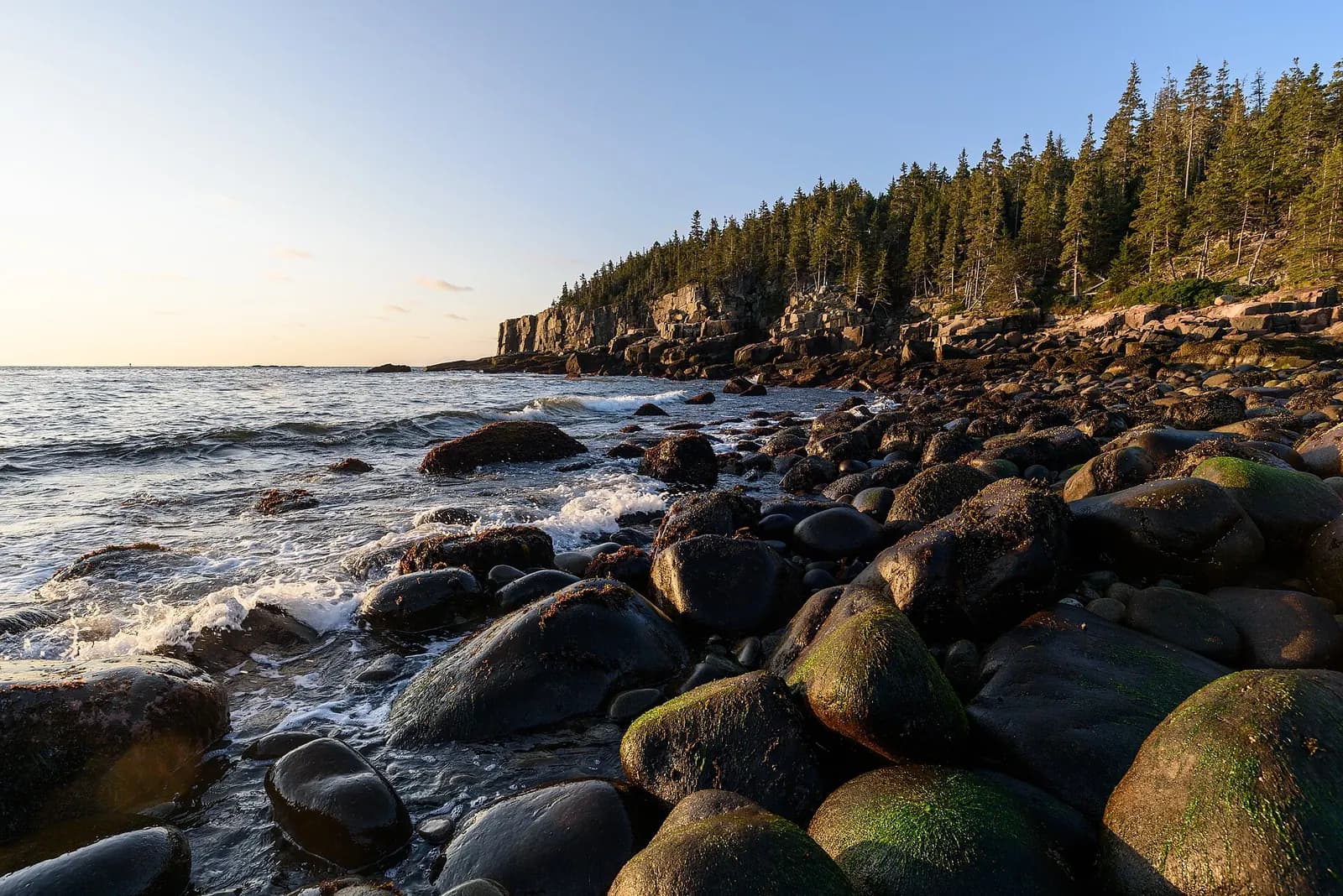
New England Fall Foliage
Vermont, New Hampshire & Maine
Late September through mid October, with peak color sweeping from north to south and high elevations downward
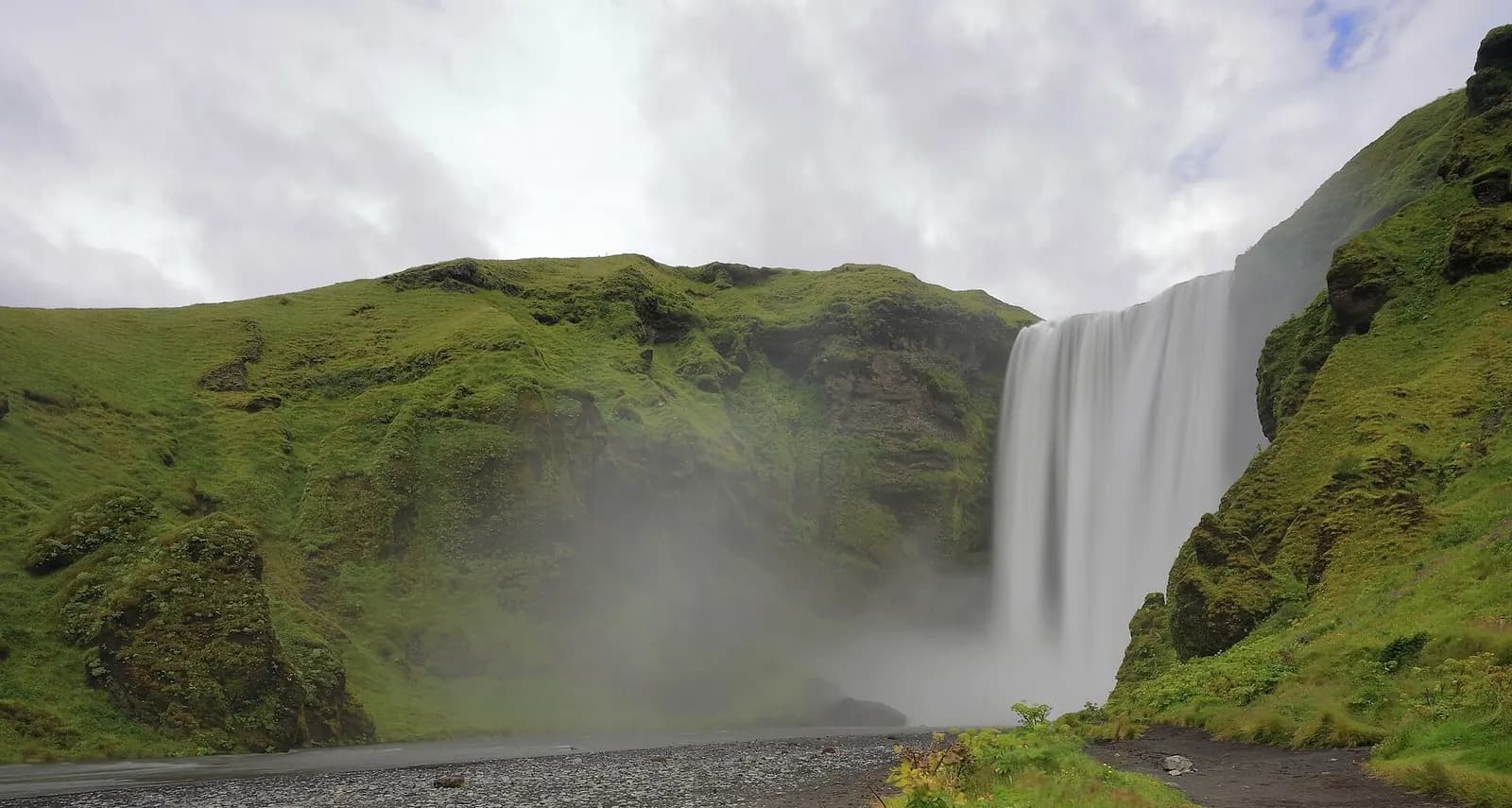
Northern Lights Season
Iceland, Norway & Finnish and Swedish Lapland
September through March, whenever nights are dark; the equinox months and deep winter each have their own case
Before you book.
Sort these two things first.
Sponsored links. We may earn a commission; it never changes a verdict.
- Visit Faye
Travel insurance.
FayeA missed connection, a bag that never turns up, a hospital abroad: far cheaper to cover before departure than to argue about after.
- Visit Saily
eSIM data.
SailySet up an eSIM before you fly so your phone has data the moment you land, without roaming charges.
Our top-rated travel gear
Whatever you decide, this is the gear we actually travel with: verified, priced, and ranked. Live price check on each.






As an Amazon Associate we may earn from qualifying purchases, at no cost to you.