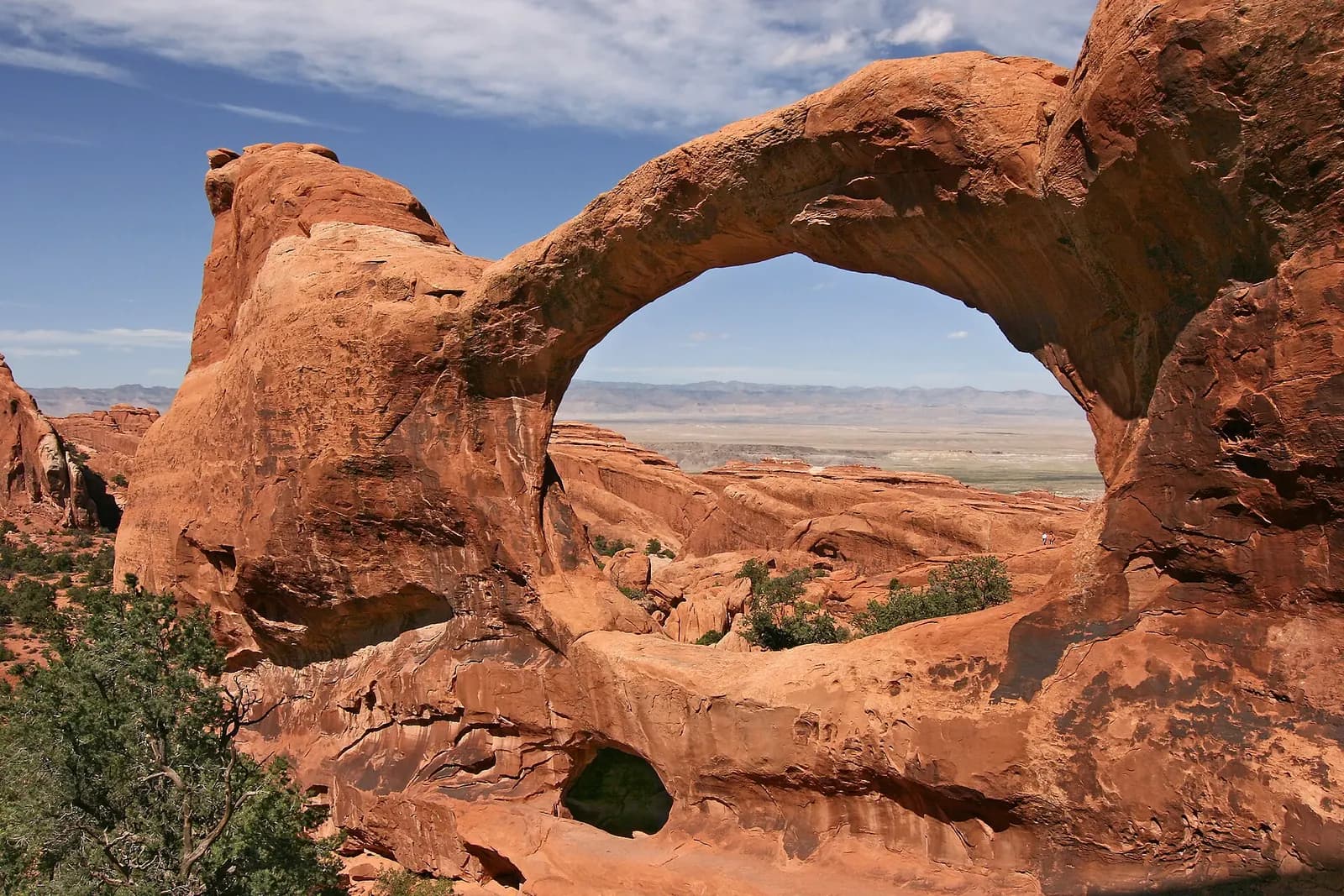
The straight answer
The best time to visit Utah's red rock country is April through May or September through October; the ski resorts are best January through March, which means Utah has no true off season, just wrong pairings.
Utah is a two-season state, and the trick is matching the season to the half you came for. For the Mighty 5 national parks, Zion, Bryce Canyon, Arches, Canyonlands, and Capitol Reef, the windows are April through May and September through October: 60 to 80F (16 to 27C) hiking weather, long light on the red rock, and rivers running clear. Summer in the canyon country is the classic desert mistake: 100F (38C) at Arches, flash-flood season in the slot canyons, and crowds anyway.
Then there is winter, when the Wasatch Range above Salt Lake City earns its license-plate boast. From roughly late November through early April, storms off the Great Salt Lake drop famously light powder on Alta, Snowbird, Park City, and their neighbors, with January through March the reliable core. The two Utahs are four hours apart, so a single trip can legitimately ski deep snow and walk slickrock in the same week during the shoulder overlaps of late March and November. Just do not point a July itinerary at Arches and expect to enjoy the afternoon.
The Utah year
Spring
Prime red rock. April and May bring ideal hiking temperatures, snowmelt waterfalls in Zion, and desert blooms, with the caveat that spring runoff can keep the Narrows closed and winds kick up dust. Crowds build through the season; reservations and dawn starts are the levers.
Summer
Shoulder honesty: the high country is glorious and the desert is punishing. Arches and Canyonlands hit 100F (38C), monsoon storms from July into September make slot canyons genuinely dangerous, and Zion's shuttle lines peak. Meanwhile the Uintas and the ski-town trail systems at 8,000 feet are in their best weeks. Choose elevation.
Fall
The best all-around window. September and October cool the canyons back to perfect, cottonwoods go gold in the washes, and Bryce's rim air turns crisp. October is the sweet spot at the southern parks, and early fall is prime for the Narrows in a good year.
Winter
Best for the mountains, and quietly wonderful in the parks. The Wasatch delivers world-class powder January through March. Down south, Bryce under snow is one of the great American sights, roads permitting, and Zion's canyon floor stays mild and nearly empty midweek.
Book Utah for April.
Sponsored links to Expedia and Vrbo. We may earn a commission; it never changes a verdict.
- Hotels for April
Hotels. Expedia
Hotels in UtahOpens a hotel search for Utah in April, dates filled in. Book early for the best months: the good rooms go first.
- Rentals on Vrbo
Vacation rentals. Vrbo
Vacation rentals in UtahWhole homes, condos and villas. Usually the better deal for families and groups, with a kitchen and room to spread out.
- Tours and tickets
Tours and tickets. Expedia
Tours and tickets in UtahTimed-entry tickets, day trips and guided tours in Utah for April. Popular slots sell out in the best months.
What to actually do
Zion National Park
Springdale
Angels Landing, by permit lottery, and the Narrows headline America's busiest canyon. Ride the first shuttle of the morning or enter on foot from Springdale to beat the crush.
Bryce Canyon's amphitheater
Bryce
Thousands of hoodoos glowing at sunrise from Sunset and Inspiration points. At 8,000 feet it stays cool all summer and dazzling under winter snow. Walk the Queens Garden loop down among them.
Delicate Arch
Arches National Park, Moab
The three-mile round trip over slickrock earns the most iconic view in the state, best at sunset. Arches uses timed-entry reservations in the busy season; plan ahead.
Canyonlands' Island in the Sky
Near Moab
Mesa Arch at dawn and Grand View Point's thousand-foot drops, with a fraction of Arches' crowds. The White Rim far below is the classic multi-day 4x4 route.
Ski the Cottonwood Canyons
Alta and Snowbird, above Salt Lake City
Among the snowiest lift-served terrain in North America, 40 minutes from an international airport. January through March is the deep-and-steep core; Alta remains skiers-only.
Park City and Deer Valley
Park City
One of America's largest ski complexes plus a genuine silver-mining Main Street. Summer converts the lifts to mountain biking and the town to festival mode.
Capitol Reef's Fruita district
Torrey
The quiet Mighty 5 park: a hundred-mile rock wrinkle, historic orchards where you can pick fruit in season, and pie at the Gifford House.
Scenic Byway 12
Bryce to Capitol Reef, via Boulder and Escalante
Regularly named among the most beautiful drives in America, crossing slickrock wilderness and the Hogback ridge. Budget a full day and stop often.
Bonneville Salt Flats
West of Salt Lake City, near Wendover
A blinding white plain where land-speed records fall. Sunset turns it surreal; stay off the salt when it is wet and flooded in winter and spring.
Monument Valley and Goosenecks
Southeastern Utah, Navajo Nation border country
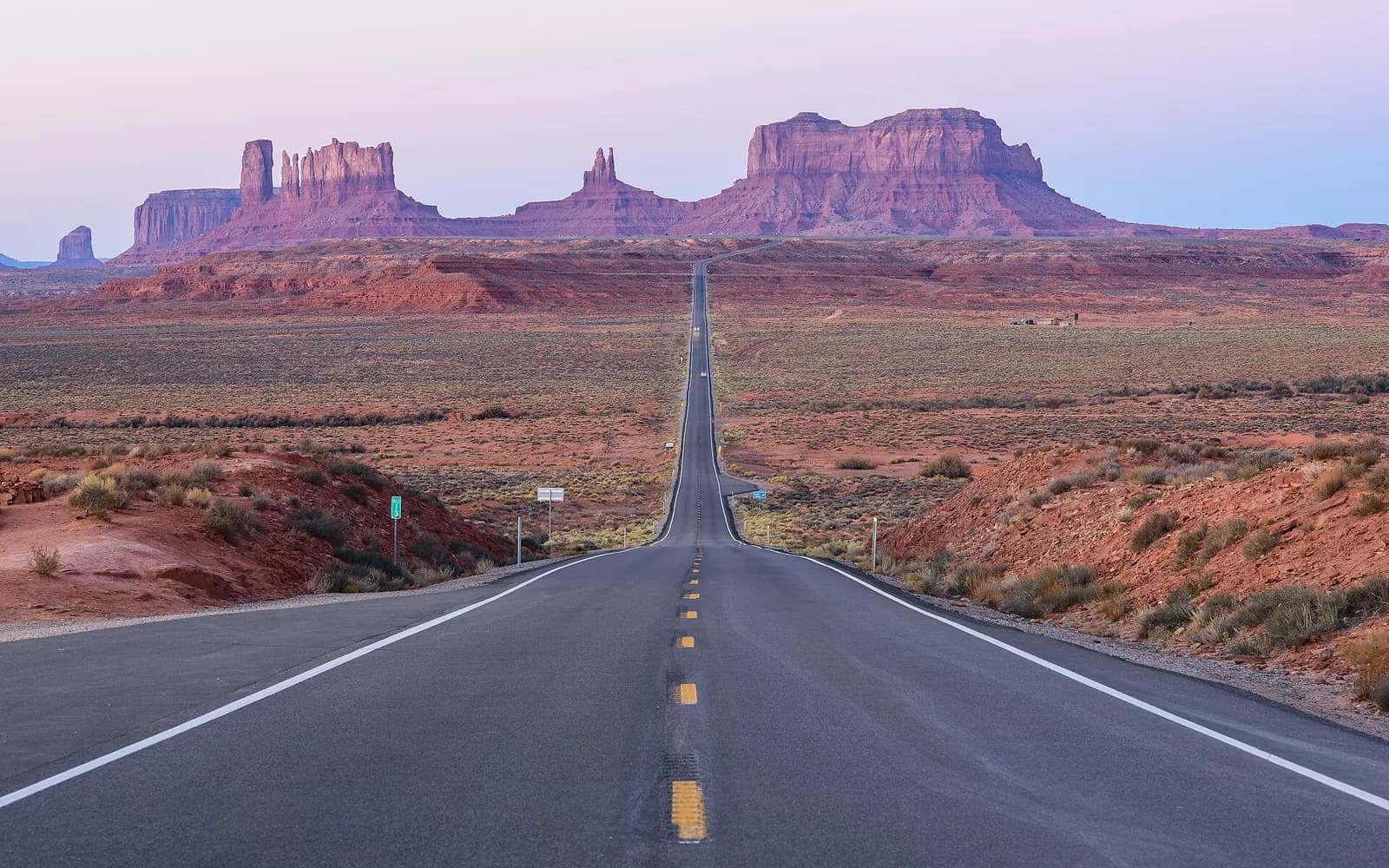
The most cinematic landscape in the West. Pair the valley's tribal-park loop with the entrenched river bends at Goosenecks State Park.
Events worth planning around
Sundance Film Festival
About ten days in late January
The country's premier independent film festival fills Park City midwinter. Ski crowds and film crowds collide; book far ahead or ski elsewhere that stretch.
Utah Shakespeare Festival
Season runs roughly June through October
A Tony-winning repertory season in Cedar City, an easy pairing with Bryce and Zion. Outdoor performances run in the summer core.
Days of '47
Around July 24
Utah's statewide pioneer commemoration, biggest in Salt Lake City with one of the nation's larger parades, marking the 1847 arrival in the valley.
Moab shoulder-season gatherings
Spring and fall, notably March through April and October
Jeep Safari week around Easter and fall riding season fill Moab's calendar and lodging. Check event dates before booking; the town's size amplifies every event.
Wasatch powder season
Late November through early April, deepest January through March
Lake-effect storms deliver the light, dry snow the license plates brag about. Midweek, non-holiday skiing is the value play.
With kids in tow
- Bryce is the most kid-friendly of the Mighty 5: short rim walks, hoodoo scrambles on the Queens Garden trail, cool summer air, and stargazing programs at a genuinely dark park.
- Zion with young kids means the Riverside Walk, the Pa'rus Trail, and splashing at the Virgin River's edges rather than the exposed famous hikes; the shuttle system keeps logistics simple.
- Summer desert rules with children are non-negotiable: hike before 10am, a liter of water per person minimum, and never enter a slot canyon with storms anywhere in the forecast.
Utah, quick answers
What is Utah known for?
The Mighty 5 national parks and Moab's red rock, powder skiing in the Wasatch at resorts like Alta, Snowbird, and Park City, the Sundance Film Festival, the Bonneville Salt Flats, and some of the darkest night skies and most photographed landscapes in America.
When is the best time to visit Utah?
April through May and September through October for the national parks, January through March for skiing. July and August belong to the high mountains only; the desert parks are hot, storm-prone, and still crowded then.
Can I do all Mighty 5 parks in one trip?
Yes, in seven to ten days on a loop from Las Vegas or Salt Lake City, and spring or fall are the seasons to try. With five days or fewer, pick a side: Zion and Bryce in the southwest, or Arches and Canyonlands from Moab.
Is Utah skiing really that good?
The snow statistics back the boast: the Cottonwood Canyons resorts average among the deepest, driest snowfall of any lift-served terrain in North America, and the airport-to-lift time beats Colorado's. January through March delivers the most reliable powder cycles.
Pair it with
Before you book.
Sort these two things first.
Sponsored links. We may earn a commission; it never changes a verdict.
- Visit Faye
Travel insurance.
FayeA missed connection, a bag that never turns up, a hospital abroad: far cheaper to cover before departure than to argue about after.
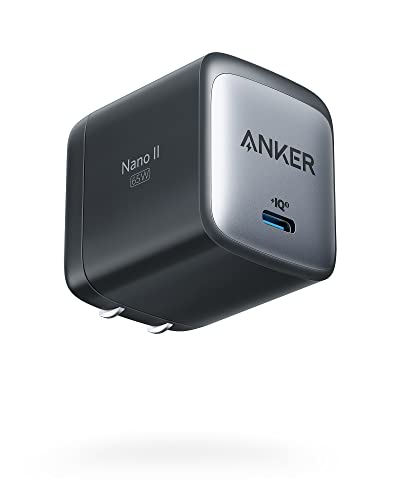
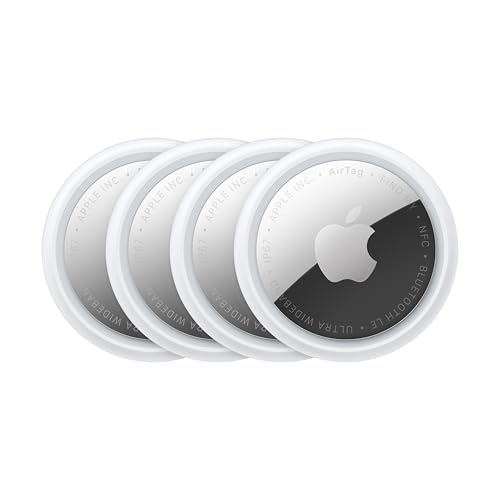
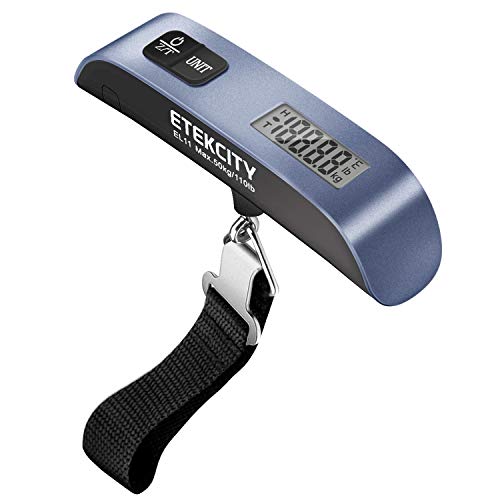
Our top-rated travel gear
Whatever you decide, this is the gear we actually travel with: verified, priced, and ranked. Live price check on each.



As an Amazon Associate we may earn from qualifying purchases, at no cost to you.