The straight answer
The best time to visit Louisiana is February through early May, spanning Mardi Gras through Jazz Fest with highs in the 60s and 70s F, or October through November after the heat finally breaks.
The stretch from February through early May is Louisiana at maximum wattage: Carnival season builds to Mardi Gras, azaleas bloom over New Orleans' Garden District, crawfish season peaks, and the festival calendar sprints through French Quarter Fest into Jazz Fest, all in weather that sits comfortably in the 60s and 70s F. If festivals are not the goal, October and November are the sleeper: the humidity lifts, swamp tours turn pleasant, and hotel rates ease.
Summer is the honest hard part. From June through September, highs in the low to mid 90s F combine with swamp-country humidity into some of the steamiest conditions in America, and it is also peak hurricane season. New Orleans never closes, and locals will point you to air-conditioned museums, po-boys, and late evenings, but plan a first trip then only if the calendar gives you no other choice.
The Louisiana year
Spring
The crown jewel season: Carnival into Mardi Gras, then French Quarter Fest and Jazz Fest, with 70s F days and crawfish boils everywhere. Book festival-week lodging months ahead.
Summer
Brutally hot and humid, low to mid 90s F with heat indexes far higher, plus the core of hurricane season. Deep hotel discounts are real; so is the sweat. Museums, music clubs, and snowballs are the survival kit.
Fall
Underrated and lovely: by October the humidity breaks, swamp and walking tours turn comfortable, and the food festivals keep coming. Hurricane season formally runs to the end of November, but risk drops through the fall.
Winter
Mild, with highs near 60s F, and never dull: Christmas bonfires line the levees, Reveillon dinners fill the restaurants, and Carnival season ignites on January 6. A genuinely good time to come.
Book Louisiana for February.
Sponsored links to Expedia and Vrbo. We may earn a commission; it never changes a verdict.
- Hotels for February
Hotels. Expedia
Hotels in LouisianaOpens a hotel search for Louisiana in February, dates filled in. Book early for the best months: the good rooms go first.
- Rentals on Vrbo
Vacation rentals. Vrbo
Vacation rentals in LouisianaWhole homes, condos and villas. Usually the better deal for families and groups, with a kitchen and room to spread out.
- Tours and tickets
Tours and tickets. Expedia
Tours and tickets in LouisianaTimed-entry tickets, day trips and guided tours in Louisiana for February. Popular slots sell out in the best months.
What to actually do
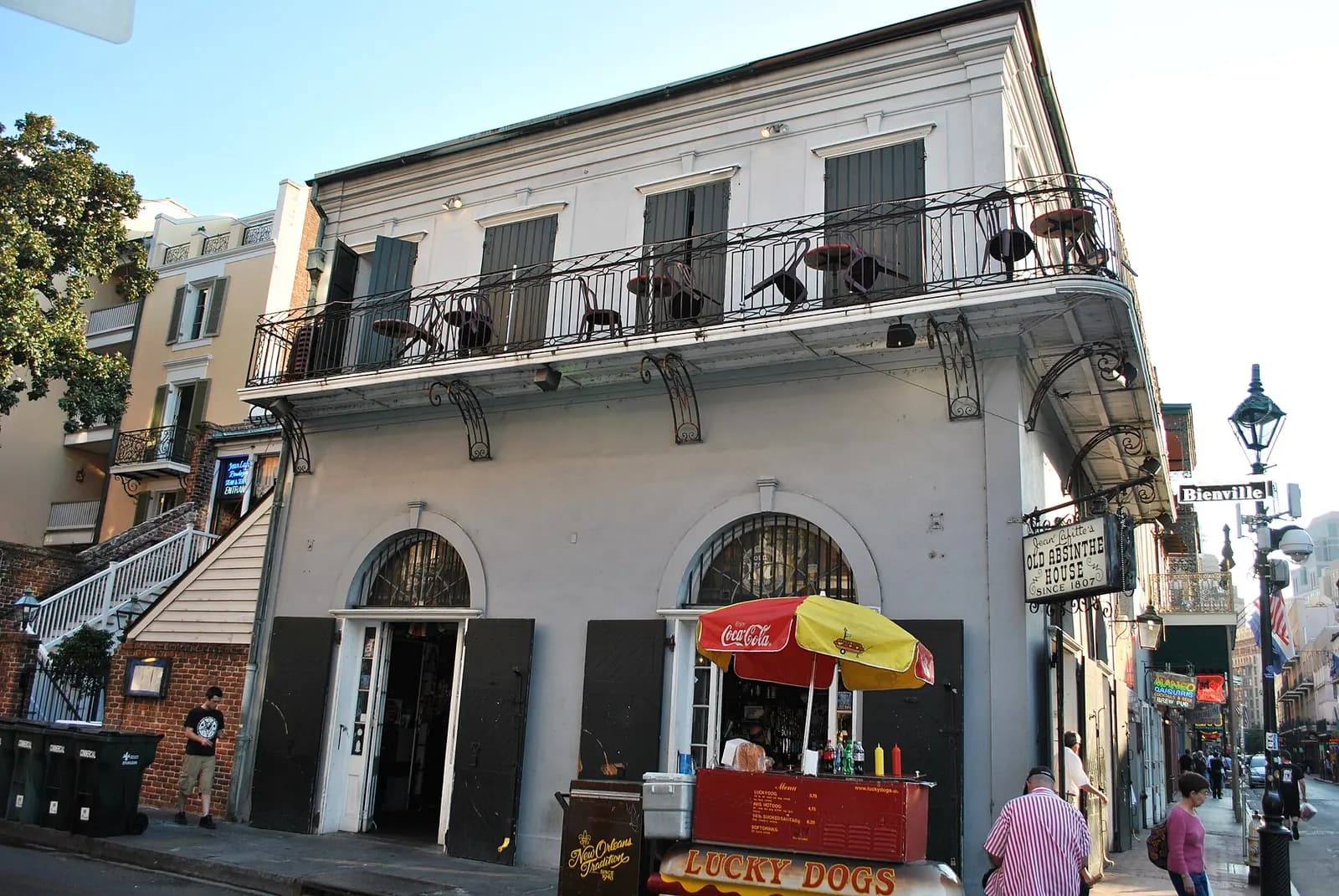
The French Quarter
New Orleans
Three centuries of Creole architecture, Jackson Square, and beignets at Cafe du Monde. Mornings belong to photographers; nights to everyone else.
The National WWII Museum
New Orleans
Regularly ranked among the best museums in the country. Give it most of a day; the immersive exhibits earn the time.
Garden District and the streetcars
New Orleans
Ride the St. Charles streetcar past oak-shaded mansions, then walk Magazine Street's six miles of shops and restaurants.
A swamp tour in the Atchafalaya or Honey Island
Breaux Bridge, Slidell, and points between
Alligators, cypress, and Spanish moss from a flatboat or kayak. Alligators are most active in the warm months; spring and fall tours are most comfortable.
Whitney Plantation
Wallace, on the River Road
The River Road museum that tells plantation history from the perspective of the enslaved, and the essential one to choose.
Oak Alley Plantation
Vacherie
The famous quarter-mile allee of 300-year-old live oaks, most photogenic in soft morning light.
Frenchmen Street
New Orleans, Faubourg Marigny
The locals' live-music answer to Bourbon Street: a dozen clubs within two blocks, every night of the week.
Lafayette and Cajun country
Lafayette and Breaux Bridge
Boudin, zydeco dance halls, and crawfish etouffee in the heartland of Acadiana, two hours west of New Orleans.
Avery Island
Avery Island, near New Iberia
The home of Tabasco: factory tours plus the lush Jungle Gardens and its snowy egret colony.
Natchitoches historic district
Natchitoches
The oldest permanent settlement in the Louisiana Purchase territory, with brick-paved streets, meat pies, and a famous holiday light festival.
Events worth planning around
Mardi Gras
February or early March, date moves with Easter
Parades roll for weeks before Fat Tuesday itself. Families favor the daytime uptown parades along St. Charles Avenue.
French Quarter Festival
A long weekend in April, New Orleans
Free stages across the Quarter with local musicians and food booths from the city's best restaurants.
New Orleans Jazz & Heritage Festival
The last weekend of April and first weekend of May
Two weekends spanning jazz, gospel, funk, and everything Louisiana; the crawfish bread alone justifies a ticket.
Festival International de Louisiane
The last full weekend of April, Lafayette
A free festival connecting Cajun country to the wider Francophone world, and a great Jazz Fest companion trip.
Natchitoches Christmas Festival
Late November through early January, Natchitoches
More than a hundred years of riverbank lights and fireworks in Louisiana's oldest town.
With kids in tow
- Mardi Gras is more family-friendly than its reputation: daytime parades uptown along St. Charles are full of kids on ladder seats catching throws.
- The Audubon trio, zoo, aquarium, and insectarium, plus streetcar rides and beignet stops make New Orleans an easy city with children outside festival crushes.
- For homeschool families, the WWII Museum, Whitney Plantation, and a swamp ecology tour form a powerful and sobering curriculum; spring and fall weekdays keep it all comfortable.
Louisiana, quick answers
What is Louisiana known for?
New Orleans and Mardi Gras, Cajun and Creole food, jazz, swamps and alligators, plantation history along the River Road, and a festival calendar that barely pauses.
When is the best time to visit Louisiana?
February through early May, covering Mardi Gras through Jazz Fest in mild weather, or October through November once the heat breaks. June through September is hot, humid, and hurricane-prone.
When is Mardi Gras?
Fat Tuesday falls in February or early March, moving each year with the date of Easter. Parades run for roughly two weeks beforehand, so a trip in the window before Fat Tuesday catches plenty without the biggest crowds.
Is New Orleans worth visiting in summer?
Only with eyes open: expect mid 90s F, extreme humidity, and afternoon storms, balanced by the year's cheapest hotels and uncrowded restaurants. Build days around museums, music, and long dinners rather than midday walking.
Pair it with
Before you book.
Sort these two things first.
Sponsored links. We may earn a commission; it never changes a verdict.
- Visit Faye
Travel insurance.
FayeA missed connection, a bag that never turns up, a hospital abroad: far cheaper to cover before departure than to argue about after.
Our top-rated travel gear
Whatever you decide, this is the gear we actually travel with: verified, priced, and ranked. Live price check on each.






As an Amazon Associate we may earn from qualifying purchases, at no cost to you.