New Orleans, Louisiana, United States
Mardi Gras in New Orleans
America's greatest free party: weeks of parades building to Fat Tuesday, and almost none of it is Bourbon Street.
The straight answer
Mardi Gras day, Fat Tuesday, falls in February or early March each year, moving with Easter, and the parade season builds for weeks beforehand, with the biggest parades rolling in the final week and a half.
Mardi Gras is not a day so much as a season. Carnival in New Orleans officially begins on January 6, Twelfth Night, and builds for weeks through king cakes, balls, and neighborhood parades until the final crescendo: the last two weekends and the days through Fat Tuesday, when the super krewes roll their giant illuminated floats down St. Charles Avenue and Canal Street and the entire city stops for the party. Fat Tuesday itself, the day before Ash Wednesday, moves with Easter and lands in February or early March.
The essential correction to the postcard version: Mardi Gras is a family and neighborhood holiday for most of New Orleans. The parades do not go through Bourbon Street; the French Quarter scene is its own adults-only sideshow. The real event is generations of local families camped along St. Charles with ladders and barbecues, catching beads and throws from krewes whose parades their grandparents watched.
It is also entirely free. Nobody sells tickets to the parades; you simply show up on the route. The costs of Mardi Gras are lodging, which peaks hard for the final week, and stamina, which no amount of planning fully solves.
The event, explained
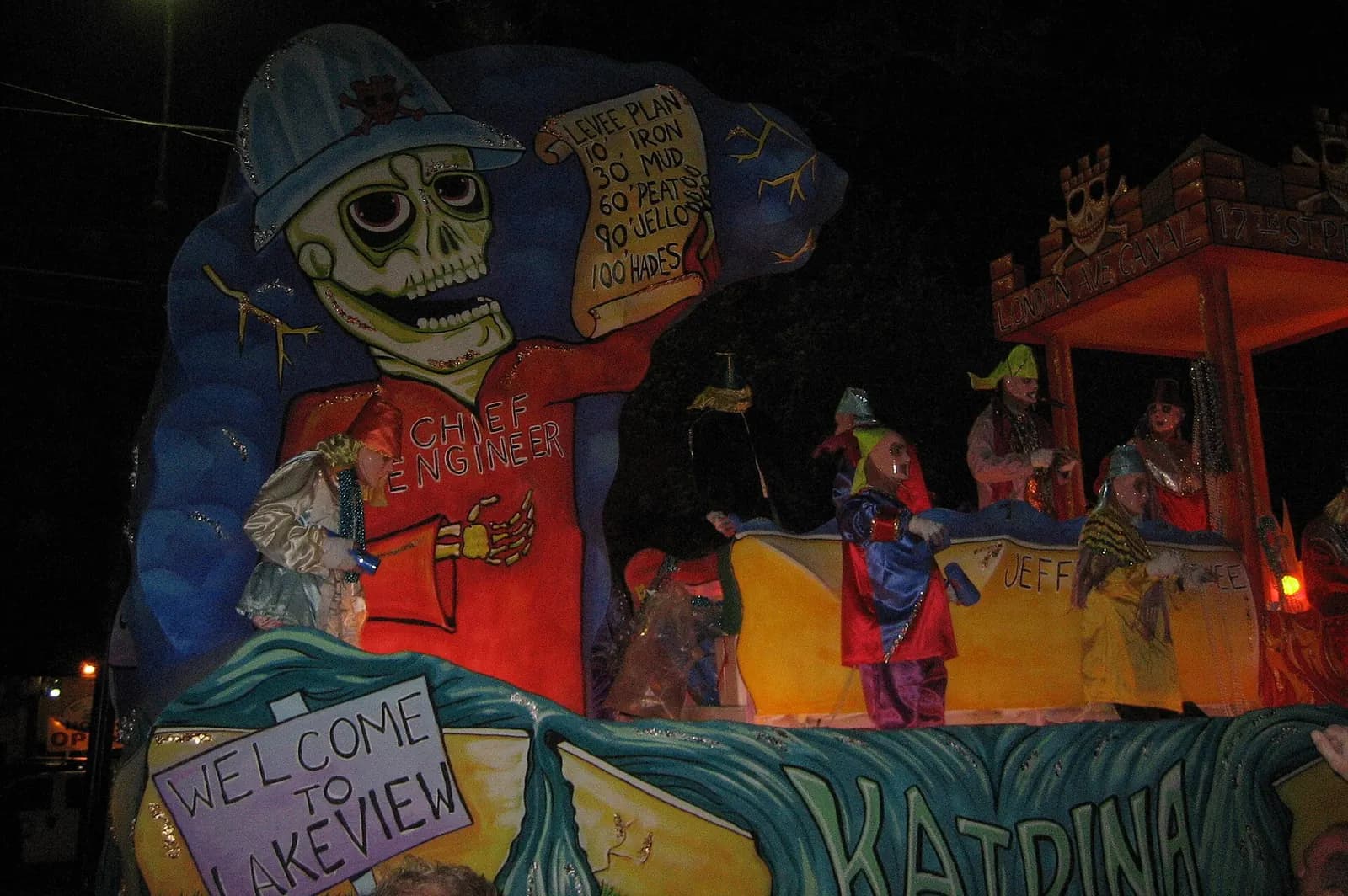
Parades are staged by krewes, private organizations ranging from centuries-old secret societies to satirical marching clubs, each with its own royalty, theme, and signature throws: beads, doubloons, cups, and the famous specials like hand-decorated shoes from Muses and painted coconuts from Zulu, some of the most prized objects in American festival culture. The final stretch belongs to the super krewes (Endymion, Bacchus, Orpheus) with their block-long floats and celebrity riders, and to the old-line krewes Zulu and Rex, whose Fat Tuesday morning parades are the tradition's crown.
The geography is simple once seen: most major parades roll the St. Charles Avenue route through Uptown to Canal Street, with Endymion taking its own Mid-City route. Uptown along St. Charles is leafy, familial, and self-catered; closer to Canal the crowds densify and the energy urbanizes. Walking parades and costume culture thrive in the Marigny and Bywater, including the early-morning societies of Fat Tuesday itself.
Around the parades: king cake season (with the plastic baby that obligates the finder to buy the next one), masked balls public and private, flambeaux torch carriers lighting night parades, and a costume standard on Fat Tuesday in which dressing up is functionally mandatory for anyone who wants to belong, which is everyone.
How to play it right
- 01Fix the year's Fat Tuesday date, then book lodging six months or more out for the final week; hotels impose multi-night minimums at the year's highest rates. Staying Uptown near St. Charles trades nightlife proximity for parade-route front yards, and it is the better trade.
- 02Come for the final five days if you want the giants (the super krewes roll the weekend before Fat Tuesday, and Zulu and Rex own Tuesday morning), or come the weekend before that for full-scale parades with noticeably lighter crowds and cheaper rooms.
- 03Claim route space like a local: Uptown St. Charles, anywhere from Napoleon toward Jackson, offers neutral-ground (median) picnic territory a few hours before evening parades; the Canal Street end packs earliest and deepest. Ladders with seats for kids are a legal local institution, set back from the curb.
- 04Master the logistics that actually break people: parking near routes disappears and towing is merciless, so walk, bike, or rideshare to the edges; bathrooms are the scarcest resource, so patronize businesses selling wristband access; and phone networks choke at parade peak, so set physical meeting points.
- 05Catch throws with your hands up and your feet planted (never reach into the street for a doubloon while a float rolls), bring a bag for the haul, and learn the one word that matters, throw me something mister, deployed with eye contact at riders.
- 06Book restaurants far ahead for the final week, embrace king cake from a proper bakery, and plan a slow Ash Wednesday: the city, impressively, goes quiet.
With kids in tow
- Mardi Gras Uptown is one of America's great family traditions: kids on ladder seats catching throws on St. Charles, daytime parades full of marching bands, and a residential picnic atmosphere generations deep. Families should simply never take children into the French Quarter during Carnival, and locals do not.
- Daytime weekend parades and the smaller early-season krewes are the family sweet spot: manageable crowds, maximum throws per kid, and home by dinner. Night parades with flambeaux are magical for older kids but run long and loud.
- Pack for standing outdoors in February weather that swings from 45F to 75F (7C to 24C), bring the wagon-snacks-and-bathroom-plan trifecta, and set a hard meeting point; parade crowds swallow phone signal exactly when you need it.
Book your stay for Mardi Gras in New Orleans.
Sponsored links to Expedia and Vrbo. We may earn a commission; it never changes a verdict.
- Hotels for February
Hotels. Expedia
Hotels in Mardi Gras in New OrleansOpens a hotel search for Mardi Gras in New Orleans in February, dates filled in. Book early for the best months: the good rooms go first.
- Rentals on Vrbo
Vacation rentals. Vrbo
Vacation rentals in Mardi Gras in New OrleansWhole homes, condos and villas. Usually the better deal for families and groups, with a kitchen and room to spread out.
- Tours and tickets
Tours and tickets. Expedia
Tours and tickets in Mardi Gras in New OrleansTimed-entry tickets, day trips and guided tours in Mardi Gras in New Orleans for February. Popular slots sell out in the best months.
Mardi Gras in New Orleans, quick answers
When is Mardi Gras?
Fat Tuesday falls in February or early March, always the day before Ash Wednesday, moving with Easter each year. Carnival season opens January 6, with parades building for weeks and the biggest krewes rolling in the final week and a half.
Do I need tickets for the parades?
No; every street parade is free to attend, and standing on the route is the whole event. What costs money is lodging in the final week, grandstand seats if you want them, and balls, most of which are private or ticketed separately.
Is Mardi Gras just a drunken Bourbon Street party?
That party exists, confined largely to the French Quarter, and the parades never enter it. The Mardi Gras most of New Orleans lives is family parade-going along St. Charles Avenue, king cake, costumes, and neighborhood tradition. Pick your geography and you pick your festival.
Which days should I aim for?
The final stretch: super krewes roll the weekend before Fat Tuesday, Orpheus on Lundi Gras Monday, and Zulu then Rex on Fat Tuesday morning. For a calmer version with real parades, the prior weekend delivers at lower crowd and hotel cost.
What are the best throws to catch?
Beyond beads: Zulu's hand-painted coconuts and Muses' decorated shoes are the legendary specials, handed rather than thrown and worth polite lobbying. Cups, doubloons, and plush spears fill the bag; the joy is the catching, not the resale value, of which there is none.
Also in February
Chinese New Year
China, plus Singapore, Hong Kong & Taipei
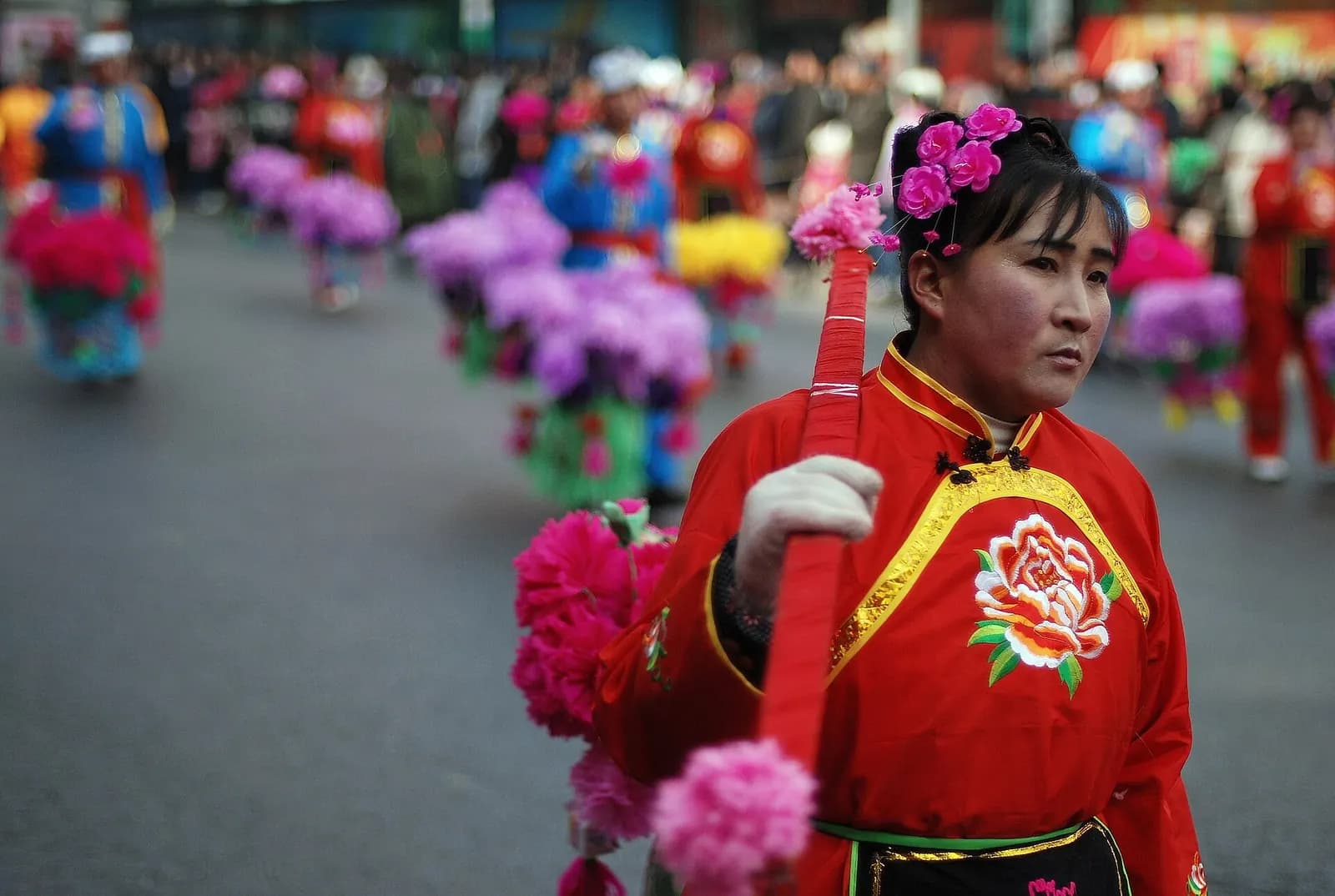
Late January or February, on the new moon that begins the lunar year; the date moves with the lunar calendar, and festivities run about 15 days to the Lantern Festival
Venice Carnival
Venice, Italy
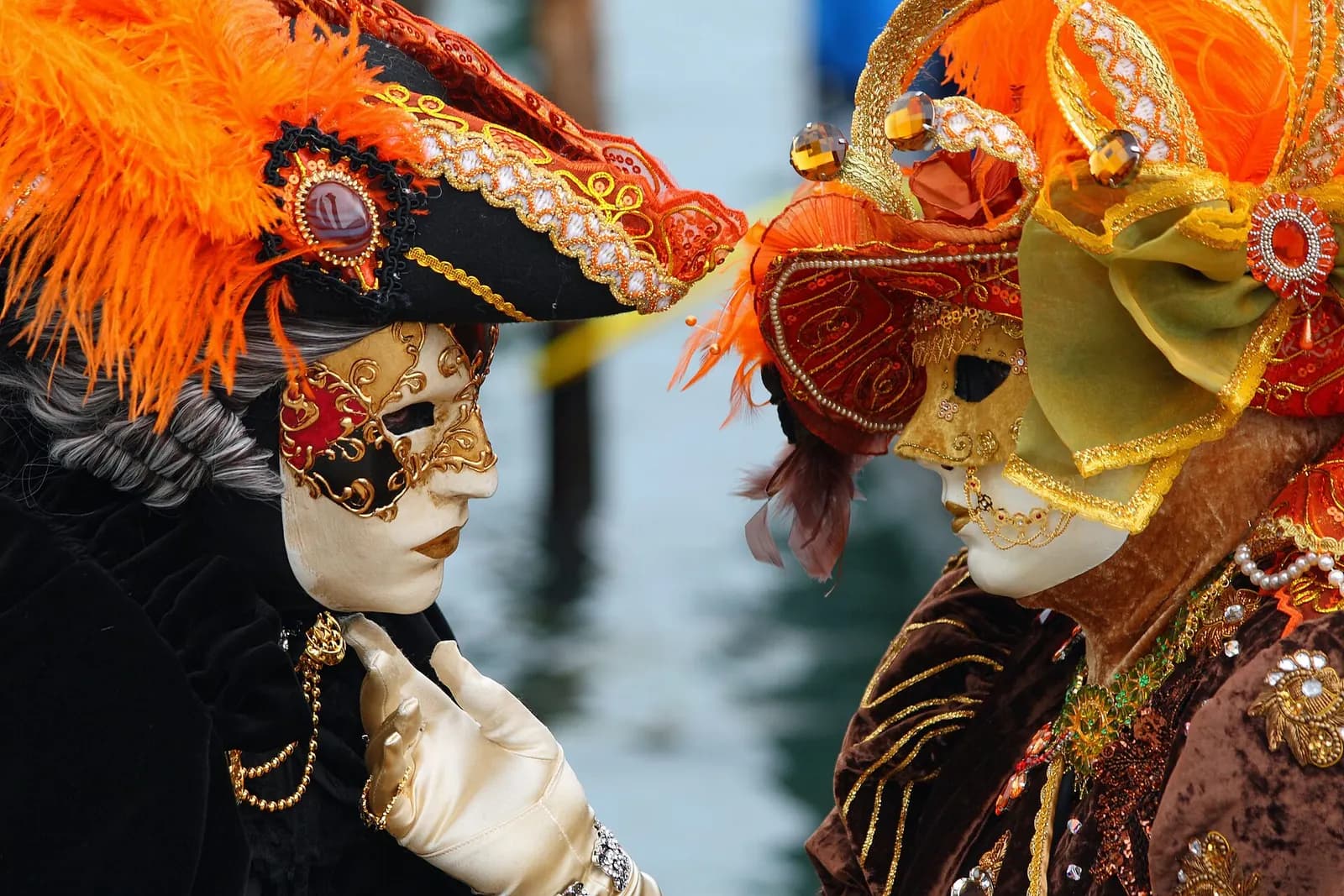
Roughly two weeks ending on Shrove Tuesday, so usually within late January and February; the dates move with Easter
Humpback Whale Season in Maui
Maui, Hawaii
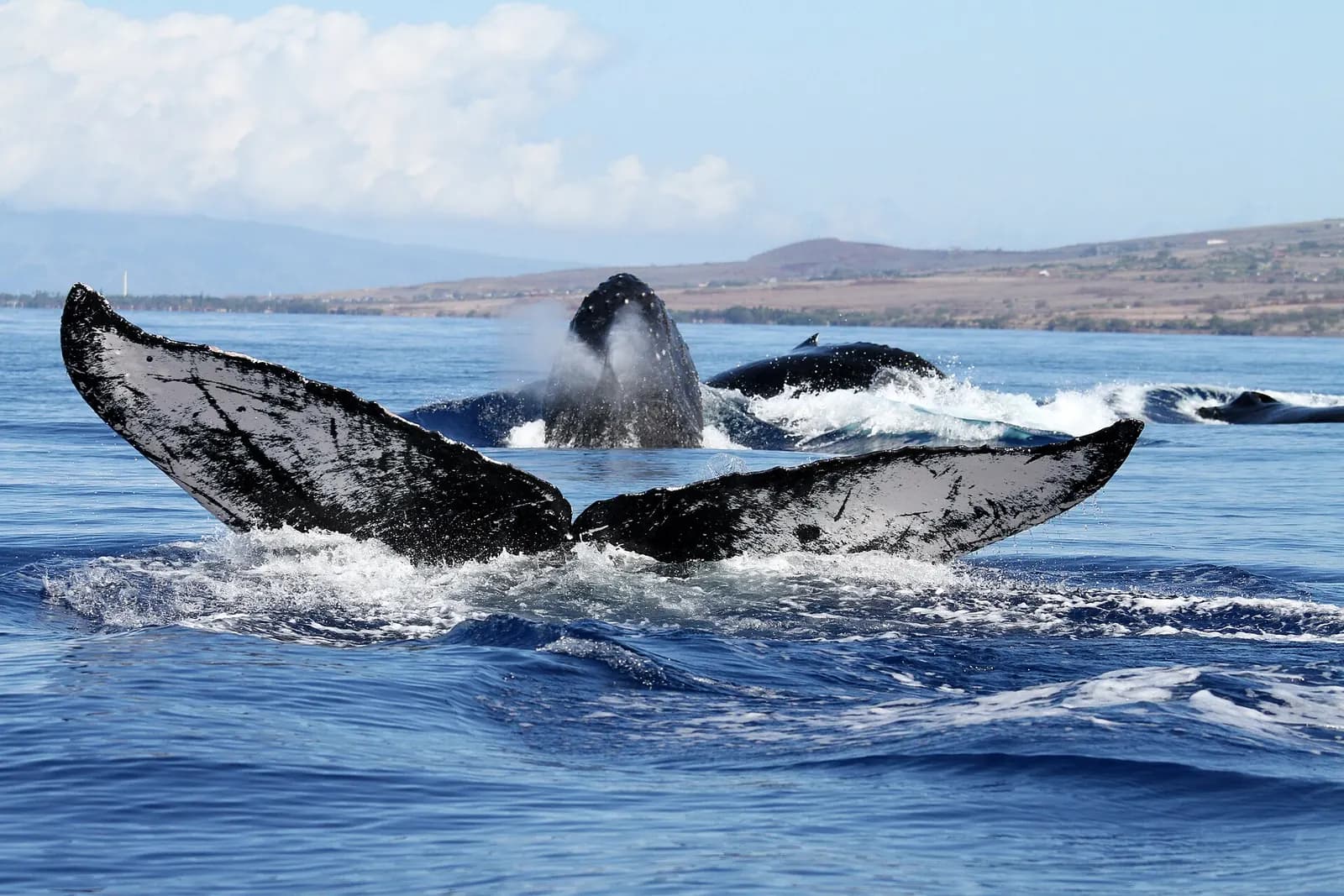
Roughly December to April, with the peak from January to March
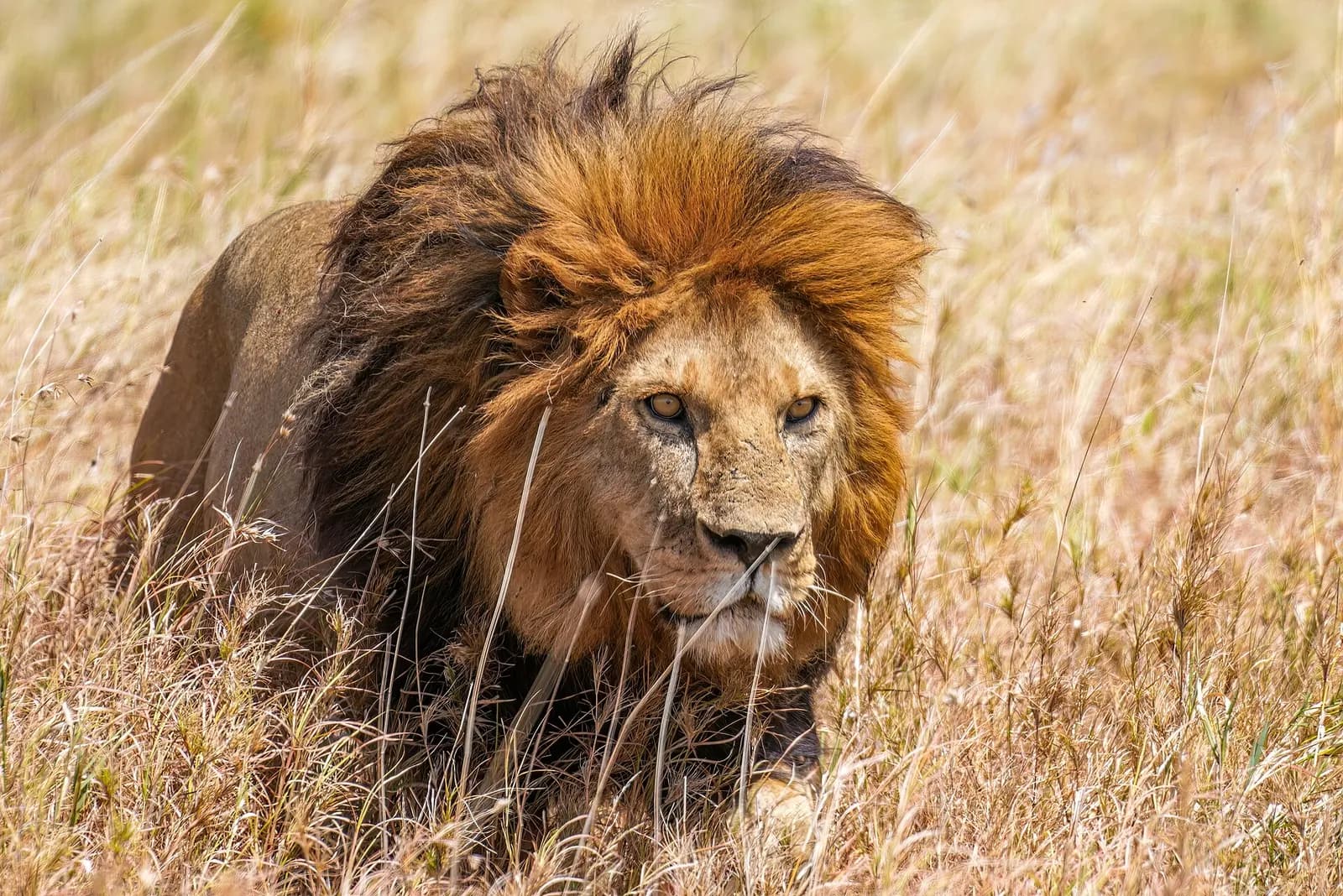
The Great Migration
Serengeti, Tanzania and Masai Mara, Kenya
Year-round, with calving in the southern Serengeti from roughly late January to March and river crossings from about July to October
Before you book.
Sort these two things first.
Sponsored links. We may earn a commission; it never changes a verdict.
- Visit Faye
Travel insurance.
FayeA missed connection, a bag that never turns up, a hospital abroad: far cheaper to cover before departure than to argue about after.
- Visit Saily
eSIM data.
SailySet up an eSIM before you fly so your phone has data the moment you land, without roaming charges.
Our top-rated travel gear
Whatever you decide, this is the gear we actually travel with: verified, priced, and ranked. Live price check on each.






As an Amazon Associate we may earn from qualifying purchases, at no cost to you.