Thailand nationwide, biggest in Chiang Mai & Bangkok
Songkran in Thailand
Thai New Year is the world's biggest water fight, layered over one of its gentlest traditions.
The straight answer
Songkran runs April 13 to 15 every year, Thailand's traditional New Year, and in cities like Chiang Mai the water-throwing celebrations often stretch to nearly a week.
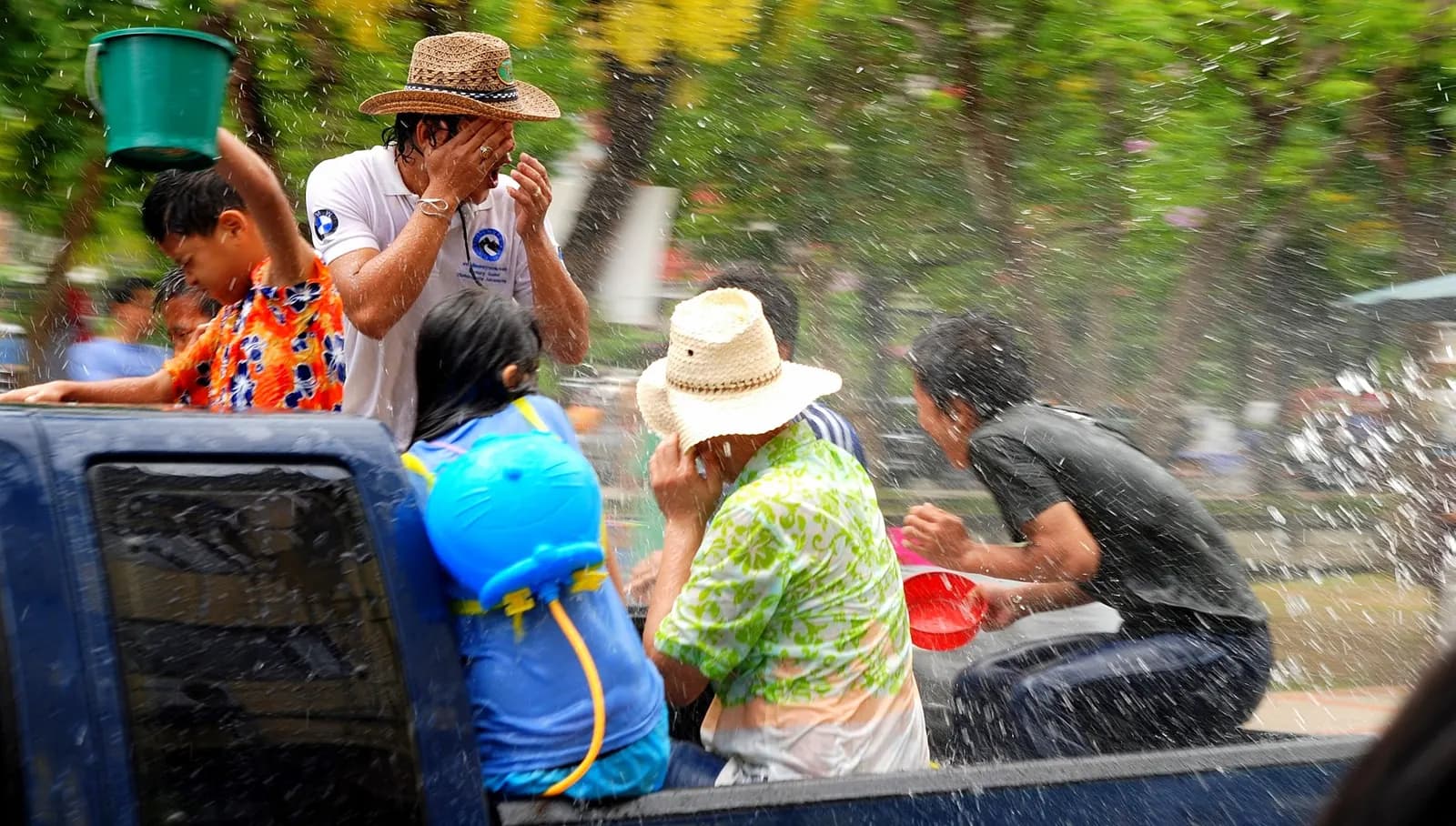
Every April, Thailand marks its traditional New Year by soaking itself. Songkran officially runs April 13 to 15, and for those days the entire country becomes a water fight: pickup trucks with barrels and buckets, kids with oversized water guns, hoses from shopfronts, and blocks of ice dumped into ammunition tanks for maximum shock value. Nobody on the street is exempt, and that is the point.
Underneath the mayhem is a genuinely gentle holiday. The water began as blessing: rinsing Buddha images, pouring scented water over the hands of elders, washing away the old year's bad luck. Mornings at the temples still carry that tone, with merit-making, sand pagodas, and processions, before the streets turn into full battle by midday.
April is also Thailand's hottest month, with highs regularly near 95F (35C) and beyond, which is exactly why a national water fight in April makes perfect sense. Being drenched is not a hazard of attending Songkran; it is the climate control.
The event, explained
The scale varies wildly by location. Chiang Mai is the epicenter: the old city moat becomes an endless ammunition supply and the celebration often runs close to a week. In Bangkok, Silom Road and Khao San Road host the densest, most party-forward battles. Smaller towns and islands celebrate too, usually for the core days only and with more family, less foam party.
A typical Songkran day has a rhythm: temple merit-making and processions in the morning, water fighting building from late morning to a late-afternoon peak, then a lull in the evening as everyone dries out and eats. Beauty pageants, parades carrying revered Buddha images through the streets to be sprinkled, and street food everywhere round it out.
Practical reality: everything you carry will get soaked, talc-and-water paste may get smeared on your cheeks, and the whole country is on the move because Songkran is Thailand's biggest family homecoming holiday. Domestic flights, trains, and buses around the holiday fill early.
How to play it right
- 01Book flights and hotels six to eight weeks out minimum, and earlier for Chiang Mai's old city, which is the single most in-demand Songkran lodging on Earth. Domestic transport on April 11, 12, and 16 sells out as the whole country travels.
- 02Pick your intensity: Chiang Mai's moat for the full multi-day epic, Bangkok's Silom for the biggest single-street battle, or a smaller town or island for the traditional, family-scale version.
- 03Waterproof everything: a proper dry bag or sealed pouch for phone and cash, sandals with grip, quick-dry clothes, and eye protection. Assume you are soaked from the moment you step outside until you are back in your room.
- 04Do the mornings too. Temple visits, almsgiving, and the Buddha-image processions are the actual holiday and the best photographs, and they happen before the streets go fully aquatic.
- 05Ride transit, not scooters. Songkran week has Thailand's worst annual road-accident toll, largely motorbikes plus wet roads plus drinking. Songthaews, taxis, and your own feet are the smart play.
- 06If you want Thailand in April without the soaking, know that it is nearly unavoidable in cities during the core days; plan beach or national-park days for the festival window instead, or embrace it.
With kids in tow
- Kids tend to rate Songkran the best day of any trip, ever: it is a sanctioned national water fight where adults are fair game. Arm everyone with their own water gun and go out in the morning, when play is gentler.
- Skip the epicenters with little ones. Silom and the densest moat-side stretches of Chiang Mai are loud, boozy crushes by afternoon; neighborhood streets and hotel-organized play areas give the same joy at kid scale.
- Ice water and high-pressure guns to the face are common in the hard-partying zones, and that is miserable for small children. Goggles help, mornings help more, and a dry-clothes bag staged back at the hotel ends the day well.
Book your stay for Songkran in Thailand.
Sponsored links to Expedia and Vrbo. We may earn a commission; it never changes a verdict.
- Hotels for April
Hotels. Expedia
Hotels in Songkran in ThailandOpens a hotel search for Songkran in Thailand in April, dates filled in. Book early for the best months: the good rooms go first.
- Rentals on Vrbo
Vacation rentals. Vrbo
Vacation rentals in Songkran in ThailandWhole homes, condos and villas. Usually the better deal for families and groups, with a kitchen and room to spread out.
- Tours and tickets
Tours and tickets. Expedia
Tours and tickets in Songkran in ThailandTimed-entry tickets, day trips and guided tours in Songkran in Thailand for April. Popular slots sell out in the best months.
Songkran in Thailand, quick answers
When is Songkran?
April 13 to 15 every year, fixed dates marking the traditional Thai New Year. Chiang Mai and some cities celebrate longer, with water play often starting a day or two early and running past the 15th.
Where is Songkran biggest?
Chiang Mai, where the old-city moat supplies a battle that runs the better part of a week. In Bangkok, Silom Road and Khao San Road are the famous concentrations. Nearly every town in Thailand celebrates at some scale.
Can I opt out of getting wet?
Not really, not on the streets during the core days. Anyone outside is presumed to be playing. Waterproof your valuables, and save errands and temple-interior visits for early morning or evening.
Is April a bad time to visit Thailand otherwise?
It is the hottest month, with highs around 95F (35C) or more, and Songkran week jams domestic transport. But the festival is a genuine bucket-list experience, and beaches remain excellent; just book everything early and plan around the travel-rush days.
What should I absolutely not do at Songkran?
Do not ride a scooter during the festival, do not throw water at monks, the elderly, or moving motorbikes, and do not bring anything you cannot afford to soak. Respect the morning religious observances; the water fight has its hours.
Make a trip of it: Thailand
The best time to visit Thailand
Best: Nov to Feb
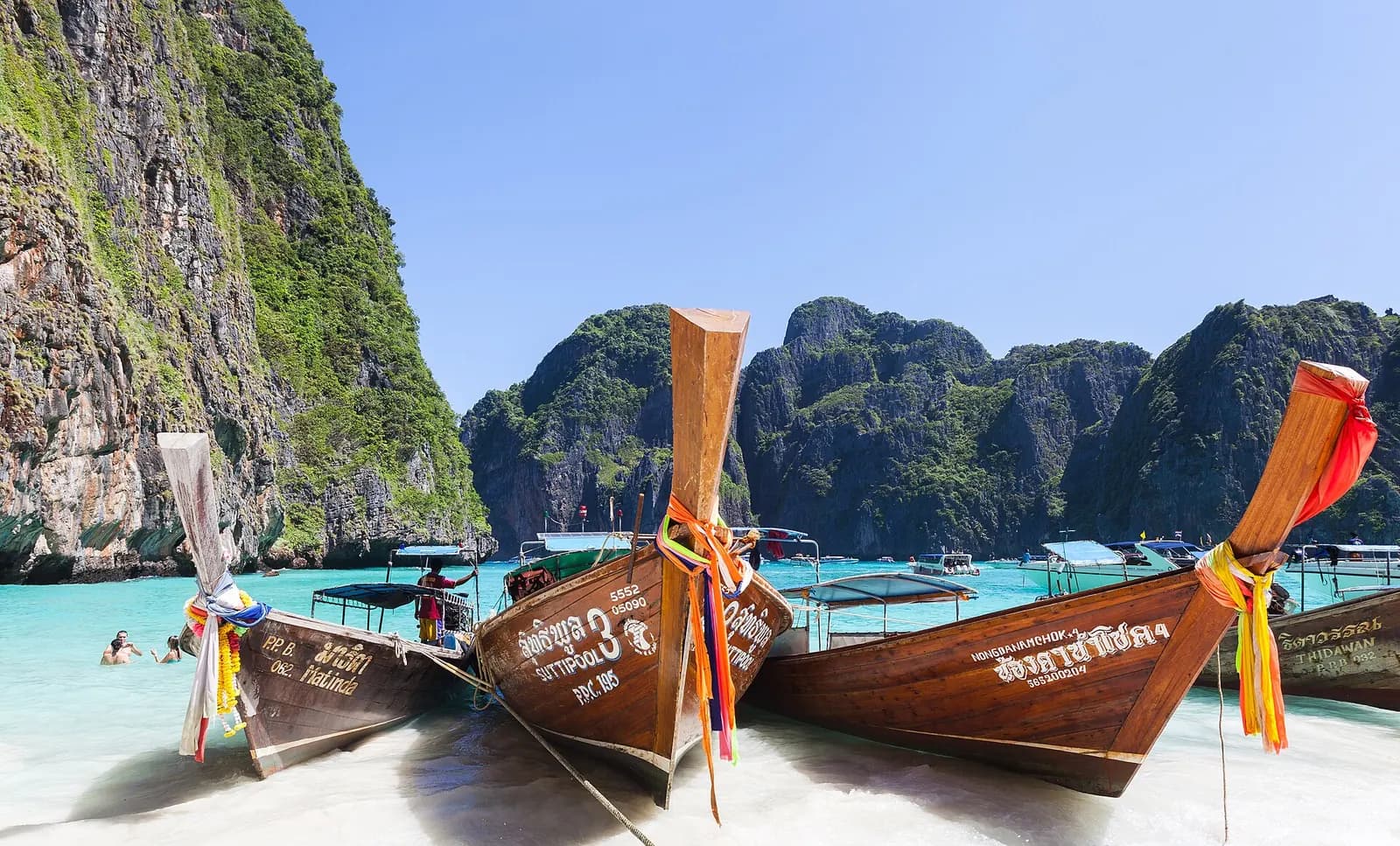
The best time to visit Thailand is November through February: cool-season weather in Bangkok and the north, and dry, calm conditions on both the Andaman and Gulf coasts at once.
Also in April
Humpback Whale Season in Maui
Maui, Hawaii
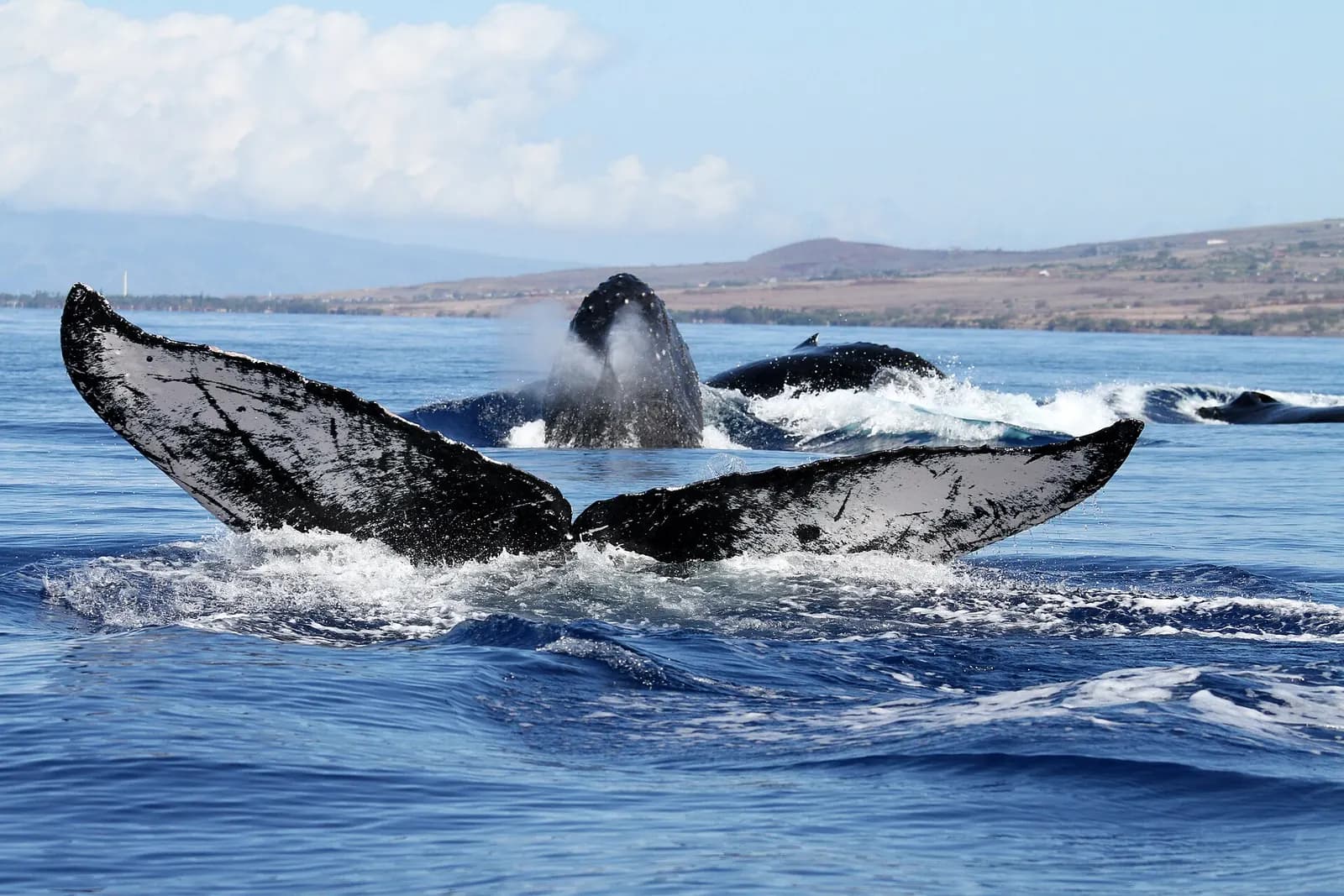
Roughly December to April, with the peak from January to March
Cherry Blossoms in Washington, DC
Washington, DC
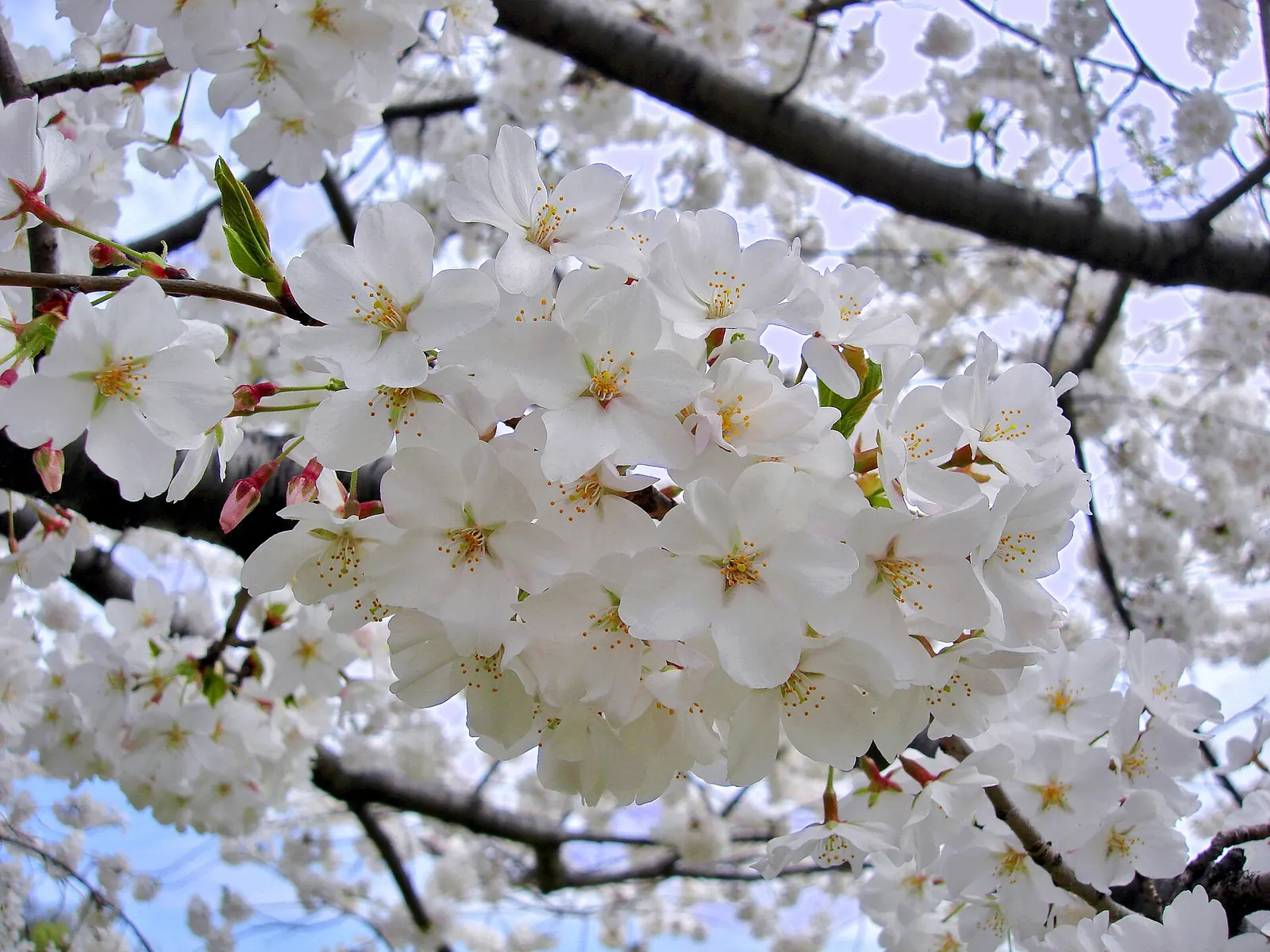
Late March into early April, with peak bloom varying a week or two year to year
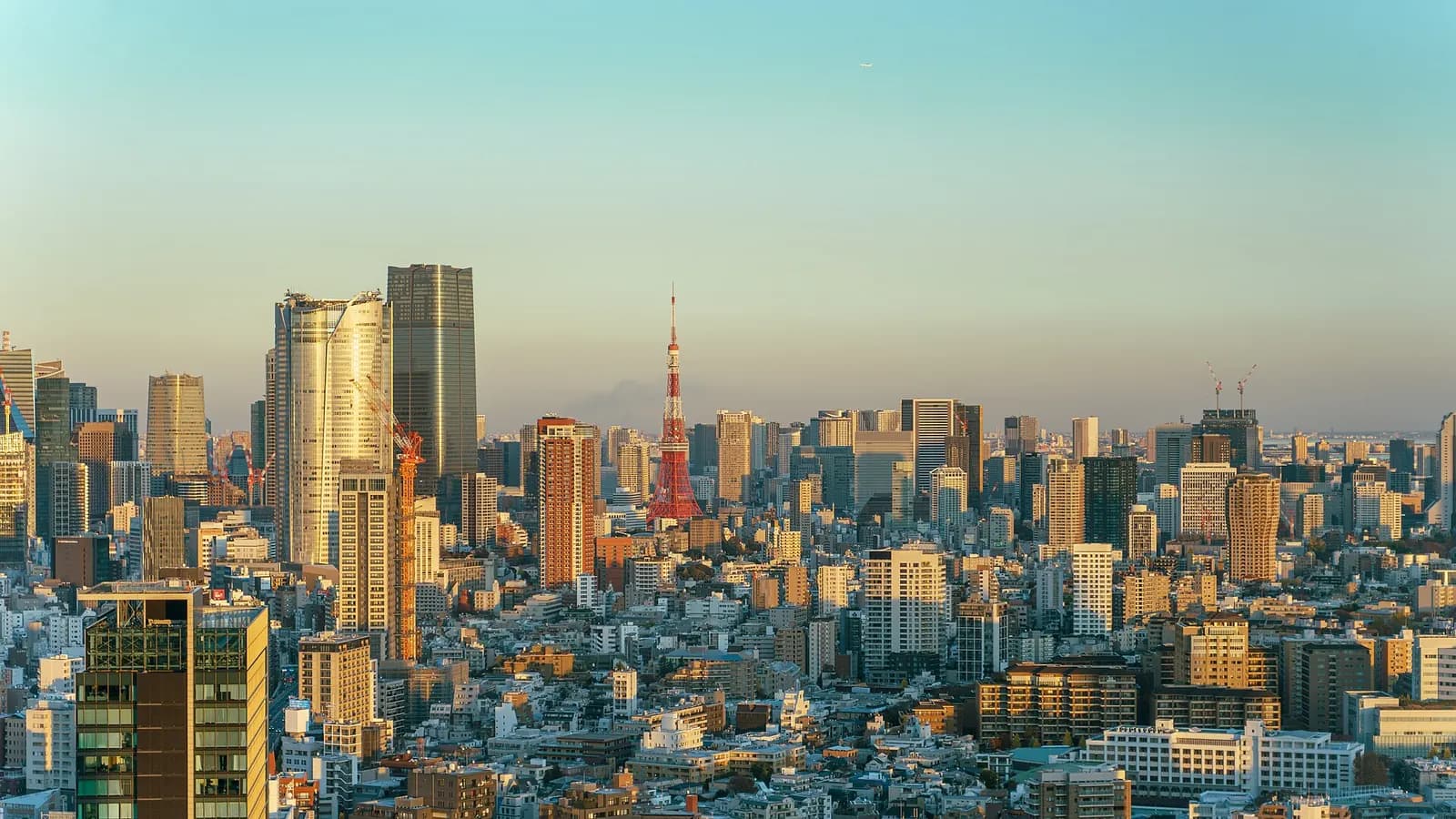
Cherry Blossom Season in Japan
Japan nationwide, sweeping south to north
Late March through April, moving south to north across the country
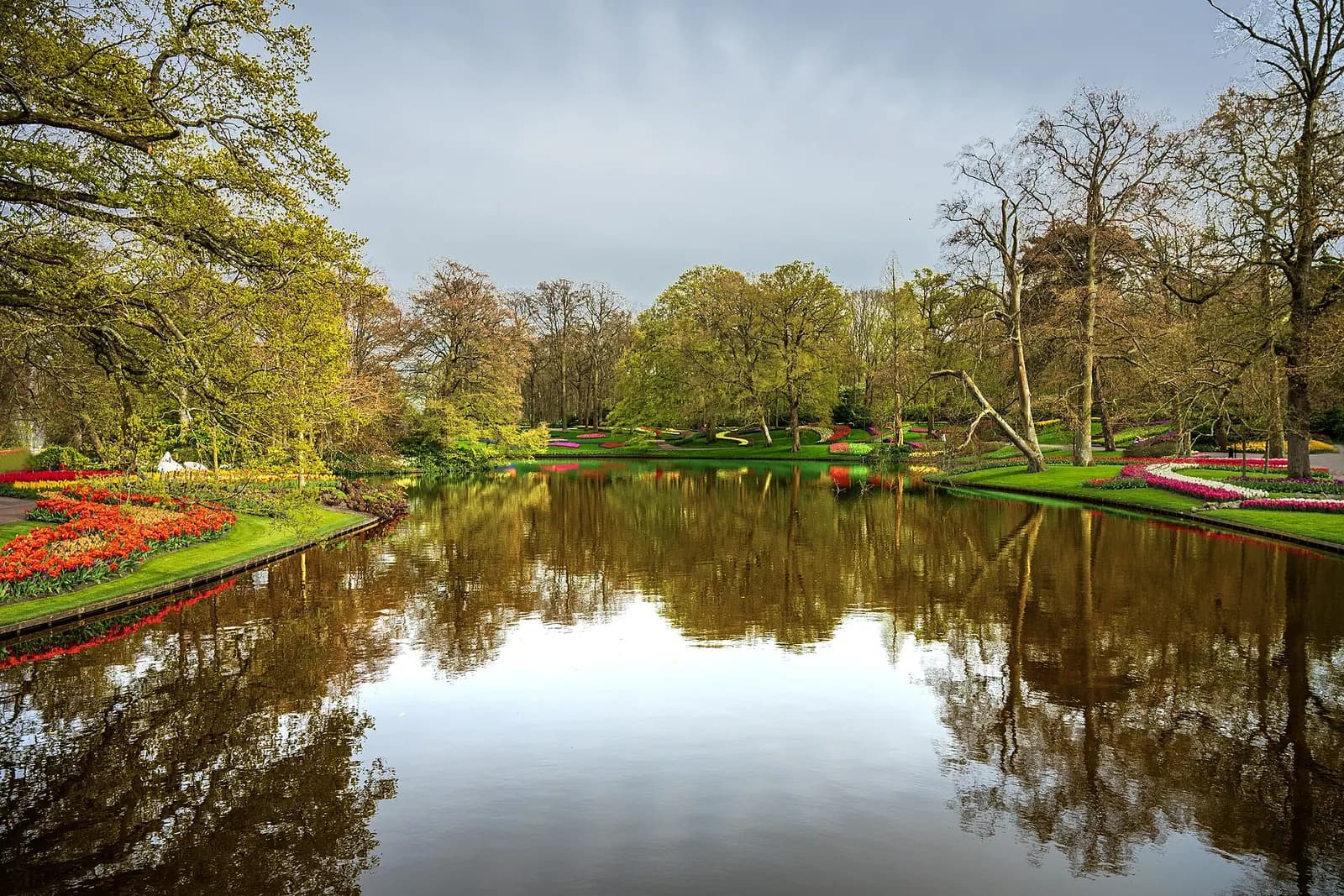
Tulip Season in the Netherlands
Lisse & Amsterdam, Netherlands
Mid March through mid May, with the fields at their boldest in mid-to-late April
Before you book.
Sort these two things first.
Sponsored links. We may earn a commission; it never changes a verdict.
- Visit Faye
Travel insurance.
FayeA missed connection, a bag that never turns up, a hospital abroad: far cheaper to cover before departure than to argue about after.
- Visit Saily
eSIM data.
SailySet up an eSIM before you fly so your phone has data the moment you land, without roaming charges.
Our top-rated travel gear
Whatever you decide, this is the gear we actually travel with: verified, priced, and ranked. Live price check on each.

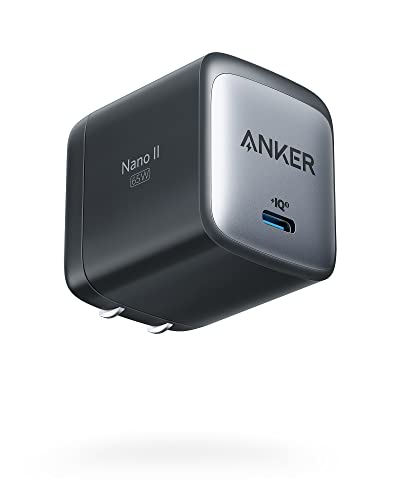
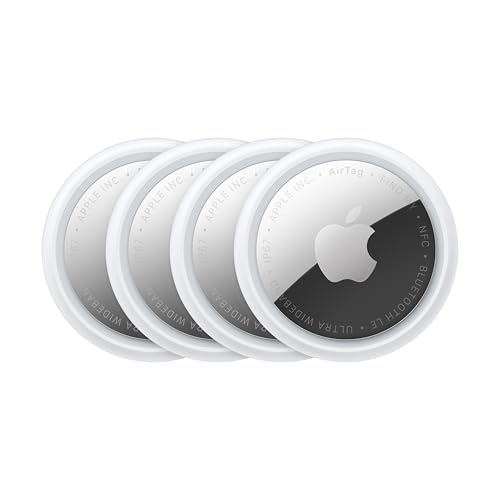



As an Amazon Associate we may earn from qualifying purchases, at no cost to you.