Washington, DC, United States
Cherry Blossoms in Washington, DC
Three thousand cherry trees, one unforgettable week, and a bloom date that refuses to be pinned down.
The straight answer
Washington's cherry blossoms typically hit peak bloom in late March or the first days of April, and the best viewing runs from a few days before peak through about a week after.
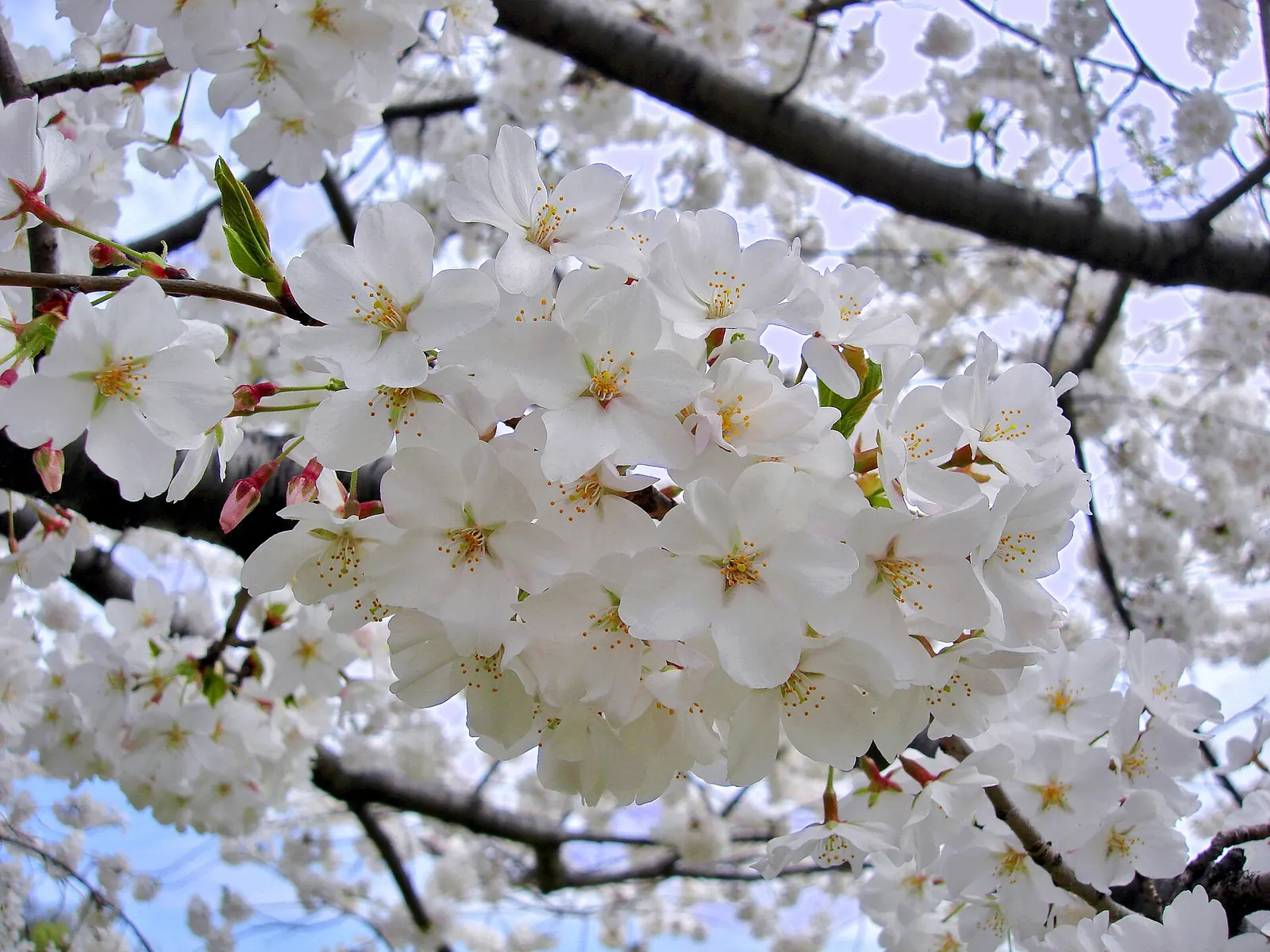
Every spring, roughly 3,000 cherry trees ring the Tidal Basin and turn official Washington into a pink-and-white cloud. Peak bloom, the day when 70 percent of the Yoshino blossoms are open, usually lands in late March or the first days of April, but it has arrived as early as mid March in warm years and as late as mid April in cold ones. That variability is the whole planning problem, and the reason this page exists.
The blossoms themselves are only half the story. The National Cherry Blossom Festival wraps weeks of events around the bloom, and the trees are a living monument: the originals were a gift from the mayor of Tokyo in 1912, and a handful of those century-old trees still stand. When the petals start to fall and drift across the water, locals will tell you the last few days are actually the best ones.
The catch is that everyone within driving distance knows all of this. Peak-bloom weekends at the Tidal Basin are among the most crowded moments anywhere in American tourism. Go at sunrise, go on a weekday, or know the backup spots, and the experience transforms.
The event, explained
The centerpiece is the ring of Yoshino cherry trees around the Tidal Basin, framing the Jefferson Memorial across the water. When they hit peak, the effect is genuinely worth the hype: a continuous canopy of pale blossoms reflected in the basin, with the monuments floating behind. Bloom watchers track five official bud stages, and the National Park Service publishes a peak bloom prediction each spring that the whole city argues about.
Around the trees, the National Cherry Blossom Festival runs for several weeks with a parade, a kite festival on the Washington Monument grounds, cultural performances, and fireworks. The festival dates are set months ahead; the trees did not sign that contract, so in any given year the blossoms can peak before, during, or after the biggest festival weekends.
The blossoms are fragile. From peak bloom you get roughly four to seven days of great viewing, less if a hard rain or wind storm strips the petals early. A cold snap can freeze buds outright, as happened in some recent springs. This is nature, not a theme park schedule, and the trip planning has to respect that.
How to play it right
- 01Book refundable lodging for a window centered on the last week of March, then watch the National Park Service bloom forecast starting in late February and shift if you can. If your dates are fixed, a trip in the March 25 to April 5 range gives you the best statistical odds.
- 02Go to the Tidal Basin at sunrise. This is the single highest-value move: soft light, calm water for reflections, and a fraction of the midday crowd. By 10am on a peak weekend the paths are shoulder to shoulder.
- 03Weekdays beat weekends by a wide margin. If you must go on a Saturday or Sunday at peak, arrive before 7am or come in the last hour before sunset.
- 04Skip driving entirely. Parking near the Tidal Basin is functionally nonexistent during bloom. Take Metro to Smithsonian or L'Enfant Plaza and walk, or bike in on Capital Bikeshare.
- 05Know the overflow spots: the cherry groves in East Potomac Park along Hains Point are extensive and far quieter, the National Arboretum blooms on a slightly later schedule, and Kenwood in Bethesda is a famous neighborhood canopy that peaks a bit after the Tidal Basin.
- 06Petal fall is underrated. The two or three days after peak, when petals snow into the water, are beautiful and noticeably calmer than peak weekend itself.
With kids in tow
- This is an easy, genuinely magical event with kids: it is free, outdoors, and stroller-friendly, though the Tidal Basin path gets tight at peak and a carrier beats a stroller on the busiest days.
- The Blossom Kite Festival on the Washington Monument grounds is the best kid-specific event of the festival, and the paddle boats on the Tidal Basin (book ahead in bloom season) turn the trees into an adventure rather than a walk.
- Build in a museum backup. The Smithsonian museums are free and minutes away, so a rainy or windy bloom day converts painlessly into a dinosaur or rocket day.
Book your stay for Cherry Blossoms in Washington, DC.
Sponsored links to Expedia and Vrbo. We may earn a commission; it never changes a verdict.
- Hotels for March
Hotels. Expedia
Hotels in Cherry Blossoms in Washington, DCOpens a hotel search for Cherry Blossoms in Washington, DC in March, dates filled in. Book early for the best months: the good rooms go first.
- Rentals on Vrbo
Vacation rentals. Vrbo
Vacation rentals in Cherry Blossoms in Washington, DCWhole homes, condos and villas. Usually the better deal for families and groups, with a kitchen and room to spread out.
- Tours and tickets
Tours and tickets. Expedia
Tours and tickets in Cherry Blossoms in Washington, DCTimed-entry tickets, day trips and guided tours in Cherry Blossoms in Washington, DC for March. Popular slots sell out in the best months.
Cherry Blossoms in Washington, DC, quick answers
When do the cherry blossoms bloom in Washington, DC?
Peak bloom usually falls in late March or the first days of April, but it varies by two weeks or more year to year. The National Park Service issues a forecast in late February or early March, and viewing is best from a few days before peak through about a week after.
How long do the blossoms last?
Roughly four to seven days of prime viewing after peak bloom, weather permitting. Rain and wind shorten it; cool, calm weather stretches it. The petal-fall days at the end are lovely and less crowded.
What time should I visit the Tidal Basin?
Sunrise, ideally on a weekday. The light is best, the water is calm, and the crowds are a tenth of midday. The last hour before sunset is the next-best window.
What if I miss peak bloom?
You have real options. The National Arboretum and Kenwood in Bethesda peak slightly later, East Potomac Park has later-blooming Kwanzan cherries, and the festival events run for weeks regardless of the trees.
Is the festival worth planning a whole trip around?
Yes, if you build in flexibility and treat DC itself as the trip. The free museums, monuments, and neighborhoods mean a blossom miss still leaves you with a first-rate city break.
Make a trip of it: Washington, DC
The best time to visit Washington, DC
Best: Apr to May and Sep to Oct
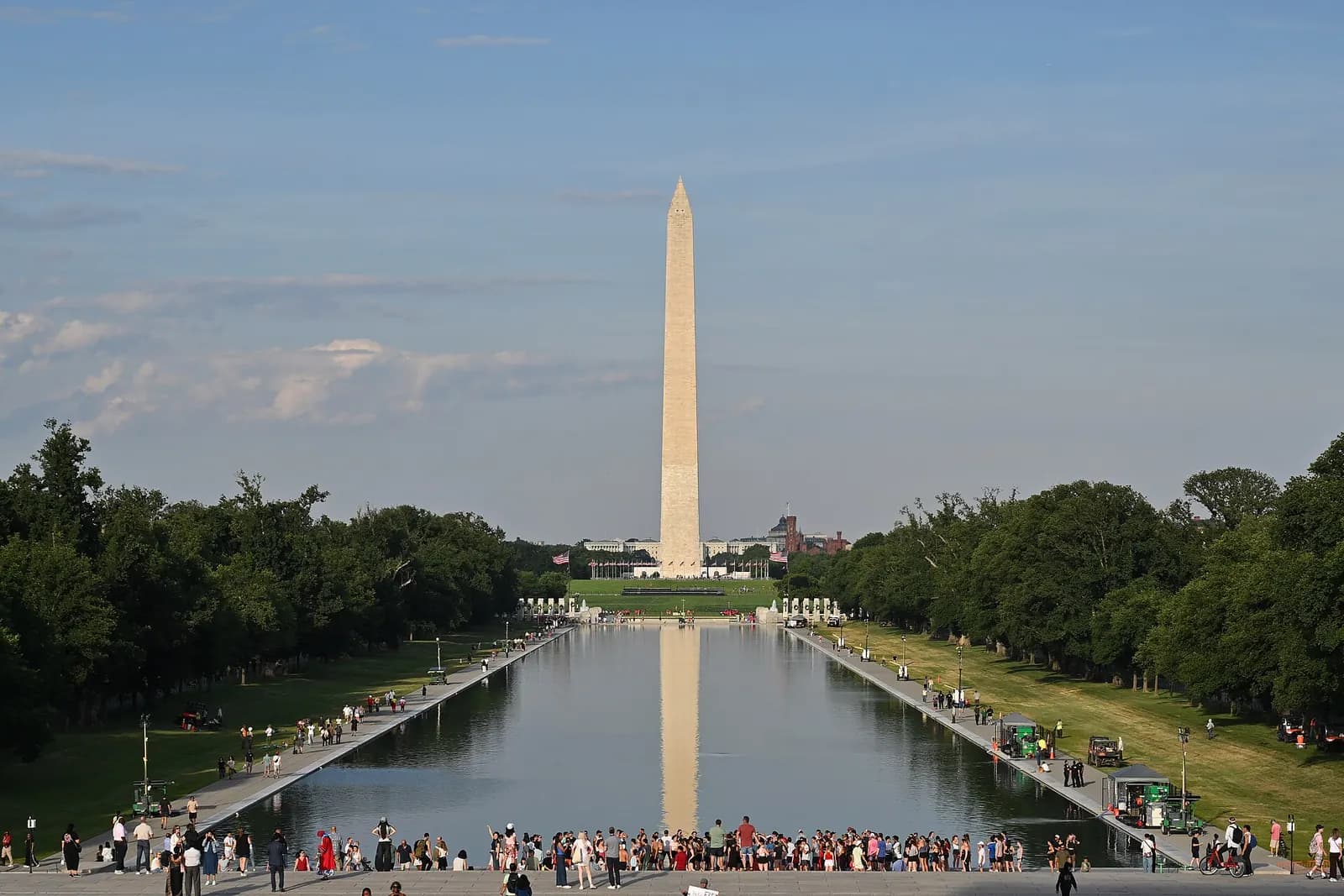
The best time to visit Washington, DC is late March through April for the cherry blossoms, or September through October for warm days, thin crowds, and the museums back to a normal rhythm.
Also in March
Humpback Whale Season in Maui
Maui, Hawaii
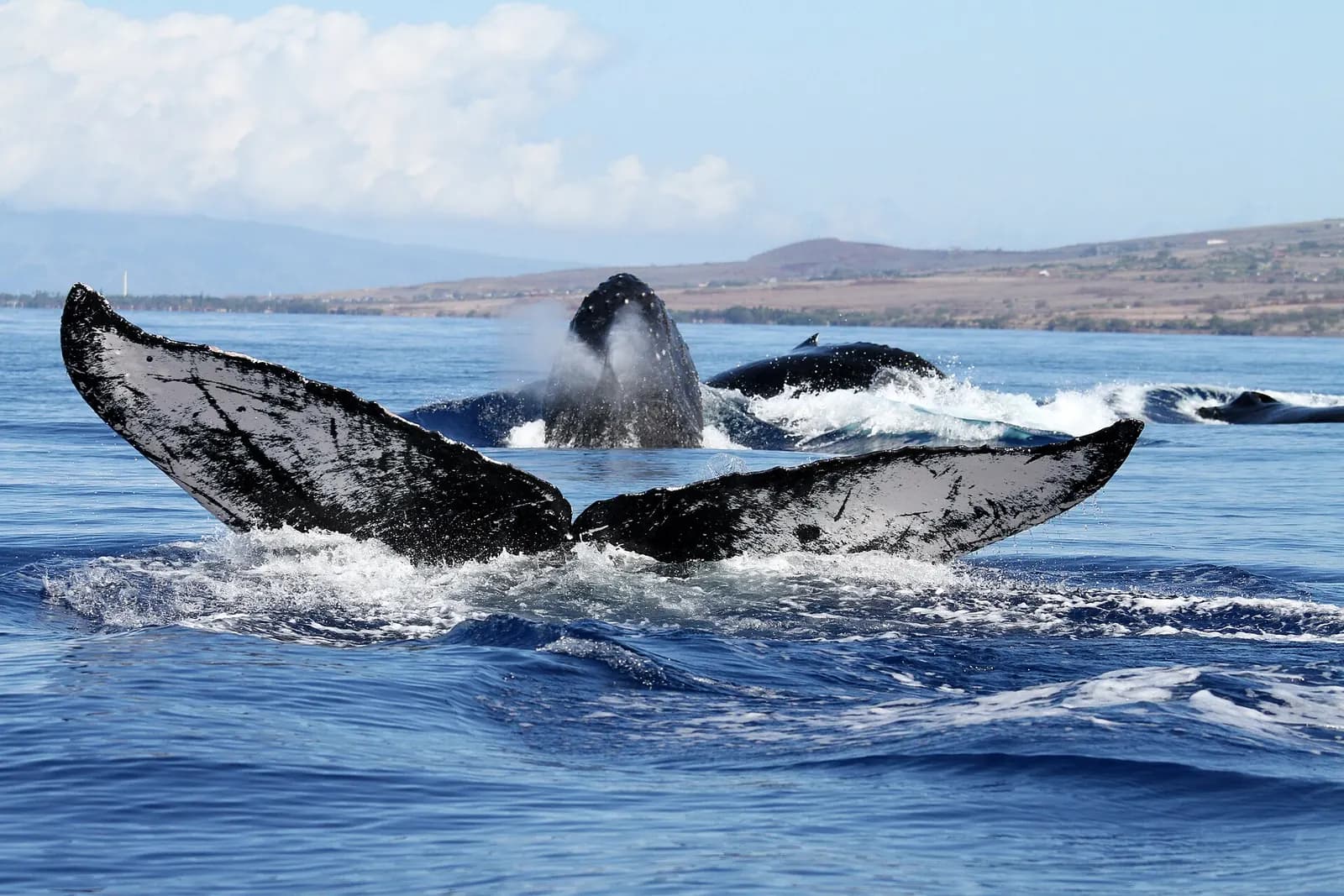
Roughly December to April, with the peak from January to March
Holi in India
India nationwide, best known in Mathura, Vrindavan & Jaipur
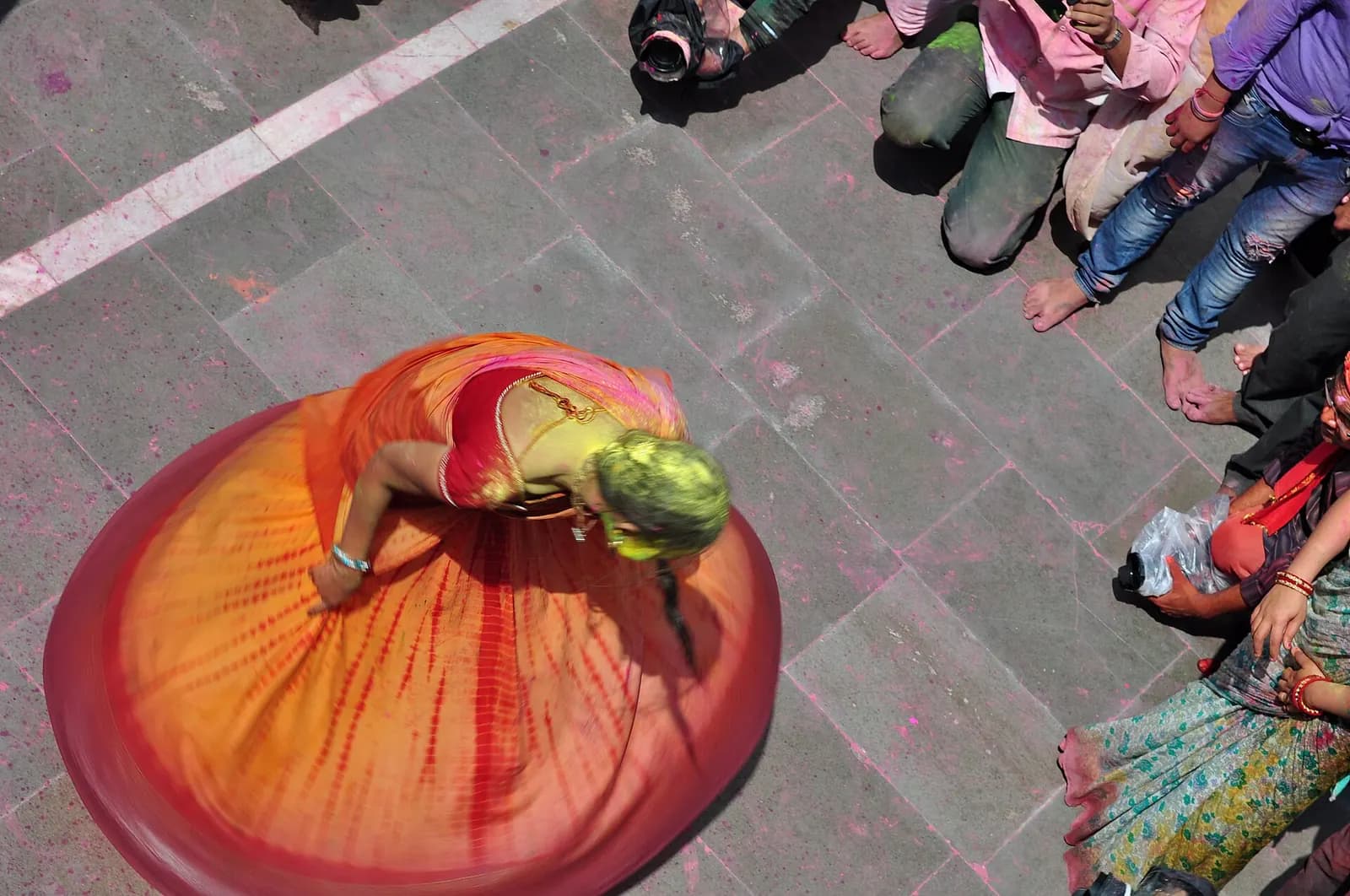
Late February or March, on the full moon of the Hindu month of Phalguna; the date moves with the lunar calendar

Carnival in Rio de Janeiro
Rio de Janeiro, Brazil
The week before Ash Wednesday, usually in February and sometimes early March; the dates move with Easter

Mardi Gras in New Orleans
New Orleans, Louisiana
Fat Tuesday falls in February or early March, moving with Easter; the parade season builds for weeks before, peaking in the final two weekends
Before you book.
Sort these two things first.
Sponsored links. We may earn a commission; it never changes a verdict.
- Visit Faye
Travel insurance.
FayeA missed connection, a bag that never turns up, a hospital abroad: far cheaper to cover before departure than to argue about after.
- Visit Saily
eSIM data.
SailySet up an eSIM before you fly so your phone has data the moment you land, without roaming charges.
Our top-rated travel gear
Whatever you decide, this is the gear we actually travel with: verified, priced, and ranked. Live price check on each.






As an Amazon Associate we may earn from qualifying purchases, at no cost to you.