Japan nationwide, sweeping south to north
Cherry Blossom Season in Japan
The sakura front rolls up the entire country, and the whole nation goes outside to meet it.
The straight answer
Japan's cherry blossoms sweep from south to north between late March and late April: Tokyo and Kyoto typically peak in late March to early April, while Hokkaido blooms in late April into early May.
Cherry blossom season in Japan is not one event but a moving front. The bloom starts in the warm south in late March, reaches Tokyo and Kyoto around late March to early April, and finishes in Hokkaido in late April into early May. Japanese forecasters track this sakura zensen, the cherry blossom front, the way American meteorologists track hurricanes, with daily maps and revised predictions all spring.
What makes the season extraordinary is that Japan participates in it. Hanami, blossom viewing, is a national ritual: blue tarps under the trees, office parties that claim picnic spots at dawn, food stalls, evening lantern light on the petals. You are not observing a natural phenomenon so much as joining a country-wide festival that happens to be scheduled by trees.
It is also the single most in-demand travel window Japan has. Flights and hotels in Tokyo and Kyoto price up months ahead, and the famous spots get genuinely packed. The two ways to win are to book early and stay flexible on the ground, or to deliberately chase the front to less famous places.
The event, explained
The dominant tree is the Somei Yoshino, a pale five-petal variety that blooms almost all at once and drops its petals within about a week, which is exactly why the season feels so charged. From first blossoms to full bloom takes roughly a week; full bloom holds about a week more, weather permitting, before the petals fall in drifts the Japanese call sakura fubuki, cherry blossom blizzard.
Every region has its landmark viewing: Ueno Park, the Meguro River, and Shinjuku Gyoen in Tokyo; the Philosopher's Path and Maruyama Park in Kyoto; the castle grounds at Himeji and Hirosaki; five-story pagodas framed by blossoms at Chureito. Evening illuminations, yozakura, turn many of these into a second, different spectacle after dark.
Because the front moves, the country effectively offers a month-long season to anyone willing to travel within it. Miss full bloom in Tokyo and you can ride the shinkansen north to Tohoku a week later and catch peak all over again.
How to play it right
- 01Book flights and hotels four to six months out for a late March to early April trip; Kyoto in particular sells through its best-value hotels far ahead. Pick refundable rates where you can.
- 02Do not build the whole trip around one city's forecast. The classic hedge is a Tokyo plus Kyoto itinerary in the first week of April, with a bail-north option (Kanazawa, Tohoku) if the bloom runs early, since northern towns peak later.
- 03Watch the Japan Meteorological Corporation forecast from February onward. First bloom to full bloom takes about a week, so an early forecast still leaves you time to shuffle in-country rail plans.
- 04For famous spots, go at dawn. The Philosopher's Path or Chidorigafuchi at 7am is a different planet from the same spot at noon. Evening illuminations are crowded but worth one night.
- 05Claim hanami picnic space in big parks by late morning on weekends, and bring a tarp or groundsheet like the locals do. Weekday hanami is dramatically calmer.
- 06If your dates are stuck in mid-to-late April, aim north from the start: Hirosaki Castle in Tohoku and Hokkaido's parks deliver peak bloom weeks after Tokyo, with thinner international crowds.
With kids in tow
- Hanami is one of the world's great family events: it is a picnic, at heart, and Japanese parks at bloom time are full of kids. Grab convenience-store bento boxes and blossom-themed snacks and you have the full experience for a few dollars.
- Trains, not tantrums: the shinkansen chase-the-bloom strategy is itself a highlight for kids, and seat reservations make it painless. Book reserved cars on peak-season weekends.
- Crowds at the famous sites are intense enough to lose a small child in. Pick one landmark spot per day, go early, and spend afternoons at neighborhood parks where the blossoms are identical and the crowds are local.
Book your stay for Cherry Blossom Season in Japan.
Sponsored links to Expedia and Vrbo. We may earn a commission; it never changes a verdict.
- Hotels for March
Hotels. Expedia
Hotels in Cherry Blossom Season in JapanOpens a hotel search for Cherry Blossom Season in Japan in March, dates filled in. Book early for the best months: the good rooms go first.
- Rentals on Vrbo
Vacation rentals. Vrbo
Vacation rentals in Cherry Blossom Season in JapanWhole homes, condos and villas. Usually the better deal for families and groups, with a kitchen and room to spread out.
- Tours and tickets
Tours and tickets. Expedia
Tours and tickets in Cherry Blossom Season in JapanTimed-entry tickets, day trips and guided tours in Cherry Blossom Season in Japan for March. Popular slots sell out in the best months.
Cherry Blossom Season in Japan, quick answers
When is cherry blossom season in Japan?
Late March through April as a rule, moving south to north. Tokyo and Kyoto typically hit full bloom in late March to early April; Hokkaido peaks in late April into early May. Exact dates shift year to year with the weather.
How long does full bloom last in one place?
About a week, sometimes less if rain or wind arrives. First blossoms to full bloom takes roughly another week before that, so any single city gives you about a two-week window of good viewing.
What if the bloom comes early or late for my trip?
Chase the front. If the bloom runs early, head north to Kanazawa, Tohoku, or Hokkaido, which peak later. If it runs late, the southern islands and early-blooming varieties fill the gap. Japan's rail network makes this a same-day adjustment.
How far ahead should I book?
Four to six months for flights and hotels in Tokyo and Kyoto, longer for the best-value ryokan. This is Japan's peak demand window alongside Golden Week, which follows immediately in late April and early May.
Is it too crowded to enjoy?
The famous spots at midday, yes, nearly. But the season is everywhere: thousands of parks, rivers, temple gardens, and neighborhood streets bloom at once, and a five-minute walk from any landmark usually finds you a quiet tree.
Make a trip of it: Tokyo
The best time to visit Tokyo
Best: Mar to Apr and Oct to Nov
The best time to visit Tokyo is late March through April for cherry blossoms or October through November for clear skies and fall color, while avoiding the Golden Week holiday crush in late April to early May.
Also in March
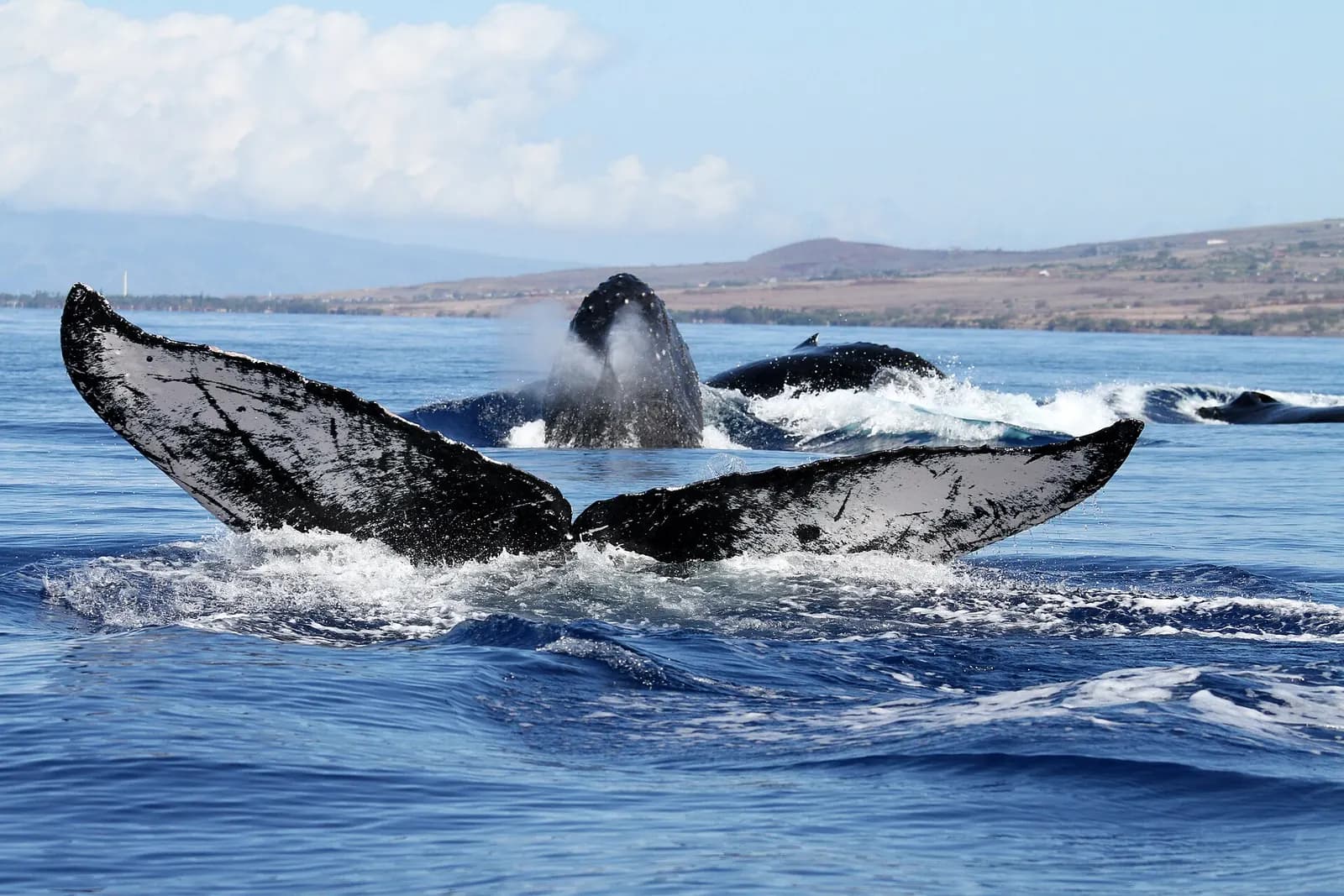
Humpback Whale Season in Maui
Maui, Hawaii
Roughly December to April, with the peak from January to March
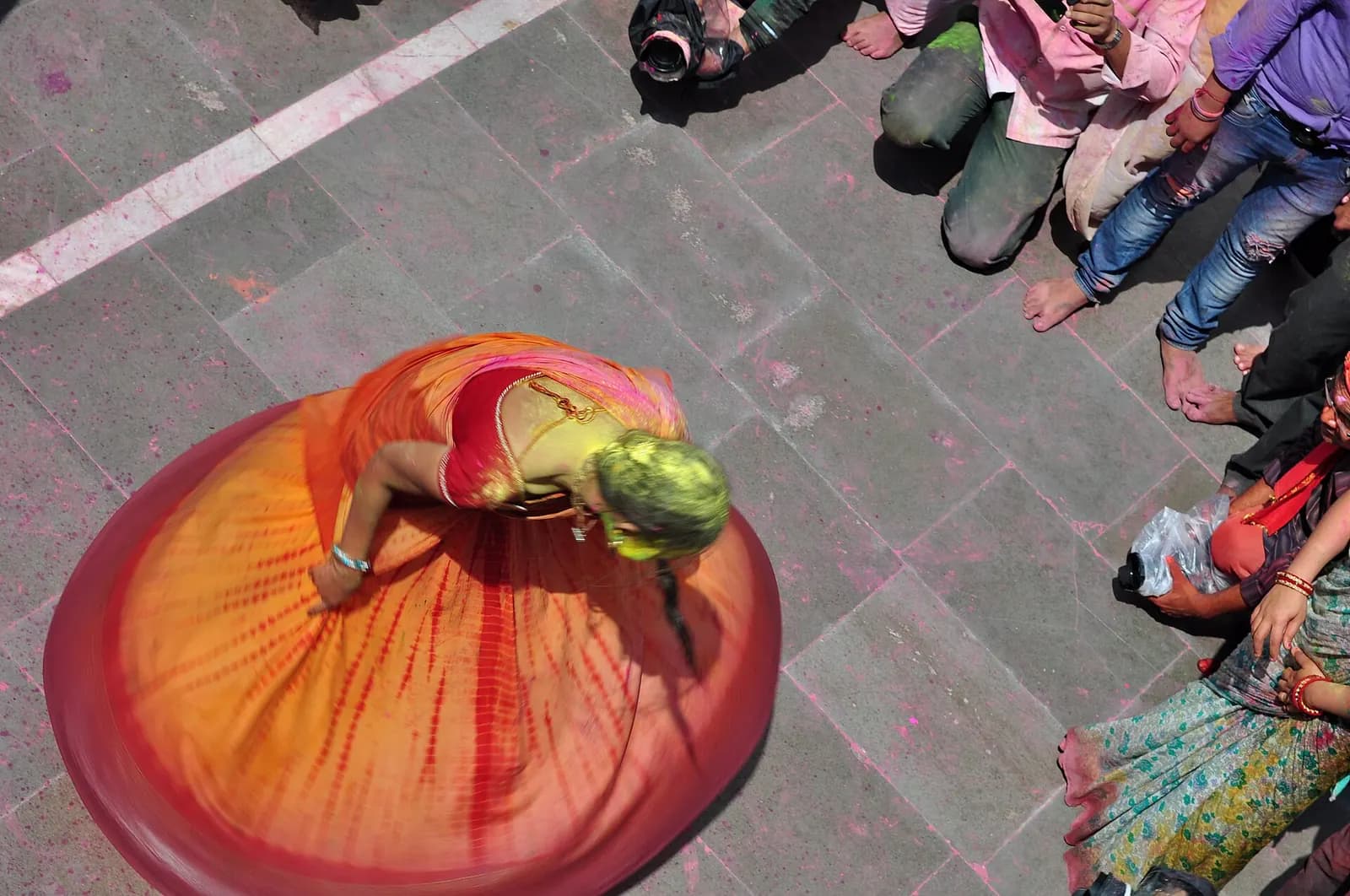
Holi in India
India nationwide, best known in Mathura, Vrindavan & Jaipur
Late February or March, on the full moon of the Hindu month of Phalguna; the date moves with the lunar calendar
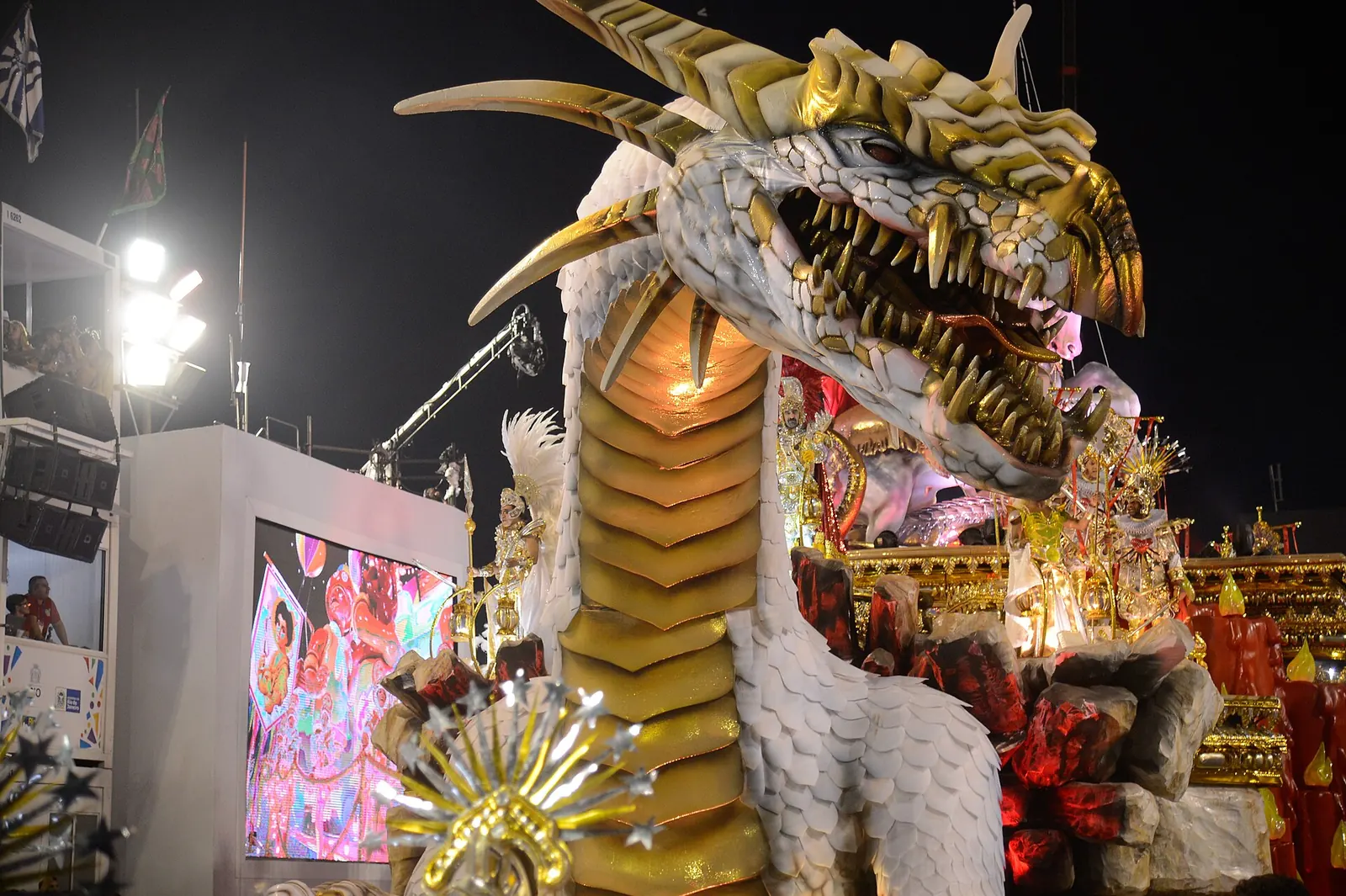
Carnival in Rio de Janeiro
Rio de Janeiro, Brazil
The week before Ash Wednesday, usually in February and sometimes early March; the dates move with Easter

Mardi Gras in New Orleans
New Orleans, Louisiana
Fat Tuesday falls in February or early March, moving with Easter; the parade season builds for weeks before, peaking in the final two weekends
Before you book.
Sort these two things first.
Sponsored links. We may earn a commission; it never changes a verdict.
- Visit Faye
Travel insurance.
FayeA missed connection, a bag that never turns up, a hospital abroad: far cheaper to cover before departure than to argue about after.
- Visit Saily
eSIM data.
SailySet up an eSIM before you fly so your phone has data the moment you land, without roaming charges.
Our top-rated travel gear
Whatever you decide, this is the gear we actually travel with: verified, priced, and ranked. Live price check on each.






As an Amazon Associate we may earn from qualifying purchases, at no cost to you.