Asia
The best time to visit Singapore
One degree north of the equator, Singapore has no seasons to chase, only rain patterns, festivals, and hotel-price waves to time.
- Best months
- Feb to Apr
- Think twice
- Nov
- Quietest
- November
- Cheapest
- November
The straight answer
The best time to visit Singapore is February through April, the driest stretch of its year-round tropical climate, though the city works in any month if you plan around afternoon storms.
Singapore is the easiest timing question in Asia: it is hot, humid, and green every single day of the year, with highs near 88F (31C) whether you come in January or July. There is no off season to dodge. The mild edge goes to February through April, the driest stretch after the northeast monsoon eases, and that is the window to pick if you are choosing freely.
What varies instead is rain rhythm and price. The northeast monsoon, roughly November through January, brings the year's heaviest and most frequent downpours, sometimes lasting hours. The rest of the year runs on the classic equatorial pattern: a hot bright morning, a thunderous afternoon burst, a washed-clean evening. Some years, haze from regional agricultural fires drifts in between roughly August and October, varying from unnoticeable to genuinely unpleasant.
The other thing worth timing is the calendar of festivals. Chinese New Year transforms Chinatown in late January or February, Deepavali lights up Little India in the fall, and the Formula 1 night race takes over the Marina Bay streets each September, spiking hotel rates citywide. Singapore rewards travelers who check what the city is celebrating the week they land.
Singapore, month by month
Every month gets a verdict. Tap one for its own page: weather, crowds, prices and what is on.
- 01JanuaryGoodHot and wet, highs near 86F (30C), monsoon downpoursThe northeast monsoon still delivers real rain, but Chinese New Year festivities (late January some years) fill Chinatown with lanterns and lion dances.Hotels for January →CrowdsPrice
- 02FebruaryBestHot, drier, highs near 88F (31C)The monsoon fades and the year's driest stretch begins. Chinese New Year falls here many years: festive, busy in pockets, and some family businesses close for a couple of days.Hotels for February →CrowdsPrice
- 03MarchBestHot and relatively dry, highs near 89F (32C)Prime Singapore: the best odds of full days without rain. Book outdoor plans (Gardens, Sentosa, the zoo) with confidence.Hotels for March →CrowdsPrice
- 04AprilBestHot, humid, highs near 89F (32C), afternoon storms returnStill one of the better months as inter-monsoon storms pick up late in the day. Mornings are your friend all year here.Hotels for April →CrowdsPrice
- 05MayGoodHot and sticky, highs near 89F (32C), afternoon thunderstormsStandard equatorial rhythm. Vesak Day (a public holiday on a shifting lunar date, May most years) brings temple celebrations.Hotels for May →CrowdsPrice
- 06JuneGoodHot, highs near 88F (31C), brief heavy showersRegional school holidays lift family crowds at Sentosa and the attractions. The Great Singapore Sale season historically runs through the summer.Hotels for June →CrowdsPrice
- 07JulyGoodHot, highs near 88F (31C), the drier southwest patternA perfectly good month. Food festival energy is high, and indoor-outdoor pacing keeps the heat manageable.Hotels for July →CrowdsPrice
- 08AugustGoodHot, highs near 88F (31C), occasional regional hazeNational Day (August 9) brings parades, flyovers, and fireworks over Marina Bay. Haze risk varies year to year.Hotels for August →CrowdsPrice
- 09SeptemberTradeoffsHot, highs near 88F (31C), haze possibleThe Formula 1 night race takes over Marina Bay for a weekend and hotel prices spike citywide. Electric if you are here for it, expensive if you are not.CrowdsPrice
- 10OctoberGoodHot with building storms, highs near 88F (31C)Inter-monsoon thunderstorms grow, and Deepavali (October or November, date shifts) turns Little India into a festival of lights.Hotels for October →CrowdsPrice
- 11NovemberTradeoffsThe wet season begins in earnest, highs near 87F (31C)The northeast monsoon's heavy rains arrive. Fine for a museum, hawker, and mall trip; frustrating for outdoor-heavy plans.CrowdsPrice
- 12DecemberTradeoffsThe wettest month, highs near 86F (30C)Peak rain meets peak festivity: Orchard Road's Christmas lights, holiday crowds, and higher rates. Pack for downpours and enjoy the indoors, which Singapore does better than anyone.CrowdsPrice
Book Singapore for February.
Sponsored links to Expedia and Vrbo. We may earn a commission; it never changes a verdict.
- Hotels for February
Hotels. Expedia
Hotels in SingaporeOpens a hotel search for Singapore in February, dates filled in. Book early for the best months: the good rooms go first.
- Rentals on Vrbo
Vacation rentals. Vrbo
Vacation rentals in SingaporeWhole homes, condos and villas. Usually the better deal for families and groups, with a kitchen and room to spread out.
- Tours and tickets
Tours and tickets. Expedia
Tours and tickets in SingaporeTimed-entry tickets, day trips and guided tours in Singapore for February. Popular slots sell out in the best months.
Why go to Singapore
The world's best eating city per square mile
Hawker centers serve Michelin-recognized food for a few dollars: Hainanese chicken rice, laksa, chili crab, satay. Eating across Singapore's Chinese, Malay, and Indian traditions is the main event.
A garden that happens to be a city
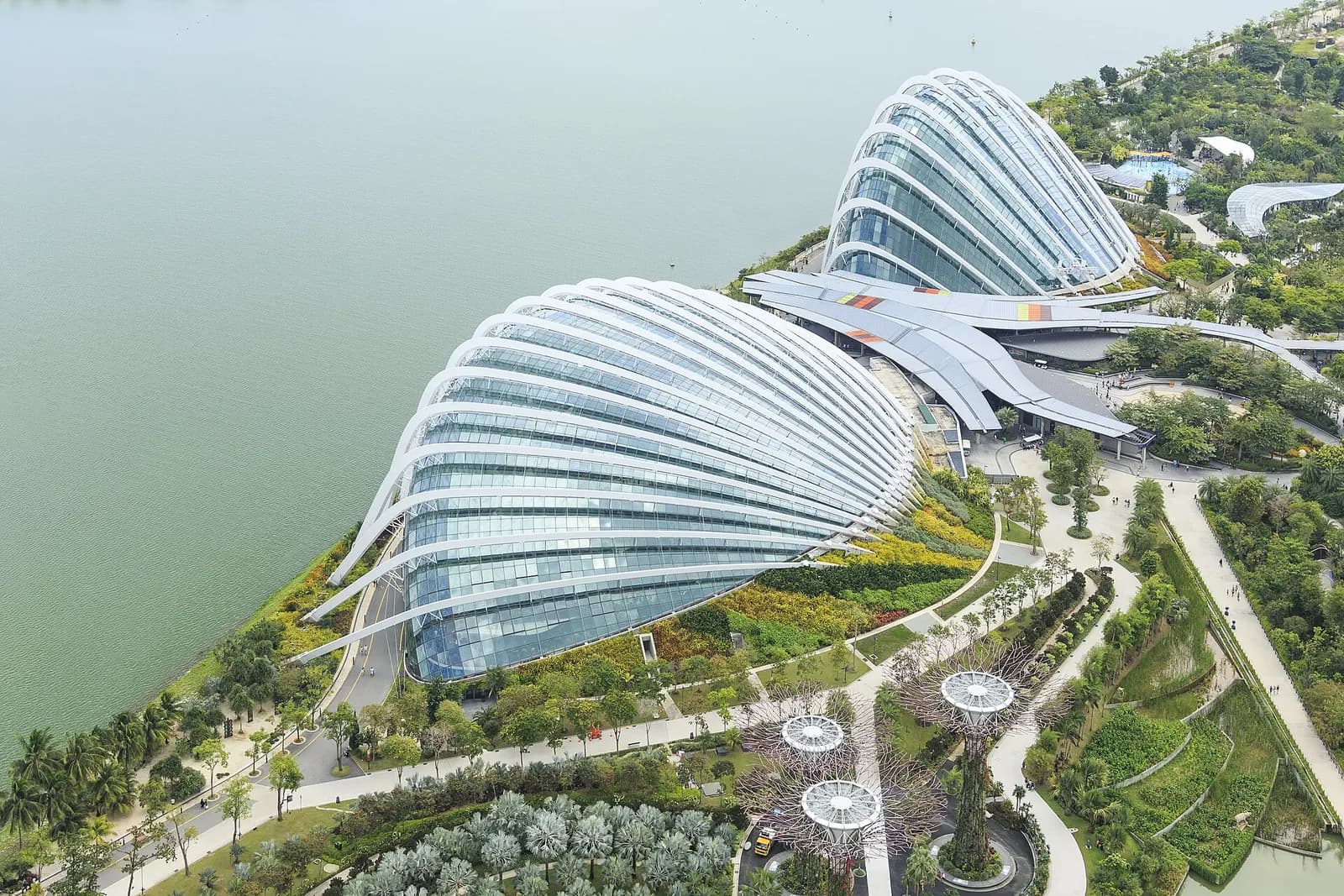
Gardens by the Bay's Supertrees, the Botanic Gardens' UNESCO-listed grounds, and jungle trails at MacRitchie: Singapore built nature into the skyline on purpose.
Effortless travel in every direction
Spotless transit, English everywhere, tap-to-pay everything, and Changi, routinely rated the world's best airport. It is the softest possible landing in Southeast Asia.
Three cultures in one small map
Chinatown, Kampong Glam, and Little India sit minutes apart, each with its own temples, mosques, food, and festivals. Few places pack this much cultural range into a walkable city.
Things to do, and when to do them
Gardens by the Bay
The Supertree Grove light show runs nightly and is free; the Cloud Forest and Flower Dome conservatories are air-conditioned mid-day salvation.
A hawker center crawl
Maxwell, Lau Pa Sat, Old Airport Road, Tiong Bahru: pick two per day, follow the longest local line, and share tables like everyone else.
Marina Bay Sands SkyPark and the bay loop
The skyline walk around Marina Bay at dusk, capped with the light-and-water show, is the city's signature evening.
Singapore Zoo and Night Safari
Consistently ranked among the world's best zoos; the Night Safari is a genuinely different experience worth the second admission.
Chinatown, Kampong Glam, and Little India
Temple-hop the Buddha Tooth Relic Temple, Sultan Mosque, and Sri Veeramakaliamman in one day; each district peaks during its own festival season.
Sentosa Island
Universal Studios, beaches, and the SkyHelix. Weekday mornings beat weekend crowds; regional school holidays fill it fast.
The Botanic Gardens at dawn
UNESCO-listed, free, and coolest at opening. The National Orchid Garden is the paid, worthwhile centerpiece.
Jewel Changi
The airport's indoor waterfall and forest valley justify arriving hours early for any flight, and locals visit with no flight at all.
Events and seasons worth planning around
Chinese New Year
Late January or February, date follows the lunar calendar
Chinatown's lantern displays, the Chingay parade, and family feasting. Some small businesses close for a day or two; the city glows.
Formula 1 Singapore Grand Prix
A September weekend
The original F1 night race, run on the Marina Bay street circuit. Hotel rates spike citywide and downtown roads close for setup.
National Day
August 9 every year
Military flyovers, a massive parade, and fireworks over Marina Bay. Viewing spots along the bay fill early.
Deepavali
October or November, date follows the Hindu calendar
Little India strings up spectacular light displays for weeks around the festival. The bazaars are the best browsing of the year.
Christmas on Orchard Road
Mid November through December
One of Asia's great holiday light displays runs the length of the shopping district, rain or shine.
Beat the crowds
- Structure every day around the equatorial clock: outdoor sights at morning opening, air-conditioned museums and malls through the afternoon storm window, and the bayfront after dark.
- Visit Gardens by the Bay's conservatories at opening or after 6pm; midday brings both the tour groups and the heat.
- Check the F1 race weekend in September before booking; hotel prices citywide can double for those dates.
- Sentosa and the zoo are weekday-morning plays; Singapore's own families fill them on weekends and during June and December school holidays.
- Hawker legends sell out: for the famous stalls, arrive before noon or accept the line as part of the experience.
Open or closed
- Chinese New Year (late January or February) closes some family-run shops and hawker stalls for one to three days, especially in Chinatown; malls, attractions, and most restaurants carry on.
- There is no seasonal closure anywhere: every attraction runs 365 days a year, which is exactly the point of Singapore. Public holidays bring crowds, not shutters.
- The F1 weekend in September closes downtown roads around Marina Bay for the street circuit; getting around the affected zone takes longer for several days.
- Afternoon thunderstorms briefly close outdoor cable cars, the Sentosa beaches' water activities, and open-air decks; everything reopens once lightning passes, usually within the hour.
- During Ramadan (dates shift yearly on the Islamic calendar), Kampong Glam's food scene inverts: quieter by day, and the evening bazaars around Sultan Mosque are among the best eating in the city.
With kids in tow
- Singapore may be the easiest city in Asia with kids: safe, spotless, stroller-friendly transit, drinkable tap water, and an attraction bench (zoo, aquarium, Universal Studios, science centre) built for families.
- The heat is the only real adversary: plan outdoor sights before 11am, schedule the daily thunderstorm around a museum or mall, and keep a pool afternoon in reserve.
- Food negotiation is painless: every hawker center has chicken rice, noodles, fresh juice, and ice kacang for dessert-motivated compliance.
- For homeschool families: the city is a compact lesson in trade, urban planning, and multicultural society, and February to April school-term weekdays keep the museums and gardens calm.
Getting there
- Changi (SIN) is the gateway and a destination in itself. Singapore Airlines flies nonstop from San Francisco, Los Angeles, and the New York area, among the longest flights in the world at 15 to 19 hours.
- From Texas, there is no nonstop: connect through San Francisco or Los Angeles, or eastbound through Tokyo, Taipei, or Doha. Either way, plan on roughly 24 hours door to door.
- Arrival is the easy part: the MRT and taxis reach downtown in 20 to 30 minutes, and English signage makes Changi the gentlest major-airport arrival in Asia.
Packing? Packing cubes and the airport kit.
Singapore timing, quick answers
What is the best month to visit Singapore?
February through April is the driest stretch of the year, with March the safest single pick. But Singapore's climate is so consistent that festivals and hotel prices are better reasons to choose dates than weather.
Is there a rainy season in Singapore?
Yes, relatively: the northeast monsoon from roughly November through January brings the heaviest, longest rain, with December usually the wettest month. The rest of the year runs on brief afternoon thunderstorms that rarely wreck a well-paced day.
How many days do I need in Singapore?
Three full days covers the headline sights and serious eating; four or five adds Sentosa, the Night Safari, and neighborhood time. It also pairs perfectly as a two-to-four-day stop en route to Bali, Thailand, or Australia.
What is the haze season?
In some years, smoke from regional agricultural fires drifts over the city between roughly August and October. Severity varies enormously year to year, from invisible to air-quality alerts. Check current conditions if traveling with respiratory concerns.
Is Singapore expensive?
Hotels and alcohol are among Asia's priciest, but food is the great equalizer: world-class hawker meals cost a few dollars, transit is cheap, and many highlights (Gardens by the Bay's outdoor grove, the Botanic Gardens, the light shows) are free.
Weighing alternatives
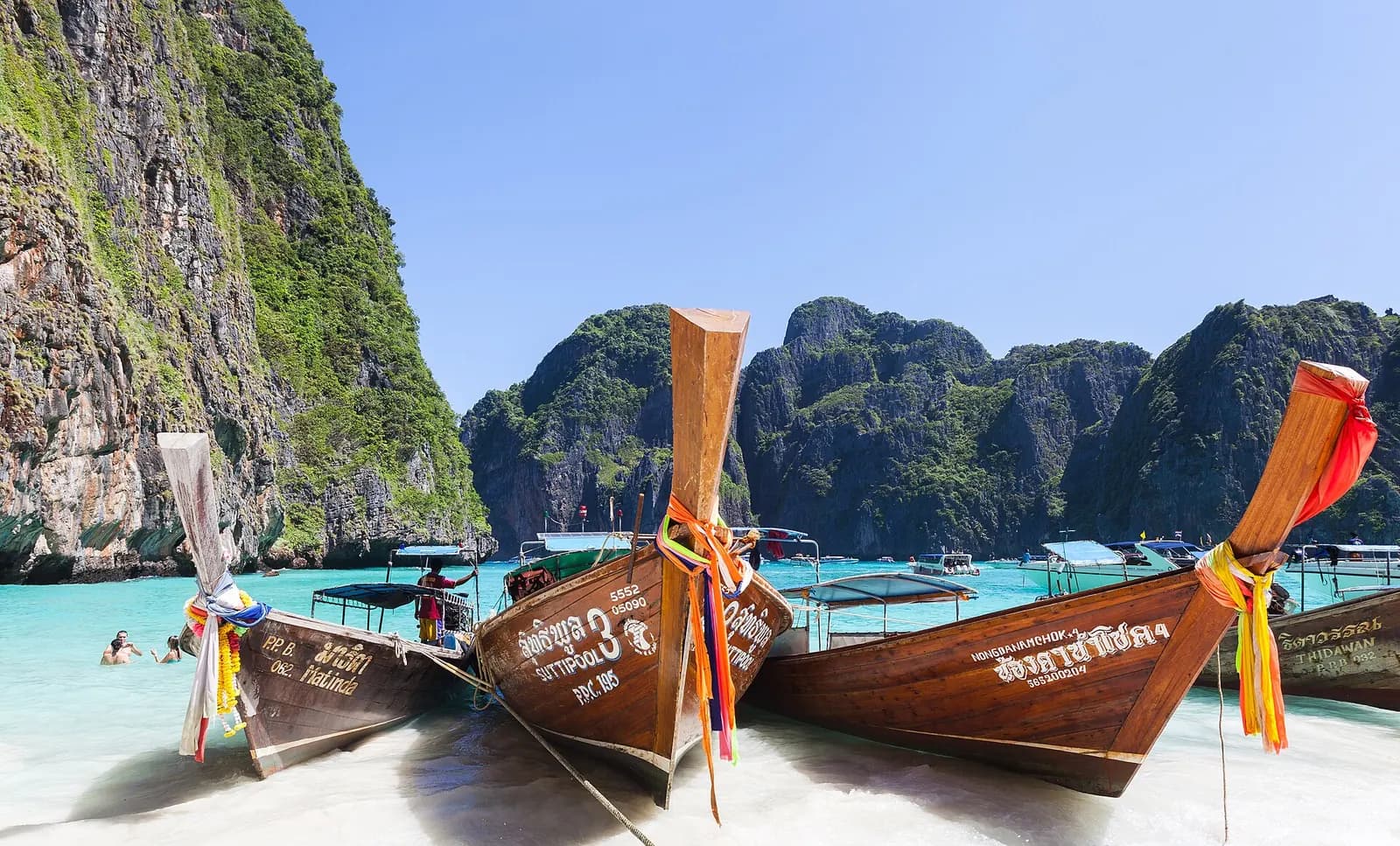
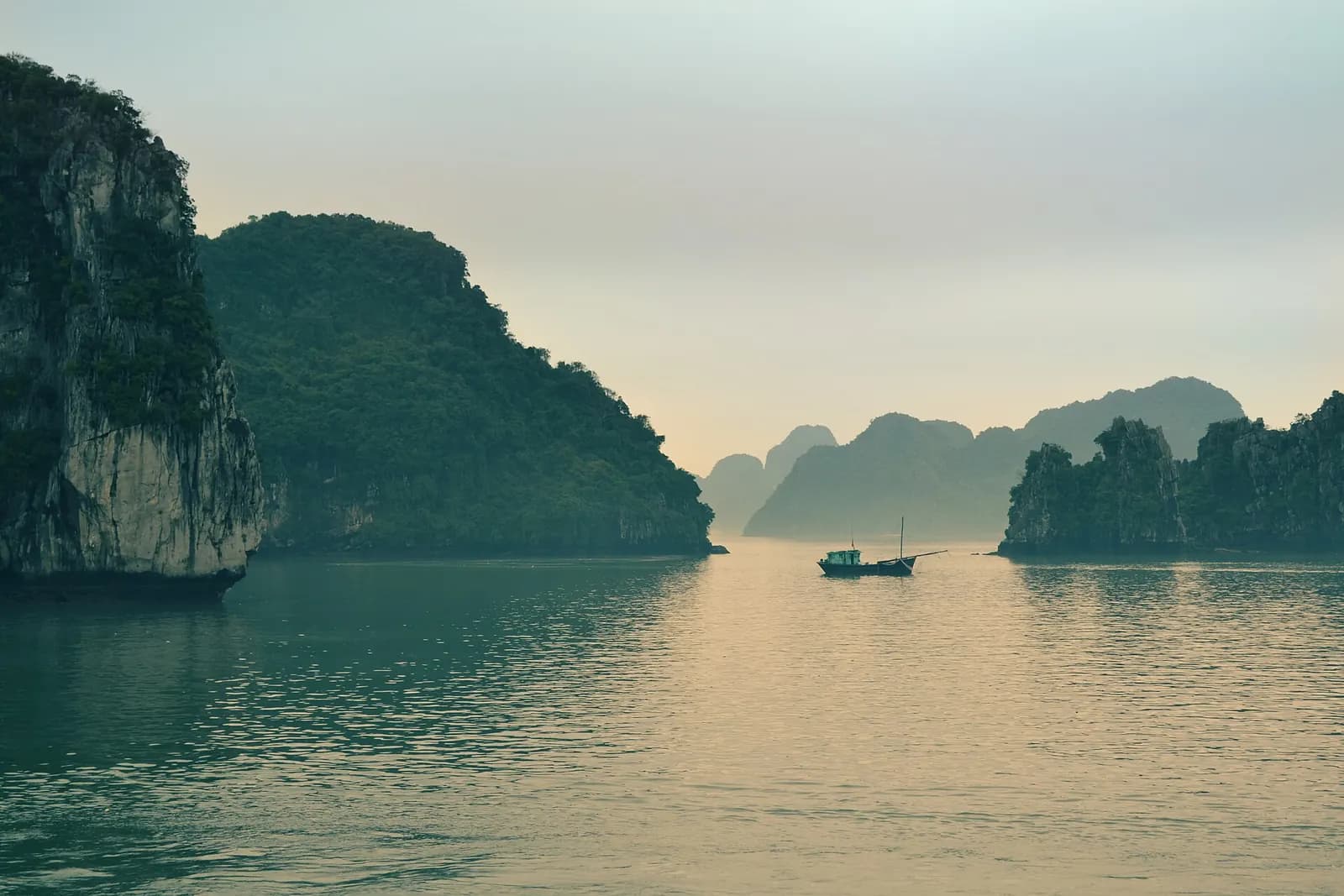
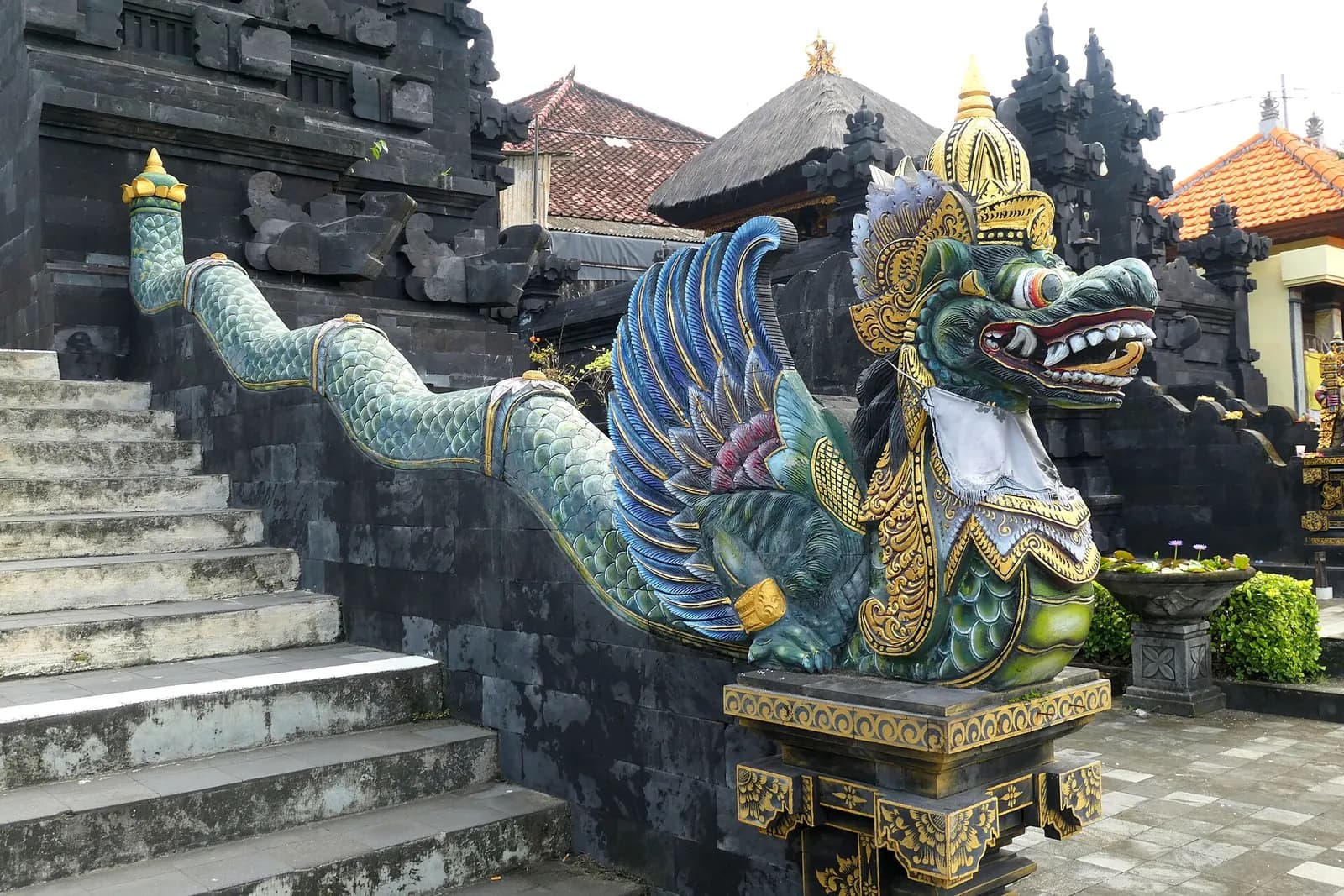
Similar trips, with their best months.
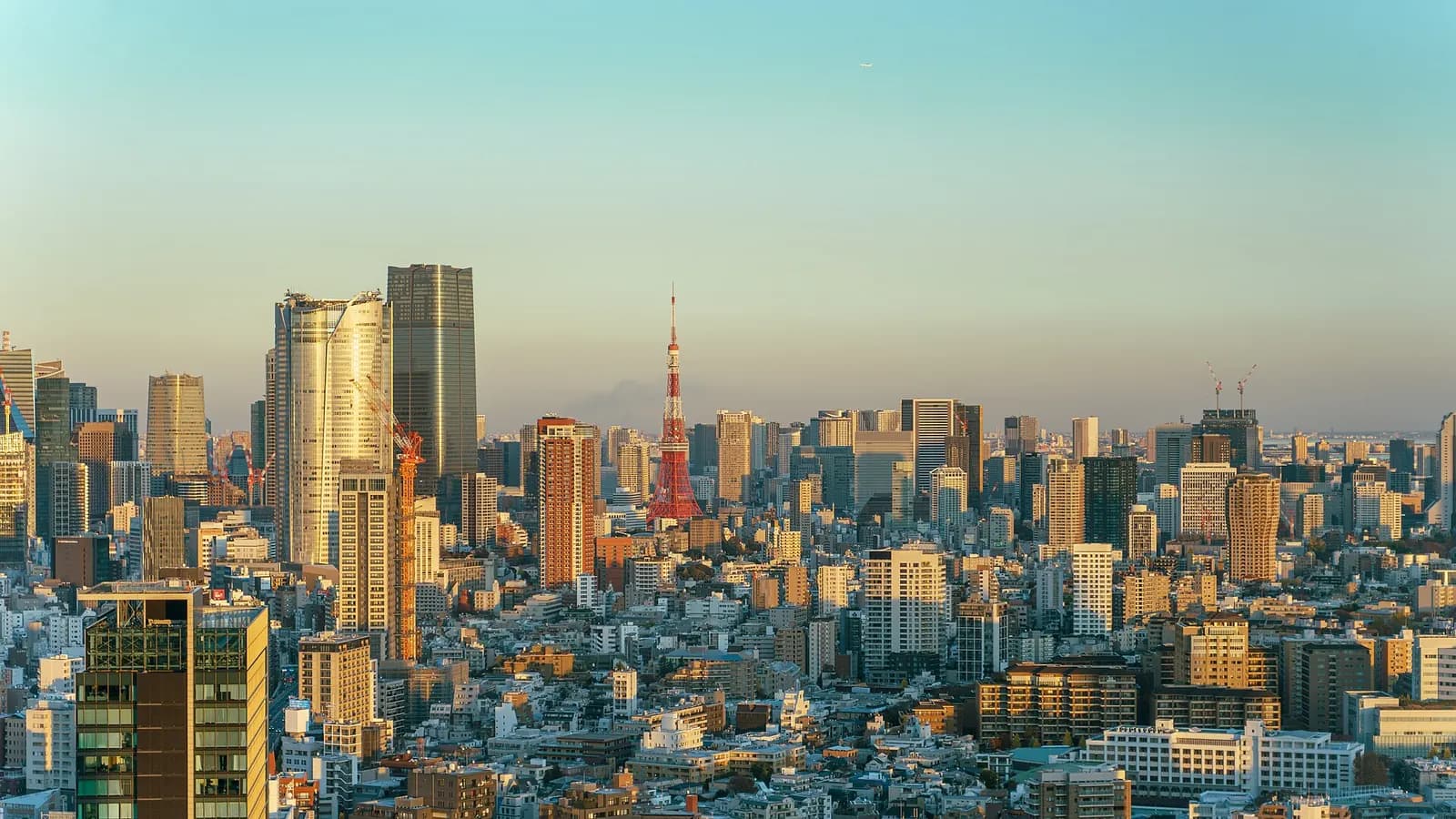
Before you book.
Sort these two things first.
Sponsored links. We may earn a commission; it never changes a verdict.
- Visit Faye
Travel insurance.
FayeA missed connection, a bag that never turns up, a hospital abroad: far cheaper to cover before departure than to argue about after.
- Visit Saily
eSIM data.
SailySet up an eSIM before you fly so your phone has data the moment you land, without roaming charges.
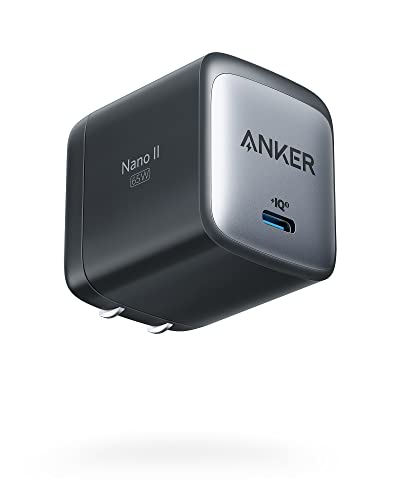
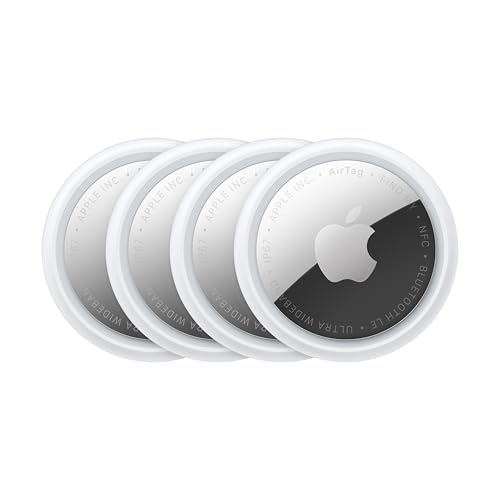
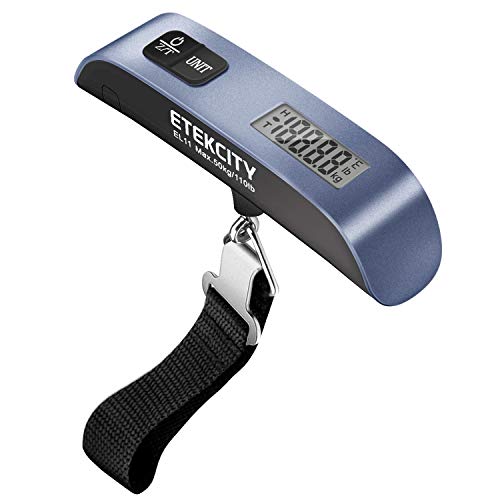
Our top-rated travel gear
Whatever you decide, this is the gear we actually travel with: verified, priced, and ranked. Live price check on each.



As an Amazon Associate we may earn from qualifying purchases, at no cost to you.