Indonesia, Asia
The best time to visit Bali
The Island of the Gods has a dry season, a wet season, and one day a year when everything, even the airport, goes silent.
- Best months
- May to Jun and Sep
- Think twice
- Jan
- Quietest
- January
- Cheapest
- January
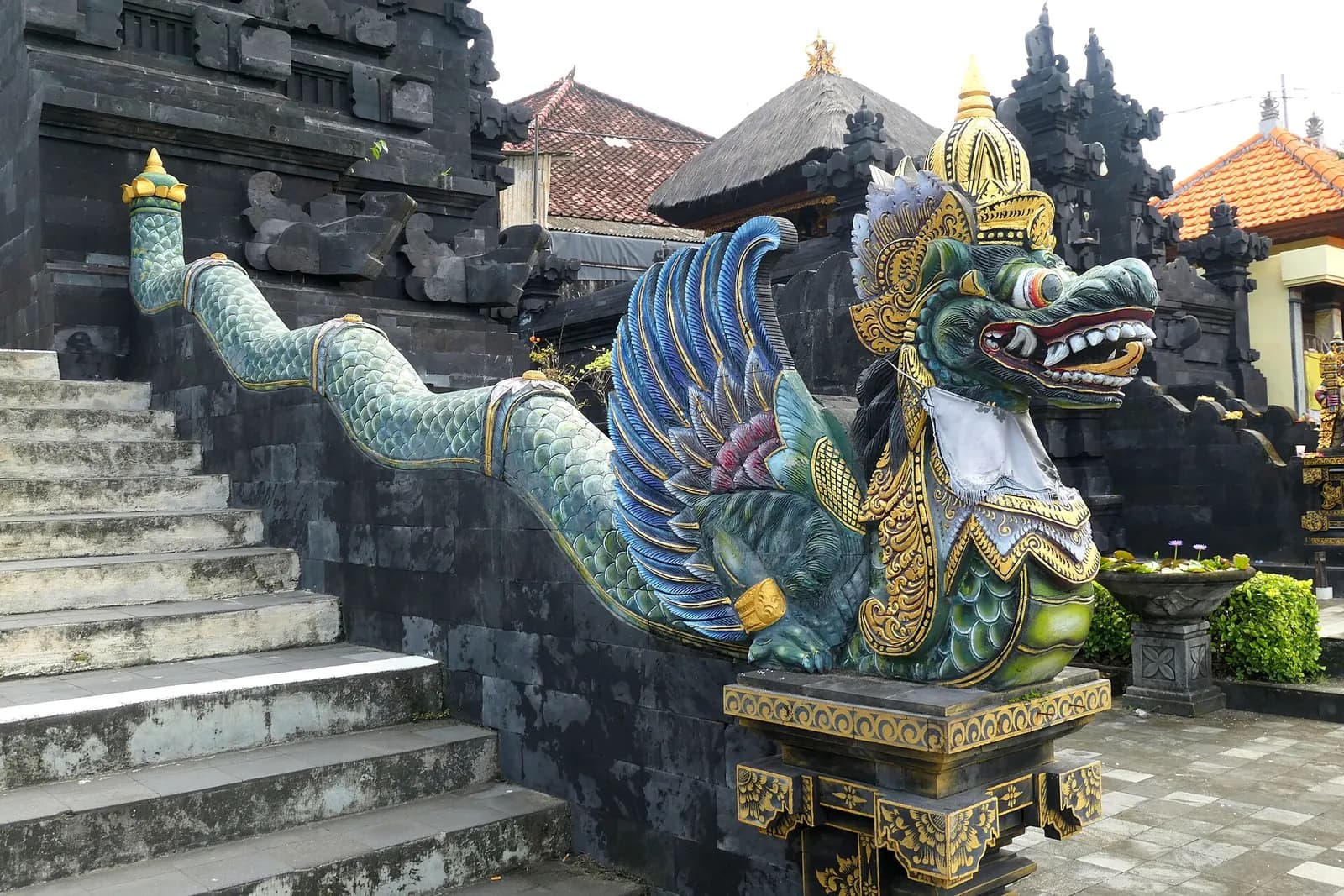
The straight answer
The best time to visit Bali is May, June, and September: dry-season weather without the July and August peak crowds, and prices a clear notch below the high-season spike.
Aim for May, June, or September. Bali's dry season runs roughly April through October, and those three months give you the same sunshine as the July and August peak with noticeably fewer people and softer prices. September in particular is a quiet gem: the Australian and European school-holiday waves have receded and the ocean is still glassy on the west coast.
The wet season, roughly November through March, is not the washout people imagine. Rain usually falls in loud afternoon bursts between sunny stretches, the island turns intensely green, and prices drop. The real tradeoffs are humidity, murkier diving, and beaches collecting seasonal trash on certain coasts. January and February are the wettest core, and the one wet-season spike is the Christmas to New Year holiday rush, when prices jump back to peak.
One date deserves special respect: Nyepi, the Balinese Day of Silence, usually falling in March, with the date shifting each year on the Saka calendar. For 24 hours the entire island stops. No traffic, no lights, no leaving your hotel, and the airport closes completely. It is either a profound cultural experience or a planning ambush, depending entirely on whether you knew it was coming.
Bali, month by month
Every month gets a verdict. Tap one for its own page: weather, crowds, prices and what is on.
- 01JanuaryThink twiceHot and humid, highs near 88F (31C), heavy afternoon rainThe wettest heart of the rainy season once the New Year crowds leave. Green and cheap, but expect daily downpours and seasonal debris on west-coast beaches.CrowdsPrice
- 02FebruaryTradeoffsHot and humid, highs near 88F (31C), frequent downpoursStill deep wet season. Great for spa-and-villa trips and surf on the east coast, less great for beach days and diving visibility.CrowdsPrice
- 03MarchTradeoffsHumid, highs near 89F (32C), rain beginning to easeTransition month, and usually the month of Nyepi, when the whole island including the airport shuts for 24 hours. Plan around it, or plan to experience it.CrowdsPrice
- 04AprilGoodDrier and bright, highs near 89F (32C)The dry season settles in. A lovely shoulder window before the mid-year crowds, with the island freshly green from the rains.Hotels for April →CrowdsPrice
- 05MayBestDry and sunny, highs near 88F (31C)One of the best all-around months: dry-season weather, calm seas on the west coast, and the crowds still a month away.Hotels for May →CrowdsPrice
- 06JuneBestDry, sunny, slightly cooler, highs near 86F (30C)Prime conditions and the start of peak surf on the west coast. Book ahead for the famous beach clubs and Uluwatu-area stays.Hotels for June →CrowdsPrice
- 07JulyGoodDriest and coolest stretch, highs near 84F (29C)Glorious weather and maximum humanity: Australian and European holidays collide. Ubud's roads and the southern beach towns jam.Hotels for July →CrowdsPrice
- 08AugustGoodDry and breezy, highs near 84F (29C)Peak season continues at peak prices. Independence Day festivities mid month add flags and ceremonies everywhere. Book months ahead.Hotels for August →CrowdsPrice
- 09SeptemberBestDry and warm, highs near 86F (30C)The insider month: peak-season weather, post-peak crowds, and better rates. Diving visibility is excellent.Hotels for September →CrowdsPrice
- 10OctoberGoodWarming and more humid, highs near 88F (31C), occasional stormsThe dry season winds down. Early month usually still behaves; late month starts feeling tropical again.Hotels for October →CrowdsPrice
- 11NovemberTradeoffsHot and humid, highs near 88F (31C), building rainWet season arrives. Quiet and cheap, with sunny mornings the norm and afternoon storms the pattern.CrowdsPrice
- 12DecemberTradeoffsHot, humid, and rainy, highs near 88F (31C)Rain plus a paradox: the Christmas to New Year weeks are among the busiest and priciest of the year despite the weather.CrowdsPrice
Book Bali for May.
Sponsored links to Expedia and Vrbo. We may earn a commission; it never changes a verdict.
- Hotels for May
Hotels. Expedia
Hotels in BaliOpens a hotel search for Bali in May, dates filled in. Book early for the best months: the good rooms go first.
- Rentals on Vrbo
Vacation rentals. Vrbo
Vacation rentals in BaliWhole homes, condos and villas. Usually the better deal for families and groups, with a kitchen and room to spread out.
- Tours and tickets
Tours and tickets. Expedia
Tours and tickets in BaliTimed-entry tickets, day trips and guided tours in Bali for May. Popular slots sell out in the best months.
Why go to Bali
A living Hindu culture like nowhere else
Bali is an island of daily offerings, temple festivals, and gamelan processions that happen for the community, not the cameras. Ceremonies will genuinely cross your path.
Absurd value for beauty
A private pool villa, a massage, and dinner overlooking rice terraces cost what a chain hotel room costs in most beach destinations. Few places on Earth return more per dollar.
World-class surf and diving
Uluwatu and the west coast breaks are surf pilgrimage sites, while Nusa Penida's manta rays and the USAT Liberty wreck at Tulamben anchor superb diving.
Two islands in one
The southern beach scene and the green interior are different worlds: jungle river valleys around Ubud, volcano sunrise hikes, and rice terraces that predate every guidebook.
Things to do, and when to do them
Uluwatu Temple at sunset
Clifftop temple, crashing surf, and the nightly kecak fire dance. Hold your sunglasses; the resident macaques are professional thieves.
Ubud's rice terraces
Tegalalang is the famous one and crowded by 9am; the Campuhan Ridge walk and Sidemen valley deliver the same green with a fraction of the traffic.
Nusa Penida day trip
The Kelingking clifftop view and manta-ray snorkeling. Fast boats run from Sanur; seas are calmest in the dry season.
Mount Batur sunrise trek
A pre-dawn volcano hike rewarded with sunrise above the clouds. Dry season offers the most reliable views.
Tirta Empul water temple
Balinese Hindus perform purification rituals in the spring-fed pools. Visitors may respectfully join; sarongs are provided.
Canggu to Seminyak beach scene
Surf schools, beach bars, and Bali's famous sunsets. Wet season brings seasonal debris to these west-facing beaches; dry season is postcard clean.
Tulamben and Amed diving
The east coast's shipwreck and reef diving suits beginners and veterans alike, with the calmest conditions April through October.
A traditional cooking class
Market visit, spice paste from scratch, and lunch you built yourself. Ubud has the deepest bench of family-run classes.
Events and seasons worth planning around
Nyepi (Day of Silence)
Usually in March, date shifts yearly on the Saka calendar
The island stops for 24 hours: no traffic, no lights, no leaving your accommodation, and the airport closes. The ogoh-ogoh monster parades the evening before are spectacular.
Galungan and Kuningan
Dates shift on the 210-day Balinese calendar, occurring roughly twice a year
The island's great homecoming festival: streets line with penjor bamboo poles and temples fill. Dates move; if your trip coincides, you are lucky.
Bali Arts Festival
Mid June through mid July
A month of dance, gamelan, and craft exhibitions centered on Denpasar's arts complex. The opening parade is the highlight.
Peak surf season, west coast
May through September
Dry-season trade winds groom Uluwatu, Padang Padang, and Canggu. The east coast takes over in the wet season.
Indonesian Independence Day
August 17 every year
Flag ceremonies, village games, and red-and-white bunting across the island.
Beat the crowds
- Split your stay: base in Ubud or the east (Sidemen, Amed) for the quiet half, then take the southern beaches in a shorter dose. Trying to day-trip everything from one southern base means hours in traffic.
- Do famous photo spots (Tegalalang, Lempuyang's gates, Kelingking) at sunrise; by mid morning in high season the lines rival theme parks.
- Travel in May, June, or September for peak-quality weather without July and August density.
- Traffic is Bali's real crowd. Plan one area per day, use ride-hailing apps where allowed, and never schedule a tight airport run in evening traffic from Ubud or Canggu.
- Book the marquee beach clubs, sunrise treks, and Nusa Penida boats a few days ahead in high season, and dinner at the famous Ubud restaurants earlier than that.
Open or closed
- Nyepi shuts the entire island for 24 hours, usually in March with the date shifting yearly: the airport closes, streets empty by law, and hotels keep guests inside with lights low. Book flights around it deliberately.
- Wet season (roughly November through March) closures are practical, not official: fast boats to Nusa Penida and the Gilis cancel in rough seas, sunrise treks lose their views, and some dive operations pause after storms.
- The Christmas to New Year fortnight is a full-price, full-island peak despite falling in the rainy season. Book it like high season.
- Galungan and Kuningan (dates shift on the 210-day calendar) close some family shops and warungs while ceremonies take precedence; tourist infrastructure largely carries on.
- Ramadan is observed by Bali's Muslim minority and affects little on the island itself, but connecting through Jakarta during the Eid exodus means Indonesia's busiest travel days.
With kids in tow
- Bali is one of Asia's easiest tropical trips with kids: family villas with private pools cost less than a standard resort room, and the Balinese famously adore children.
- Pick your coast by age: Sanur and Nusa Dua have calm, swimmable water for little kids, while the Canggu and Uluwatu surf side suits confident swimmers and teens.
- The winning kid itinerary mixes a waterpark day, the Ubud monkey forest (hold everything loose), a batik or offering-making class, and rice-terrace walks kept short and snack-fueled.
- For homeschool families: May, June, and September combine the best weather with school-term quiet, and the island itself teaches, from volcanic geology to Hindu cosmology to how rice actually gets grown.
Getting there
- All flights land at Denpasar's Ngurah Rai International (DPS) in the far south. There are no nonstops from the mainland US: one-stop routings run through Taipei, Seoul, Tokyo, Singapore, Doha, or Sydney, typically 20 to 24 hours door to door.
- From Texas, the practical paths are west through a Pacific hub (via LAX or SFO, then Taipei or Seoul) or east through Doha or Dubai; both directions land in the same 22-plus-hour reality, so consider a night in the connecting city.
- On arrival, prebook a hotel transfer or use the official taxi counter; the drive from DPS to Ubud runs 1.5 to 2 hours in traffic, Canggu 45 to 90 minutes.
Packing? Packing cubes and the airport kit.
Bali for the holidays
Holiday and school-break weeks where Bali makes our ranked list.
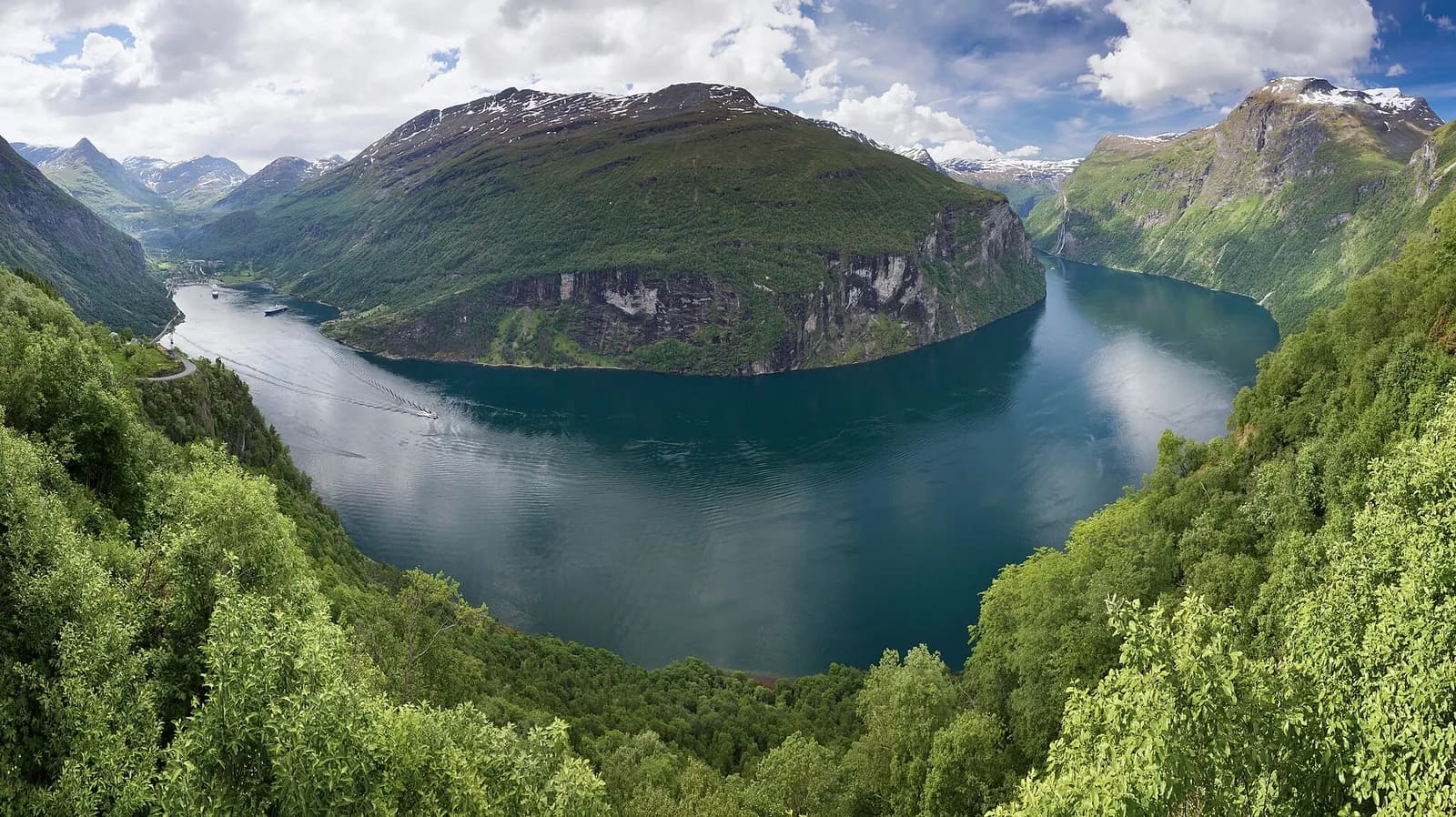
Summer Vacation
June, July, August
Ten weeks, one country on vacation, and half the world too hot or too rainy. Go north, go high, or go south of the equator.

Labor Day Weekend
August, September
Summer's last long weekend, and the first week of the best travel season of the year. Just keep an eye on the tropics.
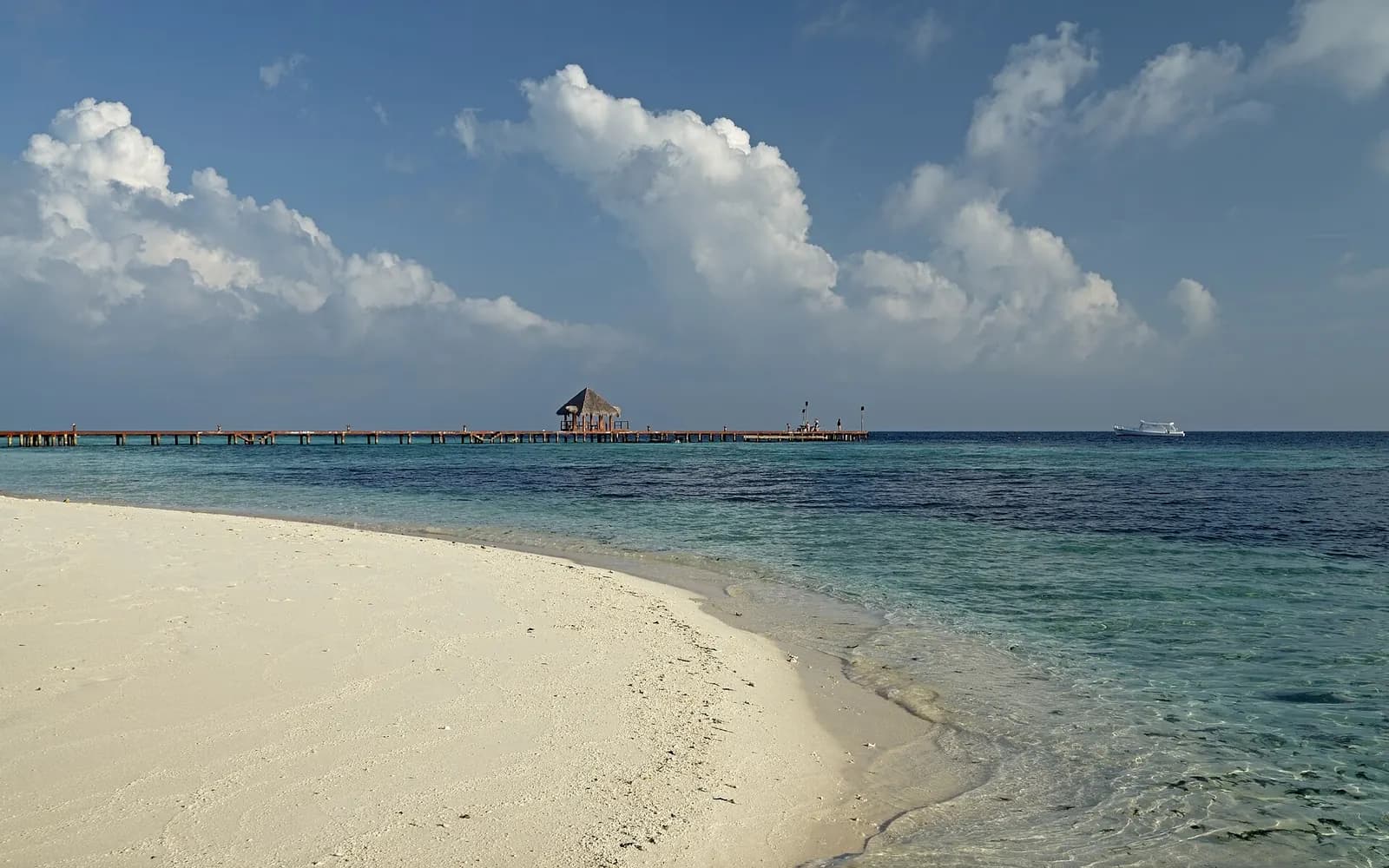
Honeymoon Seasons
May, June, September, October
The right honeymoon depends less on where you want to go than on when your wedding is. Match the place to the week.
Bali timing, quick answers
What is the best month to visit Bali?
May, June, or September. All three deliver dry-season sunshine with fewer crowds and better prices than July and August, which are equally sunny but packed with school-holiday travelers.
Is the rainy season a bad time to visit Bali?
Not necessarily. November through March means humid heat and afternoon downpours, but mornings are often sunny, the island is at its greenest, and prices drop. Skip it if diving visibility or perfect beach days are the whole point.
What is Nyepi and will it affect my trip?
Bali's Day of Silence, usually in March, with the date shifting yearly on the Saka calendar. For 24 hours the airport closes and everyone, tourists included, stays inside with lights low. Check the date before booking a March trip; the parades the night before are a spectacular bonus if you plan for it.
What is the cheapest time to visit Bali?
The wet-season months of late January through March, and early December before the holiday surge. Villas and flights discount meaningfully; just budget your days around afternoon rain.
Where should I stay on a first trip?
Split it: three or four nights around Ubud for the green interior and culture, then three or four on a coast that matches your travel style, Sanur or Nusa Dua for calm family swimming, Canggu or Uluwatu for surf and sunsets.
Weighing alternatives
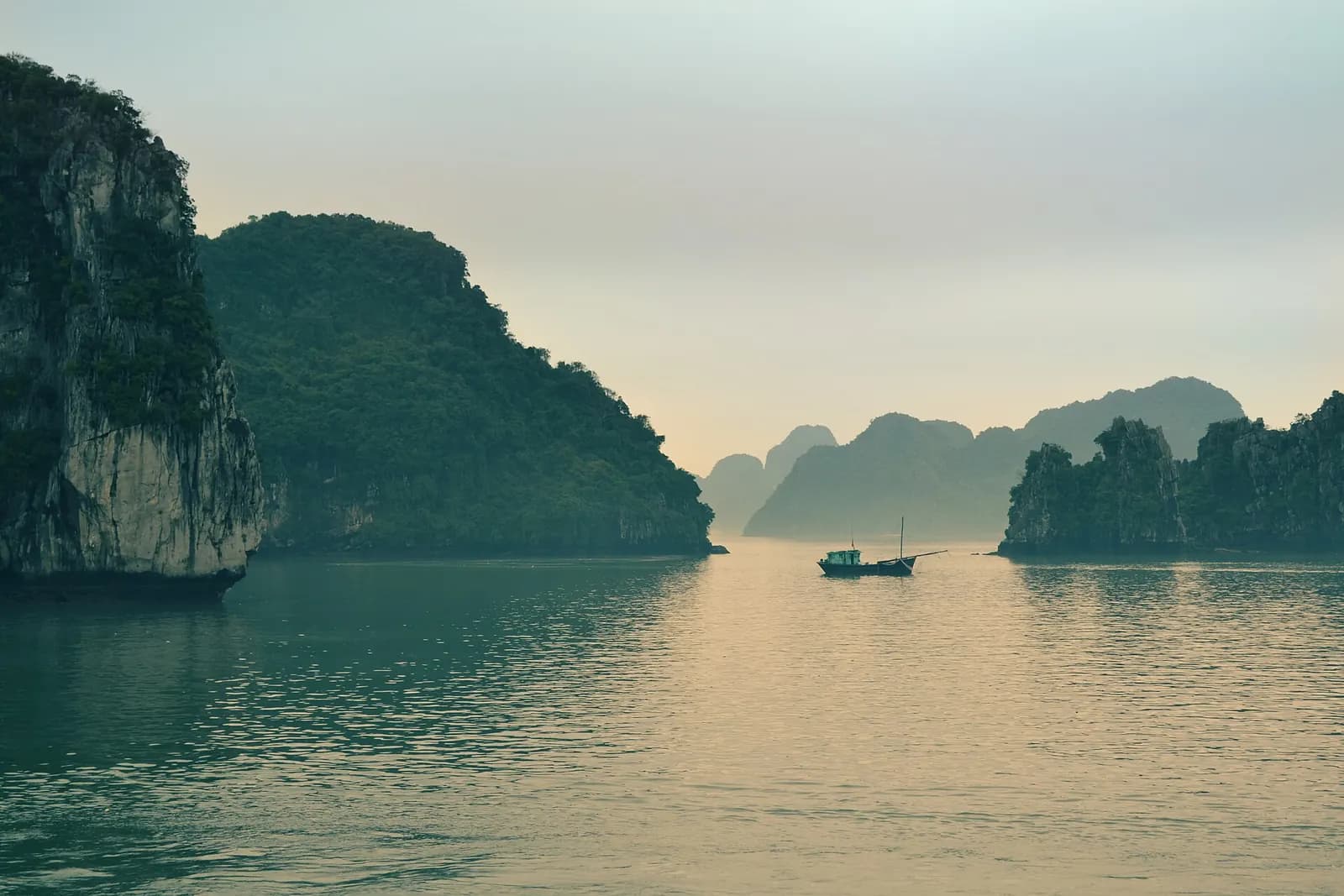
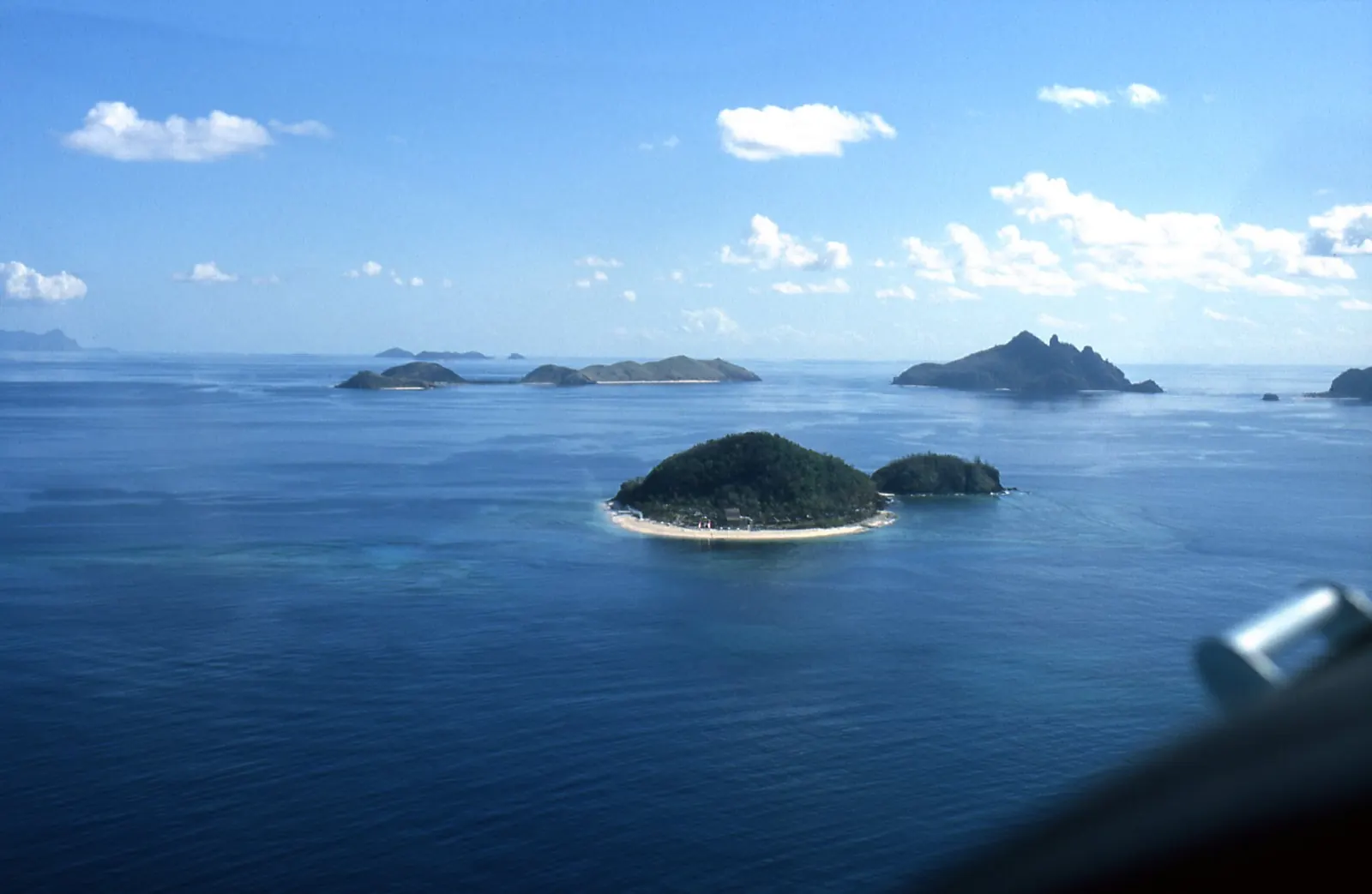
Similar trips, with their best months.
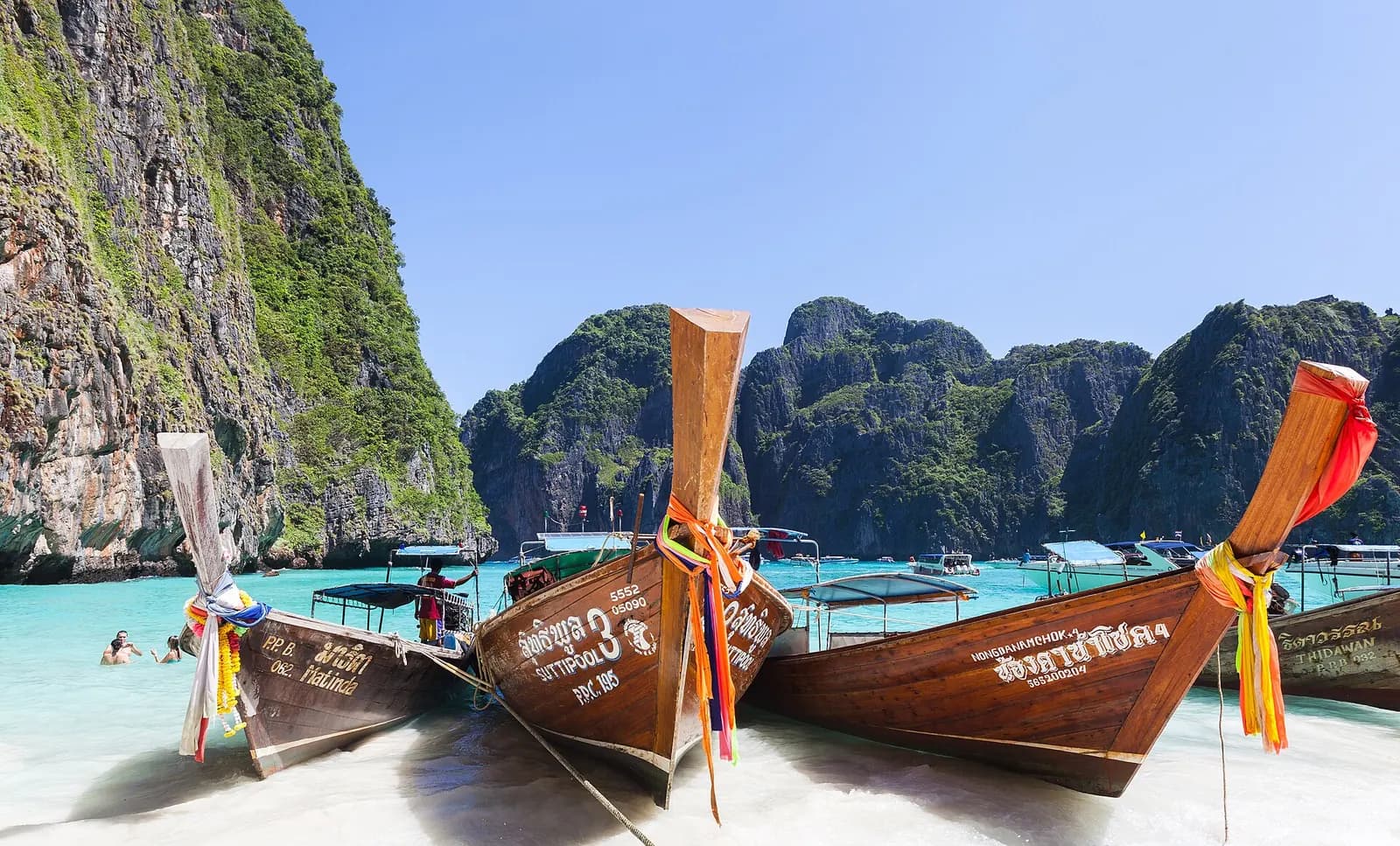
Before you book.
Sort these two things first.
Sponsored links. We may earn a commission; it never changes a verdict.
- Visit Faye
Travel insurance.
FayeA missed connection, a bag that never turns up, a hospital abroad: far cheaper to cover before departure than to argue about after.
- Visit Saily
eSIM data.
SailySet up an eSIM before you fly so your phone has data the moment you land, without roaming charges.
Our top-rated travel gear
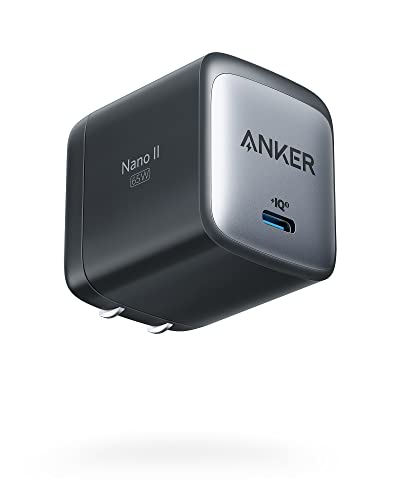
Whatever you decide, this is the gear we actually travel with: verified, priced, and ranked. Live price check on each.





As an Amazon Associate we may earn from qualifying purchases, at no cost to you.