Czech Republic, Europe
The best time to visit Prague
A fairy-tale city with two peaks, summer and Christmas, and a pair of shoulder seasons the crowds keep missing.
- Best months
- May to Jun, Sep and Dec
- Think twice
- No month is a write-off
- Quietest
- January
- Cheapest
- January
The straight answer
The best time to visit Prague is May or September, when the weather is warm and the Charles Bridge crowds are a notch below summer's crush; December is the magical exception, when the Christmas markets justify the cold.
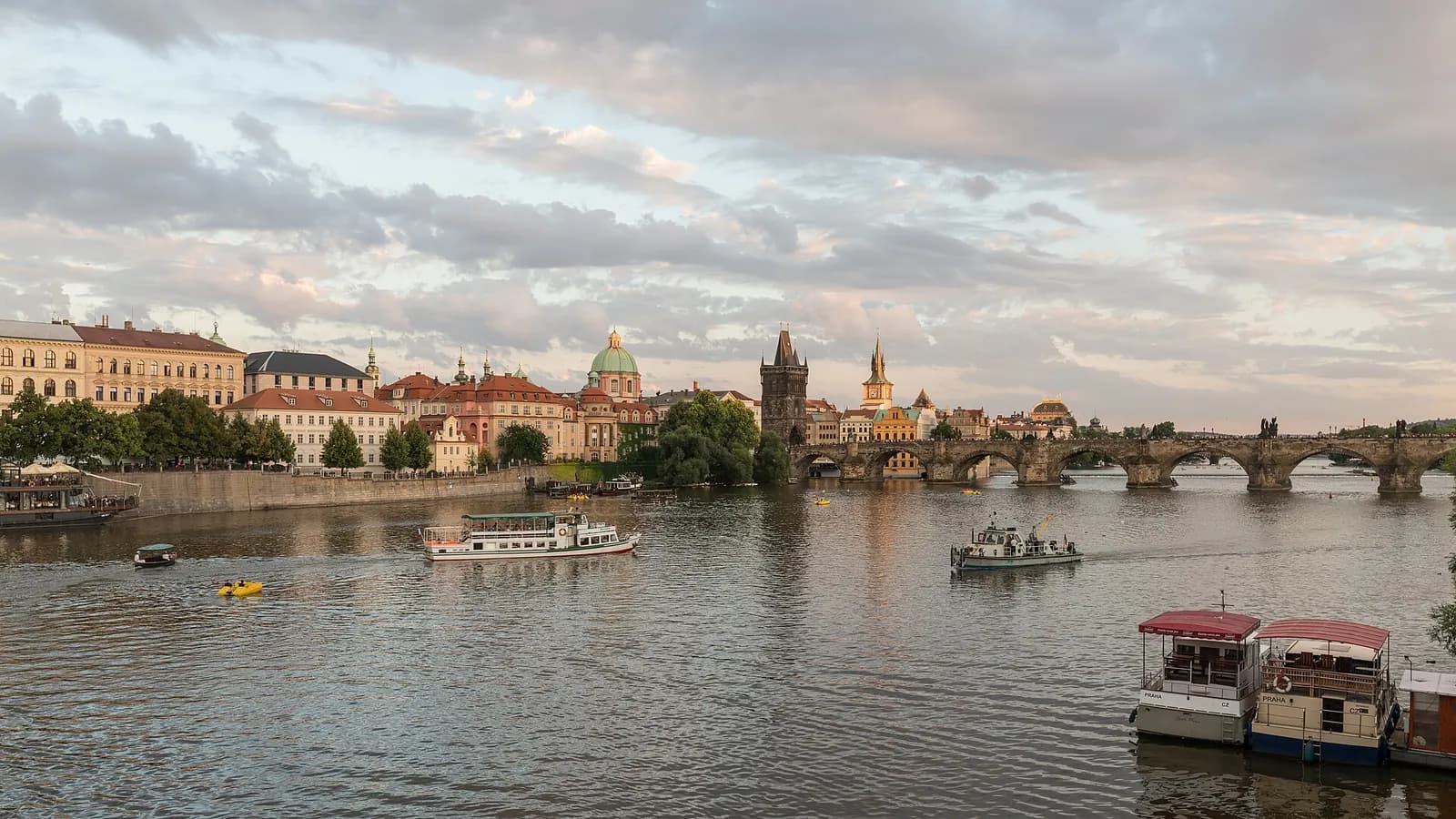
Go in May or September. Prague's beauty is architectural, spires, bridges, and a castle skyline that has survived every century intact, so it does not depend on beach weather. What the timing decides is how many people stand between you and it. May brings blossoming gardens below the castle and the Prague Spring music festival; September brings golden light on the sandstone and beer gardens still in full swing. Both skip the July and August peak, when the Charles Bridge becomes a slow conveyor of tour groups.
Prague has a second, entirely different high season: December. The Christmas markets on Old Town Square and Wenceslas Square, with the Gothic towers floodlit behind wooden stalls and mulled wine steam, are among Europe's best, and the city fills accordingly from late November through New Year. It is cold, often below freezing, and completely worth it if that is the trip you want.
The deep winter months after the markets close are the honest bargain: January and February are cold and gray, but the city stays fully open, hotel prices hit bottom, and you can photograph the Charles Bridge at dawn with a dozen people instead of a thousand. Month by month below, including the castle-complex seasonal hours that catch people out.
Prague, month by month
Every month gets a verdict. Tap one for its own page: weather, crowds, prices and what is on.
- 01JanuaryQuiet valueCold, highs near 34F (1C), gray, occasional snowThe emptiest, cheapest Prague. Dress warmly and the floodlit city is yours.CrowdsPrice
- 02FebruaryQuiet valueCold, highs near 37F (3C)Still deep off-season. Cozy pub weather; museum and cafe days at rock-bottom prices.CrowdsPrice
- 03MarchGoodThawing, highs near 46F (8C)The city stirs. Easter markets appear on the squares late March or April, a smaller, pastel echo of December.Hotels for March →CrowdsPrice
- 04AprilGoodCool spring, highs near 56F (13C), changeableGardens open and blossoms hit the castle slopes. Easter week brings a real surge to Old Town.Hotels for April →CrowdsPrice
- 05MayBestMild, highs near 65F (18C)Peak spring: gardens in bloom, the Prague Spring festival's concert halls full, terraces open. Book ahead.Hotels for May →CrowdsPrice
- 06JuneBestWarm, highs near 71F (22C), long eveningsEarly summer at near-peak beauty, just before the deepest crowd wave lands.Hotels for June →CrowdsPrice
- 07JulyTradeoffsWarm, highs near 76F (24C), some stormsPeak season: the bridge and Old Town Square run shoulder to shoulder midday. Mornings and evenings still deliver.CrowdsPrice
- 08AugustTradeoffsWarm, highs near 76F (24C)Much like July. No local shutdown, just maximum tour-group density in a compact center.CrowdsPrice
- 09SeptemberBestMild, highs near 68F (20C)Golden light on the sandstone, beer gardens at their best, crowds easing week by week. The smart-money month.Hotels for September →CrowdsPrice
- 10OctoberGoodCool, highs near 57F (14C), real fall colorPetrin Hill and the castle orchards turn amber. Soft prices before the holiday ramp.Hotels for October →CrowdsPrice
- 11NovemberQuiet valueCold and gray, highs near 45F (7C)The quiet month between seasons, until the Christmas markets open around its final week.CrowdsPrice
- 12DecemberBestCold, highs near 37F (3C), festive lights everywhereChristmas-market Prague is the postcard: stalls, choirs, and floodlit spires. Book early; the holiday weeks price like summer.Hotels for December →CrowdsPrice
Book Prague for May.
Sponsored links to Expedia and Vrbo. We may earn a commission; it never changes a verdict.
- Hotels for May
Hotels. Expedia
Hotels in PragueOpens a hotel search for Prague in May, dates filled in. Book early for the best months: the good rooms go first.
- Rentals on Vrbo
Vacation rentals. Vrbo
Vacation rentals in PragueWhole homes, condos and villas. Usually the better deal for families and groups, with a kitchen and room to spread out.
- Tours and tickets
Tours and tickets. Expedia
Tours and tickets in PragueTimed-entry tickets, day trips and guided tours in Prague for May. Popular slots sell out in the best months.
Why go to Prague
The best-preserved cityscape in Europe
Prague escaped the wars that flattened its peers, so Gothic, Renaissance, Baroque, and Art Nouveau stand shoulder to shoulder for real, not reconstructed. The whole center is the sight.
Castle-and-bridge drama
Prague Castle, the largest ancient castle complex in the world, faces Old Town across the Vltava via the statue-lined Charles Bridge. Few cities have a signature view this strong.
Beer culture at the source
The Czechs drink more beer per person than anyone on Earth and invented pilsner besides. Cellar pubs, monastery breweries, and beer gardens with river views are core itinerary, not afterthought.
Big-city culture at small-city prices
World-class classical concerts, opera in gilded houses, and excellent restaurants still undercut Paris or London prices, especially outside the peak weeks.
Things to do, and when to do them
Charles Bridge at dawn
The single most important timing move in Prague: before 8am the bridge holds photographers and pigeons; by 11am in season it is a moving crowd.
Prague Castle complex
St Vitus Cathedral, the Old Royal Palace, and Golden Lane on one circuit ticket. Go early or late; midday queues at security build fast in season.
Old Town Square and the Astronomical Clock
The hourly clock show draws a scrum; watch once, then climb the Old Town Hall tower for the view over the square instead.
Josefov, the Jewish Quarter
The Old Jewish Cemetery and the synagogues form one of Europe's most moving historical sites. Closed Saturdays for the Jewish Sabbath.
Petrin Hill
Ride the funicular up to orchards, gardens, and a miniature Eiffel-style lookout tower. Blossom season in April and May is the local secret.
A proper Czech pub
Order the tankova (tank) pilsner and let the waiter keep them coming. Lokal and the old cellar pubs off the main squares beat anything on them.
A classical concert
Churches, palaces, and the Rudolfinum host performances nearly nightly. In May, the Prague Spring festival brings world-class orchestras.
Vysehrad fortress
The other castle: ramparts, a basilica, and the national cemetery, with Vltava views and a fraction of Hradcany's crowds.
Events and seasons worth planning around
Easter markets
Roughly the two to three weeks around Easter, March or April
Painted eggs, pussy-willow whips, and stalls on Old Town Square, the spring rehearsal for December.
Prague Spring International Music Festival
Mid May into early June
One of Europe's great classical festivals, held in the city's finest halls since the 1940s. Book concerts ahead.
Summer beer garden season
May through September
Letna and Riegrovy Sady beer gardens open above the river, the best sunset seats in the city.
Signal Festival
A few evenings in October
Light installations and video mapping on the city's facades, Prague's biggest cultural event by attendance.
Christmas markets
Late November through early January
Old Town Square and Wenceslas Square at their most magical: trdelnik smoke, mulled wine, and a giant lit tree.
Beat the crowds
- Set one alarm for the Charles Bridge at dawn. It is the entire Prague crowd problem solved for free, and the light is better anyway.
- Do the castle at opening or after 3pm and enter from the quieter back gates rather than the main ceremonial approach at midday.
- The crowd is a corridor: Old Town Square to the bridge to the castle. Two blocks off that line, in Nove Mesto, Vinohrady, or Letna, Prague is calm even in August.
- December's markets are busiest after dark and on weekends; go on a weekday at dusk for lit stalls without the crush, then dine away from the square.
- Book May, September, and December rooms one to three months out; January through March barely needs booking at all.
Open or closed
- Prague has no seasonal shutdown: museums, pubs, concerts, and the castle run all twelve months. Winter changes the daylight and the temperature, not the access.
- The castle complex runs shorter winter hours, and some of its gardens, including the Royal Garden, close entirely from roughly November through March. The cathedral and main circuit stay open.
- The Jewish Museum sites in Josefov close on Saturdays year-round and on Jewish holidays.
- December 24 through 26 and January 1 close or shorten most sights, while the markets and restaurants carry the load; the market stalls themselves generally run right through the holidays.
- River cruises and some outdoor attractions thin their schedules in deep winter, and the Petrin funicular has historically paused for maintenance stretches; check ahead in the cold months.
With kids in tow
- Prague reads as a storybook to kids: a real castle with armored guards, an astronomical clock with hourly puppetry, mirror mazes on Petrin Hill, and pastry chimneys (trdelnik) on every corner.
- The center is compact and walkable but cobbled everywhere; carriers beat strollers in Old Town, and the trams are a ride-worthy attraction in themselves.
- December with kids is peak enchantment, markets, lights, and occasionally snow, but pack serious layers; highs sit near freezing and evenings drop well below.
- For homeschool families: May and September weekdays give you the castle and bridge at half density while school groups are rare, and the city is a walkable unit on medieval trades, astronomy, and Cold War history.
Getting there
- Vaclav Havel Airport Prague (PRG) is the gateway; transatlantic nonstops from the US have come and gone seasonally, so the standard routing is one stop through a European hub like Amsterdam, Frankfurt, London, or Paris.
- From Texas: no nonstops; connect from Austin, Dallas, or Houston through a European hub or a US East Coast gateway. Total journey typically runs 12 to 15 hours.
- Prague also pairs naturally by rail: direct trains reach Vienna and Berlin in roughly 4 hours each, making it the center leg of a classic Central Europe loop.
Packing? Packing cubes and the airport kit.
Prague for the holidays
Holiday and school-break weeks where Prague makes our ranked list.
Prague timing, quick answers
What is the best month to visit Prague?
May or September for warm weather and manageable crowds, with September's golden light and beer gardens giving it a slight edge. December is the right answer if the Christmas markets are the point of the trip.
When are the Prague Christmas markets?
Roughly late November through early January, centered on Old Town Square and Wenceslas Square, with exact dates set each year. They run right through Christmas and New Year, and the holiday weeks price like peak summer.
What is the cheapest time to visit Prague?
January and February, after the markets close. Hotels hit bottom, the center empties, and the floodlit city is at its most atmospheric. Pack for real cold, with highs near 34F (1C).
Is Prague too crowded in summer?
The famous corridor, Old Town Square to the Charles Bridge to the castle, is genuinely packed midday in July and August. But the fix is cheap: dawn and evening on the postcard route, and the rest of the day in neighborhoods the tour groups never reach.
How many days do you need in Prague?
Two full days covers the castle, bridge, Old Town, and Josefov. Three to four adds Vysehrad, Petrin, proper pub time, and a concert, which is where Prague stops being a checklist and starts being a pleasure.
Weighing alternatives
Similar trips, with their best months.
Before you book.
Sort these two things first.
Sponsored links. We may earn a commission; it never changes a verdict.
- Visit Faye
Travel insurance.
FayeA missed connection, a bag that never turns up, a hospital abroad: far cheaper to cover before departure than to argue about after.
- Visit Saily
eSIM data.
SailySet up an eSIM before you fly so your phone has data the moment you land, without roaming charges.
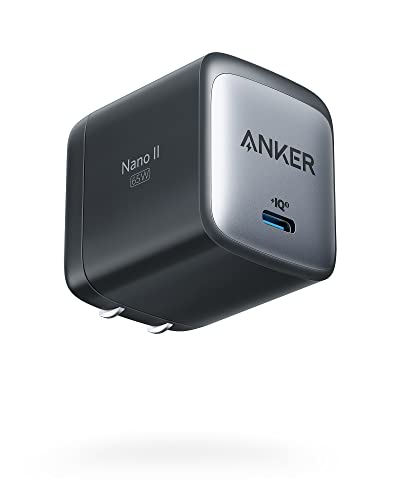
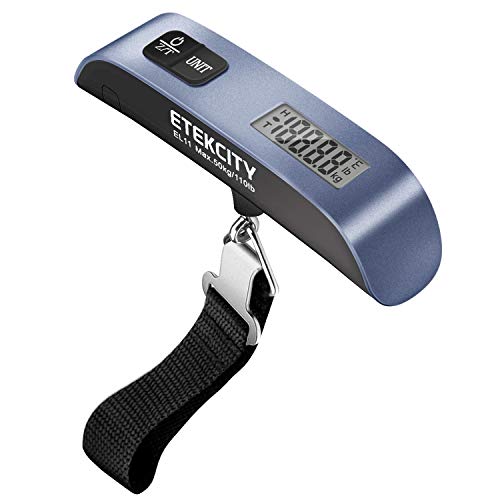
Our top-rated travel gear
Whatever you decide, this is the gear we actually travel with: verified, priced, and ranked. Live price check on each.




As an Amazon Associate we may earn from qualifying purchases, at no cost to you.