United Kingdom, Europe
The best time to visit London
A city that never really closes, which makes the timing question all about weather, crowds, and price.
- Best months
- May to Jun and Sep
- Think twice
- Aug
- Quietest
- January
- Cheapest
- January
The straight answer
The best time to visit London is May through June or September, when the parks are at their best and daylight runs long, while July and August bring peak crowds and peak airfare without better weather.
Go in May, June, or September. London's weather is famously changeable in every month, so the calendar question is really about daylight, crowds, and cost, and late spring wins all three: parks in full bloom, light past 9pm, and prices a notch below the summer peak. September is the fall equivalent, with the city back to work and the museums calm again.
Here is the thing Americans consistently get wrong about London: it does not have an off-season shutdown. The museums are free and open year-round, the theatre runs every night, and a gray February afternoon in the National Gallery followed by a pub fire is a legitimately great trip. What changes month to month is how much you pay and how many people you share it with.
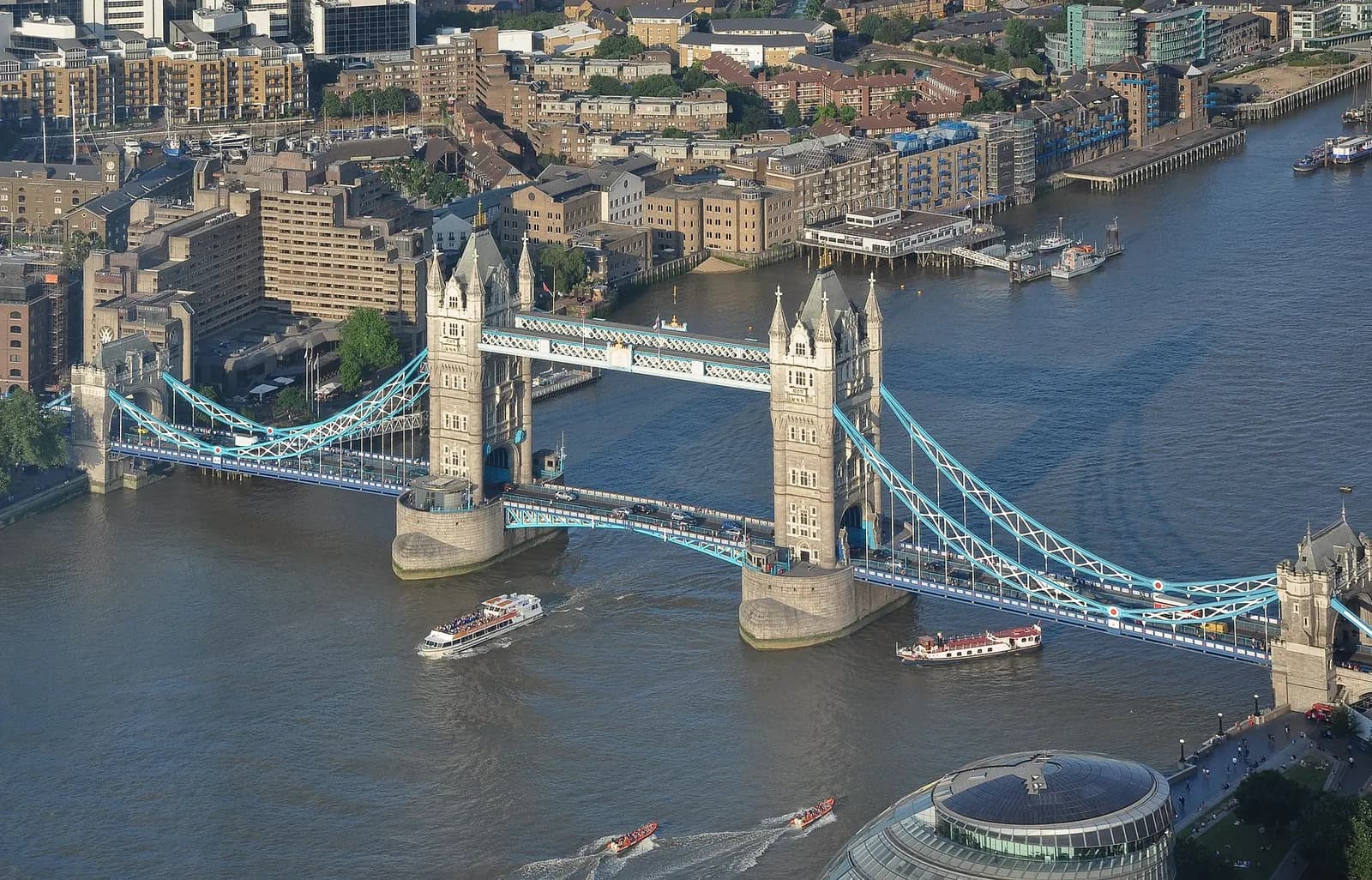
The month to think twice about is August. The weather is no better than June, the prices are higher, and the crowds at the Tower and Westminster are the year's worst. This guide walks the whole calendar: what you gain, what you lose, and which famous sights actually close when the royals are in residence.
London, month by month
Every month gets a verdict. Tap one for its own page: weather, crowds, prices and what is on.
- 01JanuaryQuiet valueCold and damp, highs near 47F (8C), dark by 4:30pmThe cheapest London of the year. January sales, empty museums, and theatre tickets at their softest.CrowdsPrice
- 02FebruaryQuiet valueChilly, highs near 48F (9C), days lengtheningStill quiet and cheap. Half-term school break in mid-February bumps family attractions for a week.CrowdsPrice
- 03MarchGoodCool and changeable, highs near 53F (12C)Daffodils in the parks, prices still soft. Late March gains an hour of evening light with the clock change.Hotels for March →CrowdsPrice
- 04AprilGoodClassic spring mix, highs near 57F (14C), showersBlossom season in the parks and squares. Easter school holidays crowd the family sights for about two weeks.Hotels for April →CrowdsPrice
- 05MayBestPleasant, highs near 63F (17C), long eveningsThe parks peak, the Chelsea Flower Show perfumes the whole city, and summer crowds have not landed yet.Hotels for May →CrowdsPrice
- 06JuneBestWarm, highs near 69F (21C), light until after 9pmThe longest days of the year. Trooping the Colour and Wimbledon's start bring pageantry and demand.Hotels for June →CrowdsPrice
- 07JulyTradeoffsWarmest month, highs near 74F (23C), occasional hot spellsEverything is open and buzzing, but lines at the Tower and the Eye are at their worst and airfare peaks.CrowdsPrice
- 08AugustThink twiceWarm, highs near 73F (23C), muggy spellsPeak crowds and prices with no weather upside over June. The one big draw: Buckingham Palace state rooms open to visitors in summer.CrowdsPrice
- 09SeptemberBestMild and often settled, highs near 68F (20C)London's quiet triumph: kids back in school, weather holding, and Open House weekend unlocks buildings normally closed to the public.Hotels for September →CrowdsPrice
- 10OctoberGoodCool, highs near 60F (16C), real autumn color in the parksGreat museum-and-theatre weather. Half-term school break late month bumps family attractions again.Hotels for October →CrowdsPrice
- 11NovemberQuiet valueGray and damp, highs near 52F (11C), dark earlyThe moody bargain month. Christmas lights switch on along Oxford and Regent Streets by mid-month.CrowdsPrice
- 12DecemberGoodCold, highs near 48F (9C), festive everywhereChristmas London is genuinely lovely: markets, lights, skating rinks. Beware December 25, when even the Tube stops.Hotels for December →CrowdsPrice
Book London for May.
Sponsored links to Expedia and Vrbo. We may earn a commission; it never changes a verdict.
- Hotels for May
Hotels. Expedia
Hotels in LondonOpens a hotel search for London in May, dates filled in. Book early for the best months: the good rooms go first.
- Rentals on Vrbo
Vacation rentals. Vrbo
Vacation rentals in LondonWhole homes, condos and villas. Usually the better deal for families and groups, with a kitchen and room to spread out.
- Tours and tickets
Tours and tickets. Expedia
Tours and tickets in LondonTimed-entry tickets, day trips and guided tours in London for May. Popular slots sell out in the best months.
Why go to London
The best free museum lineup on Earth
The British Museum, National Gallery, Tate Modern, Natural History Museum, and V&A all cost nothing to enter. No other capital gives away this much world-class art and history.
Theatre every single night
The West End runs year-round, and same-week tickets are realistic outside the biggest hits. London theatre in January costs a fraction of Broadway.
History you can walk through
The Tower of London, Westminster Abbey, and St Paul's compress a thousand years into a two-mile stretch of riverbank.
Day-trip range by rail
Windsor, Oxford, Cambridge, Bath, and the Harry Potter studio tour are all under 90 minutes by train. London works as a base, not just a stop.
Things to do, and when to do them
Tower of London
Book online and arrive at opening; go straight to the Crown Jewels before the queue builds. Yeoman Warder tours are free with entry and worth planning around.
British Museum
Free entry, but book a timed slot in busy months. The Rosetta Stone room is calmest in the first hour.
Westminster Abbey
Closed to tourists on Sundays for services. Verger-led tours are the sleeper upgrade.
Borough Market
Full market runs Wednesday through Saturday; Saturdays are a crush by 11am. Go hungry, early, midweek.
The South Bank walk
Tate Modern to Tower Bridge along the river is the best free afternoon in London, in any weather.
West End show
The TKTS booth in Leicester Square sells legitimate same-day discounts. Midweek matinees are easiest.
Buckingham Palace
The state rooms open to visitors only in summer, generally July into September. Changing of the Guard runs year-round on scheduled days; check before you build a morning around it.
Greenwich by riverboat
Take the Thames Clipper out and the train back. The Royal Observatory and the prime meridian make it a half-day well spent.
Events and seasons worth planning around
Chelsea Flower Show
Late May
The world's most famous flower show. Tickets sell out well ahead, and hotels near Sloane Square spike.
Trooping the Colour
A Saturday in June
The monarch's official birthday parade. Central London around the Mall is pageantry and packed.
Wimbledon
Roughly the last week of June into the first half of July
The tennis fortnight. The famous queue still offers day-of grounds passes for the committed.
Notting Hill Carnival
The late August bank holiday weekend
Europe's biggest street festival: steel bands, sound systems, and over a million people in the streets of west London.
Open House Festival
September
Hundreds of normally closed buildings open free to the public. A brilliant reason to pick September.
Christmas season
Mid November through early January
Lights on the shopping streets, Winter Wonderland in Hyde Park, and skating rinks at Somerset House and the Natural History Museum.
Beat the crowds
- Do the Tower of London at opening or after 3pm; the cruise-excursion and coach-tour wave hits between 10am and 2pm.
- The free museums are busiest on weekends and rainy afternoons. A sunny weekday morning at the British Museum feels like a different institution.
- Book Westminster Abbey's first entry and you will have the Poets' Corner nearly alone; by late morning it is a slow shuffle.
- Ride the London Eye in the last daylight hour instead of midday: shorter lines and better light.
- Stay in a neighborhood a zone out from the center, Southwark, Marylebone's north end, or Islington, for calmer mornings and better breakfast than the Leicester Square tourist belt.
Open or closed
- London has no off-season shutdown. Museums, theatre, and restaurants run at full speed all twelve months; winter changes the light and the price, not the access.
- December 25 is the one true closure day: nearly everything shuts, including the entire Tube network. December 26 (Boxing Day) still runs reduced hours and transit.
- Buckingham Palace's state rooms open to the public only in summer, generally July into September. The rest of the year you are looking at the outside.
- Westminster Abbey closes to sightseers on Sundays, and state occasions can close it or the surrounding streets with little notice.
- UK school half-term breaks (mid February, late May, late October) noticeably bump crowds at family attractions for a week at a time, worth checking against your dates.
With kids in tow
- The free museums make London one of the cheapest great cities to do with kids: the Natural History Museum's dinosaur hall and the Science Museum's interactive floors cost nothing, so short visits carry no pressure.
- The winning rhythm is one paid headline sight per day (Tower, Eye, Harry Potter studio tour) padded with free museums, parks, and playground time in Hyde Park or Regent's Park.
- The Harry Potter studio tour in Watford sells out weeks ahead in school holidays; homeschool families can book a quiet midweek term-time slot almost at will.
- For homeschool families: May, June, and September are the play. UK kids are in school, so weekday mornings at the Tower or the Natural History Museum run at a fraction of holiday crowds.
Getting there
- Heathrow (LHR) is the main gateway with nonstops from most major US cities; Gatwick (LGW) handles some transatlantic leisure routes. Heathrow to central London is 15 minutes on the Elizabeth line or Heathrow Express.
- From Texas: British Airways flies nonstop from Austin to Heathrow, and Dallas and Houston both have year-round nonstops. It is one of the easiest Europe trips to start from Texas.
- London is also the natural rail hub for a multi-city trip: the Eurostar reaches Paris in about 2 hours 15 minutes from St Pancras.
Packing? Packing cubes and the airport kit.
London for the holidays
Holiday and school-break weeks where London makes our ranked list.

Memorial Day Weekend
May
The unofficial start of summer, and the first weekend the national parks and beach towns fill up. Pick a place that is fully open but not yet full.

Thanksgiving
November
The busiest travel days in America wrapped around one of the best-value weeks abroad. Fly on the right day and go somewhere that is not having a holiday.

New Year's Eve
December, January
One night, a dozen very different ways to spend it. Choose between the giant public show, the tradition you cannot get anywhere else, or a quiet midnight somewhere warm.
London timing, quick answers
What is the best month to visit London?
June, for the longest days and the parks at their peak, with May and September close behind at slightly lower prices. If crowds matter more than warmth, September edges it.
What is the cheapest time to visit London?
January and February. Airfare and hotels bottom out after New Year, the museums are free as always, and theatre tickets are at their most discounted. Pack for damp cold and early darkness.
Is London worth visiting in winter?
Genuinely yes, more than almost any other European capital. Nothing seasonal closes: the museums, theatre, and pubs are the whole point, and all are at full strength. December adds lights and markets; January adds bargains.
How bad is the rain, really?
Overstated. London gets less annual rainfall than New York or Houston; it just arrives as frequent light drizzle rather than downpours. Carry a light rain layer in every month and you are fine.
How many days do I need in London?
Four full days covers the headline sights at a humane pace; a week lets you add day trips like Windsor, Oxford, or Bath without rushing the city itself.
Weighing alternatives
Similar trips, with their best months.



Before you book.
Sort these two things first.
Sponsored links. We may earn a commission; it never changes a verdict.
- Visit Faye
Travel insurance.
FayeA missed connection, a bag that never turns up, a hospital abroad: far cheaper to cover before departure than to argue about after.
- Visit Saily
eSIM data.
SailySet up an eSIM before you fly so your phone has data the moment you land, without roaming charges.
Our top-rated travel gear
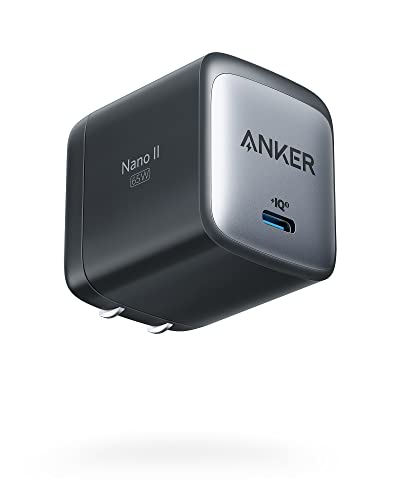
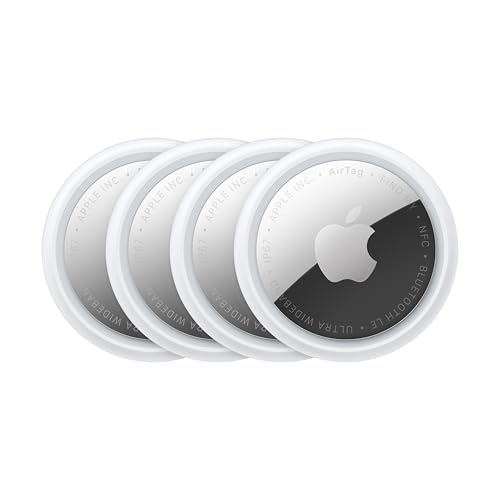
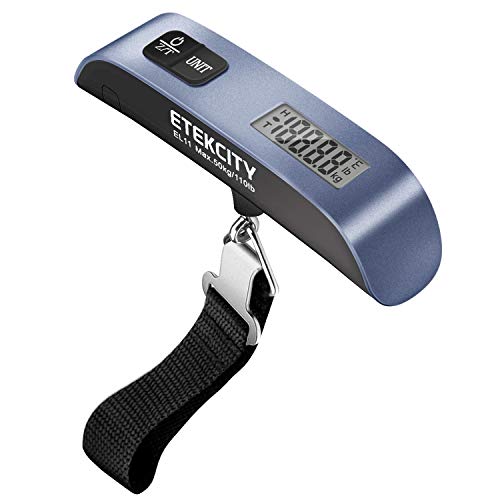
Whatever you decide, this is the gear we actually travel with: verified, priced, and ranked. Live price check on each.



As an Amazon Associate we may earn from qualifying purchases, at no cost to you.