Pamplona, Spain
Running of the Bulls (San Fermin)
Nine days of San Fermin: the world's most famous bull run, and a round-the-clock street festival around it.
The straight answer
The Running of the Bulls happens during Pamplona's San Fermin festival, July 6 to 14 every year, with the encierro run each morning at 8am from July 7 through July 14.
Every July 6 at noon, a rocket called the chupinazo fires from Pamplona's town hall balcony and the city detonates into nine days of San Fermin: white clothes, red scarves, brass bands, all-night street parties, and, each morning at 8am from July 7 through 14, the encierro, the running of the bulls that Hemingway made world-famous in The Sun Also Rises.
The run itself is brief and deadly serious: six fighting bulls and a handful of steers cover roughly 875 meters of barricaded medieval streets to the bullring in around two and a half to four minutes, with hundreds of runners scrambling ahead of and around them. People are injured every year, mostly in falls and pile-ups, and there have been fatalities across the festival's history. This is the rare famous event that genuinely can hurt you.
You do not have to run to do San Fermin, and most attendees never do. Watching from a balcony or the fence line, then living inside the festival's parades, giants, fireworks, and round-the-clock music, is the complete experience. Be aware, too, that the bulls that run each morning fight and die in the bullring that evening; some travelers decide the event is not for them on those grounds, and that is worth settling before you book.
The event, explained
San Fermin is a full religious-and-riotous festival calendar: the opening chupinazo on July 6, the procession of the saint on July 7, the parade of giants and big-heads each morning for kids, nightly fireworks in the citadel park, and the closing candlelit Pobre de Mi at midnight on July 14. The encierro is its most famous eight minutes of daily programming, not the whole show.
The morning run follows a fixed course: up Santo Domingo, across the town hall square, along Mercaderes into the tight right-hand bend at Estafeta known as dead man's corner, up Estafeta's long straight, and down the chute into the bullring. Runners must be 18 or older, sober, and inside the course before police close it well before 8am. Veterans run a short stretch, alongside the bulls for seconds, then get out.
The city triples in population. Streets run shoulder to shoulder day and night, sleep is optional and often communal in parks, and everything from a hotel bed to a balcony rental commands festival pricing booked months ahead.
How to play it right
- 01Book lodging six months or more ahead, or accept a commute: many attendees stay in San Sebastian or smaller Navarran towns and bus in, which also buys you quiet nights. In-city rooms during San Fermin carry the year's highest rates.
- 02To watch a run, either claim a spot on the fences by 6am (the second fence is for medics and press, so you want a sightline through it, at course sections like Santo Domingo or Telefonica), or book a private balcony spot along Estafeta or Mercaderes weeks ahead. Balconies cost real money and are worth it.
- 03If you intend to run: watch at least one run first, study the course the day before, pick one short section, stay sober, wear proper running shoes, and know that if you fall as the herd passes, you stay down and cover your head. First-time runners cause many of the pile-ups.
- 04The first runs, July 7 and the first weekend, are the most crowded; midweek runs later in the festival are marginally saner both on the course and at the fences.
- 05Wear the uniform: white shirt and trousers, red faja sash and panuelo scarf, sold on every corner. Keep valuables in a zipped front pocket or leave them at your lodging; dense festival crowds are pickpocket heaven.
- 06Book the evening fireworks and at least one long dinner of Navarran food into your plan; the festival's non-bull half, including the kids' giants parade each morning, is what most people end up loving.
With kids in tow
- Plainly: the encierro and the late-night street party scene are not family events. The run itself is adults-only by law, the crowds are dense and drunk by evening, and the bullring's evening corridas end in the bulls' deaths, which children should not stumble into unbriefed.
- That said, Pamplona families do San Fermin with kids every year on a daytime schedule: the giants and big-heads parade each morning, street music in the afternoon, and the fireworks from the citadel lawns before a normal bedtime.
- If you bring kids, stay outside the old town for quiet nights, watch a run on a cafe television rather than at the fences, and treat the festival as a morning-and-early-evening event.
Book your stay for Running of the Bulls (San Fermin).
Sponsored links to Expedia and Vrbo. We may earn a commission; it never changes a verdict.
- Hotels for July
Hotels. Expedia
Hotels in Running of the Bulls (San Fermin)Opens a hotel search for Running of the Bulls (San Fermin) in July, dates filled in. Book early for the best months: the good rooms go first.
- Rentals on Vrbo
Vacation rentals. Vrbo
Vacation rentals in Running of the Bulls (San Fermin)Whole homes, condos and villas. Usually the better deal for families and groups, with a kitchen and room to spread out.
- Tours and tickets
Tours and tickets. Expedia
Tours and tickets in Running of the Bulls (San Fermin)Timed-entry tickets, day trips and guided tours in Running of the Bulls (San Fermin) for July. Popular slots sell out in the best months.
Running of the Bulls (San Fermin), quick answers
When is the Running of the Bulls?
During San Fermin, July 6 to 14 every year in Pamplona. The runs happen each morning at 8am from July 7 through July 14; July 6 is the opening chupinazo, with no run that day.
How dangerous is running with the bulls?
Genuinely dangerous. Injuries happen every single year, mostly falls, tramplings, and crush injuries in pile-ups, with gorings less common but regular, and fatalities have occurred over the festival's history. Runners must be 18+, sober, and fast; watching is the sane default.
Where should I watch from?
A rented private balcony over Estafeta or Mercaderes is the premium view, booked well ahead. Free fence-line spots at Santo Domingo or the Telefonica stretch require arriving by around 6am. Arena tickets let you watch the runners and herd pour into the ring.
Do the bulls die?
Yes. The six bulls that run each morning fight in the bullring that evening's corrida and are killed. Travelers uncomfortable with bullfighting should know this going in; you can attend the run and festival without attending the corrida.
Do I need to book far ahead?
Yes: Pamplona lodging for San Fermin books out months ahead at peak prices, and balconies likewise. A common workaround is staying in San Sebastian, about an hour away, and coming in for the mornings.
Also in July
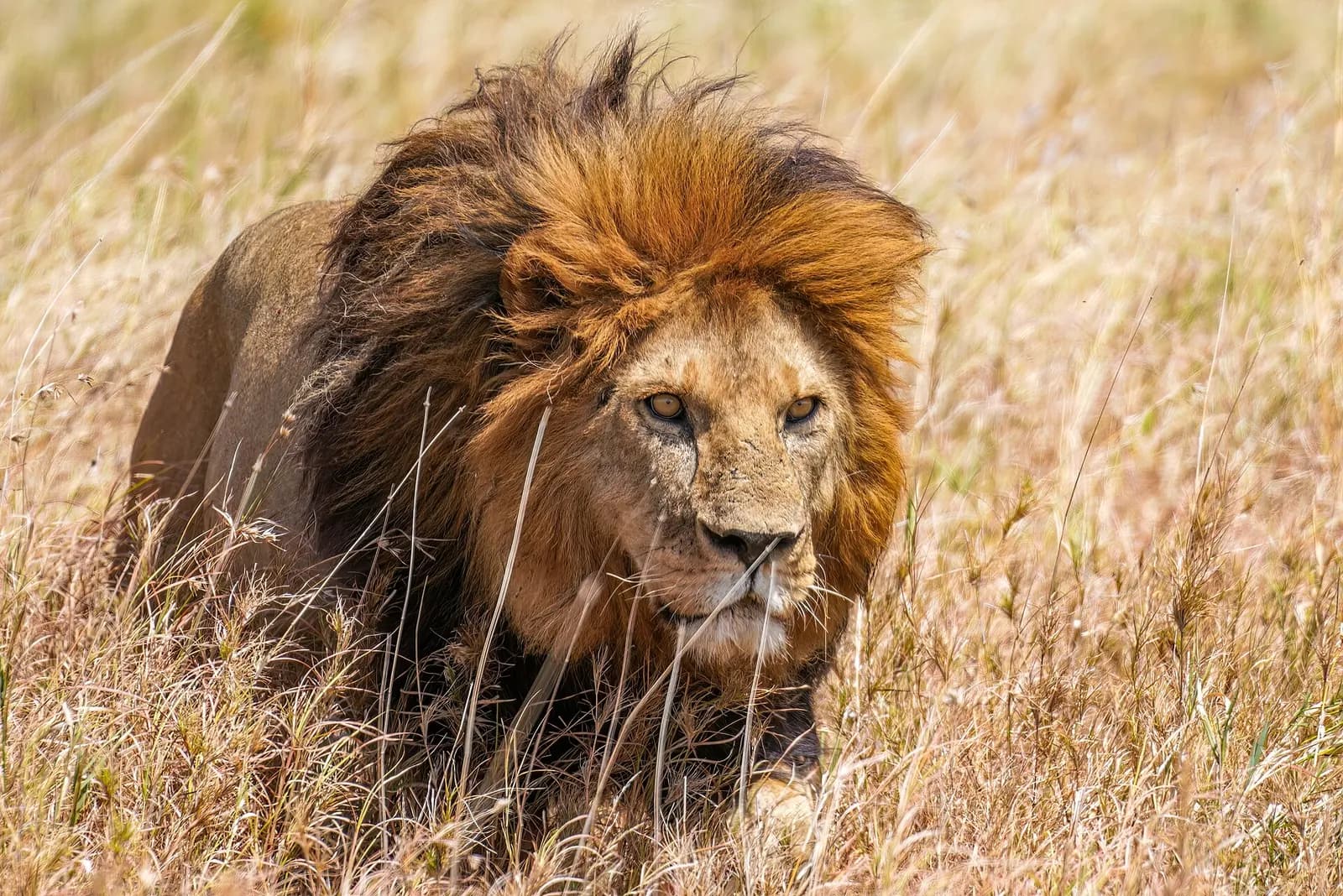
The Great Migration
Serengeti, Tanzania and Masai Mara, Kenya
Year-round, with calving in the southern Serengeti from roughly late January to March and river crossings from about July to October
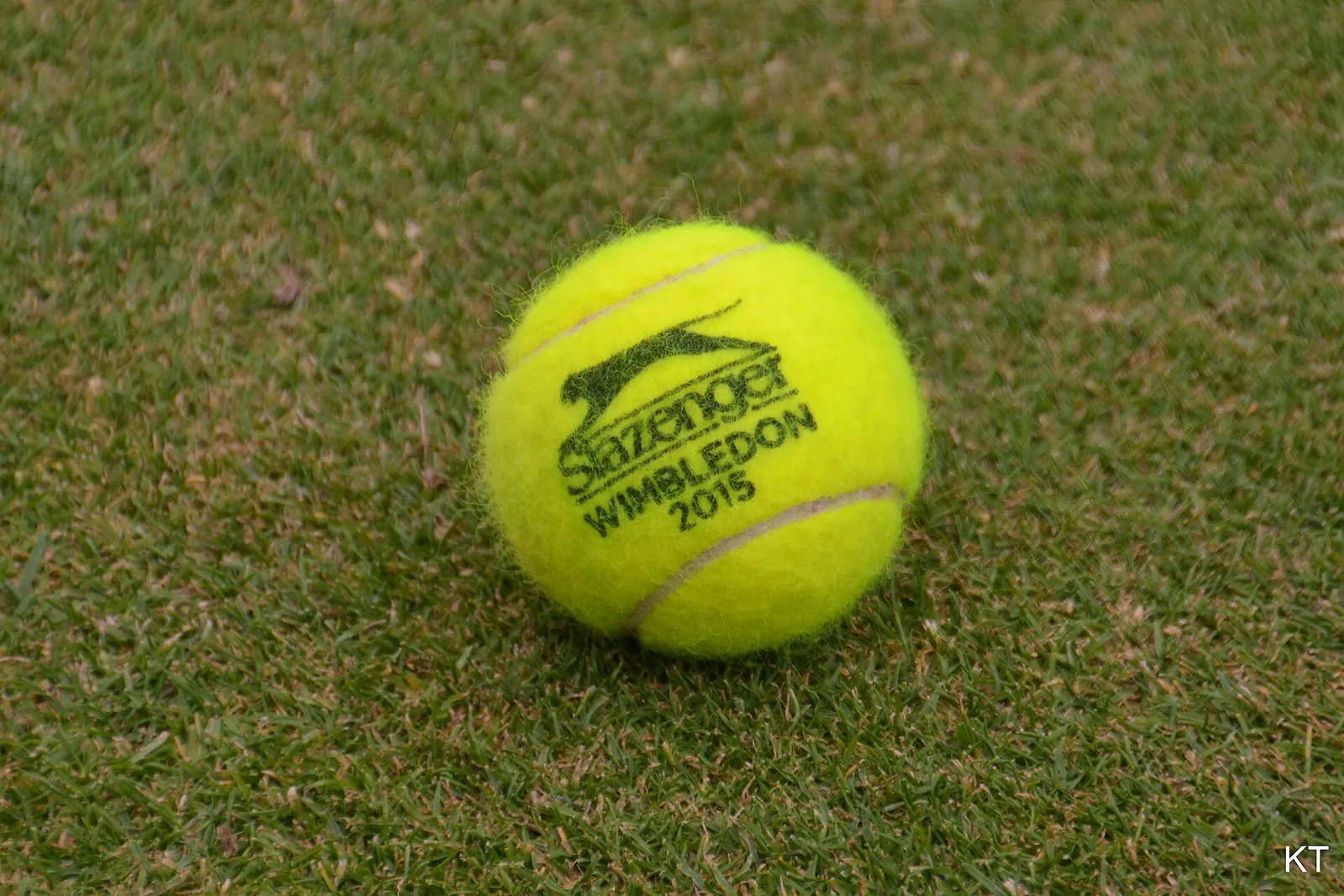
Wimbledon
London, United Kingdom
Two weeks from late June into mid July, finishing with the finals on the second weekend
Calgary Stampede
Calgary, Alberta
Ten days in early-to-mid July, opening with a parade on the first Friday
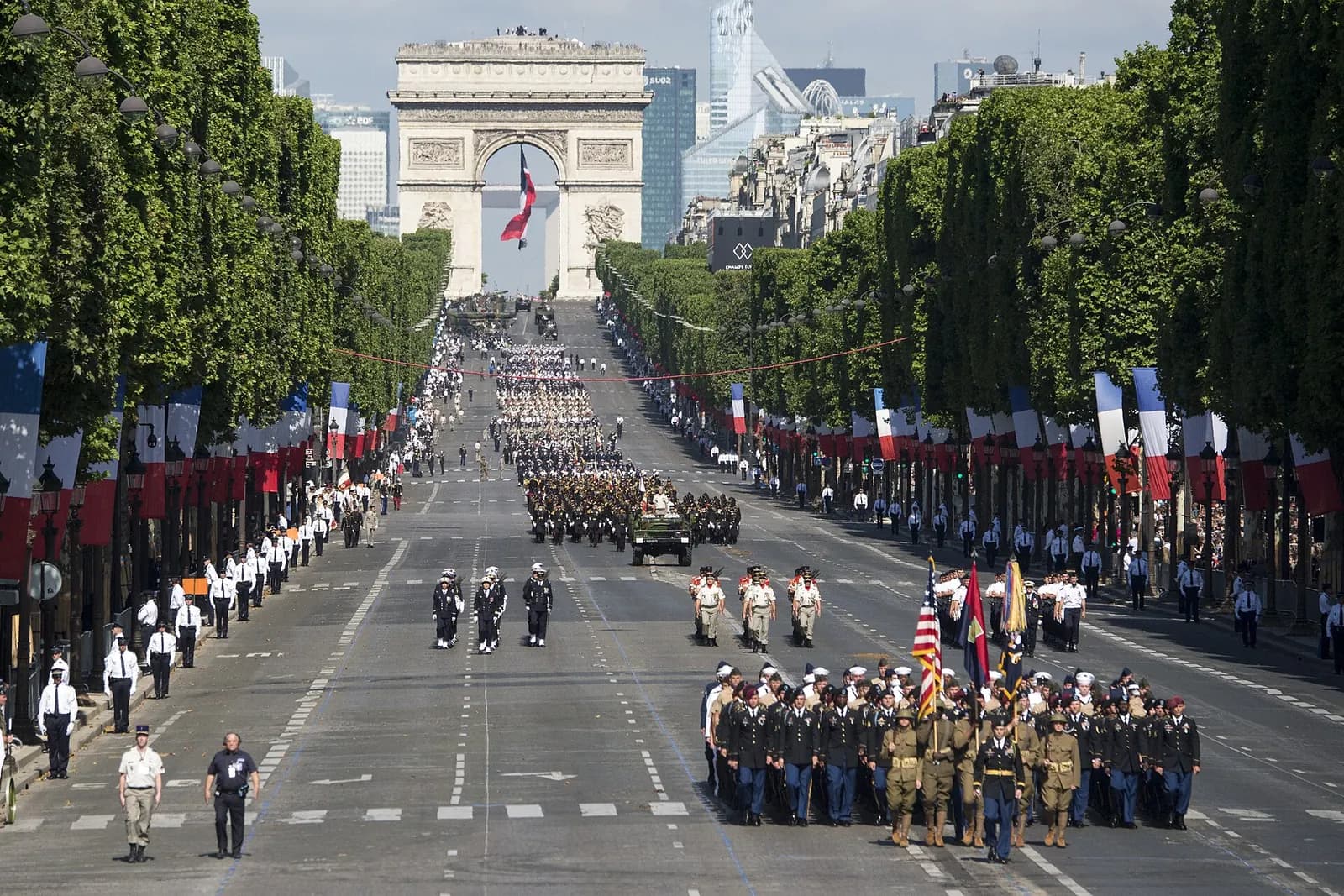
Bastille Day (Fete Nationale)
Paris, France
July 14 every year, with firefighters' balls on the nights of July 13 and 14
Before you book.
Sort these two things first.
Sponsored links. We may earn a commission; it never changes a verdict.
- Visit Faye
Travel insurance.
FayeA missed connection, a bag that never turns up, a hospital abroad: far cheaper to cover before departure than to argue about after.
- Visit Saily
eSIM data.
SailySet up an eSIM before you fly so your phone has data the moment you land, without roaming charges.
Our top-rated travel gear
Whatever you decide, this is the gear we actually travel with: verified, priced, and ranked. Live price check on each.






As an Amazon Associate we may earn from qualifying purchases, at no cost to you.