South Korea, Asia
The best time to visit Seoul
Four hard seasons, two perfect windows, and a city that never stops moving through any of them.
- Best months
- Apr to May and Sep to Oct
- Think twice
- Jul
- Quietest
- January
- Cheapest
- January
The straight answer
The best time to visit Seoul is April to May for spring blossoms or September to early November for crisp fall days, avoiding the midsummer monsoon and the humid August that follows it.
Seoul is a true four-season city, and the answer is the classic temperate one: go in spring or fall. April brings cherry blossoms, typically early to mid month and varying year to year, with mild days near 63F (17C). September through early November delivers the year's most reliable weather, crisp air, and fall color that peaks in the city's palaces and mountains from late October into early November.
Summer is the season to respect. The jangma monsoon settles in from roughly late June through July with days of heavy rain, and August follows with the year's peak heat and humidity, highs near 86F (30C) that feel hotter in the concrete canyons. Winter swings the other way: December through February is genuinely cold, often below freezing, but dry and blue-skied, with the city's indoor culture, saunas, and street food built for exactly that weather.
Two lunar holidays shape the calendar more than any weather system: Seollal (Lunar New Year, late January or February) and Chuseok (the harvest festival, September or early October), both shifting dates yearly. For several days around each, much of Seoul travels to hometowns, palaces fill with hanbok-wearing families, and many small businesses close while the big sights stay open. Neither ruins a trip, but both deserve a place in your planning.
Seoul, month by month
Every month gets a verdict. Tap one for its own page: weather, crowds, prices and what is on.
- 01JanuaryQuiet valueCold and dry, highs near 34F (1C)Real winter, thin crowds, and the city glowing at night. Seollal falls in late January some years, closing small businesses for a few days.CrowdsPrice
- 02FebruaryQuiet valueCold, highs near 39F (4C)Winter's tail end and often Seollal's window. Cheap flights, empty palaces, and street food that tastes best in the cold.CrowdsPrice
- 03MarchGoodThawing, highs near 51F (11C), occasional yellow dustSpring stirs. Late-winter dust from the continent can haze some days; the payoff is early blossoms by month's end in warm years.Hotels for March →CrowdsPrice
- 04AprilBestMild and bright, highs near 63F (17C)Cherry blossoms typically peak early to mid April, varying year to year: Yeouido and Seokchon Lake are the famous mob scenes. The city's best-loved month.Hotels for April →CrowdsPrice
- 05MayBestWarm and green, highs near 73F (23C)Ideal walking weather. Lantern displays and parades around Buddha's Birthday (a shifting lunar date, usually May) light up the temples.Hotels for May →CrowdsPrice
- 06JuneGoodWarm, humid late month, highs near 81F (27C)Early June is a sleeper: summer warmth before the rains. The jangma monsoon usually arrives in the final week.Hotels for June →CrowdsPrice
- 07JulyThink twiceMonsoon rains, highs near 84F (29C), very humidThe wettest stretch of the year, with multi-day downpours possible. A museum, cafe, and shopping trip works; an outdoor itinerary fights the sky.CrowdsPrice
- 08AugustTradeoffsHot and humid, highs near 86F (30C)The rains ease into steamy heat. Koreans vacation now, so beach trains fill while the city itself stays workable if you pace around air conditioning.CrowdsPrice
- 09SeptemberBestClearing and comfortable, highs near 79F (26C)The humidity breaks and Seoul's best season begins. Chuseok lands in September many years: palaces run festive programs while small shops close for a few days.Hotels for September →CrowdsPrice
- 10OctoberBestCrisp and blue, highs near 67F (19C)Peak Seoul: hiking weather on Bukhansan, ginkgo gold beginning late month, and festival season across the city.Hotels for October →CrowdsPrice
- 11NovemberGoodCooling fast, highs near 52F (11C)Fall color peaks in the palaces and along the streets in early November, then the first cold snaps arrive. A beautiful, underrated month.Hotels for November →CrowdsPrice
- 12DecemberQuiet valueCold, highs near 38F (3C)Holiday lights, skating rinks, and steaming pojangmacha tents. Cold-weather gear turns December Seoul from an ordeal into a pleasure.CrowdsPrice
Book Seoul for April.
Sponsored links to Expedia and Vrbo. We may earn a commission; it never changes a verdict.
- Hotels for April
Hotels. Expedia
Hotels in SeoulOpens a hotel search for Seoul in April, dates filled in. Book early for the best months: the good rooms go first.
- Rentals on Vrbo
Vacation rentals. Vrbo
Vacation rentals in SeoulWhole homes, condos and villas. Usually the better deal for families and groups, with a kitchen and room to spread out.
- Tours and tickets
Tours and tickets. Expedia
Tours and tickets in SeoulTimed-entry tickets, day trips and guided tours in Seoul for April. Popular slots sell out in the best months.
Why go to Seoul
A food city with no weak hours
Korean barbecue, market stalls at Gwangjang, late-night fried chicken, temple cuisine, and a cafe scene as deep as anywhere on Earth. Seoul eats brilliantly around the clock.
Five palaces and a living history
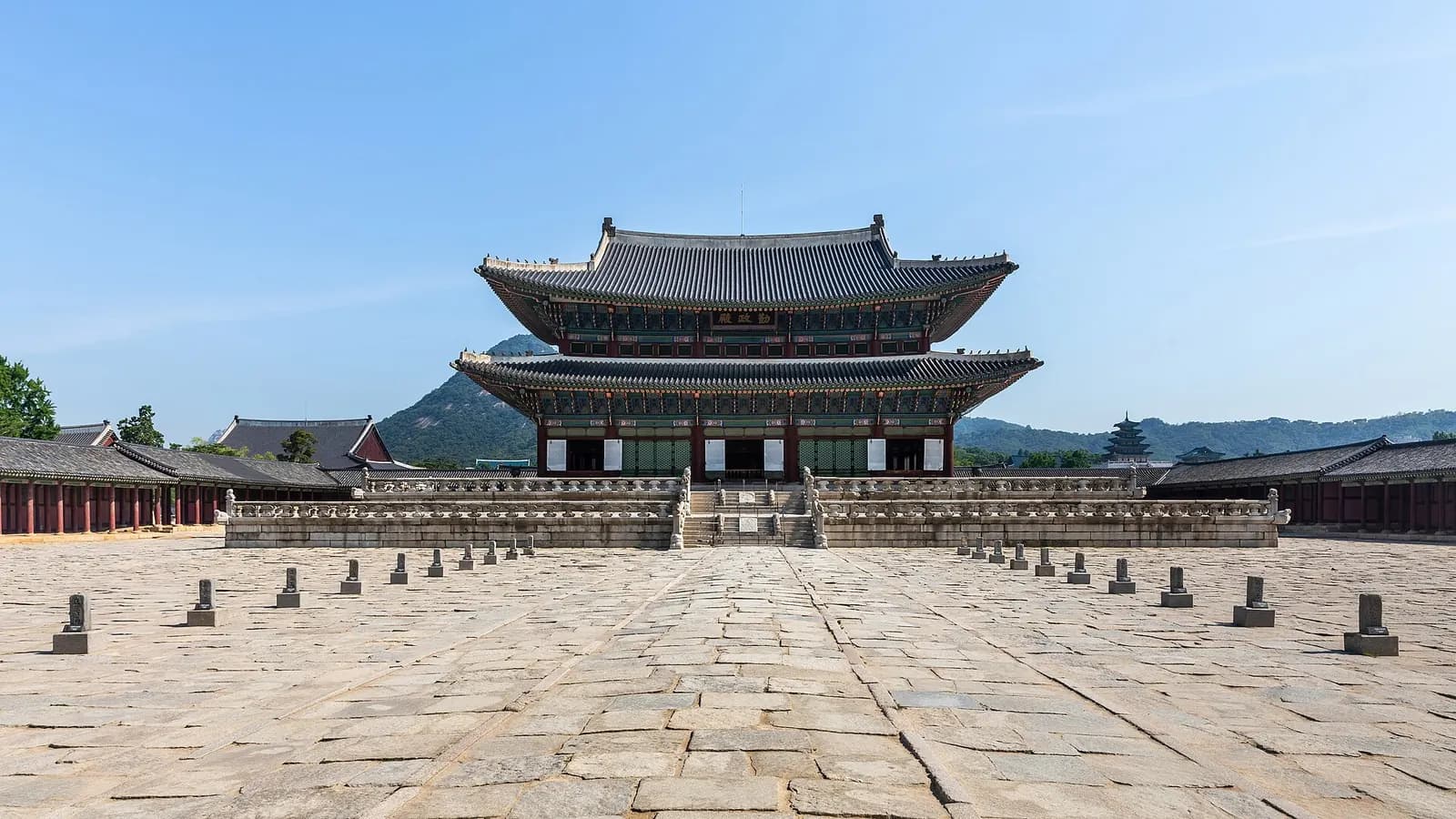
Gyeongbokgung's changing of the guard, Changdeokgung's Secret Garden, hanok villages, and the DMZ an hour away: Korea's whole dramatic arc is visible from the capital.
The culture wave at its source
K-pop, K-drama filming sites, K-beauty flagships, and fashion streets in Hongdae and Seongsu: if Korean culture pulled you in from abroad, the source is better.
Mountains inside the city limits
Seoul is ringed and studded with real peaks: Bukhansan's granite summits and the Namsan tower walk offer serious hiking without leaving the transit map.
Things to do, and when to do them
Gyeongbokgung Palace
The grandest of the five palaces. Catch the changing of the guard, and note most palaces close one day a week (Gyeongbokgung on Tuesdays).
Changdeokgung's Secret Garden
The UNESCO-listed rear garden is by guided entry with capped numbers; book ahead, especially for fall color.
Bukchon Hanok Village
Traditional homes on a hillside between the palaces. It is a residential neighborhood: go early, keep voices down, and the photos come easy.
Gwangjang Market
Bindaetteok pancakes, knife-cut noodles, and the famous fabric hall upstairs. Lunch here beats any food tour.
N Seoul Tower and the Namsan walk
Ride the cable car up, walk down through the park at dusk as the city lights come on.
DMZ tour
The border with North Korea, about an hour out, visited on regulated tours that book out ahead. Sobering, strange, and singular.
Hongdae and Seongsu nightlife
Street performers and clubs in Hongdae, converted-warehouse cafes in Seongsu. Seoul's night energy is half the visit.
A jjimjilbang (Korean sauna)
Multi-floor bathhouse culture: hot pools, ice rooms, sleeping halls, and sheep-towel hats. Best appreciated on a cold or rainy day.
Events and seasons worth planning around
Cherry blossom season
Typically early to mid April, varies year to year
Yeouido's riverside avenue and Seokchon Lake draw enormous local crowds for about a week of peak bloom.
Lotus Lantern Festival
The weeks before Buddha's Birthday, a shifting lunar date usually in May
A massive lantern parade and temple displays centered on Jogyesa. One of Asia's most beautiful festival nights.
Seollal (Lunar New Year)
Late January or February, date follows the lunar calendar
Korea's great homecoming. Intercity transport sells out, small businesses close for a few days, and palaces fill with families in hanbok.
Chuseok
September or early October, date follows the lunar calendar
The harvest festival works like a second New Year: several days of hometown travel, closures at small shops, and festive palace programs.
Fall foliage season
Late October into early November
Ginkgo avenues and palace maples peak; Naejangsan and Seoraksan day trips draw serious leaf-viewing crowds.
Beat the crowds
- See the palaces at 9am opening or in the last two hours; midday belongs to tour groups, and Bukchon's lanes are quietest before breakfast.
- For cherry blossoms, walk Yeouido at sunrise or choose quieter stretches along the Han River tributaries over the festival core.
- Never plan intercity travel during Seollal or Chuseok without tickets booked the moment they release; those are the country's two travel crushes.
- Book the Secret Garden, DMZ tours, and popular Korean barbecue houses days to weeks ahead in spring and fall.
- Ride the subway like a local: it outruns taxis at rush hour, and a T-money card plus a map app renders the whole city 30 minutes wide.
Open or closed
- Seollal and Chuseok (dates shift yearly on the lunar calendar) close many small restaurants and shops for two to four days while department stores shorten hours; major palaces and museums typically stay open with holiday programming.
- Most royal palaces close one day a week (Gyeongbokgung on Tuesdays, most others on Mondays); pair your palace days accordingly.
- The jangma monsoon (roughly late June through July) cancels outdoor plans without notice; Seoul's answer is an unmatched indoor bench of museums, malls, and saunas.
- DMZ tours run on government schedules and can suspend without warning when border conditions change; book refundable and early in your stay so a canceled day can slide.
- Winter closes nothing in the city: Seoul runs at full speed below freezing, and outdoor palace visits simply become a gear question.
With kids in tow
- Seoul is an easy, safe family city: immaculate transit with elevators, playgrounds along the Han River parks, and food (Korean fried chicken, kimbap, bingsu shaved ice) that kids adopt instantly.
- Big kid-pleasers include Lotte World's indoor theme park, the COEX Aquarium, the National Museum of Korea's children's museum, and renting hanbok, which also earns free palace entry.
- Spring and fall are the family sweet spots; in summer, plan mornings out and afternoons in water parks or malls, and in winter, bundle up for skating and sledding parks.
- For homeschool families: Korea compresses a remarkable curriculum, from movable type and Hangul at the museums to the DMZ's living civics lesson, with school-term weekdays in May, September, and October blissfully calm.
Getting there
- Incheon International (ICN) is the gateway, about an hour west of the city, with nonstops from Los Angeles, San Francisco, Seattle, Atlanta, New York, and other US hubs, typically 12 to 14 hours westbound.
- From Texas, expect one stop through a West Coast hub in most seasons; total journey runs 16 to 20 hours, so land with a gentle first evening planned.
- The AREX express train and airport buses reach central Seoul in 45 to 80 minutes; grab a T-money transit card at the airport and the whole subway network opens up.
Packing? Packing cubes and the airport kit.
Seoul timing, quick answers
What is the best month to visit Seoul?
October, for crisp air, blue skies, and the start of fall color, with April's cherry blossom window as the spring rival. May and September are nearly as good with slightly thinner crowds.
When do cherry blossoms bloom in Seoul?
Typically early to mid April, varying year to year by a week or more. Peak lasts about a week; Yeouido and Seokchon Lake are the famous spots, and the same front brings blossoms to the whole country within a couple of weeks.
Should I avoid Chuseok or Seollal?
Avoid moving between cities during them: transport sells out and roads jam. Staying put in Seoul works fine, with quieter streets, festive palaces, and some small shops closed for a few days. Both dates shift yearly on the lunar calendar, so check before booking.
What is the cheapest time to visit Seoul?
The winter trough from January through early March, and the July monsoon weeks. Winter is the better bargain: cold but dry and clear, with the city fully open and flights at their lowest.
How bad is summer in Seoul?
July's monsoon brings days of heavy rain and August is hot and humid, near 86F (30C). Neither shuts the city down, and indoor Seoul (museums, markets, saunas, cafes) is deep enough to fill a trip, but spring and fall are simply better.
Weighing alternatives
Similar trips, with their best months.
Before you book.
Sort these two things first.
Sponsored links. We may earn a commission; it never changes a verdict.
- Visit Faye
Travel insurance.
FayeA missed connection, a bag that never turns up, a hospital abroad: far cheaper to cover before departure than to argue about after.
- Visit Saily
eSIM data.
SailySet up an eSIM before you fly so your phone has data the moment you land, without roaming charges.
Our top-rated travel gear
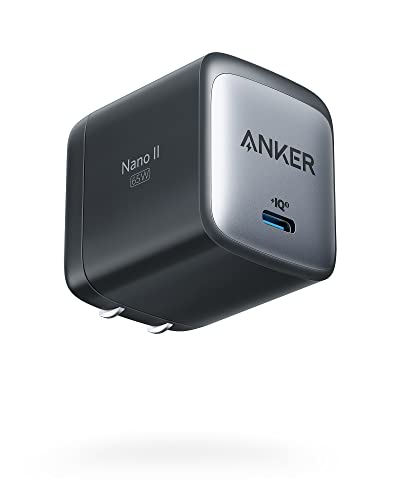
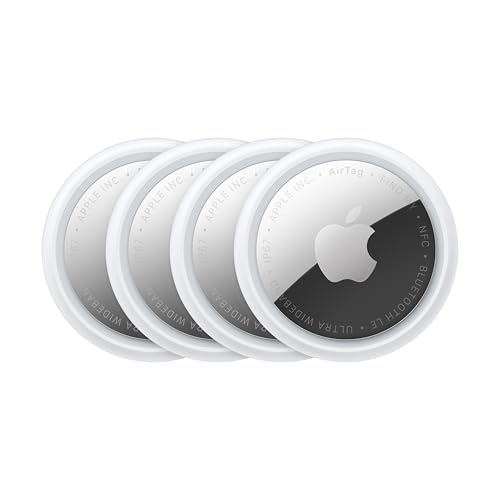
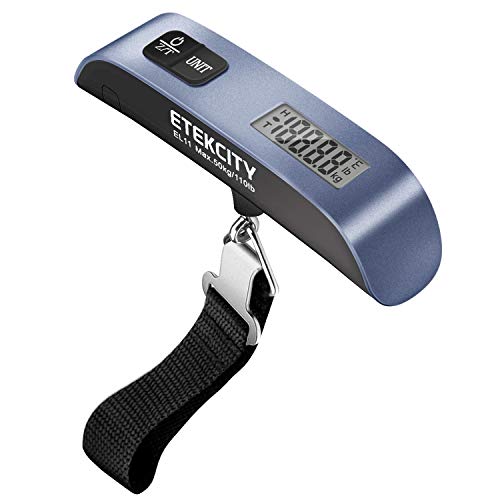
Whatever you decide, this is the gear we actually travel with: verified, priced, and ranked. Live price check on each.



As an Amazon Associate we may earn from qualifying purchases, at no cost to you.