Louisville, Kentucky, United States
Kentucky Derby
The fastest two minutes in sports, wrapped in a week of hats, juleps, and Louisville at full volume.
The straight answer
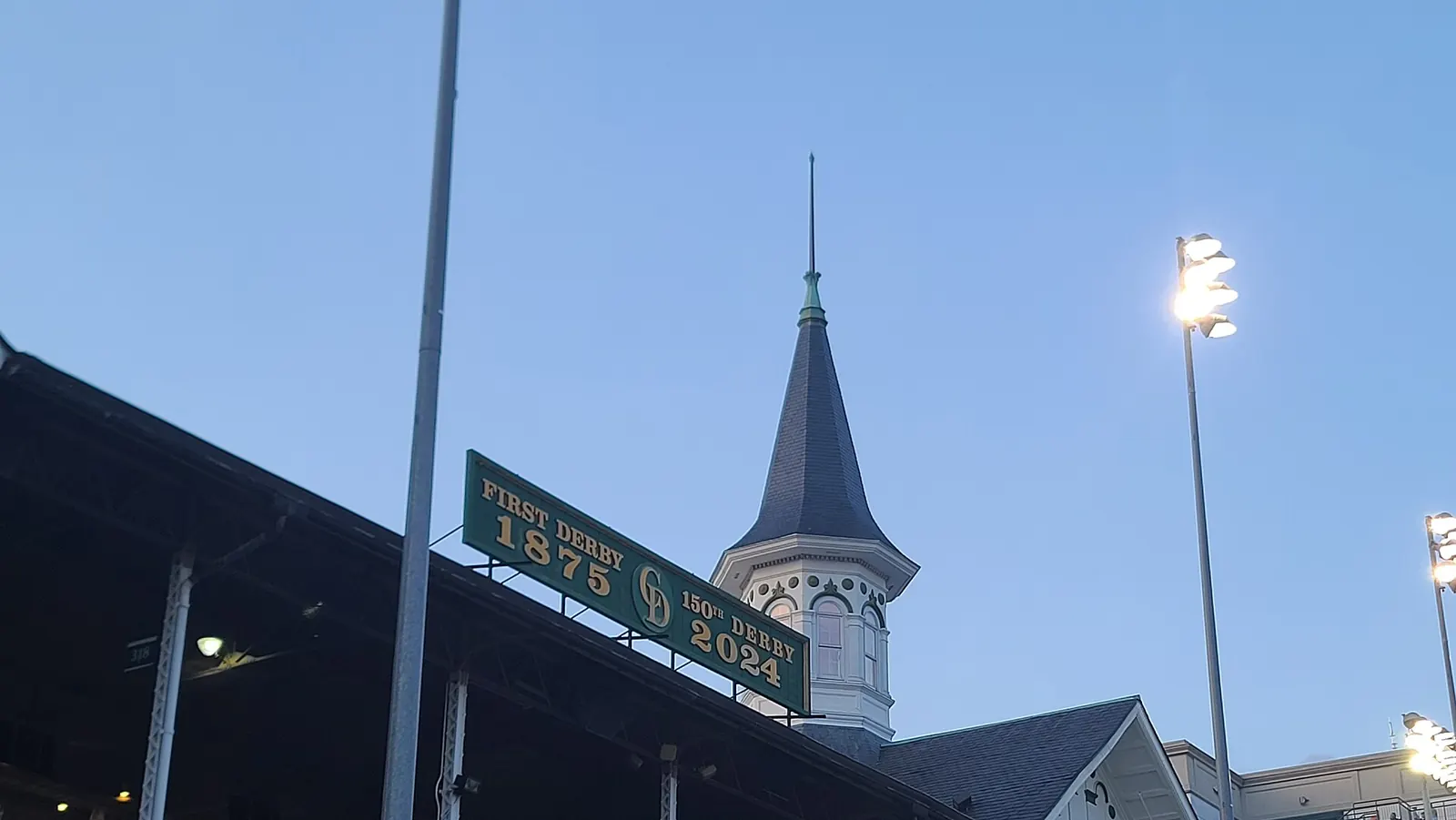
The Kentucky Derby runs on the first Saturday of May every year at Churchill Downs in Louisville, with the Kentucky Oaks the Friday before and Derby festivities filling the whole preceding week.
The Kentucky Derby has been run at Churchill Downs every year since 1875, always now on the first Saturday of May, which makes it the rare bucket-list event you can plan around years in advance. The race itself lasts about two minutes. The event around it consumes a full week and, for Louisville, the better part of spring.
It is as much pageant as sport: outrageous hats and seersucker, the crowd singing My Old Kentucky Home as the horses step onto the track, mint juleps by the hundred thousand, and an infield party that has almost nothing to do with horses. Attendance at the Downs runs deep into six figures, making it one of the best-attended single-day sporting events in America.
The honest planning note: Derby weekend is expensive. Louisville hotels triple or worse and impose minimum stays, and good reserved seats cost what a vacation costs. The strategies below are about deciding which version of the Derby you want, because there are several at very different price points.
The event, explained
Derby Day is the finale of a full week. The Kentucky Derby Festival runs for two weeks before with a massive fireworks opening, a marathon, a steamboat race, and a parade. At the track, Tuesday through Thursday offer real stakes racing at a fraction of Saturday's prices, Thursday is the locals' beloved Thurby, and Friday is the Kentucky Oaks, the fillies' classic, traditionally a pink-out with a hometown crowd.
Derby Day itself is a long card: gates open in the morning and a dozen-plus races run before the Derby goes off in the early evening. Between races you work the paddock, the juleps, and the people-watching, which is half the sport. When the bugler plays the call to post for the big one, the place goes quiet in a way that surprises first-timers.
Where you stand changes everything. Reserved grandstand and clubhouse seats see the stretch run; the infield is a giant, rowdy, inexpensive party where you may never see a live horse; and premium dining packages put you in air conditioning with the owners. All are the Derby; pick your Derby.
How to play it right
- 01Reserved seats sell through official channels nearly a year out, with prices from several hundred dollars to many thousands. General admission infield tickets are far cheaper, sold closer in, and a completely different (standing, partying) experience. Decide which you want before you book anything else.
- 02Book Louisville lodging six months to a year ahead and expect multi-night minimums at several times normal rates. Staying 30 to 60 minutes out, or across the river in southern Indiana, cuts the cost dramatically.
- 03Consider Thurby or the Oaks instead of, or in addition to, Derby Day. Same track, same hats, elite racing, and tickets and hotels at a fraction of Saturday's cost. Many repeat visitors quietly prefer Friday.
- 04Plan transportation before you need it: parking near the track is scarce and marked-up, rideshare surges are brutal at exit time, and the neighborhood streets lock up. Official shuttles, buses, or a long walk from a distant parking spot are the reliable plays.
- 05Dress for the pageant but check the sky. Early May in Louisville swings from 85F (29C) sunshine to cold rain, sometimes in one card. Hats are mandatory in spirit; clear bags and the track's security rules are mandatory in fact.
- 06Learn to bet two dollars before you go. A small win ticket on a horse you picked by name is the cheapest fun at the Downs, and the betting windows are friendly to beginners early in the day.
With kids in tow
- Derby Day is a long, loud, crowded, alcohol-forward day, and the infield in particular is not where you want children. Families do attend in the grandstands, but it is a stamina test for kids.
- The family play is Derby week, not Derby Day: Tuesday through Thursday racing has cheap tickets, short lines, real horses up close at the paddock, and room to move. The Kentucky Derby Festival's balloon and fireworks events are built for kids.
- The Kentucky Derby Museum at Churchill Downs, open year-round, plus a morning watching workouts from the backside on a tour, gives kids the horses without the crush, any week of the spring.
Book your stay for Kentucky Derby.
Sponsored links to Expedia and Vrbo. We may earn a commission; it never changes a verdict.
- Hotels for May
Hotels. Expedia
Hotels in Kentucky DerbyOpens a hotel search for Kentucky Derby in May, dates filled in. Book early for the best months: the good rooms go first.
- Rentals on Vrbo
Vacation rentals. Vrbo
Vacation rentals in Kentucky DerbyWhole homes, condos and villas. Usually the better deal for families and groups, with a kitchen and room to spread out.
- Tours and tickets
Tours and tickets. Expedia
Tours and tickets in Kentucky DerbyTimed-entry tickets, day trips and guided tours in Kentucky Derby for May. Popular slots sell out in the best months.
Kentucky Derby, quick answers
When is the Kentucky Derby?
The first Saturday of May, every year, at Churchill Downs in Louisville. The Kentucky Oaks runs the Friday before, Thurby the Thursday before, and the Kentucky Derby Festival fills the two weeks leading in.
How much does it cost to attend?
General admission to the infield is relatively inexpensive; reserved seats run from several hundred dollars into the thousands, and premium packages far beyond that. Hotels are the hidden cost: Louisville rates several-x on Derby weekend with minimum stays.
Is the infield worth it?
If you want a huge outdoor party with a horse race somewhere in the background, absolutely, and it is the affordable ticket. If you want to see the race, you need grandstand or clubhouse seats, or a spot along the rail claimed early.
What should I wear?
The Derby is one of America's last great dress-up sporting events: hats or fascinators, spring dresses, seersucker and pastels. There is no enforced dress code in most areas, but you will feel underdressed in a t-shirt everywhere except the infield.
What if I cannot get Derby tickets?
Go Thursday or Friday instead: Thurby and the Oaks deliver the Churchill Downs experience with elite racing and easier everything. Or watch the race at one of Louisville's Derby parties and enjoy the festival week around it.
Also in May
Tulip Season in the Netherlands
Lisse & Amsterdam, Netherlands
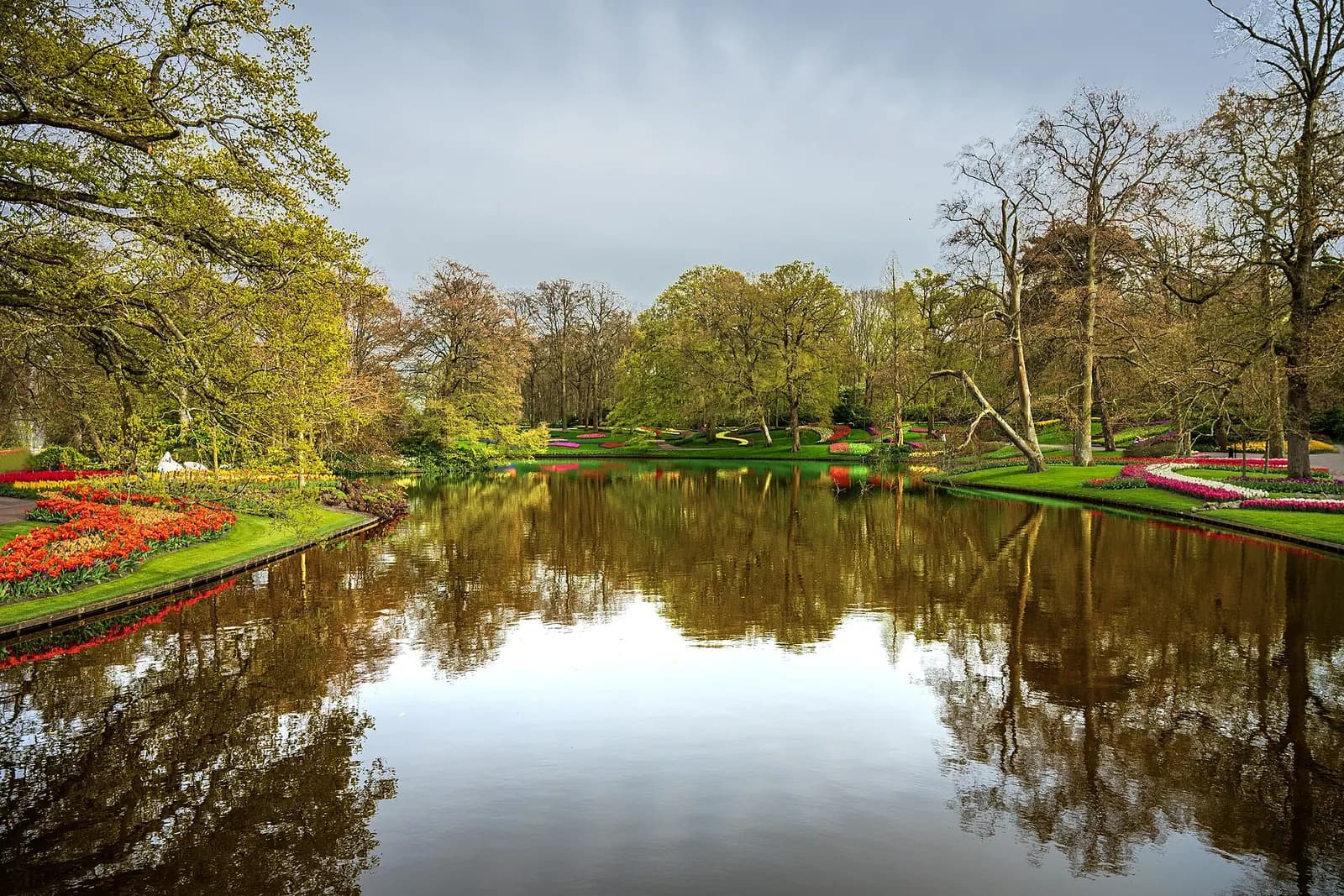
Mid March through mid May, with the fields at their boldest in mid-to-late April

Feria de Abril
Seville, Spain
About one week in spring, usually two weeks after Easter, so it lands in April most years and slips into early May when Easter is late
Indianapolis 500
Speedway, Indiana (Indianapolis)
The Sunday of Memorial Day weekend, capping a full month of practice, qualifying, and festival events in May
Before you book.
Sort these two things first.
Sponsored links. We may earn a commission; it never changes a verdict.
- Visit Faye
Travel insurance.
FayeA missed connection, a bag that never turns up, a hospital abroad: far cheaper to cover before departure than to argue about after.
- Visit Saily
eSIM data.
SailySet up an eSIM before you fly so your phone has data the moment you land, without roaming charges.
Our top-rated travel gear
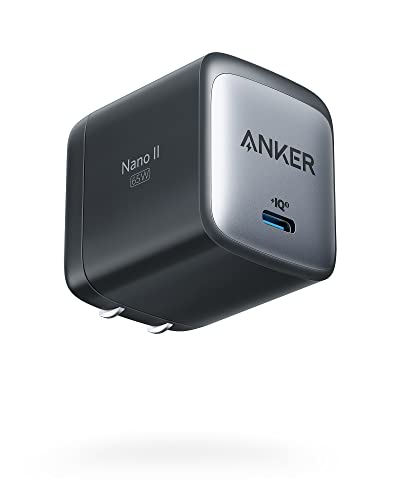
Whatever you decide, this is the gear we actually travel with: verified, priced, and ranked. Live price check on each.





As an Amazon Associate we may earn from qualifying purchases, at no cost to you.